
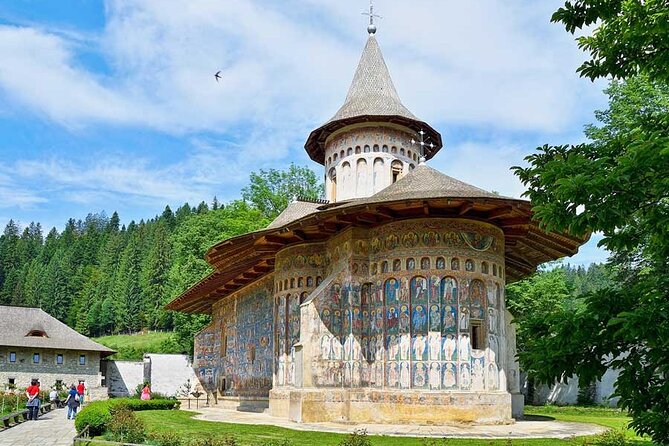
Reviewed · MONASTERIES & PAINTED CHURCHES
1-Day Bucovina Painted Monasteries tour from Suceava – English
Bucovina’s churches look like stone bibles, and this day trip is the easiest way to see them. You get a full circuit of key painted sites plus relaxed time to take it in, all wrapped in an air-conditioned ride from Suceava.
What I like most is the focus on meaning, not just postcard views. You’ll get fresco-by-fresco explanations (often led by history-minded guides like Bogdan) and a route that makes the art feel connected.
The one drawback is straightforward: entrance fees and lunch aren’t included, so you should budget a bit extra once you’re on the ground.
In This Review
- Key highlights worth planning for
- Bucovina’s painted churches: what you’re really seeing
- Suceava pick-up, parking included, and the comfort-factor
- Stop 1 Humor Monastery: the 1530 story carved in stone
- Stop 2 Voronet Monastery: the Blue of Voronet and Judgment Day
- Stop 3 Moldovita Monastery: a fortress church with 5-meter towers
- Stop 4 Sucevita Monastery: Movila family power and the Virtues Lather scene
- Stop 5 Marginea black pottery: clay, water, fire in real life
- Timing and how to plan your day without getting tired
- Price and value: what $140.43 buys you
- What makes the guides matter, Bogdan and Gabriel
- Who this tour suits best
- Should you book this Bucovina painted monasteries day trip?
- FAQ
- What time does the tour start and where do I get picked up?
- How long is the Bucovina Painted Monasteries tour?
- What’s included in the tour price?
- Are entrance fees and lunch included?
- Is this a private tour?
- Can I cancel for a full refund?
Key highlights worth planning for
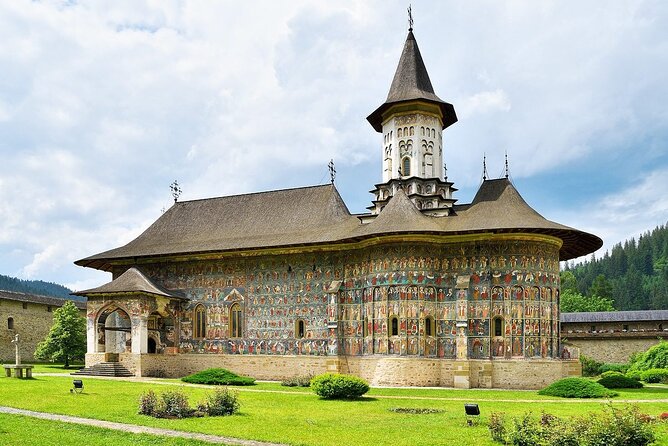
- Private-vehicle comfort: You stay in an air-conditioned car with your group only, so the day feels calm.
- Fresco explanations with real context: Expect interpretation of symbols and scenes, including Judgment Day and Virtues Lather.
- Voronet’s Blue gets special attention: You’ll hear why the famous blue is called unique and how it connects to the monastery’s style.
- A fortress church, not just a church: Moldovita is treated like a defensive stronghold, with thick walls and tall corner towers.
- Marginea black pottery adds texture to the day: Even with a short stop, you’ll learn why the craft started and how the clay, water, and fire triangle works.
More painted monasteries:
- 3-Castle: Peles,Bran,Rasnov,Sinaia Monastery from Brasov w pickup★ 5.0 · 274 reviews
- Bucovina Painted Monasteries Day Tour★ 5.0 · 83 reviews
- Peles Castle, Bran Castle, Rasnov Fortress and Sinaia Monastery Tour from Brasov★ 5.0 · 55 reviews
- Princely Court of Târgoviște and Curtea de Argeș Monastery★ 4.5 · 50 reviews
Bucovina’s painted churches: what you’re really seeing
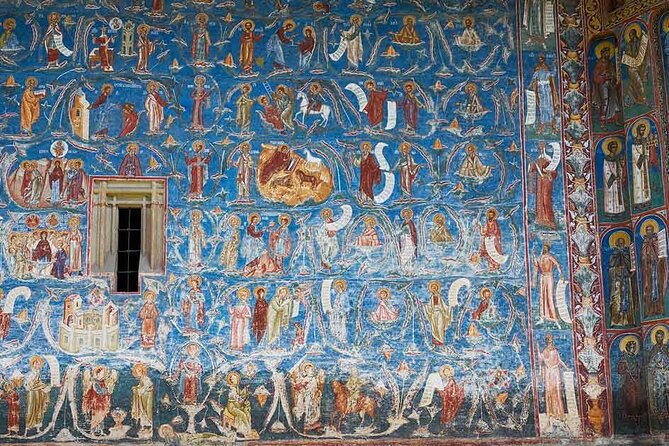
Bucovina’s Painted Monasteries are famous for a reason. These churches turn theology into images, then paint those messages across facades you can read from the road.
This matters for you because you’re not just walking through a pretty building. You’re learning how Byzantine traditions meet Gothic architecture cues, how donors wanted to be remembered, and how stories like Judgment Day were meant to land on everyday people.
And the best part of this kind of tour is pacing. You see multiple sites in one day without having to figure out transport, timing, or what order makes the most sense.
Suceava pick-up, parking included, and the comfort-factor
Your day starts with a 9:00 am departure and free pickup from your hotel or any address in Suceava. That saves you time and also keeps the day from turning into a mini scavenger hunt.
Once you’re on the road, the tour uses a private transportation setup in an air-conditioned vehicle. You’re not packed into a crowded bus, and the day stays manageable even when you spend time outside the churches.
One practical detail that often gets overlooked: parking fees are included. That means you avoid extra admin and keep the schedule smoother when you arrive at each stop.
Stop 1 Humor Monastery: the 1530 story carved in stone
Humor Monastery sits on a hill, surrounded by trees and meadows, in the village of Manastirea Humorului. The setting helps you slow down, because the church is placed to be seen in the landscape rather than tucked into a corner.
The standout detail here is at the exterior wall: an inscription carved in rock. It points you to the church’s origin in 1530, built by Toader Bubuiog, described as a chancellor and a Moldavian Council member.
This stop is usually about one hour, so it works as a strong first connection point. You get warmed up with history right away, before the bigger visual overload of the later facades.
Tip for your visit: wear shoes that handle uneven ground and casual walking. The hill location means you’ll likely move around paths near the monastery grounds.
Other Romania days worth the drive
Stop 2 Voronet Monastery: the Blue of Voronet and Judgment Day
If Bucovina has a star, it’s Voronet. This monastery is often described as the essence of Moldavian architectural style because it mixes influences you can actually spot.
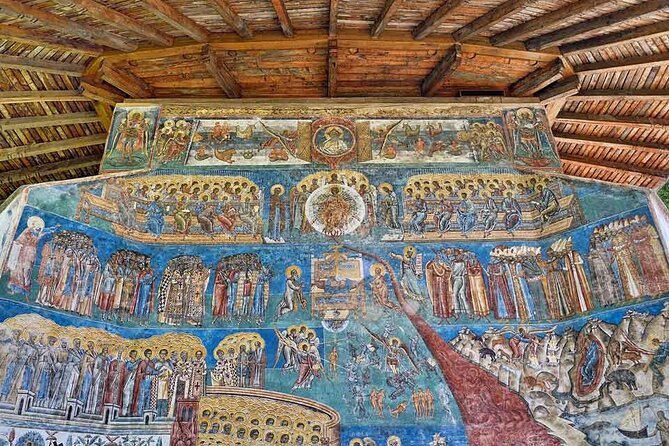
From a design angle, you’ll hear how Byzantine elements show up, including a foundation shape described as white clover, and how Gothic cues appear in features like arches and columns. Then you meet the reason people remember this place: the huge fresco on the western facade, called Judgment’s Day.
That’s where the art becomes a full experience. Judgment Day is not a small panel tucked inside. It’s a major facade work meant to be read at a distance, so you can stand back, take it all in, then notice details up close.
Then comes the color lesson. The Blue of Voronet is described as unique in the world, and compared by specialists to Rubens red and Veronese green. Even if you don’t memorize every art term, this kind of explanation helps you see why the painting looks different from other mural work.
You’ll typically have about an hour here, with time to wander and absorb before the next stop.
Stop 3 Moldovita Monastery: a fortress church with 5-meter towers
Moldovita changes the mood. This place is not only a church, it feels like a fortress.
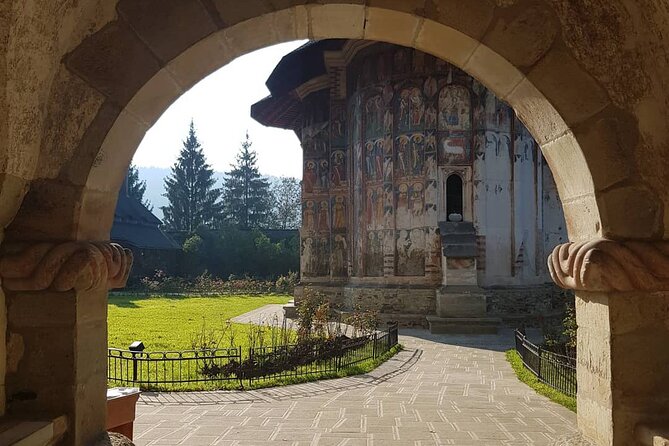
Thick walls are a key feature, described as about 1.20 m, plus tall towers at both corners of the facade, around 5 m. There’s also a powerful tower for the gate, which makes you understand why the building needed defense as much as devotion.
Founded by Petru Rareș in 1532, Moldovita also stands out for the mural work that many specialists consider a major moment in ancient Romanian art. The tour approach here helps you read the building like a historical document: power, protection, and religious message in one structure.
Expect around one hour at this stop. It’s a good pace because you can look at the exterior massing from multiple angles, then step back and start noticing how the fortress layout frames the church story.
Practical note: fortress-style churches can mean more stone surfaces and more open exterior viewing. Bring a water bottle, even if you plan to stop for lunch later.
Stop 4 Sucevita Monastery: Movila family power and the Virtues Lather scene
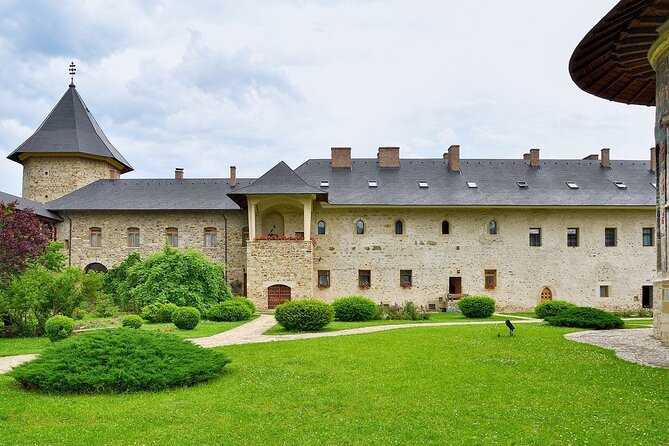
Sucevita feels like the final act in a painted-church story arc. Built in the late decades of the 16th century at the expense of the Movila family, with Ieremia, ruler of Moldavia between 1595 and 1606, behind it, the monastery carries a clear sense of patronage.
One detail you should look for is preservation. The outside painting at Sucevita is described as the best kept among the Moldavian churches in the set, with the only one that keeps its northern side.
Then there’s the artwork people talk about most: the scene called Virtues Lather. It’s described as especially impressive for its amplitude and for the contrast between ordered sides and the chaos of hell. In plain terms, it’s a dramatic visual moral map, showing the battle between right and wrong and the consequences of sin.
This stop is about one hour, which is enough time to zoom in on figures and patterns without feeling rushed to the next location.
If you’re the kind of person who likes details, you’ll probably enjoy how the guide explains iconography and composition. It’s the difference between seeing paint and understanding message.
Stop 5 Marginea black pottery: clay, water, fire in real life
After four churches, the tour adds a different flavor at Ceramica neagra in Marginea. This is black pottery, and the short stop gives you a chance to connect the region’s daily life to its cultural output.
Pottery in Marginea is traced back to the year 1500, and it began partly from practical needs like storing food. The tour also frames why the local setting mattered: argillaceous soil, the Sucevița river, and surrounding forests all support the craft.
Historically, the region’s pottery development is tied to a triangle of materials and process, clay, water, and fire. Even in a short 10-minute visit, this kind of explanation helps you understand the product, not just admire the color.
One extra historical note is that before communist oppression, there were at least 60 families of potters. That context turns the stop into more than a souvenir moment. It’s a reminder that craft traditions are community work, not just a product display.
Timing and how to plan your day without getting tired
This is a 7 to 9 hour outing, so it’s a real day trip even if you’re not traveling far. The tour’s stop lengths are built around steady viewing time, with about an hour at each monastery and a shorter final stop for pottery.
You’ll want to treat the day like a museum run with walking, not like a casual stroll. Bring comfortable shoes and plan for some outdoor time in sun or shade, depending on the day.
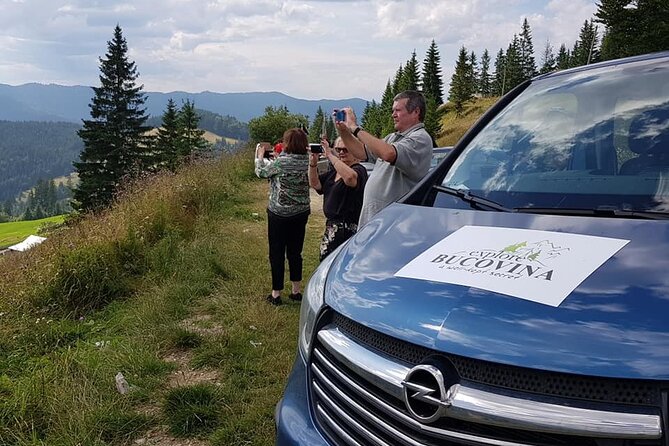
Lunch is the one piece you should plan for. The tour itself doesn’t include lunch, but you may have a lunch stop depending on the operator’s schedule. One guide-led experience in this route is described as having a lunch stop at a high point overlooking Carpathian hills, which sounds like a great break if it’s part of your itinerary day.
If entrances are charging separately, you’ll also want a bit of cash or the payment method the site accepts.
Price and value: what $140.43 buys you
The price listed is $140.43 per person, and the real value is what’s bundled around the art.
You’re paying for a professional English-speaking guide with live interpretation, plus private transportation and parking fees. That parking detail sounds small, but it reduces friction all day.
You’re also getting an experience described as leaving you as the only passengers in the vehicle, which matters more than people expect. A quieter car means fewer distractions, easier conversations with your guide, and less stress when the schedule tightens.
What’s not included is also clear: entrance fees and lunch. So if you’re comparing prices with DIY options, the right question is not only how much cheaper you can go on paper. It’s how much effort you’ll spend solving logistics versus paying for a guide to make the art intelligible.
For me, this is the kind of tour that pays off if you care about meaning. If you mostly want quick photos and don’t care about fresco symbolism, you might question the guide cost.
What makes the guides matter, Bogdan and Gabriel
One of the best parts of this route is the way the guide translates the churches into stories you can follow.
In particular, Bogdan is highlighted for being both friendly and deeply informed, including history-heavy context, plus the practical side of driving. Another guide name that comes up is Gabriel, described as excellent, with a good rhythm between explanations and time to wander.
When the guide is strong, you start seeing patterns across monasteries. The same themes reappear, different patrons show their influence, and the way churches communicate through images makes more sense.
Who this tour suits best
This day trip is ideal for you if you want a structured route and you enjoy learning the meaning behind art. The painted facades can overwhelm you if you’re standing there without context, so the guide’s explanations help.
It also fits well if you like a comfortable transport setup. You get air-conditioning, pickup in Suceava, and the calmer feel of traveling with your group only.
It might be less ideal if you want a long pottery experience. The black pottery stop is short, at about 10 minutes, so treat it as an introduction rather than a workshop day.
And if your schedule allows, this is a good way to see Bucovina highlights without turning your vacation into a logistics job.
Should you book this Bucovina painted monasteries day trip?
I’d book it if you want the easiest path to the top painted sites around Bucovina, with English guidance and a smooth, private-vehicle setup. The art is the headline, but the real win is having someone explain fresco symbolism and architectural style while you’re there, in real time.
I’d think twice only if entrance fees and lunch are going to be a problem for your budget, or if you strongly prefer free-form, unguided wandering. In that case, you might do better with self-guided visits.
For most people making a single day out of Suceava, this is a solid way to get maximum cultural value with minimal stress.
FAQ
What time does the tour start and where do I get picked up?
The tour starts at 9:00 am, and you can get free pickup from your hotel or any other address in Suceava.
How long is the Bucovina Painted Monasteries tour?
The duration is about 7 to 9 hours.
What’s included in the tour price?
Included features are a professional English-speaking live guide, private transportation, an air-conditioned vehicle, and parking fees.
Are entrance fees and lunch included?
No. Entrance fees and lunch are not included.
Is this a private tour?
Yes. It’s a private tour/activity, and only your group will participate.
Can I cancel for a full refund?
Yes, you can cancel for a full refund if you cancel at least 24 hours before the experience’s start time.
Newest Romania write-ups
- Half Day Tour in Bucharest
★ 5.0 · 1 review - Private transfer to BRASOV
★ 5.0 · 1 review - 800cc Motorcycle Rental from Turda
★ 5.0 · 1 review - From Sibiu: Guided tour through the heart of Marginimea.
★ 5.0 · 1 review - 4-Day Private Tour from Bucharest to Transylvania
★ 5.0 · 1 review - Bucharest: Capture the most Photogenic Spots with a Local
★ 5.0 · 1 review - Bucharest Private Custom Walking Tour with Guide (Private Tour)
★ 5.0 · 1 review
Monasteries & Painted Churches, compared.
3-Castle: Peles,Bran,Rasnov,Sinaia Monastery from Brasov w pickup
Read our review →
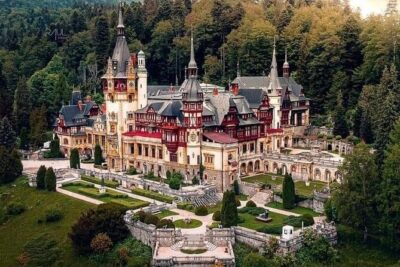
Peles Castle, Bran Castle, Rasnov Fortress and Sinaia Monastery Tour from Brasov
Read our review →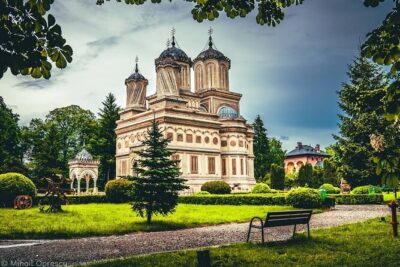
Princely Court of Târgoviște and Curtea de Argeș Monastery
Read our review →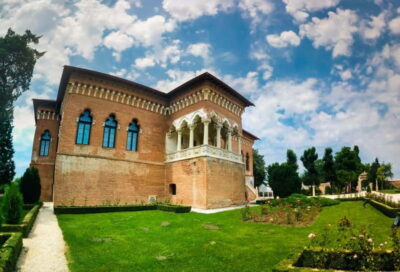
Small Group Tour to Mogosoaia Palace & Snagov Monastery
Read our review →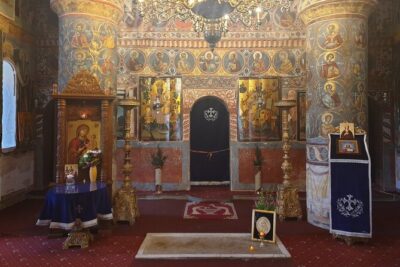
Sacred Monasteries Private Tour: Snagov, Țigănești & Căldărușani
Read our review →
Transfagarasan Highway, Balea Lake & Carta Monastery
Read our review →
Private Half Day Trip to Snagov Monastery & Mogosoaia
Read our review →Browse the lists this tour appears in