Reviewed · PRIVATE
10 Days Private Tour in Romania from Bucharest
Ten days, and Romania clicks.
This private route is a smart way to see the country without juggling buses, because you travel in a car just for your group with a licensed English speaking guide throughout. I especially like how the days mix big-picture stops in Bucharest with serious countryside icons in places like the painted monasteries of Bukovina and the forts of Transylvania. I also like that many entries are handled for you during the day, with admission tickets included at several key stops, not just the optional extras. One drawback to consider: accommodation and your meals are not included, so you’ll want to budget those costs on top of the tour price.
In This Review
- Key highlights to expect
- Private Romania, not a stampede
- Day 1 Bucharest: Parliament, culture, and Revolution Square
- Day 2 Royal monasteries, Poienari ruins, and the Transfagarasan gamble
- Day 3 Hunedoara’s Gothic romance and the Dacian stronghold
- Day 4 Salt air, gardens, and a wooden church that reaches for the sky
- Day 5 Maramures humor plus a communism reality check
- Day 6 Wooden monasteries, mountain passes, and painted houses in Bukovina
- Day 7 Voronet blue and fortified monasteries
- Day 8 Egg museum oddness, naive sculpture, and Bicaz Gorges
- Day 9 Sighisoara’s medieval life and Saxon fortified church vibes
- Day 10 Brașov old town, Bran Castle, and Pelișor-style royal stops
- Price and value: what makes it worth $3,472.81
- Practical tips so the days feel smooth
- Should you book it?
- FAQ
- Is this a private tour?
- What transportation is included?
- Do I get picked up in Bucharest?
- Is an English speaking guide included?
- Are accommodations included?
- Are meals included?
- Are entrance fees included?
- Do I get tickets on my phone?
- What is the cancellation policy?
- Can most people participate?
Key highlights to expect
- Private car, just for your group, with wireless internet on board
- Licensed English speaking guide/driver stays with you through the trip
- Bucharest foundations, from the Palace of Parliament to Old Town
- Carpathian and fortress days, including the Transfagarasan Highway season window
- Bukovina painted monasteries, with Voronet, Humor, Sucevita, and Moldovita
- A Dracula flavored route, through Bran Castle and Bram Stoker related locations
Other Bucharest days worth the drive
- Bucharest: Dracula’s Castle, Peles Castle, & Brasov Old Town★ 4.5 · 17,858 reviews
- Bucharest: Dracula Castle, Peles Castle & Brasov Old Town★ 4.6 · 10,891 reviews
- Bucharest: Dracula’s Castle, Peleș Castle & Brașov Day Trip★ 4.4 · 6,100 reviews
- Bucharest: Palace of Parliament Tickets and Guide★ 4.3 · 3,182 reviews
Private Romania, not a stampede
If you’ve ever tried to “tour” Romania by hopping between pickup points and train schedules, you already know how quickly that drains the fun. This is the opposite approach. You ride in a private car or minibus only for your group, and you get that rare thing: a guide who can steer the day in real time. The tour description also mentions flexibility for changes to the daily plan even after it starts, which matters because Romania is full of short lines, last minute closures, and weather curveballs.
You should also think of this as a route with two speeds. One speed is the city, where you cover major sights like you’re assembling a mental map. The other speed is slower and more scenic, where the point is to see how people built life around faith, defense, and survival. That balance is what makes the trip feel like more than a checklist.
Day 1 Bucharest: Parliament, culture, and Revolution Square
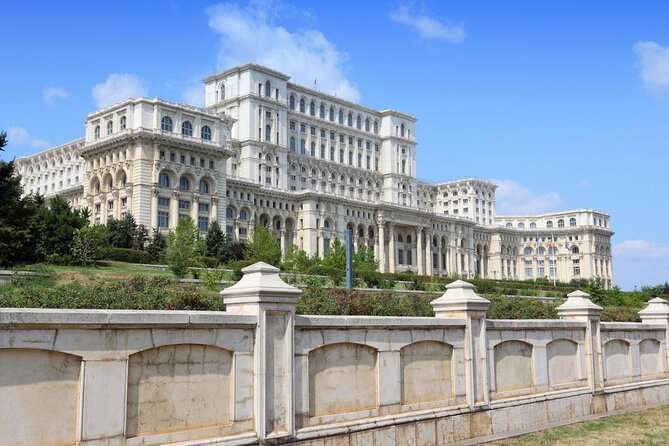
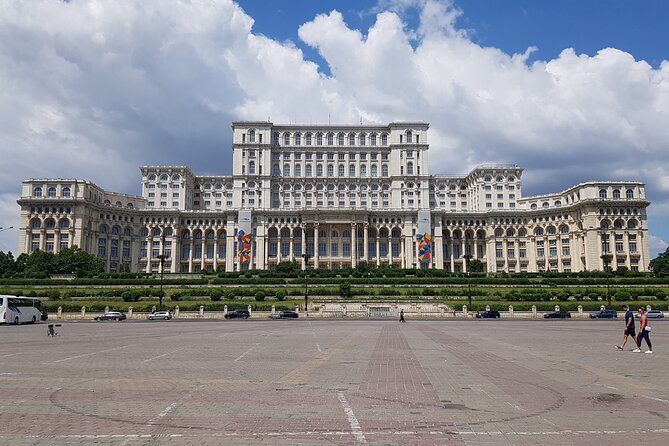
Your first day is Bucharest, but not the soft-focus version. You start at the Palace of Parliament, a building so oversized it can make you laugh and feel uneasy at the same time. It’s controversial, and the tour frames why: totalitarian systems can turn public power into sheer spectacle. Standing in front of a structure on this scale gives you immediate context for everything else you’ll learn later about the country’s 20th century.
From there, you shift to culture and everyday life. The National Village Museum Dimitrie Gusti is the kind of museum that helps you visualize how Romanians lived in village settings before modern housing took over. It’s also a reminder that “simple” can still mean thoughtful design, especially in how the museum presents traditional life in balance with its surroundings.
Then you hit the Romanian Athenaeum, a symbol of Romanian culture and an anchor point on Calea Victoriei. If you’ve seen old concert halls elsewhere in Europe, you’ll recognize the vibe, but the Athenaeum is also a clear sign that Bucharest has a strong identity beyond politics.
The emotional weight returns at Revolution Square, with the fall of Nicolae Ceausescu as the core story. Even if you already know the timeline, the square and nearby buildings give you a physical sense of how tightly history can shape a city.
You finish the day in Old Town, where places like Hanul lui Manuc put meat on the bones of Bucharest’s past as an important stop for merchants. This is a good way to end day one because you’re not just looking at landmarks, you’re walking through atmosphere.
Practical note: the day is packed, but that’s typical for a Bucharest foundation day. If you prefer long, slow museum time, you might want to pace your Old Town stroll for photos and snacks.
Day 2 Royal monasteries, Poienari ruins, and the Transfagarasan gamble
Day two swings into the southern arc of Romania, where you get royal tombs, fortress drama, and a highway famous enough to have its own legend.
First comes Curtea de Arges Monastery. The site is known for royal tombs and for the story layers around the medieval court area. You also see ruins connected to the old princely court, which makes it feel less like a single building and more like a whole forgotten center of power.
Next is Poienari Castle, perched high above the Arges River. It’s described as ruins that changed hands and were eventually abandoned, but also linked to the story of Vlad and escape routes. If you like fortress settings, the clifftop location does a lot of the storytelling for you. Just know you’ll want steady shoes and a decent tolerance for steps.
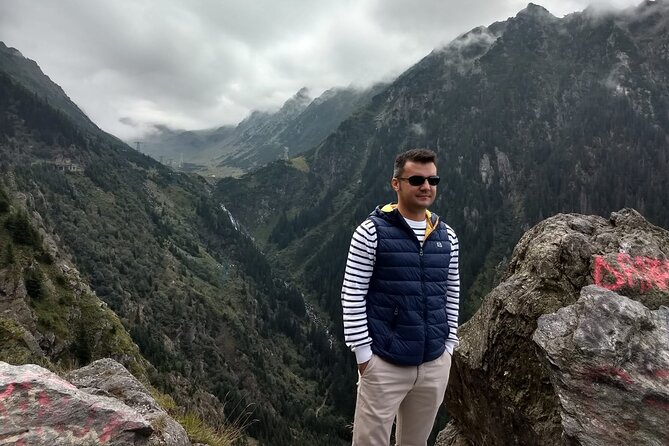
Then you drive the Transfagarasan Highway, one of Romania’s big road attractions. Here’s the key consideration: it’s only fully open from June to October. The tour mentions a highest point near 2,042 meters, plus the tunnel link at Lake Balea. That means timing is not a detail. It’s the difference between a top-tier scenic day and a more limited one.
The day closes with Sibiu’s Big Square (Piata Mare), tying Transylvania’s identity into the route. You get the feel of a town built for long view living, not just a quick stop for photos.
Different day out, same corner of Romania:
Day 3 Hunedoara’s Gothic romance and the Dacian stronghold
If day two is about dramatic scenery, day three is about defense and legacy.
You start with Corvin Castle, also called Hunyadi Castle or Hunedoara Castle. It’s a Gothic Renaissance castle and one of the largest in Europe. The scale matters here. Even if you’ve seen “nice castles,” this one tends to hit different because of how big and varied the spaces feel.
Then you head to Densuș Church, famous as the oldest stone church in Romania. The standout details are the layers: it’s on a site that held a Roman temple earlier, and the church interior includes mural paintings dating to the 15th century, plus later additions. The paintings are also described as depicting Jesus in Romanian traditional clothing, a detail that makes the church feel local, not imported.
Finally, you reach Sarmizegetusa Regia, the Dacian capital and military religious center before the wars with Rome. It’s set on a mountain around 1,200 meters, so the fortress feels like a system, not a single monument. The itinerary description notes it includes six citadels, so you see how Dacian power worked with geography and defense lines.
This is one of the most rewarding days if you like history that isn’t just names and dates, but how people organized space to survive.
Day 4 Salt air, gardens, and a wooden church that reaches for the sky
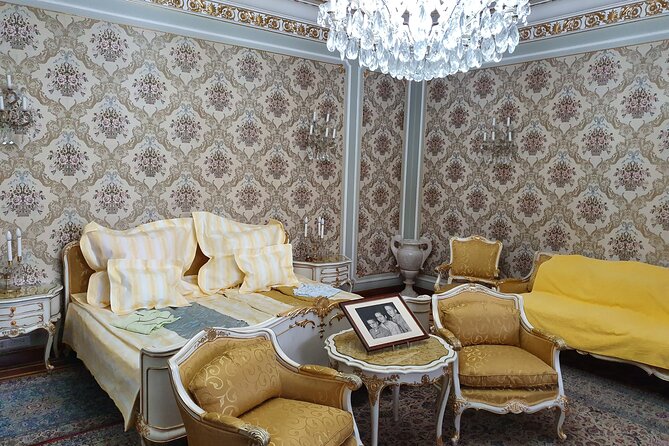
Day four is a clever trio: a salt mine, a garden stop, and then one of Romania’s tallest wooden churches.
At Salina Turda, you experience the Turda Salt Mine. It’s framed as great for lungs and respiratory issues thanks to saline air, which is a helpful detail if health is part of your planning. Even if you’re not thinking medical benefits, the mine layout and the sense of being underground make it memorable. The time on site is about two hours, which is usually enough to explore without feeling rushed.
Next is the Gradina Botanica Alexandru Borza. Even though you might expect only plants, the stop description also points to Cluj Napoca’s city tour component, architecture styles, and the restaurant culture. Translation for your planning: this day includes a mix of nature and city texture, so bring a camera, but also keep energy for town wandering.
Then you get Surdesti Wooden Church, with the itinerary noting a 54 meter tower and that it dates back to 1721. Wooden churches can feel visually warm and intimate, but the height brings awe. The quick stop length means you’ll see the key features and move on, rather than spend a full day there.
If you’re sensitive to long drives, this is a good day to have a light schedule in the evening, because it combines both mental variety and walking.
Day 5 Maramures humor plus a communism reality check
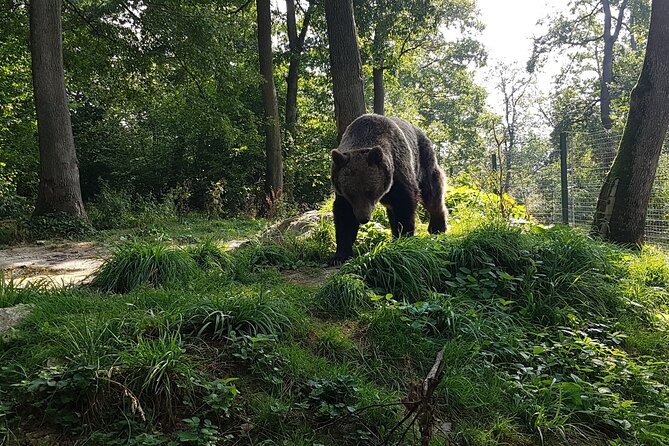
Day five is one of the most emotionally balanced days, because it goes from laughter to hardship without pretending the topics are the same.
In Sapanta, you visit the Merry Cemetery, where colorful crosses and tombstones include humorous poems about the deceased. The Dacians angle and the idea of laughing at funerals and crying at births is part of the storytelling. It sounds strange at first, but seeing the art style in person is what makes it click. It also gives you insight into how communities use creativity to cope with death.
Then you shift to a heavier topic at the Memorial Museum for the Victims of Communism and of the Resistance. This is described as a place that helps you understand how damaging totalitarianism was and the pain it caused in a short period. The tour structure keeps the day grounded: first the human side, then the political violence behind it.
This day is a reminder that Romania’s story is not only architecture and scenery. It’s also how people remembered, survived, and protested.
Day 6 Wooden monasteries, mountain passes, and painted houses in Bukovina
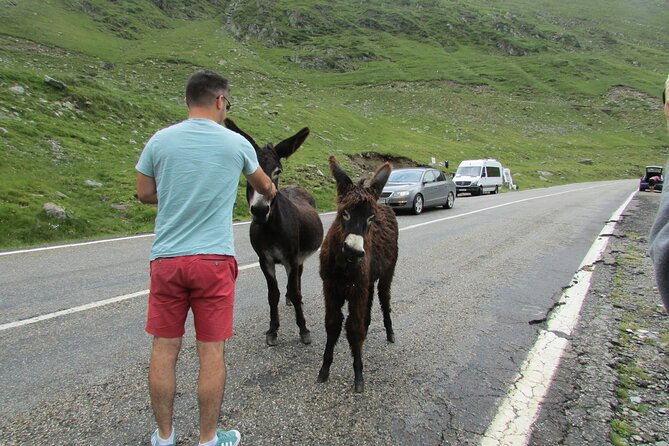
Day six heads into Maramures and then toward Bukovina.
You begin at Barsana Monastery, described as one of the tallest wooden churches in Romania at 57 meters. The stop leans spiritual and atmospheric, with the courtyard and the sense of connection to sky and God. It’s the kind of place where the setting does half the work.
Next is Tihuța Pass, also connected in the description to Bram Stoker’s Dracula, with the note that the name likely came from a map rather than from a personal visit. The itinerary also mentions Hotel Castel Dracula at about 1,116 meters. Even if you’re not a Dracula superfan, the pass gives you a high mountain feel, and that helps make the later Bukovina stops feel even more dramatic.
Then you visit Ciocănești, known for merry painted houses with traditional motifs. It’s described as being on both sides of the Golden Bistrița River, surrounded by pine spruce forests and meadows. Close to Vatra Dornei, it’s one of the places where you see folk design used to brighten ordinary life.
This is a day for people who like “place” more than “facts.” You’ll remember the look of the painted homes and the mountain air feeling longer than the names of everything you see.
Day 7 Voronet blue and fortified monasteries
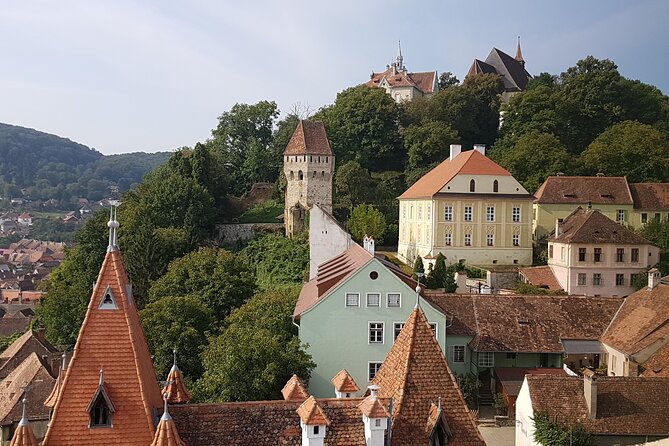
This is the Bukovina day most people come for, because the monasteries are famous for their frescoes.
You start with Voroneț Monastery, built by Stephen the Great in 1488 to commemorate the victory at the Battle of Vaslui. The phrase you’ll hear for this place is Voroneț blue, an intense shade of blue tied to the frescoes. It’s also called the Sistine Chapel of the East in the itinerary description, so if you’re expecting big religious art, you’ll get it.
Then you go to Humor Monastery, described as a fortified monastery that endured over centuries. The tour frames it as an example of churches built away from enemies, including the general theme of worship sites hidden in the woods or at altitude.
Next comes Sucevita Monastery, also described as one of the most beautiful painted monasteries, with biblical scenes and icons that act like a visual guide through Christian history. The tour also notes it’s UNESCO World Heritage, which makes sense because these are not only local treasures, they are international cultural landmarks.
Finally you visit Moldovita Monastery, built in 1532 with a fortified church and mural artwork both inside and outside. This stop completes the “painted monastery corridor” feeling, where you start to see how each church expresses faith and power using the same visual language.
Timing tip: these are short visits, so if you love art, spend your limited time close to the fresco areas and avoid rushing the blue and icon details.
Day 8 Egg museum oddness, naive sculpture, and Bicaz Gorges
Day eight stays in northern Moldavia and Bukovina terrain, but changes pace again.
First is the International Museum of Eggs Lucia Condrea in Moldovita. The itinerary calls it unique in Romania and possibly the world, with over 5,500 exhibits displayed across two levels in 56 cases. If you like odd, specific museum collections, this is a stop you’ll remember for being unexpected.
Next is the Popa Museum in Târpești, founded by sculptor Nicolae Popa in his own house. The description includes a strong personal story, including being wounded in World War II, imprisoned by communists, and choosing to create art despite losing possessions. The result is a naive sculpture focus, rooted in Romanian values.
Then you get the outdoors at Bicaz Gorges, described as a walk along a river cut through mountains and virgin forests. The stop is listed with two hours, and it’s a nice way to clear your head after days of churches and history.
This day is good for variety and mental reset. It’s also a good day to bring comfortable walking shoes.
Day 9 Sighisoara’s medieval life and Saxon fortified church vibes
Day nine is Transylvania medieval town energy, with two major stops.
You start at Sighișoara Clock Tower and the Arms museum. The tour frames Sighișoara as a living medieval citadel, inhabited for over 700 years, which is a rare thing in Europe. It also connects to Dracula lore through Vlad the Impaler, described as his place of birth in this context.
Then comes Biertan Fortified Church, a UNESCO World Heritage site tied to Transylvanian Saxon settlement history. The itinerary description emphasizes its defensive walls and bastions, with three defensive walls and seven bastions. The church sits on a hillock in the center of town, which makes it feel naturally protected even before you look at fortifications.
If you like the “middle ages still here” vibe, this day delivers. It also works well after Bukovina because you’re shifting from frescoes to fortifications and town structure.
Day 10 Brașov old town, Bran Castle, and Pelișor-style royal stops
Your last day is a strong finish: medieval Brașov streets, the Dracula style peak, and then a royal retreat.
First is Brașov and the Black Church (Biserica Neagră). Your guide leads you through the Old Town walking tour, including Old Town Square and city walls built in the Middle Ages. You also get free time at cafés, which is a smart inclusion on a travel day like this.
Next is Bran Castle, framed as a mix of myth and history. The itinerary notes why it’s linked to Dracula stories and that Bram Stoker’s fictional home matches Bran closely. Then it adds practical flavor, including foods to try outside the castle, like handmade cheeses, pálinka, and traditionally produced ham and sausages.
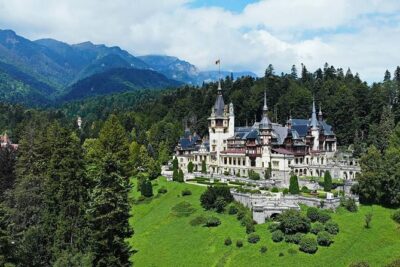
Finally, you visit Peliș Castle, described as the Romanian royal family’s summer residence and one of the most important castle attractions in Europe. If you have energy left, this stop is a satisfying contrast to the fortress vibes. It’s also a good way to end the trip on “beauty” rather than defense.
Price and value: what makes it worth $3,472.81
At $3,472.81 per person for an approximately 10-day private tour, the price can look steep at first glance. The value logic is simpler than it sounds.
You’re paying for:
- A private car that covers long distances across multiple regions
- A licensed English speaking guide/driver available throughout
- Guide accommodation, meals, and entrance fees
- Car expenses like gasoline, parking, and road tolls
- Admission tickets for several stops, depending on the day
What is not included:
- Your accommodation
- Your meals and beverages
- Entrance fees where listed as not included for the overall structure
So the big question is how many people you’ll share the private car with. If your group is small, the per person cost rises. If you can travel as a couple or small family, the private format is still often worth it because you’re buying time, route flow, and access to explanations rather than just locations.
Also, admission handling helps. Even if you end up paying some entries on your side, the tour lists many stops with admissions included, which reduces the surprise tally.
Practical tips so the days feel smooth
Here are the small things that help this route feel great instead of exhausting.
- Plan around the Transfagarasan Highway season window. If you’re traveling outside June to October, you might not get the full road experience described.
- Bring layers. Mountain passes, gorges, and monasteries can feel cooler than Bucharest.
- Wear shoes that work on uneven stones. Several stops are in historic cores and fortress ruins.
- Use your free time wisely in Brașov. That café break can save your evening energy for the final castle stops.
- If you’re a foodie, build in snack time. The tour mentions traditional foods around Bran Castle, and you’ll find plenty of meal opportunities during city breaks.
One more note: mobile tickets are included for the experience, so you should be able to handle day entries without hunting paper confirmations.
Should you book it?
Book this private 10-day Romania tour if you want a guided route that balances major landmarks and real countryside textures, and you care more about flow and context than about checking off every single site yourself. It’s especially strong if you like history told through places, not just facts on a screen.
Skip it or adjust expectations if you want long unplanned downtime, because the day structure is designed to keep momentum. Also, because your accommodation and meals are not included, you’ll want to plan your lodging style and daily food budget early so the final trip total feels predictable.
If you’re the type who likes Dracula lore, fortress towns, and painted monastery art, this route hits a lot of emotional buttons by design, from Bucharest’s political gravity to Bukovina’s famous fresco blues.
FAQ
Is this a private tour?
Yes. It is a private tour/activity, and only your group participates.
What transportation is included?
The tour includes a private car (tourism or minibus) for just you and your friends or family, plus all car expenses such as gasoline, parking, and road tolls. Wireless internet is available in the car.
Do I get picked up in Bucharest?
Pickup is offered, and the experience description notes it is near public transportation as well.
Is an English speaking guide included?
Yes. The tour includes a private, licensed English speaking guide/driver available throughout the tour.
Are accommodations included?
No. Accommodation is not included, so you will need to arrange your lodging for the 10 days.
Are meals included?
Meals are not included for you. The tour does include accommodation, meals, and entrance fees for the guide.
Are entrance fees included?
Some entrances are included per the listed stops (with tickets included or free), but entrance fees are not fully included across the entire itinerary.
Do I get tickets on my phone?
Yes. The tour includes mobile ticket access.
What is the cancellation policy?
You can cancel for a full refund up to 24 hours in advance of the experience start time.
Can most people participate?
The tour description says most travelers can participate, but it is still best to plan based on your comfort with walking in historic sites and museums.
Newest Bucharest write-ups
- Half Day Tour in Bucharest
★ 5.0 · 1 review - Private transfer to BRASOV
★ 5.0 · 1 review - Bucharest: Capture the most Photogenic Spots with a Local
★ 5.0 · 1 review - Bucharest Private Custom Walking Tour with Guide (Private Tour)
★ 5.0 · 1 review - Transfer Bucharest to Constanta / Mamaia
★ 5.0 · 1 review - Uncover Transylvania: Private 2-Day Tour Bears & Medieval Wonders
★ 5.0 · 1 review - 7-Days Grand Romania tour from Bucharest
★ 5.0 · 1 review
Private, compared.

Castles of Transylvania: Private Day Trip from Bucharest
Read our review →
Dracula’s Castle, Peles Castle and Brasov – Private Day Trip from Bucharest
Read our review →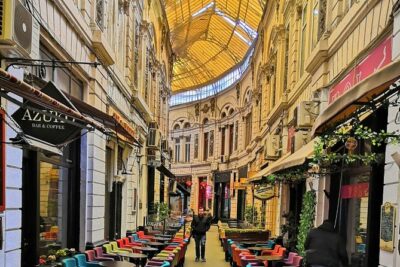
Bucharest Panoramic Sightseeing – Private City Tour
Read our review →
THERME “Take It Easy” Pack: Full Spa Access + Private Transfers
Read our review →
Piatra Craiului National Park Private Hiking Tour from Brasov
Read our review →