Reviewed · PRIVATE
15 Days Private Tour in Romania, Moldova and Transnistria
This route makes Romania feel personal, not postcard-deep. I like that it mixes major landmarks with the everyday feel of rural life, then links it all with Moldova and Transnistria for a real change of pace. You also get a private licensed English-speaking guide/driver, so the story behind each site lands clearly, not as a rushed script.
One thing to plan for: the big headline sites can still mean extra budgeting, because entrance fees are listed as not included, and lodging and meals are also not included in the package cost shown.
In This Review
- Key highlights you should know before you go
- Bucharest power, people, and monuments that actually matter
- Curtea de Arges, Poienari, and the Transfagarasan Highway timing reality check
- Medieval masterpieces in Transylvania: Corvin Castle, Densus Church, and Sarmizegetusa Regia
- Brasov plus castles: Black Church, Bran folklore, and Peles royalty
- Viscri, Rupea, and Sighisoara: Saxon fortifications with real atmosphere
- Salt air, gardens, and wooden church artistry near Cluj
- Maramures: Merry Cemetery humor plus resistance memory
- Barsana Monastery, Tihuța Pass, and painted houses in Ciocănești
- Bukovina’s painted monasteries: Voroneț blue and fortified church survival
- Iași and Târgu Neamț area: Nicolae Popa’s naive sculpture story
- Into Moldova and Transnistria: Tiraspol monuments and the feel of a different state
- Cricova Winery and Chisinau cathedral history
- Brăila Bridge and the Danube Delta, then Black Sea architecture and beach time
- Price and logistics: how $5,209.21 can feel like value or pressure
- Who should book this tour, and who might want a simpler plan
- Should you book it?
- FAQ
- How long is the tour?
- Where does the tour start?
- Is this a private tour?
- Do you get pickup?
- Is transportation included?
- Is the guide available for the whole trip?
- Are entrance fees included?
- Is accommodation and meals included?
- Is Transfăgărășan Highway open year-round?
- What is included for the later parts of the trip?
Key highlights you should know before you go
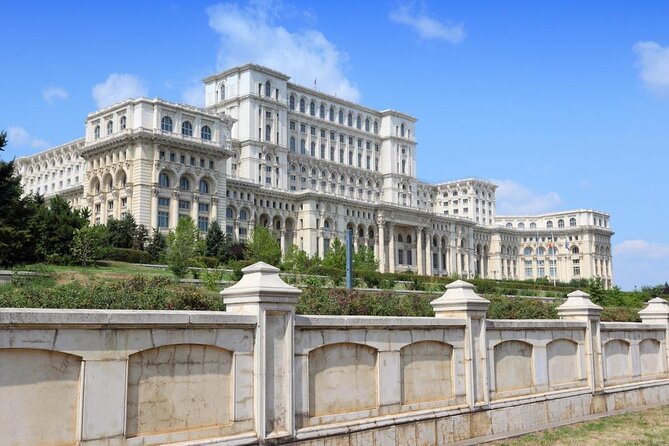
- Bucharest with contrast, from the Palace of Parliament to Old Town corners like Hanul lui Manuc
- Carpathian road views, including the seasonal Transfagarasan Highway
- Castles and fortified churches across Transylvania, Bukovina, and beyond
- Maramures tradition in motion, from Barsana Monastery to the Merry Cemetery in Sapanta
- Moldova cellar life and postwar church history, Cricova Winery and the Nativity Cathedral
- Danube Delta time, a full day in the best-preserved delta in Europe
Other Bucharest days worth the drive
- Bucharest: Dracula’s Castle, Peles Castle, & Brasov Old Town★ 4.5 · 17,858 reviews
- Bucharest: Dracula Castle, Peles Castle & Brasov Old Town★ 4.6 · 10,891 reviews
- Bucharest: Dracula’s Castle, Peleș Castle & Brașov Day Trip★ 4.4 · 6,100 reviews
- Bucharest: Palace of Parliament Tickets and Guide★ 4.3 · 3,182 reviews
Bucharest power, people, and monuments that actually matter
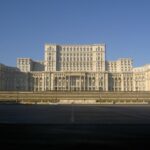
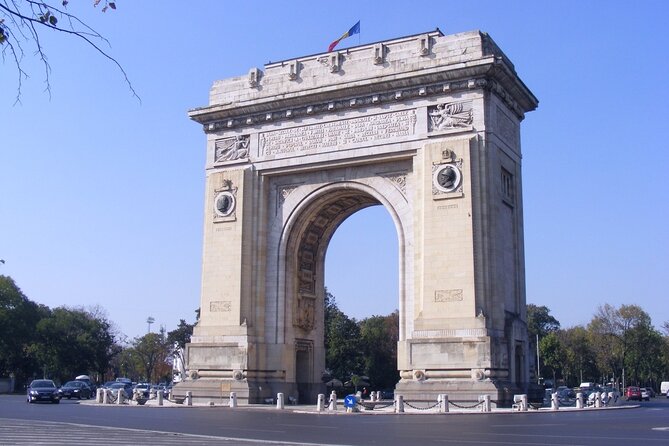
Bucharest hits you fast, then it sticks. You start at the Palace of Parliament, also called the People’s House, a building so large and heavy with symbolism that you’ll feel physically small standing before it. The tour also includes time at the Romanian Athenaeum, a classic cultural icon, plus a visit to the National Village Museum, where Romanian village life is shown in a single focused place.
Then you shift to the Revolution Square area, tied to the 1989 fall of Nicolae Ceaușescu. Even the stop descriptions make it clear you’re meant to understand how oppressive systems can scar a country, not just see architecture. If you want a break from the big statements, the Historic City Centre walk gives you the human scale of Bucharest, including Hanul lui Manuc, an old fortified inn with a story tied to commerce and travelers.
Practical note: some Bucharest admissions are marked included (like the Parliament, Village Museum, and Athenaeum), while other parts are free. That helps you manage your budget in the first day when you’re still adjusting.
Curtea de Arges, Poienari, and the Transfagarasan Highway timing reality check
From Bucharest you move into Wallachian territory, starting with Curtea de Argeș Monastery, known for royal tombs and the ruins of a princely court. It’s a good early choice because it teaches you what power looked like before big empires and propaganda machines. The time on Poienari Fortress is shorter, but it connects to the Vlad story through the cliff-top ruins and the famous escape legend.
After that, you get the road experience: the Transfăgărășan Highway. This is the kind of stop that makes people plan their Romania trip around a drive, because the route is famous and the scenery is the point. Just be strict about timing. The road is fully open only from June to October, and the highest point listed is 2,042 meters near Lake Bâlea.
If you’re traveling outside that window, you may still see viewpoints and related areas, but you should treat this day as a seasonal gamble. It’s not a reason to cancel. It’s a reason to align your dates with what you really want to experience.
Medieval masterpieces in Transylvania: Corvin Castle, Densus Church, and Sarmizegetusa Regia
This section is for people who like their history carved into stone. Corvin Castle, also known as Hunyadi or Hunedoara Castle, is described as Gothic-Renaissance and one of Europe’s largest castles. Even with limited time, it’s the kind of site that makes you slow down, because the scale and design feel theatrical.
Then you go to Densuș Church, noted as the oldest stone church in Romania, built in its present form in the 13th century and sitting on the site of an earlier Roman temple. Inside, mural paintings from the 15th century are highlighted, including Jesus shown in Romanian traditional clothes. That detail makes the church feel less like a museum object and more like a living layer of local culture.
Finally comes Sarmizegetusa Regia, the Dacian capital and key religious, military, and political center before the Roman Empire wars. It’s built on a 1,200-meter mountain, and the site is part of a defensive system in the Orăștie Mountains. If you like to understand history as geography, this stop connects it all: elevation, defense, and the way people organized space.
Different day out, same corner of Romania:
Brasov plus castles: Black Church, Bran folklore, and Peles royalty
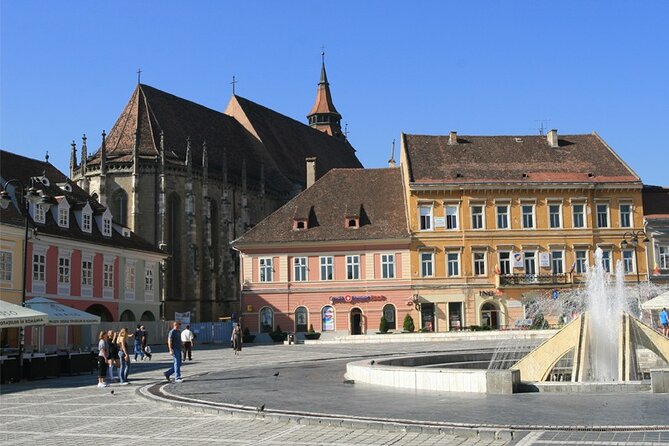
Brasov is a sweet mix of old town walking and big-ticket monuments. The tour includes time at the Black Church and the Old Town square, plus city walls from the Middle Ages. The free time component matters here. Brasov is easier to enjoy when you can wander, pause for coffee, and decide where you want to linger.
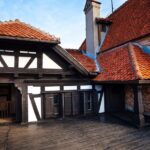
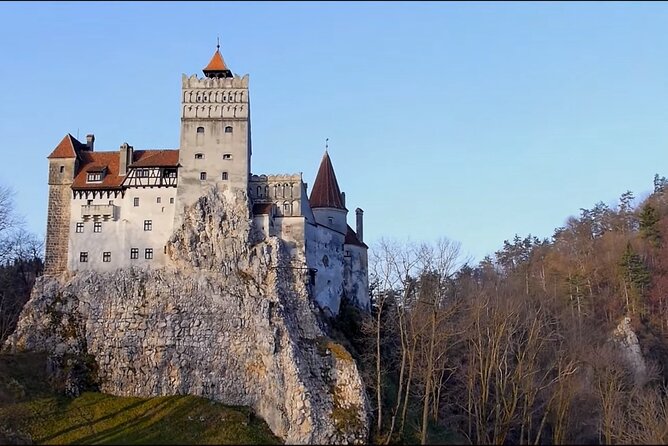
Bran Castle is next, and the framing is balanced: myth and history side by side, plus the Dracula connection that brought global attention. The food angle is part of the day too, with mentions of handmade cheeses, pălincă, and regional ham and sausages. That kind of stop works because it prevents Bran from being only a legend-chasing exercise.
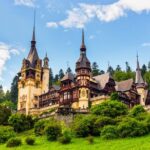
Then you hit Peles Castle, the Romanian royal family’s summer residence. People talk about this castle a lot for a reason, and the tour time is positioned so you can see enough to form your own opinion without feeling rushed. If you like craftsmanship and royal-era design, this is one of the most straightforward “yes, do it” moments on the whole trip.
Viscri, Rupea, and Sighisoara: Saxon fortifications with real atmosphere
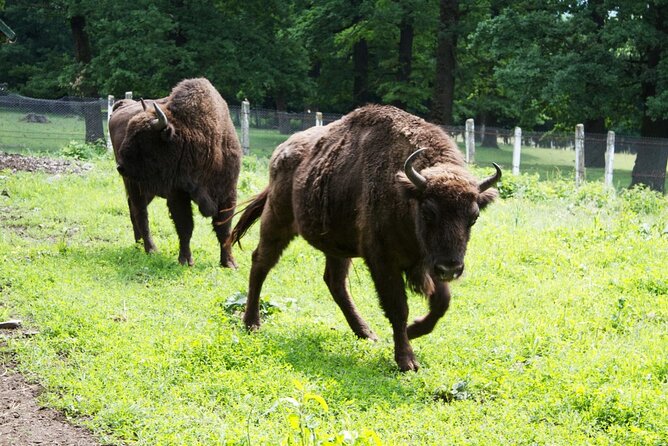
Transylvania’s medieval feel gets more specific here. The visit to Viscri Fortified Church is about community history, starting with early references and moving through phases tied to the Szekler population and then German colonists. You’re also told what fortification looked like in practice, including partial preservation and changes over time.
Rupea Fortress adds a different flavor. It’s on a 120-meter basalt cliff and was built by Transylvanian Saxons. It’s also been restored in recent years, so you’re not looking at pure ruins. The tour description points out it’s visited by more than 10,000 tourists monthly, which gives you a hint about popularity on this route.
Sighisoara is the last piece of this puzzle. The stop includes the Clock Tower and Arms museum, plus the Old Town atmosphere of a citadel that has remained inhabited for over 700 years. That “still lived-in” element is why Sighisoara feels different from many fortress sites in Europe. It doesn’t just exist. People keep using it.
Salt air, gardens, and wooden church artistry near Cluj
After castles and fortified sites, you get a breath of something different: Salina Turda. The salt mine is described as visually memorable and also good for breathing, with claims about purified saline air helpful for people with allergies or asthma. Even if you’re not chasing health benefits, the mine experience is a rare one in Romania, because it’s active and atmospheric, not just a static monument.
Then the tour shifts into a city tour style stop around Cluj. The focus is on the Old City center’s architecture, with Baroque, Renaissance, and Gothic touches and the note that some buildings date back to the 17th century. If you like food culture, the tip about restaurant lines is useful. It signals you’ll likely want flexibility around meal timing.
The day ends at Surdesti Wooden Church, where craftsmanship is the headline. The tour notes the church’s towers measure around 54 meters and it was built in 1721. That combination of size and age makes it more than a cute village stop. It’s engineering you can see, built with timber long before modern tools.
Maramures: Merry Cemetery humor plus resistance memory
Maramures is the part of this trip that turns culture into lived visuals. Sapanta’s Merry Cemetery is included, and it’s described as humorous through colorful crosses and tombstones with poems about the deceased. That sounds playful, but it also teaches you a cultural difference in how people approach grief, humor, and memory.
Right after that emotional contrast, you visit the Memorial of the Victims of Communism and of the Resistance. This is where the trip stops being only scenic and becomes more reflective. The tour framing stresses how damaging totalitarian rule was and how much pain came quickly. It’s an important counterweight to all the fortress stone and castle drama.
If you’re someone who likes museums, speeches, and context, this pair will feel purposeful. If you dislike heavier days, just know this is intentionally emotional.
Barsana Monastery, Tihuța Pass, and painted houses in Ciocănești

The wooden church theme continues with Barsana Monastery, highlighted as one of the tallest wooden churches in Romania at about 57 meters. The tour description also points you toward a small sensory experience, like walking barefoot through grass, which is less about comfort and more about how the place asks you to slow down and feel the setting.
Next comes the mountain pass at Tihuța. It’s famous through Dracula fiction references, and the tour notes Bram Stoker likely found the name on a contemporary map and never visited the area. That kind of detail helps you keep the folklore grounded. You’re also told there’s a Hotel Castel Dracula at 1,116 meters, so this stop can work for photos and viewpoint vibes even if you do not plan to stay.
Then you visit Ciocănești, known for painted houses with traditional motifs along the Golden Bistrița River. The village is described as surrounded by pine spruce forests and meadows, and it’s close to Vatra Dornei. This is one of those stops where a short walk beats a long list of museum facts.
Bukovina’s painted monasteries: Voroneț blue and fortified church survival
Bukovina is where color and spiritual architecture take over. Voroneț Monastery is framed as the Sistine Chapel of the East, with frescoes in an intense shade of blue known in Romania as Voroneț blue. The tour also mentions it was built over about three months and three weeks to commemorate a victory, which gives the art a specific historical reason to exist.
Humor Monastery follows, described as a fortified monastery that survived centuries. This one is valuable because it shows how faith sites were built to withstand danger, not just serve worship.
Sucevita Monastery is next and it’s included because of the wall paintings that tell biblical scenes in a vivid, teachable way. The tour description also ties it to UNESCO status. Moldovița Monastery rounds out the set, noted for a fortified church and mural art on both inside and outside, built in 1532 with blended Byzantine, Gothic, and Moldavian influences.
If you’re thinking about what to prioritize in this tour, these monasteries are the core. The route keeps them spaced enough that they don’t become copy-paste decoration.
Iași and Târgu Neamț area: Nicolae Popa’s naive sculpture story
Not every day in this trip is a major monument. The Popa Museum stop adds a more personal, maker-focused layer. It’s described as founded in the 1970s in the sculptor Nicolae Popa’s own house. After being wounded in World War II and later imprisoned by communists for opposing the regime, he is said to have started creating again as a way to stand by Romanian values.
That’s powerful because it shows culture not as an exhibit, but as a response to pressure. The time allowed is about an hour, so you’ll get enough to understand the creator’s arc without it becoming exhausting.
Then you visit Mănăstirea Trei Ierarhi in Iași, a 17th-century monastery listed as a historic monument and included on a tentative UNESCO list. It’s a calmer stop, more architectural and spiritual than personal narrative, but it keeps you in the same east-Romania mood.
Into Moldova and Transnistria: Tiraspol monuments and the feel of a different state
The Transnistria portion is part of what makes this tour unusual. You go into Tiraspol, described as the second largest city in Moldova and the capital of the independent Pridnestrovian Moldavian Republic, located on the Dniester River banks. The tour framing makes clear that Tiraspol feels modern compared with much of Transnistria, with transport links and hotels.
Two monuments are highlighted. The Suvorov Monument is tied to Russian military history and includes a small square area with flags you won’t see elsewhere. The Tank Monument is described as a reminder of a battle and history tied to the autonomous region of Transnistria and those who lost their lives pursuing their dream.
I appreciate this approach because it avoids treating the region like only political trivia. You learn through physical objects. Still, this is the part of the tour where you should bring curiosity, not assumptions, because the region’s identity is complex and highly sensitive by nature.
Cricova Winery and Chisinau cathedral history
Moldova’s experience shifts from monuments to atmosphere and underground scale. Cricova Winery is presented as the second largest wine cellar in Moldova after Milestii Mici. The key detail is size: 120 kilometers of labyrinthine roadways, with tunnels existing since the 15th century and converted into wine storage in the 1950s. The depth is also specific, going down to 100 meters and holding about 1.25 million bottles of rare wine.
This is valuable for two reasons. First, you get a wine story that’s tied to geography and engineering. Second, the stop helps you understand how Moldova’s identity can be built around less obvious places than grand monuments.
Then you go to the Nativity Cathedral, described as neoclassical and built in the 1830s, with a turbulent history. It was destroyed during World War 2, and when Moldova was part of the USSR and religious services were prohibited, the building was used as an exhibition center. That mix of spirituality and state pressure gives the stop emotional weight without turning it into a lecture.
Brăila Bridge and the Danube Delta, then Black Sea architecture and beach time
The Danube Delta day is long for a reason. The tour description calls it the largest and best preserved of Europe’s deltas, and it lists over 300 bird species and 45 freshwater fish species in the delta’s lakes and marshes. You’re told about pelicans, herons, storks, cormorants, and terns, plus the idea that the delta serves as a staging area for migratory birds and wintering grounds for others.
If birding is your thing, this stop has serious payoff. Even if it isn’t, the scale and preservation angle makes it a meaningful nature day rather than a quick scenic pass.
Before that, the Brăila Bridge stop is more about context. It’s mentioned as under construction since 2019 over the Danube, with a length near 2 kilometers and improvements expected for road traffic accessibility between major areas in Romania and across regions. It’s the kind of “see what’s coming next” moment that gives the trip a present-day angle.
The final day moves to the Black Sea with Carol I Mosque in Constanța, built between 1910 and 1913 and noted for a mix of Egyptian, Byzantine, and Romanian architecture. Then comes Mamaia beach time and a stop at the Cazinoul Constanța, with notes about its long history and earlier Kursal-style wooden origins plus features like a reading hall with French newspapers and terraces.
This ending makes sense because it gives you a clean reset after inland travel. You trade fortresses and frescoes for salt air and a chance to breathe.
Price and logistics: how $5,209.21 can feel like value or pressure
At $5,209.21 per person for a 15-day private tour, this sits in the higher range. The upside is that you’re not sharing a bus with strangers and guessing where to stand. You have a private car for your group only, plus a private licensed English-speaking guide/driver available throughout the tour, and even wireless internet in the vehicle.
But there’s a budget reality check. The listed package does not include accommodation, meals and beverages for you, and entrance fees are listed as not included as per the itinerary. That means the all-in cost can grow once you add lodging choices and ticketed sights.
So I think this is best value if you already plan to travel comfortably and you want to reduce decision fatigue. It’s also best if you care about coverage and want someone to keep the route flowing without you constantly reworking plans.
There’s also a timing caveat worth repeating: Transfăgărășan is fully open only June to October. If you travel outside that range, your experience of that specific drive could be different.
Who should book this tour, and who might want a simpler plan
This works well for couples and small groups who want a private, story-driven route across very different regions, and for history and architecture lovers who prefer guided context. It also fits readers who like variety, because you get castles, fortified churches, village artistry, memorials tied to communism and resistance, Moldova’s wine underground, and a full Danube Delta day.
If you hate long days of movement between stops, this may feel packed. The visit times listed are often between 45 minutes and 2 hours per site, which can add up quickly when you include driving time. You should also be comfortable with the fact that part of the route is politically complex by definition, since Transnistria is on the schedule.
Should you book it?
If you want an organized private route that connects Romania, Moldova, and Transnistria into one coherent journey, I’d say this is a strong match. The combination of a private licensed guide/driver, flexible changes, and a route that includes both UNESCO-adjacent style monuments and more personal cultural stops makes it feel intentional.
Before you book, do your homework on the added costs you will pay yourself, especially lodging, meals, and entrance fees. Also check dates if the Transfăgărășan Highway drive is a top priority. If those two items fit your budget and schedule, this is the kind of trip that gives you a lot more than highlights. It gives you a sense of how people lived, believed, fought, and built across the same region, but under very different circumstances.
FAQ
How long is the tour?
The tour runs for about 15 days.
Where does the tour start?
It starts in Bucharest, Romania.
Is this a private tour?
Yes. It’s a private tour, and only your group participates.
Do you get pickup?
Pickup is offered.
Is transportation included?
Yes. You have a private car (tourism car or minibus) only for you and your friends or family, with all car expenses like gasoline, parking, and road tolls included.
Is the guide available for the whole trip?
Yes. A private, licensed English-speaking guide/driver is available throughout the tour.
Are entrance fees included?
No. Entrance fees are listed as not included, as per the itinerary.
Is accommodation and meals included?
No. Accommodation, meals, and beverages are listed as not included.
Is Transfăgărășan Highway open year-round?
The Transfăgărășan Highway is fully open only from June to October.
What is included for the later parts of the trip?
The tour includes the Danube Delta day, plus stops like Cricova Winery in Moldova, and Constanța area sights such as Carol I Mosque, Mamaia beach time, and Cazinoul Constanța.
Newest Bucharest write-ups
- Half Day Tour in Bucharest
★ 5.0 · 1 review - Private transfer to BRASOV
★ 5.0 · 1 review - Bucharest: Capture the most Photogenic Spots with a Local
★ 5.0 · 1 review - Bucharest Private Custom Walking Tour with Guide (Private Tour)
★ 5.0 · 1 review - Transfer Bucharest to Constanta / Mamaia
★ 5.0 · 1 review - Uncover Transylvania: Private 2-Day Tour Bears & Medieval Wonders
★ 5.0 · 1 review - Private Day Trip to Peles Palace, Dracula’s Castle and Brasov
★ 5.0 · 1 review
Private, compared.

Castles of Transylvania: Private Day Trip from Bucharest
Read our review →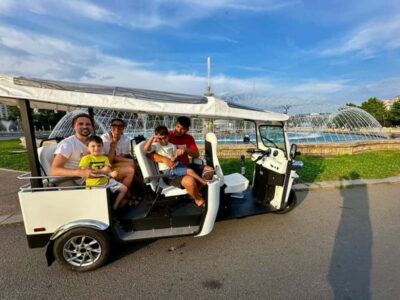
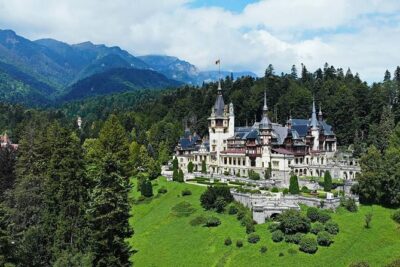
Dracula’s Castle, Peles Castle and Brasov – Private Day Trip from Bucharest
Read our review →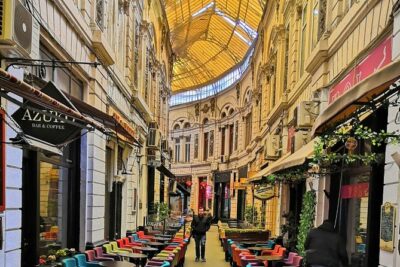
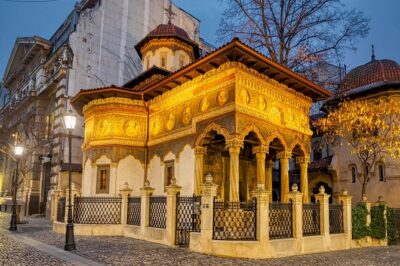
Bucharest Panoramic Sightseeing – Private City Tour
Read our review →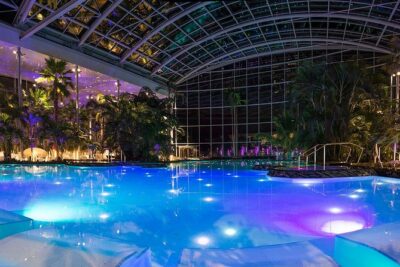
THERME “Take It Easy” Pack: Full Spa Access + Private Transfers
Read our review →
Piatra Craiului National Park Private Hiking Tour from Brasov
Read our review →