
Reviewed · 3-DAY EXPERIENCES
3-Day Medieval Transylvania Package Tour
Transylvania has a way of grabbing you fast. This compact 3-day route strings together the region’s best medieval stops, with enough time in each place to feel the mood, not just check boxes. You start with the Moorish Monastery of Curtea de Argeș, then move through Saxon fortifications, Dracula country, and high-mountain royal architecture. I like that the tour is run as a small group (up to 16), and you travel by car or minibus with an English-speaking driver-guide.
Two things I especially like for your trip: first, the itinerary mixes major landmarks with real medieval texture, like Biertan’s fortified church in a Saxon village and Sighișoara’s still-lived-in citadel. Second, your comfort is handled for you with 2 nights in a 3-star hotel and bed and breakfast, right in the flow of sightseeing.
One possible drawback to plan for: the days are long. Some castle days can mean queues, plus you may spend a good chunk of time riding between towns, so comfortable shoes and patience help a lot.
In This Review
- Key highlights worth planning around
- What you’re really signing up for: a fast tour of medieval Transylvania
- Day 1 start: Curtea de Argeș and Cozia Monastery, then Sibiu by evening
- Sibiu’s old town walk: why the former citadel still feels readable
- Day 2 morning: Biertan fortified church, then Sighișoara’s still-lived-in citadel
- Sighișoara and the value of seeing it as a living place
- Brasov day: Black Church, narrow streets, and Gothic church energy
- Day 3: Black Church, then Bran Castle for the Dracula connection
- Sinaia and Peleș Castle: royal architecture with a timeline of 1875 to 1914
- Sinaia Monastery: 17th-century origins and two church spaces
- Hotels and comfort: 3-star bed-and-breakfast that fits the pacing
- Transportation, timing, and the “long days in the van” reality
- Price and value: is $588 a fair deal for this 3-day loop?
- Who this tour fits best, and who should look elsewhere
- Should you book this 3-Day Medieval Transylvania tour?
- FAQ
- What is included in the tour price?
- Are entrance fees included?
- Are lunch and dinner included?
- Is pickup from hotels in Bucharest included?
- Is there a single traveler fee?
- When is Peleș Castle closed?
- Is the Clock Tower in Sighișoara open every day?
- How big is the group?
- Is this tour suitable for children?
- What are the cancellation and payment options?
Key highlights worth planning around
- Moorish Curtea de Argeș: a surprising 1514 monastery style that feels out of place in Romania, in the best way
- Cozia Monastery’s medieval art: a smaller stop that’s important for understanding Romanian medieval culture
- Biertan fortified church: one of the biggest and best-preserved Saxon church-fortresses in the region
- Sighișoara’s populated medieval citadel: rare “still living” medieval streets, plus clock-tower views when open
- Bran Castle plus Dracula context: you’ll see the famous castle grounds and museum, not just the name
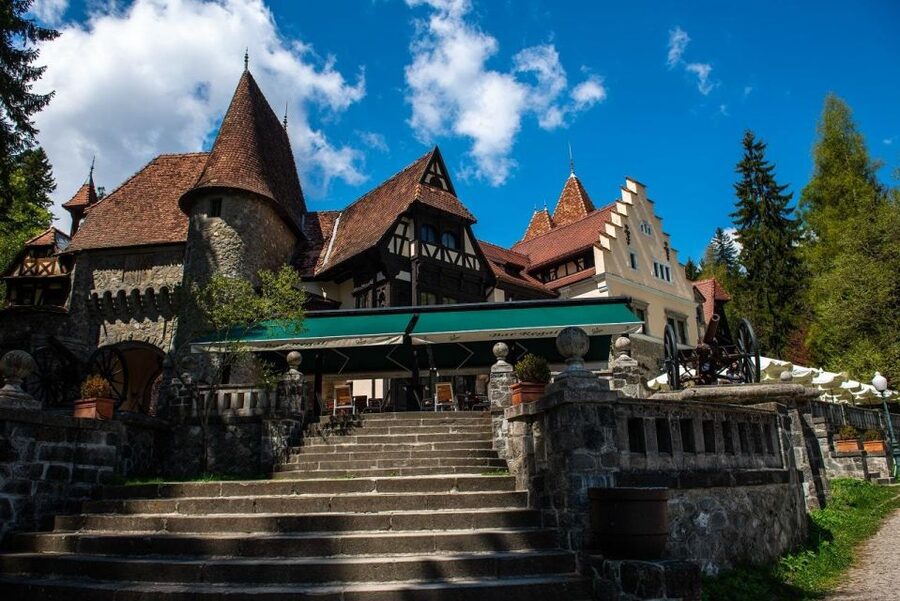
- Peleș Castle and Sinaia Monastery: royal Neo-Renaissance elegance, then 17th-century spiritual architecture
Other Bucharest days worth the drive
- Bucharest: Dracula’s Castle, Peles Castle, & Brasov Old Town★ 4.5 · 17,858 reviews
- Bucharest: Dracula Castle, Peles Castle & Brasov Old Town★ 4.6 · 10,891 reviews
- Bucharest: Dracula’s Castle, Peleș Castle & Brașov Day Trip★ 4.4 · 6,100 reviews
- Bucharest: Palace of Parliament Tickets and Guide★ 4.3 · 3,182 reviews
What you’re really signing up for: a fast tour of medieval Transylvania
This is a 3-day package that runs on a simple idea: if you have limited time, you can still cover the key “wow” places in Transylvania without extra hotel hunting or complicated logistics. You’ll be moving between Mureș County and neighboring areas, with overnight stays in the tour’s main base towns.
The price is $588 per person, and the value comes from what’s wrapped in: transport by car or minibus, parking and fuel, an English-speaking driver-guide, and 2 nights in a 3-star hotel with breakfast. Entrance fees and lunch or dinner are not included, so you should mentally budget for meals and ticket lines. If you want a guided route that removes the stress of driving and routing yourself, this format tends to work well.
Also, small group matters here. With a maximum of 16, you can ask questions and get real time with the guide, and you’re less likely to feel like a human being inside a factory line. You should still expect long travel days, though. It’s just the price of covering Sibiu, Biertan, Sighișoara, Brasov, Bran, and Sinaia in 3 days.
One more practical note: depending on departure day, the order can shift. Saturday and Sunday departures run in reverse order, which can affect how long you feel you have in each town.
Day 1 start: Curtea de Argeș and Cozia Monastery, then Sibiu by evening
Your day begins with the Moorish Monastery of Curtea de Argeș, built in 1514 by Wallachian ruler Prince Neagoe Basarab. That detail matters because it explains why this monastery feels like a visual curveball. You expect medieval Romania to look one way, then you see this Moorish-influenced style and it makes the story click: medieval cultures traveled, borrowed, and adapted across borders.
Next comes Cozia Monastery, smaller but deeply significant. It’s described as one of Romania’s most important monuments of national medieval art. What I like about starting with these two sites is that you get two different lenses on medieval spirituality and culture, before you ever hit the Saxon and Transylvanian urban world.
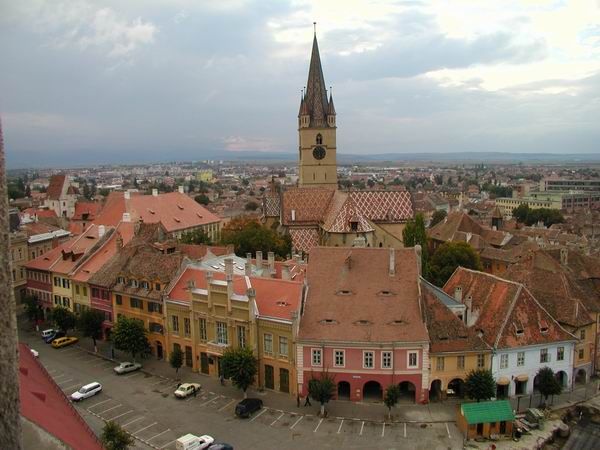
After a traditional Romanian lunch, you drive to Sibiu, the historic capital of the Principality of Transylvania. Sibiu’s old town was once a German medieval citadel with records dating back to 1191, and you get a walking tour through the older core. The point of the walking tour is not just photos. It’s getting your bearings fast: street lines, central squares, and the way the old city feels designed for defense and trade, even when it now hosts visitors.
You’ll also enjoy a traditional Romanian dinner, then sleep in the Sibiu town center. For many people, that matters a lot. Staying in the center reduces the “time tax” of commuting at the start and end of the day.
Sibiu’s old town walk: why the former citadel still feels readable
Sibiu is one of those places where a guided walk helps more than it sounds. The city has documentation dating back to the 12th century era, and your time on the ground is focused on historic buildings and the old-town layout. If you like medieval cities that still feel walkable and coherent, you’ll get that here.
Even the way the tour is structured supports this. You reach Sibiu in the afternoon, stroll it with a guide, then return for dinner. That rhythm keeps you from arriving, seeing a blur of buildings, and moving on before anything connects.
A couple of practical thoughts:
- Bring comfortable shoes. You will be on your feet for the walking tour.
- If you’re traveling on a day when the itinerary runs in reverse order, your “first impressions” might shift. The city is still the city, but your pacing might feel slightly different.
Different day out, same corner of Romania:
Day 2 morning: Biertan fortified church, then Sighișoara’s still-lived-in citadel
You head from Sibiu toward the Biertan commune, part of a Saxon settlement area known for fortified churches. Biertan’s fortified church is a standout: it’s described as the largest fortified church in Transylvania, built between 1490 and 1524. When you tour a place like this, you’re not just seeing a church, you’re reading a survival strategy made into architecture.
This is also where the tour gives you medieval practicality. Fortified churches reflect how communities protected themselves, and in Biertan you can see why these churches were strong points, not simply meeting rooms. The tour includes time touring the Saxon village and its fortified-church setting.
Then you move to Sighișoara, whose medieval citadel dates back to 1280. A key detail here is that it’s home to the only medieval citadel in Europe still populated. That one sentence changes how the place feels. Instead of a fenced-off museum zone, you get streets and homes that function as everyday living space.
During your walking tour, you visit the Clock Tower for panoramic views across the ancient houses. The tower being open matters, because the provided information says it’s closed on Mondays. If your departure lands on a Monday, you may still see the citadel, but you should be aware the clock-tower viewpoint can be off the menu.
Sighișoara and the value of seeing it as a living place
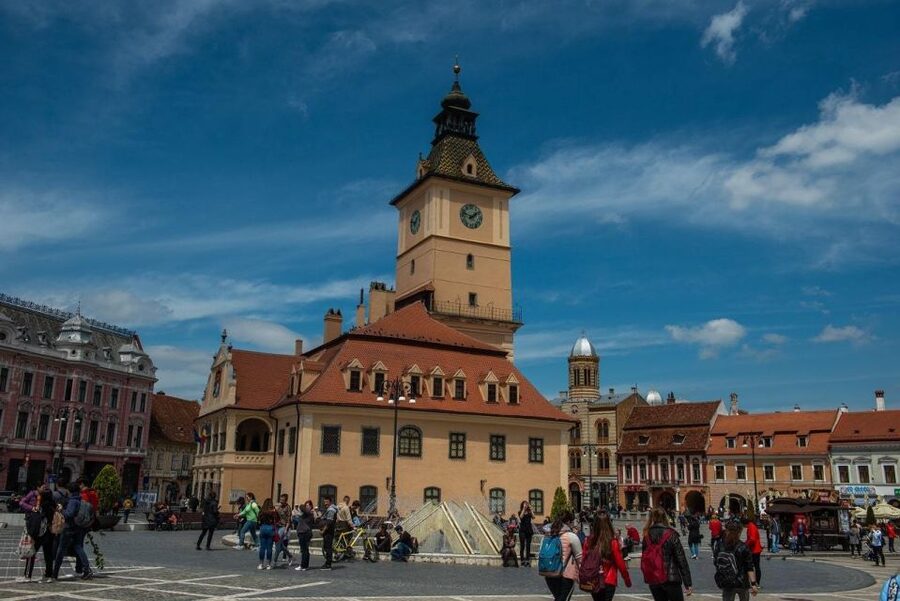
I like Sighișoara because it doesn’t pretend to be dead history. Medieval streets can feel theatrical when they’re staged for tourists, but a still-populated citadel tends to feel more human. Even on a time-limited tour, that difference shows up quickly when you’re walking and seeing how the town holds daily life inside older walls.
The walking tour format keeps it realistic. You get a route through the citadel, then the clock-tower stop gives you a “big picture” view to lock it all in.
Brasov day: Black Church, narrow streets, and Gothic church energy
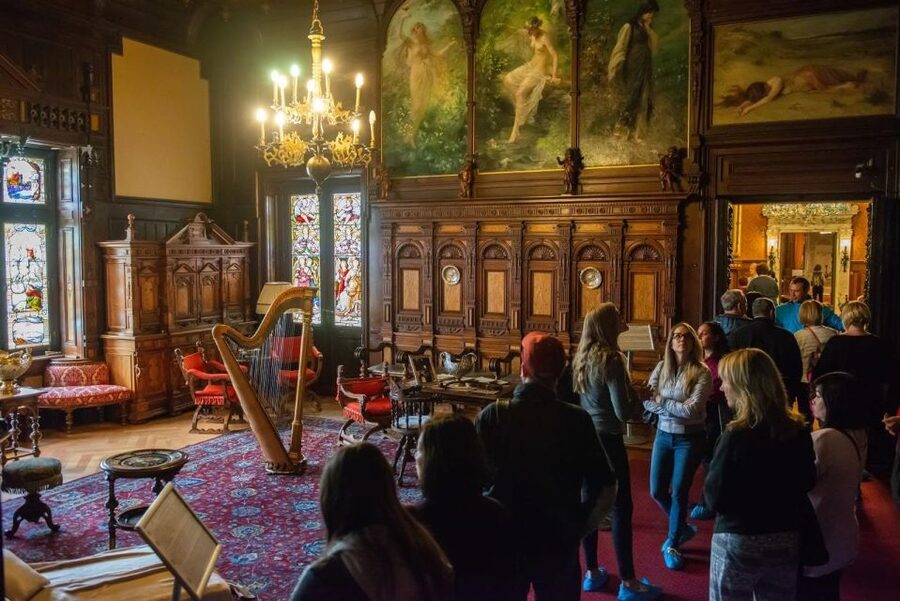
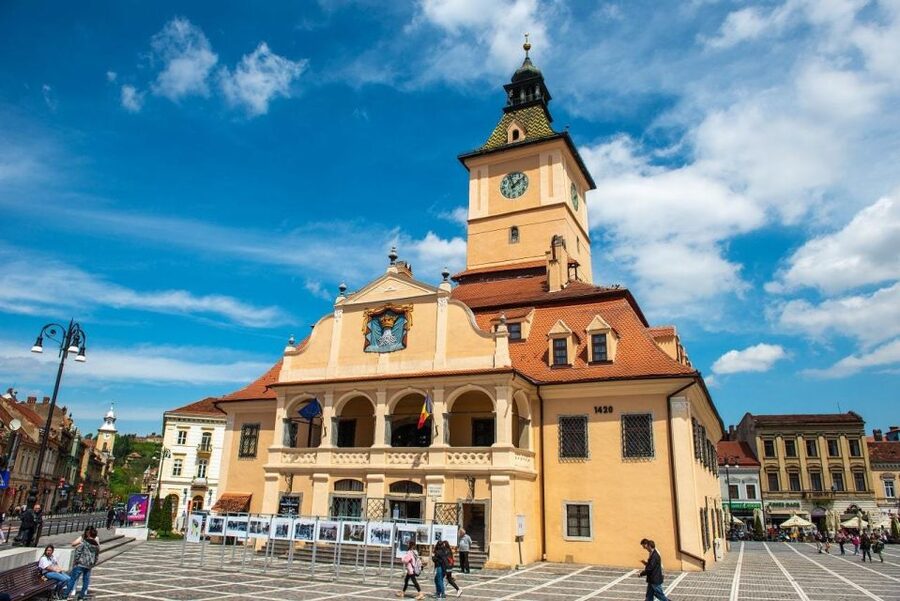
After lunch time, the route takes you to Brasov, in the Southern Carpathians area. Brasov is described as a town with beautiful Gothic churches and medieval buildings, plus a guided walking tour that includes the narrowest street in Romania. That narrow street is the kind of detail that helps you remember Brasov as more than a stop on the way to Bran.
Your third-day starts with the Black Church in Brasov, built in 1383 and described as the most important tourist site in Brasov. So the tour gives Brasov an extra layer by tying it to a major landmark both by the itinerary and by its placement at the start of the final day.
One practical consideration: castle and museum days can come with queues. The tour includes time for guided walking and set stops, but if you hit busy hours, you should expect some waiting at popular sites. That’s not something you can avoid entirely, especially when everyone arrives at similar times.
Day 3: Black Church, then Bran Castle for the Dracula connection
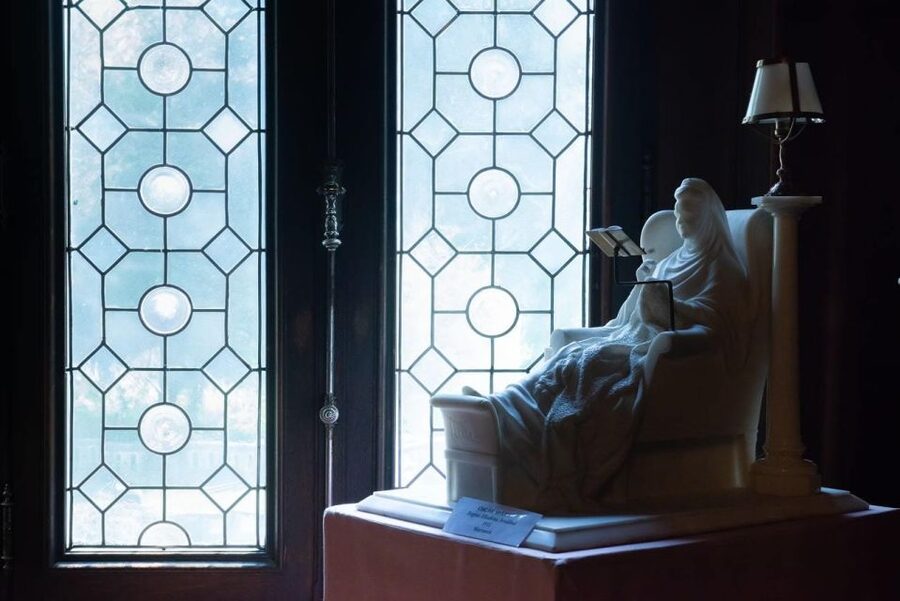
You begin with the Black Church built in 1383. It’s the kind of landmark that grounds you in medieval urban life before you jump to the world-famous Dracula story. Whether or not you’re a hardcore Dracula fan, this helps because it shifts the tone from pop-culture legend back toward historical place.
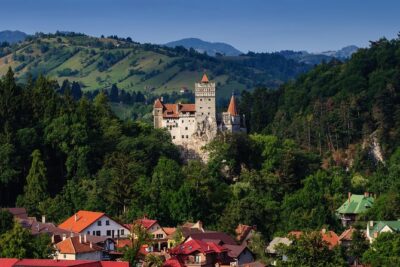
From Brasov you drive to Bran Castle, perched on the border between Transylvania and Wallachia. The tour describes it as commonly linked with Bram Stoker’s Count Dracula. You’ll explore the castle grounds and the museum, then continue for traditional lunch.
Here’s what you should watch for when you’re planning your expectations. Bran is famous, so it’s also a magnet for crowds. The overall payoff can still be excellent because you’re seeing a castle setting in a dramatic location. But it’s worth going in with an eye for pacing, and a willingness to wait a bit.
Sinaia and Peleș Castle: royal architecture with a timeline of 1875 to 1914
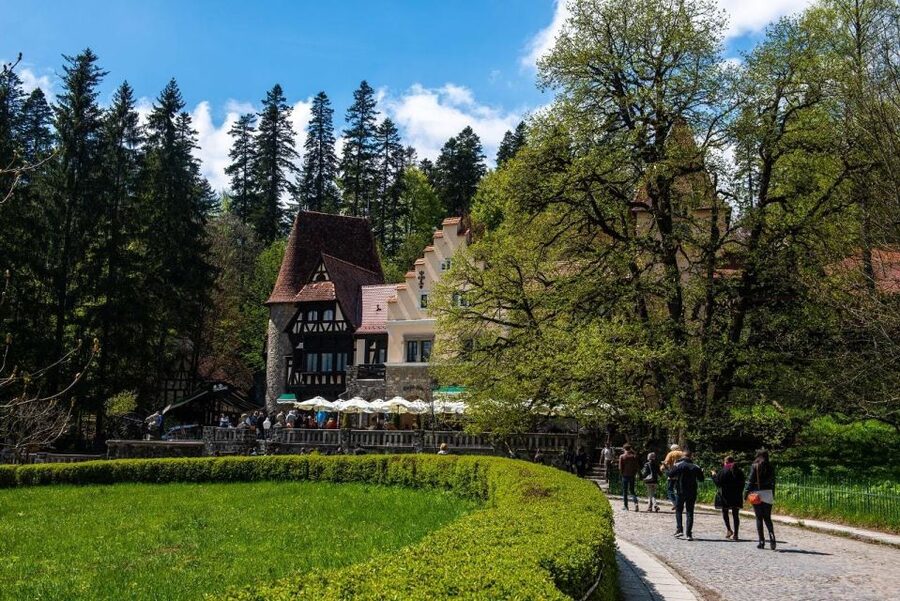
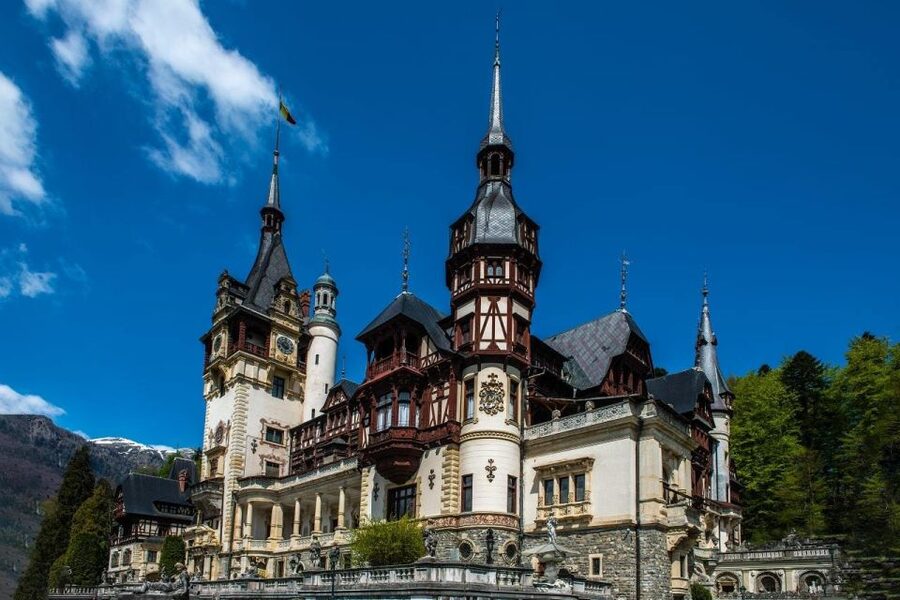
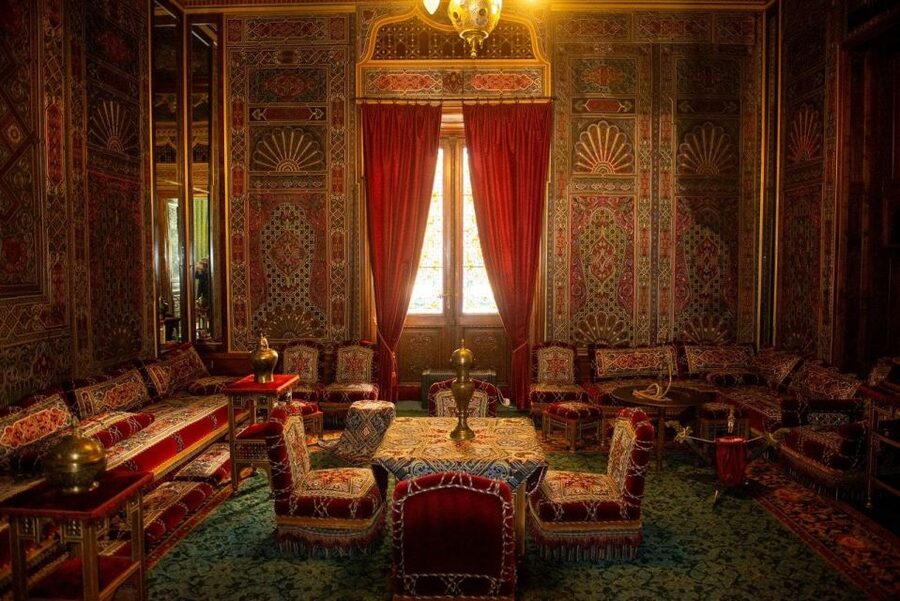
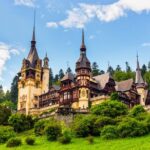
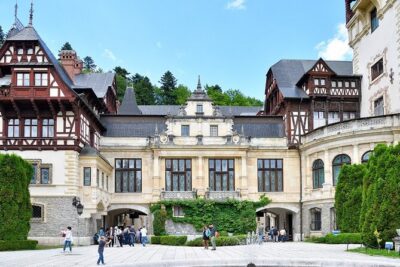
After Bran, you head to Sinaia, a mountain resort in the Prahova River valley. Sinaia is your shift from medieval fortification to royal-era style. You visit Peleș Castle, built by Carol I, described as the first king of Romania. The castle is Neo-Renaissance, built between 1875 and 1914, and the tour includes time to see its exquisite building.
There’s also an important scheduling detail: Peleș Castle is closed on Mondays and Tuesdays. If your departure falls on those days, the tour order may shift (especially since weekend departures run reverse order), but you should still treat this closure as a real factor in what you can expect to see.
Sinaia Monastery: 17th-century origins and two church spaces
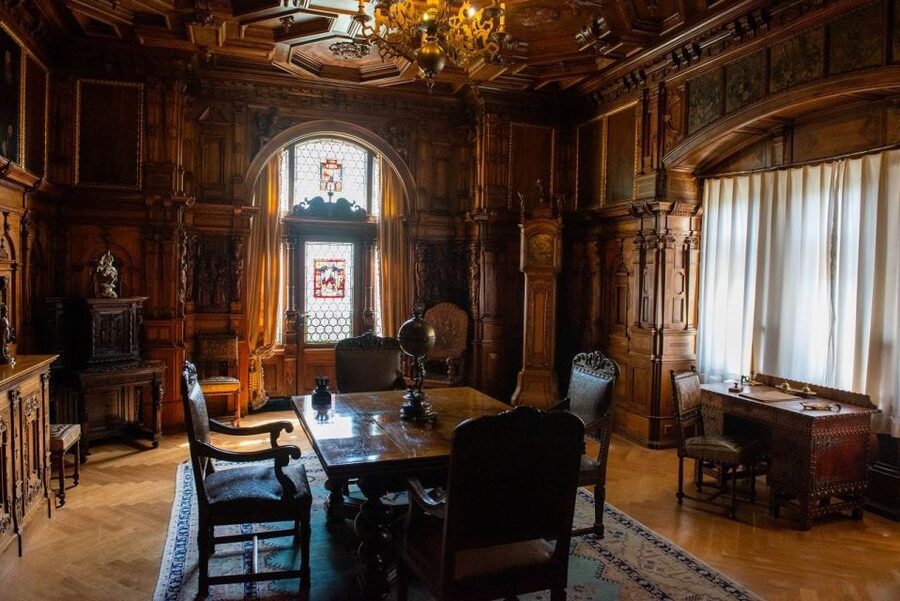
The day ends at Sinaia Monastery, founded by Prince Mihail Cantacuzino in the 17th century after his return from a pilgrimage to Mount Sinai. It includes visits to both the Old Church and the 19th-century Great Church.
This stop gives you closure in a different way than Bran does. Bran is about legend and fortress mood. Sinaia Monastery is about continuity: a religious place with a timeline, where older and newer parts sit side by side.
If you want a tour that ends with something reflective and calm after the busier castle sites, this is a strong finish.
Hotels and comfort: 3-star bed-and-breakfast that fits the pacing
You stay in 3-star hotels for 2 nights, with breakfast included. The emphasis is on practical comfort, not luxury. In at least one recent experience, hotels were described as the right size, not overly big, with very good breakfasts.
For most people, that’s the sweet spot on a tight sightseeing route. You need sleep, showers, and a solid morning meal before another long travel day. The hotel locations also matter: Sibiu is in town center, and the schedule places you in Brasov with an overnight stay before the final stretch.
Transportation, timing, and the “long days in the van” reality
This tour is by car or minibus, with English-speaking driver-guide service. Parking and fuel costs are included, so you avoid the annoying parts of self-drive planning.
Still, you should understand the rhythm: you’ll spend time on the road between major towns. One review even points out long vehicle time and standing in queues for restrooms and entrances at busy sites like Peleș and Bran. Another review notes that some guides may comment on locations only when you arrive, which can leave you wanting more context while you’re passing through the countryside.
The practical fix for this is simple: use the ride time to take in the general feel, and be ready with questions. If your driver-guide is the more talkative type, you’ll get a lot out of it. If not, you can still get value by asking about the next stop as you approach.
Also, note the itinerary can run in reverse order on weekends. That doesn’t automatically make it better or worse, but it can change which day feels “heavier” in terms of travel and queues.
Price and value: is $588 a fair deal for this 3-day loop?
At $588 per person for 3 days, you’re paying for a guided route that includes:
- car or minibus transport
- parking and fuel
- an English-speaking driver-guide
- 2 nights in a 3-star hotel with breakfast
Entrance fees and your lunches and dinners are not included. So the real total cost depends on ticket prices and how much you choose to eat at each stop.
Where this price tends to make sense is for people who:
- want to avoid driving across multiple towns
- like structured sightseeing with an expert guiding the route
- value small-group pacing rather than a huge coach crowd
It may feel expensive if you’re comfortable with self-guided travel and you don’t care about guided walking tours. But if you’re the type who wants to show up, get the context, and move on with minimal hassle, the included transport and lodging coverage usually feels worth it.
One more cost consideration: single travelers pay an additional €60 fee in cash to the guide at the beginning of the tour. If you’re splitting costs or traveling with a partner, that fee disappears into group dynamics. If you’re solo, plan for it.
Who this tour fits best, and who should look elsewhere
This tour fits best if you want:
- a medieval-heavy 3-day sampler without extra planning
- guided walking in old towns like Sibiu
- fortified-church and citadel experiences that feel grounded, not staged
- a mix of legend (Bran) and real monuments (Monasteries and castles)
It’s not suitable for children under 7, and it’s not suitable for people with mobility impairments. Pets are not allowed, so plan for that too.
If you like slow travel with long free time in each town, you may find the schedule intense. But if you’re aiming to cover the core Transylvania highlights in one coordinated trip, this format is a sensible choice.
Should you book this 3-Day Medieval Transylvania tour?
I’d book it if you want medieval Transylvania as a guided circuit with hotel beds ready, transport handled, and the key stops grouped logically over 3 days. The standout value comes from stacking major sites that would be a pain to organize yourself, like Curtea de Argeș, Cozia Monastery, Biertan’s fortified church, Sighișoara’s citadel, Brasov, Bran, and Sinaia with Peleș.
I would think twice if any of these are dealbreakers for you:
- you hate long drive days and queue time
- you rely on specific weekday openings, like Peleș being closed on Mondays and Tuesdays
- you need lots of unscheduled free time in each town
If you go in prepared, the tour’s pacing actually helps. You leave each day with a clear sense of place, from Moorish-influenced monastery architecture to Saxon fortress strategy, then royal castle elegance and monastery calm. That mix is exactly what makes this kind of Transylvania sampler so satisfying when your time is limited.
FAQ
What is included in the tour price?
The tour includes transportation by car or minibus, parking and fuel, an English-speaking driver-guide, and 2 nights in a 3-star hotel with breakfast.
Are entrance fees included?
No. Entrance fees are not included.
Are lunch and dinner included?
No. Lunch and dinner are not included.
Is pickup from hotels in Bucharest included?
Yes. Pickup is included from hotels in Bucharest.
Is there a single traveler fee?
Yes. Single travelers need to pay an additional €60 fee in cash to the guide at the beginning of the tour.
When is Peleș Castle closed?
Peleș Castle is closed on Mondays and Tuesdays.
Is the Clock Tower in Sighișoara open every day?
No. The Clock Tower in Sighișoara is closed on Mondays.
How big is the group?
The tour is a small group limited to 16 participants.
Is this tour suitable for children?
No. It is not suitable for children under 7.
What are the cancellation and payment options?
There is free cancellation up to 24 hours in advance for a full refund, and you can reserve now and pay later.
Newest Bucharest write-ups
- Half Day Tour in Bucharest
★ 5.0 · 1 review - Private transfer to BRASOV
★ 5.0 · 1 review - Bucharest: Capture the most Photogenic Spots with a Local
★ 5.0 · 1 review - Bucharest Private Custom Walking Tour with Guide (Private Tour)
★ 5.0 · 1 review - Transfer Bucharest to Constanta / Mamaia
★ 5.0 · 1 review - Uncover Transylvania: Private 2-Day Tour Bears & Medieval Wonders
★ 5.0 · 1 review - Private Day Trip to Peles Palace, Dracula’s Castle and Brasov
★ 5.0 · 1 review
3-Day Experiences, compared.
3-Day Tour of Transylvania’s Landmarks from Bucharest
Read our review →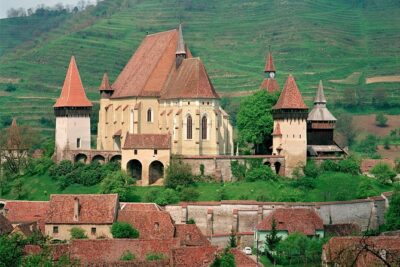
3-Day Private Tour of Medieval Transylvania from Bucharest
Read our review →
3 Days Private Tour in Romania from Bucharest with Tour Guide
Read our review →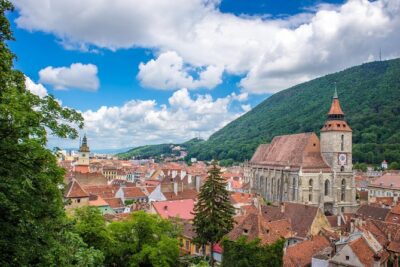
Medieval Transylvania: Shared 3-Day Tour from Bucharest
Read our review →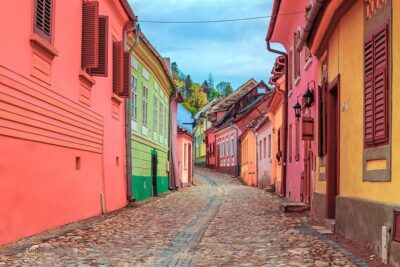
3-Day Tour from Bucharest: Transylvania Villages and Medieval Towns
Read our review →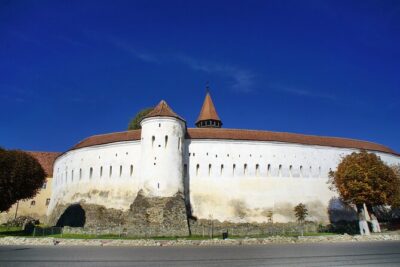
3 Days UNESCO Tour of Transylvania. Private tour from Bucharest
Read our review →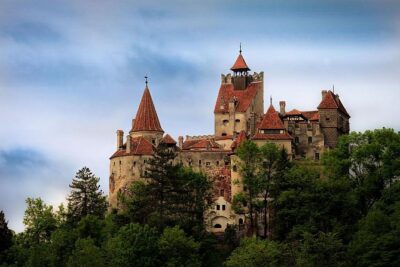
Browse the lists this tour appears in