
Reviewed · BULGARIA DAY TRIPS FROM BUCHAREST
7 days in Balkans: Bulgaria Macedonia Albania Bosnia Serbia
One week, many borders, zero guesswork. This is the kind of trip that turns a map into a story, with private transport and written info to help you follow what you are seeing. I also love the fast pace with free-time options in major cities, so you can focus on the big sights without feeling lost, and you get a guide who is also your driver. The possible drawback is simple, it is a lot of driving and a lot of stops, so you have to be okay with moving each day.
Your route starts in Bucharest at 9:00 am and keeps rolling through the Balkans until you land back in Romania. You will get a driver-guide for the trip, and the guide can only do full guiding in Romania, while in other countries he acts as a group leader. In the best way, this keeps the day-to-day flow smooth, and in the reviews you can see why, with Sebastian singled out as a safe driver who shared smart stories along the way.
If you want a checklist vacation, this is that, but done with context. If you want everything slow and thoughtful, you might prefer a calmer route with fewer cities.
In This Review
- Key highlights worth your attention
- Why this Bucharest to Balkans route hits so hard
- Price and value: what the $2,418 includes, and what it does not
- The driving rhythm: how this tour keeps you moving without losing your bearings
- Day 1: Veliko Tarnovo and Sofia, the Bulgarian story in two speeds
- Day 2: Rila Monastery and Skopje, belief and monumentality close together
- Day 3: Pristina and Tirana, small capitals with big momentum
- Day 4: Budva and Dubrovnik, Adriatic glamour and old-stone drama
- Day 5: Mostar and Sarajevo, the bridge and the crossroads
- Day 6: Belgrade, a Danube capital shaped by recent memory
- Day 7: Back to Bucharest, a final taste of Romania
- What the guide actually does, and how to make it work for you
- Accommodation and meals: how to choose hotels that match a fast tour
- Is this tour worth it for you?
- Should you book this Balkan week from Bucharest?
- FAQ
- What time does the tour start?
- Is pickup included?
- Is accommodation included in the price?
- Are meals included?
- Do I need a local guide in every city?
- How does guiding work outside Romania?
- What is the luggage limit?
Key highlights worth your attention
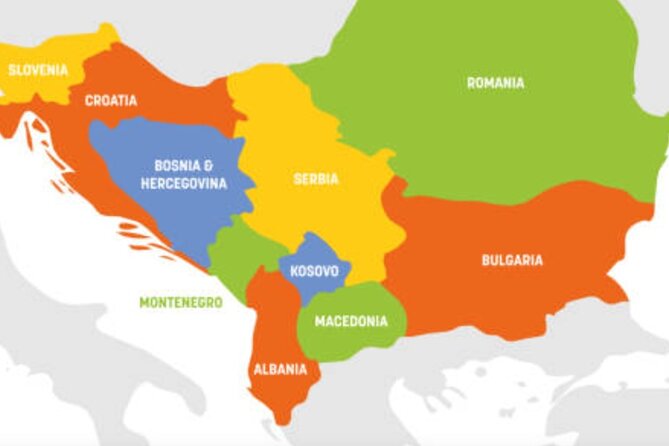
- Seven days, at least seven countries, plus you also pass through extra stops like Montenegro and Croatia, so the week feels bigger than it sounds
- Private transportation with an air-conditioned vehicle, which matters when you are crossing long stretches
- Written information in advance, so you can read up before you arrive and spend your time looking, not searching
- A guide who drives, with Sebastian praised for both safety and engaging on-the-road stories
- Admission tickets listed as free for each planned stop, which keeps your daily budget more predictable
Other border-crossing days from Bucharest:
- Full Day Trip to Bulgaria from Bucharest★ 4.5 · 343 reviews
- From Bucharest: Experience Bulgaria Small-Group Trip★ 4.2 · 80 reviews
- Day Trip to Medieval Bulgaria- Small group tour★ 3.5 · 75 reviews
- Bulgaria -Private Tour- Basarbovo, Arbanasi, Veliko Tarnovo★ 5.0 · 72 reviews
Why this Bucharest to Balkans route hits so hard
This tour works because it treats the Balkans like one connected region, not a set of separate countries you only visit once. You start in Bucharest, then move through historic capitals and iconic old towns in a rhythm that is intense but manageable.
I like that it is not just a sightseeing list. You also get written info for the places on your route, which means you can read before you go and recognize what you are looking at instead of scanning signs.
Now the reality check. This is not a “stay two nights and breathe” style of trip. You are packing in major cities and landmarks every day, so your success depends on your mindset, plus how well you can handle quick transitions.
Price and value: what the $2,418 includes, and what it does not
At about $2,418.47 per person for a week, the value is mostly in the logistics, not in the hotels. You are paying for 7 days of road trip in the Balkan peninsula, private transportation, and an air-conditioned vehicle, plus pickup is offered and you get a mobile ticket.
Accommodation and meals are not included. That is the tradeoff, but it can be a smart one if you like choosing your own hotel style and eating what you want. You will also need to plan lunch and dinner, but breakfast comes from your hotel.
You should also know how the guiding works for your money. A local walking guide is not included in the cities, so you are either relying on your own exploration or joining city walking tours where you choose. That keeps the cost down, but it does mean you will want to pick smart neighborhoods and plan a few street-level hours.
The driving rhythm: how this tour keeps you moving without losing your bearings
Start time is 9:00 am, and the plan is built around long but straightforward transport days with a short window for each stop. In practice, that means you are not expected to do heavy museum marathons at every location. You do the key sights, take photos, soak in the atmosphere, and then move on.
This is exactly why private transport helps. With a group tour on buses, you can spend your day waiting or playing timing games. Here, you have a dedicated vehicle and your guide is also your driver, which usually saves you time and reduces stress.
Packing matters too. There is a luggage limit of one small cabin bag (carry-on) plus a backpack per person. If you travel with big suitcases, this is the point where you rethink your system or risk making the trip feel harder than it needs to be.
Other Bucharest days worth the drive
Day 1: Veliko Tarnovo and Sofia, the Bulgarian story in two speeds
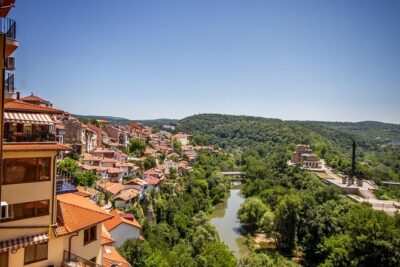
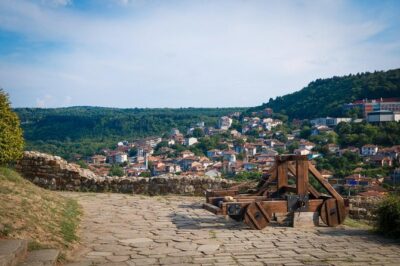
You kick off in Veliko Tarnovo, a former capital of the Bulgarian Empire. The real draw here is the feel of the old city and its distinct architecture. Even if you only have a couple of hours, you get a sense of why this place mattered, and you can wander toward viewpoints that help you understand the city’s layout.
Then you swing to Sofia, the current capital. It is home to roughly a million people, mostly Christian, and shaped by centuries of Ottoman rule that still show up in the urban mix. You get a longer window here, which is good because Sofia is the kind of city where you can choose your pace, quick highlights in the center or a longer stroll depending on your energy.
Budget note: the planned stops list admission tickets as free. That is not the same as “everything is free,” but it does keep you from getting surprised by major paid entrances.
Day 2: Rila Monastery and Skopje, belief and monumentality close together
Day two starts with Rila Monastery in the Rila Mountains. This is an Eastern Orthodox monastery complex known for its frescoes, which are considered masterpieces of Bulgarian medieval art. It is also a UNESCO World Heritage Site, and that reputation is not just marketing, you can feel the significance in the architecture and the care of the site.
You have about an hour, which is short, so focus helps. Give yourself time to see the main areas you can access quickly, then use your extra minutes to read what you can in the written material you receive.
In the afternoon, you head to Skopje, the capital of North Macedonia. The city is often described as a place where Christians and Muslims live side by side, and you see it in the mix of monuments and places of worship. There is also a fortress feel to the skyline, so even a short visit can help you grasp the city’s geography.
Day 3: Pristina and Tirana, small capitals with big momentum
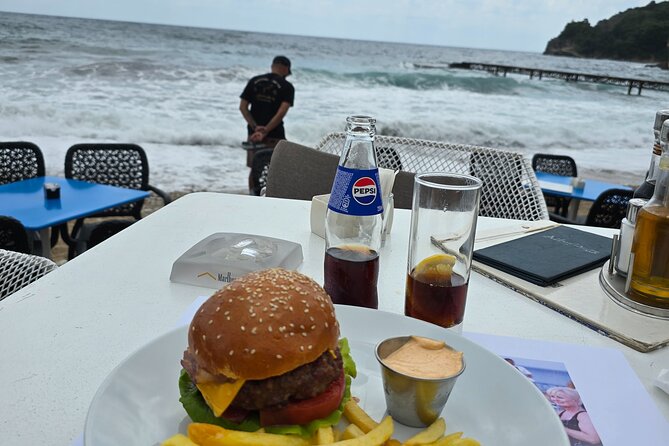
Your first stop is Pristina, the capital of Kosovo. You only get about two hours, so think of this as a taste. The point is to get your bearings in a city that is still defining its modern identity while living with deep history.
Then you move to Tirana, Albania’s capital. You are in a city of around 600,000 people that has been pushing development in recent years, especially in tourism. One of the most practical reasons to like Tirana is its food. If you like Mediterranean-style meals, you will probably enjoy the energy you find in dining options after a day on the road.
Again, the plan lists admission tickets as free for these stops. So your main spending will be meals, plus any optional tours you decide to add.
Day 4: Budva and Dubrovnik, Adriatic glamour and old-stone drama
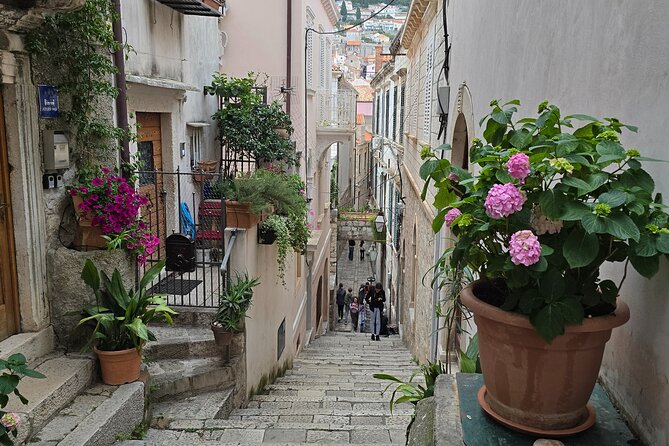
This is the day that shifts the mood toward the Adriatic. You start in Budva, described as a beautiful coastal city on the Adriatic. The old town has Venetian influences, plus a fortress and narrow streets packed with visitors in peak seasons.
You get around two hours, so do the sensible thing: walk the old lanes, enjoy the views from wherever you can get quick access, and do not burn all your time trying to see every street in one go. You are building the sense of place, not completing a checklist.
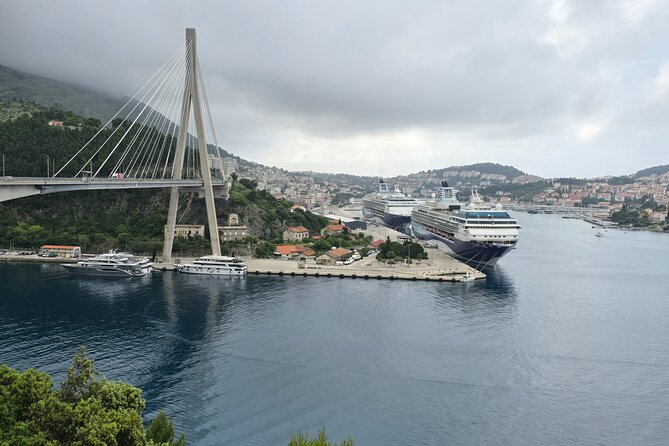
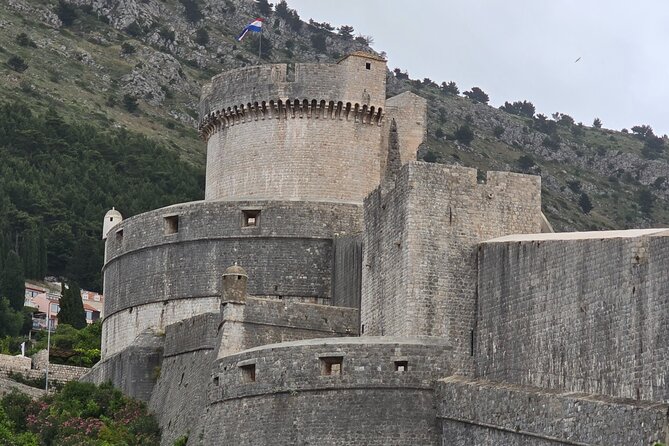
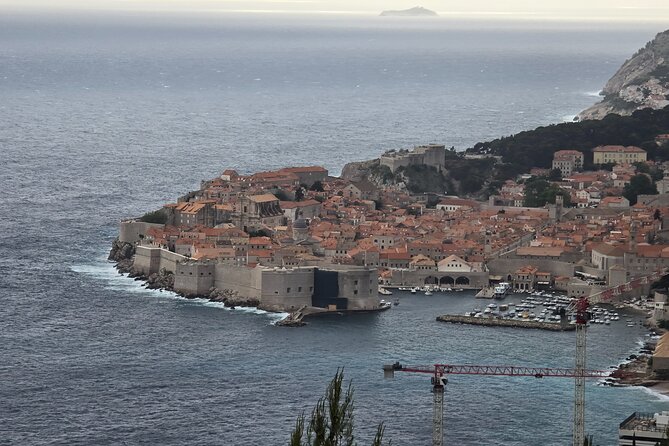
Then you head to Dubrovnik in Croatia. It is famous for its medieval walls and fortress-like feel, and it is also a serious luxury tourism magnet. That can be a lot if you prefer quiet travel, but it is also part of what makes Dubrovnik memorable. You are seeing one of the Balkans’ most photo-heavy historic cities, and that makes the short stop feel worthwhile.
If you want authenticity here, balance your time by stepping just beyond the busiest lanes when you can, and spend a bit more time simply watching daily life instead of only photographing the big walls.
Day 5: Mostar and Sarajevo, the bridge and the crossroads
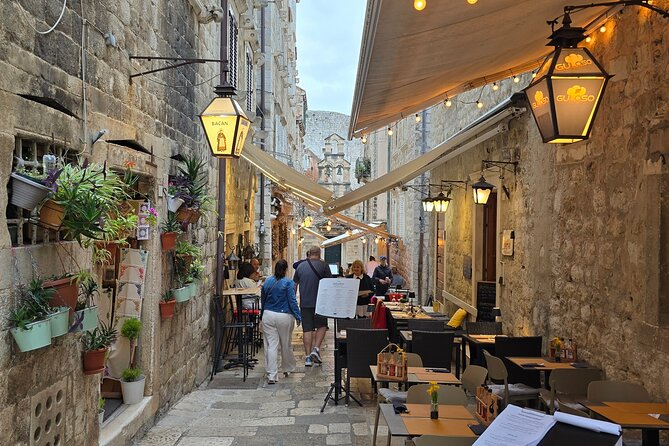
Day five focuses on Mostar and Sarajevo, two cities tied to geography and identity. In Mostar, the star is the Mostar Bridge. Even with limited time, the bridge works as an anchor for understanding the city. You see how the river shapes movement, how history shapes architecture, and how a single landmark can carry emotional weight.
Then you head to Sarajevo, Bosnia and Herzegovina’s capital. The city is often associated with the conflicts of the 1990s, and it has a large Muslim population along with traditions influenced by its wider past. If you care about how communities rebuild and redefine themselves, Sarajevo gives you that context through daily scenes, not only through monuments.
You have about sixteen hours for the day’s second stop, which is helpful because Sarajevo rewards a slower wandering pace. Use that time to find a rhythm with streets and cafés, then decide how much you want to focus on the heavier historical parts.
Day 6: Belgrade, a Danube capital shaped by recent memory
In Belgrade, you get the Serbian capital experience with about sixteen hours on the clock. It sits on the Danube, and it is described as one of the four European capitals on the river. That matters because the river gives the city a sense of open space even when urban life is intense.
Belgrade is also shaped by the 1999 NATO bombing after the interethnic conflict of that period. That is not a small footnote in the city story. Even if your tour time does not include deep museum immersion, you will likely notice how the city’s physical and cultural layers reflect a recent memory.
Belgrade is a good place to add walking time on your own, because it can feel more personal street by street than in one grand highlight alone. If you want a mix of viewpoints, check where the city’s best views are, then go in an order that avoids wasting your energy.
Day 7: Back to Bucharest, a final taste of Romania
You end in Bucharest, Romania’s capital with a population around three million. The planned stop suggests it is a mostly Christian city, and it has been in steady development after Romania joined the European Union in 2007.
This day is shorter at about one hour, so think of it as a closing act, not a full visit. Get your bearings, hit a couple of key city points, and then use whatever extra time you have after the tour ends to continue exploring on your own.
If you are someone who likes to start the trip with context and end with polish, this ending works well. You end where you started, so you do not need to figure out a new airport or scramble for last logistics.
What the guide actually does, and how to make it work for you
One of the most useful details is that your guide is also your driver. That typically means fewer transfer problems and less time lost. The guide is also the group leader outside Romania, and can only guide in Romania.
So plan your expectations. In Romania, you are more likely to get deeper on-the-ground guiding. In other countries, expect leadership and route knowledge, but you will probably rely on your own walking or optional city tours for extra detail.
The reviews give you a hint about what to listen for. Sebastian is specifically called out as a great guide, praised for being a safe driver and for sharing interesting stories while passing through the countries. That is exactly the kind of talk that helps the quick stops land better, because you understand the “why” behind each place.
Accommodation and meals: how to choose hotels that match a fast tour
Accommodation is not included, but you get advice to choose hotels on online booking platforms. The big rule they suggest is simple: book central areas of the visited cities. Since the driver will not assist you in the evening, you want a hotel where you can get around without needing a complicated nighttime plan.
Breakfast is included through your hotel, but lunch and dinner are of your choice. For a trip with a packed schedule, that is a plus if you enjoy picking restaurants based on mood. It also means you can adjust to jet lag, traffic, and appetite without feeling trapped by a set menu.
Practical tip: choose places that are close to easy walking routes. With short visits in each city, you do not want your evening plans to depend on long taxis.
Is this tour worth it for you?
This tour is ideal if you want to cover a lot of ground without spending your days planning. You get private transportation, a driver-guide, and a structure that hits major city highlights in a week.
It is also a good fit if you enjoy context. The combination of written info and on-the-road stories helps you see the Balkans as connected and changing, not as a pile of unrelated monuments.
It may not be the best match if you hate quick transitions, or if you want deep museum time every day. The itinerary is designed for movement. You will get the taste and the big sights, but you need to bring the right expectations.
Should you book this Balkan week from Bucharest?
I think you should book if your goal is a fast, educational sweep across the region, with smooth private transport and a guide who keeps things safe and interesting. The biggest win is how much you cover in seven days, including the feeling of multiple countries and the chance to compare urban styles back to back.
Skip or look for a slower alternative if you want long stays, lots of free days, and minimal driving. This is more like a guided road trip sprint than a slow wander.
If you do book, travel light, pick central hotels, and give each stop a clear purpose in your own head. Do that, and the week will feel less exhausting and more like a story you can retell.
FAQ
What time does the tour start?
The tour start time is 9:00 am.
Is pickup included?
Pickup is offered, and the tour includes private transportation in an air-conditioned vehicle.
Is accommodation included in the price?
No. Accommodation is not included, but you will get advice on choosing hotels, with a suggestion to book central areas in the cities.
Are meals included?
No. Breakfast is provided by your hotel, and lunch and dinner are of your choice.
Do I need a local guide in every city?
A local guide is not included. You can take walking tours in the cities you visit if you want more detail.
How does guiding work outside Romania?
Your guide can guide in Romania. In other countries, the guide acts as a group leader.
What is the luggage limit?
You are limited to 1 small cabin bag (carry-on) and a backpack for each person.
Newest Bucharest write-ups
- Half Day Tour in Bucharest
★ 5.0 · 1 review - Private transfer to BRASOV
★ 5.0 · 1 review - Bucharest Private Custom Walking Tour with Guide (Private Tour)
★ 5.0 · 1 review - Bucharest: Capture the most Photogenic Spots with a Local
★ 5.0 · 1 review - Uncover Transylvania: Private 2-Day Tour Bears & Medieval Wonders
★ 5.0 · 1 review - Transfer Bucharest to Constanta / Mamaia
★ 5.0 · 1 review - Private Day Trip to Peles Palace, Dracula’s Castle and Brasov
★ 5.0 · 1 review
Bulgaria Day Trips from Bucharest, compared.
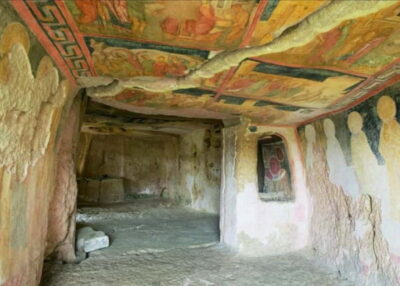
Bulgaria -Private Tour- Basarbovo, Arbanasi, Veliko Tarnovo
Read our review →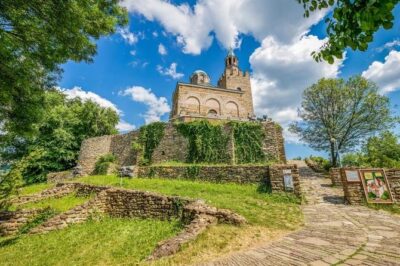
Visit Bulgaria – Veliko Tarnovo Medieval Fortress – Private tour from Bucharest
Read our review →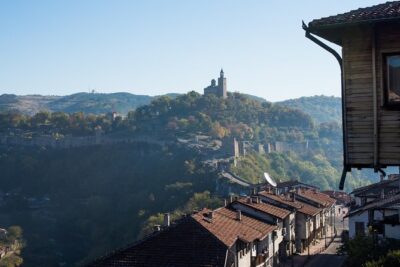
Private Day Trip to Bulgaria and Veliko Tarnovo from Bucharest
Read our review →
Private Daytrip to Buzludzha Monument and Veliko Tarnovo
Read our review →Browse the lists this tour appears in