
Reviewed · ROMANIAN FOOD TOURS
9-Day Private Heritages and Food Tour of Romania
You can taste Romania’s history, step by step. This private 9-day route mixes Transylvania and Bucovina culture with real food, from small guest houses to rural lunches and locally produced drinks like plum/pear brandy and local wine. I also like how much time goes into the eating parts, not just photos, with meals built around regional staples such as mititei, papanasi, and kurtos kalacs. The one thing to weigh carefully is the amount of driving between regions, plus most site entrance tickets are not included (budget about 50 euro).
One more reason this works: the guide matters. Reviews highlight guide David Jalea for turning history into something you can actually picture, and that same approach fits well when you are tasting food that reflects German, Hungarian, and Romanian influences. Since this is a private tour for your group only, you are not stuck sharing your pace with strangers, though you should still expect long travel days built into the itinerary.
In This Review
- Key highlights worth planning for
- Bucharest start and finish, with a practical first orientation
- Day 2 to Day 3: Cozia Monastery, deal-side mititei, and Sibiel’s shepherd dinner
- Icons, Corvin’s Castle, wagon rides, and a real cooking lesson
- Sibiu, Biertan, and Sighisoara: Saxon towns you can walk without feeling rushed
- Viscri fortified church, Bran Castle, and Brasov’s medieval center
- Palinka, cheese tasting, and the shift from Transylvania to the East
- Bucovina painted monasteries and the eggs museum stop that feels odd in the best way
- Wine tasting near Dealu Mare and a classic Bucharest farewell at Carul cu bere
- Is the price worth it at about $2,830.34 per person?
- Who should book, and who might prefer something else?
- FAQ
- Where does the tour start and end?
- Is airport pickup and transfer included?
- What meals are included?
- What food and drink experiences are included?
- Are entrance fees included for the sights?
- Is this a private tour?
- Should you book this tour?
Key highlights worth planning for
- Guest-house dinners in rural Transylvania: 3-course shepherd and Saxon-style meals using local ingredients, plus drinks like brandy, beer, and wine.
- A cooking class in Sibiel: learn one traditional dish, then eat what you made as part of the day’s rhythm.
- Saxon fortified towns and churches: walking time in Sibiu and Sighisoara, plus fortified church stops including Prejmer (UNESCO).
- Bucovina painted monasteries (UNESCO): Moldovita and Voronet, where the art is the main event.
- Food stops timed for flavor: lunch at Dealul Negru with mititei, cheese tasting in Szekely country, fish dinner by Bicaz Lake, and a wine program near Dealu Mare/Ceptura.
- A guide-led story behind every meal: David Jalea is specifically mentioned for history that feels personal instead of recited.
More Food Tastings in Bucharest
- Street Food’n’Culture Tour★ 5.0 · 209 reviews
- Discover Bucharest: Private Highlights and Traditional Food Tour★ 5.0 · 86 reviews
- Cooking Class traditional food★ 5.0 · 22 reviews
- Bucharest: Street Food Tour with a Local Guide★ 4.3 · 21 reviews
Bucharest start and finish, with a practical first orientation
Day 1 keeps things simple. You meet your driver at Henri Coandă International Airport and get transferred to a centrally located 4-star hotel in Bucharest. After you check in, you can handle your bearings on your own time, which helps since the tour hits the road early the next day.
Day 2 begins with a panoramic overview of the city, focused on major landmarks like Triumph Arch, the Victoriei area, the Athenaeum, and Parliament Palace. The tour also includes University Square and Royal Palace area viewpoints, so even if you only get one city day at the start, you come away with a map in your head, not just a list of buildings. This kind of orientation is valuable on road trips because the day-to-day driving stops make more sense once you know the city’s layout.
A small practical note: the tour includes airport-hotel-airport transfers, so you are not paying for taxis while also trying to navigate your first Romanian evening.
Day 2 to Day 3: Cozia Monastery, deal-side mititei, and Sibiel’s shepherd dinner
From Bucharest you head toward the Sibiu area with a stop at Cozia Monastery. It is a 14th-century stop that gives you a quick taste of Romania’s older spiritual heritage before you switch gears into Transylvania food.
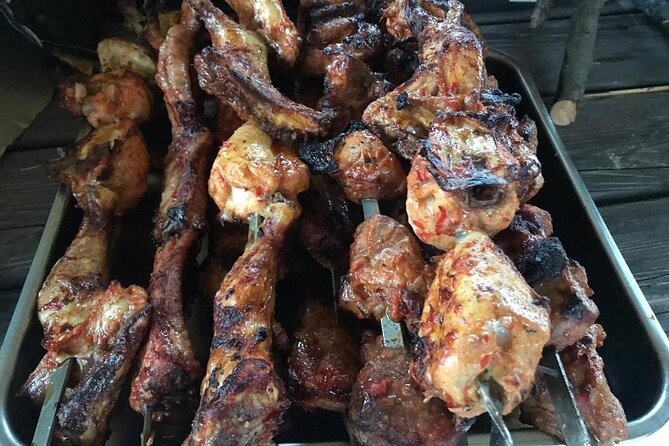
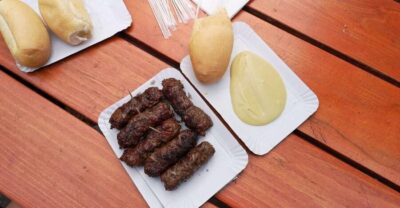
Lunch is where the tour starts to feel different from a typical sightseeing day. You pause at a well-known place for mititei, small minced meat rolls with a recipe traced back to the 19th century. This matters because mititei are not a fancy dish, they are part of everyday Romanian eating, and the tour uses them as an on-the-road flavor anchor.
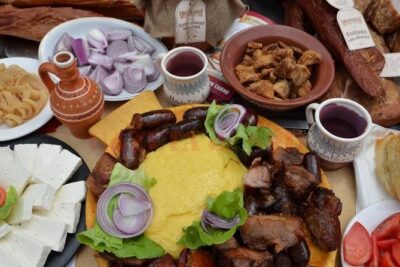
Then you arrive in Sibiel, a small mountain village that is strongly tied to rural, responsible tourism. The lodging is in a local guest house. The key experience here is the Shepherd’s Dinner style meal, served as a 3-course set based around polenta, cheese, and mutton, plus dessert. Drinks included with the dinner include water, plum brandy, and local beer or wine. Even if you are not usually a polenta person, this is the kind of meal that helps you understand why traditional food tastes the way it does.
The next day starts with breakfast at the guest house and a stop at the Zosim Oancea Museum of Icons on Glass. If you like folk art, this museum gives you a focused 30-minute look at a Romanian tradition of icons painted on glass, which is unusual enough to remember long after the drive.
Icons, Corvin’s Castle, wagon rides, and a real cooking lesson
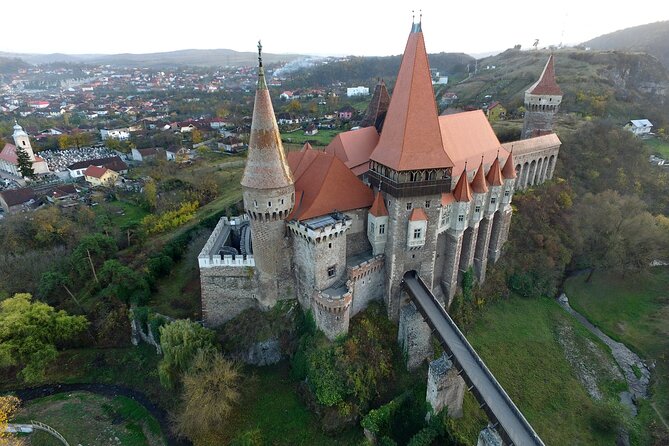
After the museum, you drive through a mountain-and-village route with views over the Carpathians and green Transylvania hills. This stretch is partly scenery, but it is also a setup for the next big historical stop: Castelul Corvinilor in Hunedoara, described as the biggest medieval castle in Romania, with gothic architecture and massive towers and walls.
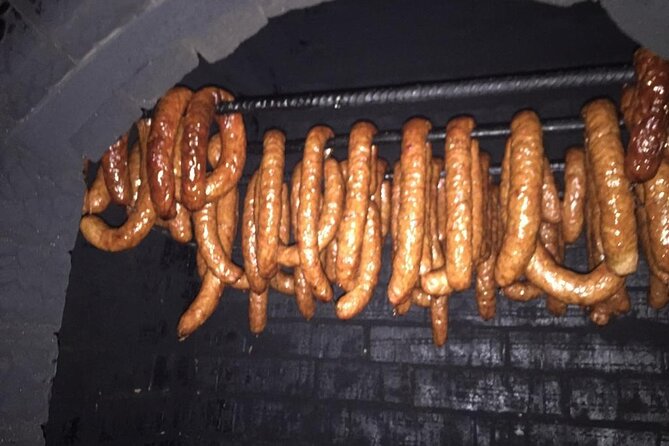
Lunch near the castle leans into tradition too. You can try virsli sausages, a recipe described as over 300 years old. That kind of detail is the point of this tour, history tied directly to what ends up on your plate.
Back in Sibiel, you get a different kind of Transylvanian experience: a horse-driven wagon ride through the village and surroundings. Then you visit a local household to see how a family organizes domestic life, with animals and garden activities forming part of the day’s slow, hands-on rhythm. If you like the slower side of travel, this is one of the better placed activities in the whole route.
The day finishes with a short cooking class in Sibiel. The tour format makes it practical: you learn a traditional Romanian dish and then enjoy a homemade Transylvanian dinner as part of the evening. For many food tours, cooking is a demo. Here it is a workshop, which tends to stick better in your memory.
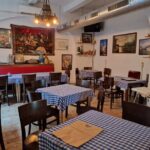
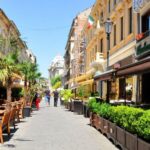
More Romanian plates in Bucharest:
Sibiu, Biertan, and Sighisoara: Saxon towns you can walk without feeling rushed
Day 4 is where the Saxon heritage really takes over. After breakfast, you move deeper into central Transylvania, a region shaped by 12th-century Saxon settlers. The tour uses this to explain food and architecture as siblings, not separate topics. Even if you already know the basics, walking is the best way to absorb it.
In Sibiu’s Old Town, you cover highlights like Big Square and Little Square, plus the Evangelical Cathedral and Orthodox Cathedral. You also get to see Liar’s Bridge, towers, and fortifications. This is not a quick drive-by. The walking tour gives you the feeling that these streets were built for defense and community, not only for tourism.
Then you continue to Biertan, again emphasizing the fortified church concept. In this part of Transylvania, the churches are not just spiritual buildings. They were defensive structures too, meant to protect the community. It makes the architecture more meaningful when you understand that reason.
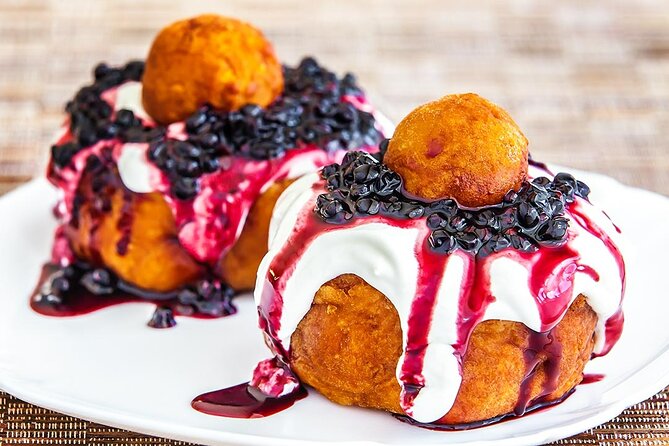
In the afternoon you reach Sighisoara, often described as the best preserved medieval town in Romania. The walking tour covers the Clock Tower, Church on the Hill, the House of Dracula, and towers like Tinsmith’s Tower and Tailor’s Tower. You also stop for lunch at Casa Vlad Dracul and finish with papanasi, dumplings with cheese, sour cream, and jam. This is a sweet note that also makes the medieval setting feel human.
You then end in Viscri, staying in a local guest house. Dinner is a 3-course Transylvanian Saxon style meal with water, plum brandy, and wine.
Viscri fortified church, Bran Castle, and Brasov’s medieval center
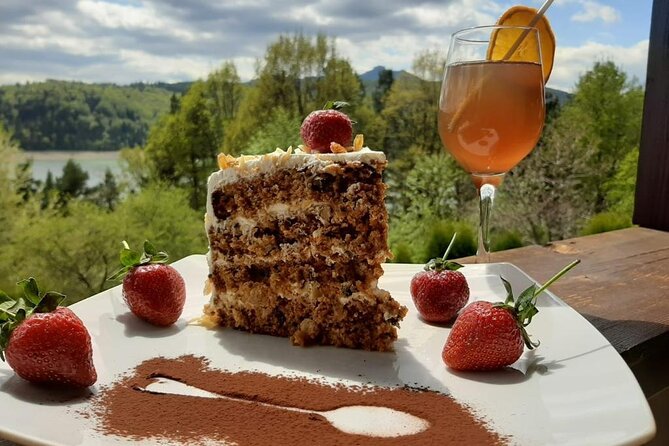
Day 5 starts in Viscri itself. You explore the fortified church and the small ethnographic museum, plus you have time to look at local craftsmen. The fortified church here is the kind of stop where you start noticing how these communities built for both worship and safety.
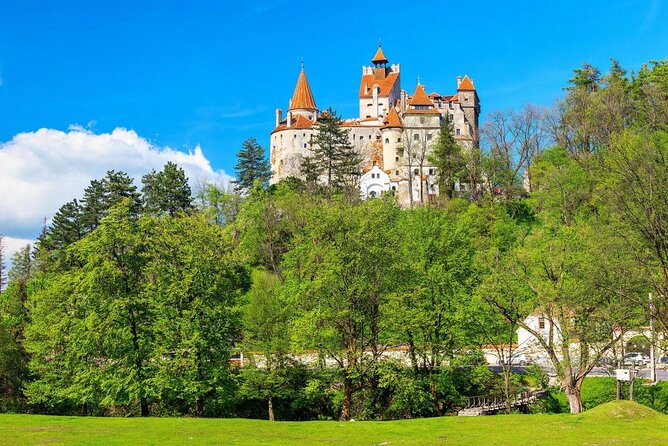
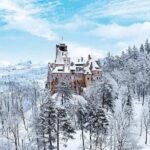
From Viscri you head toward the Brasov area and visit Bran Castle, famously tied to the Dracula legend. The tour frames it as a 14th-century border point. After the visit you have about an hour of free time for lunch at your own pace or souvenir browsing.
Then you check into Brasov in the heart of the old town, at the Bella Muzica Hotel or a similar option. In the afternoon, you walk the Brasov historical center, including Council Square, the Black Church, Weaver’s Bastion, Ecaterina’s Gate, Rope Street, St Nicholas Cathedral, and the Museum of the First Romanian School and printshop. That last item is a nice change of pace if you like culture beyond castles and monasteries.
This day gives you optional freedom in the evening. You are not forced into a single set restaurant, and that makes it easier to adjust to your appetite after a long day of walking.
Palinka, cheese tasting, and the shift from Transylvania to the East
Day 6 is a turning point. After breakfast and check-out, you get a small sweet surprise: homemade cookies in a Grandma style. That is a tiny detail, but it signals the tour’s theme, food that feels local rather than packaged.
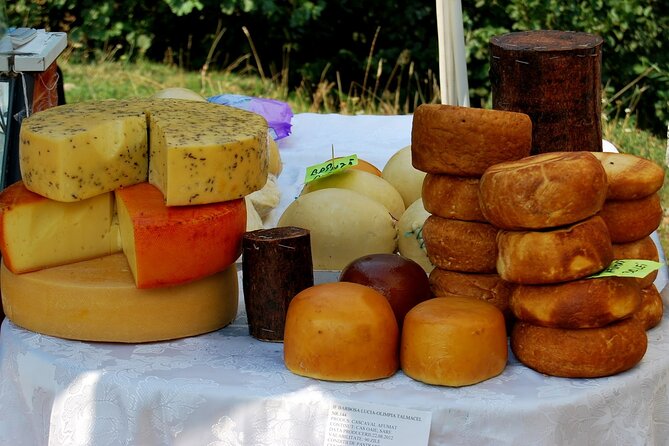
You then visit Prejmer Fortified Church, a UNESCO site. From there you drive north to Szekely Counties, where Hungarian influence is strong. A local cheese small producer stop includes learning about cheese production and tasting local cheeses. Lunch then arrives with Transylvanian Hungarian specialities, and the tour includes palinka before eating plus local beer after, so you get both the spirit and the pairing.
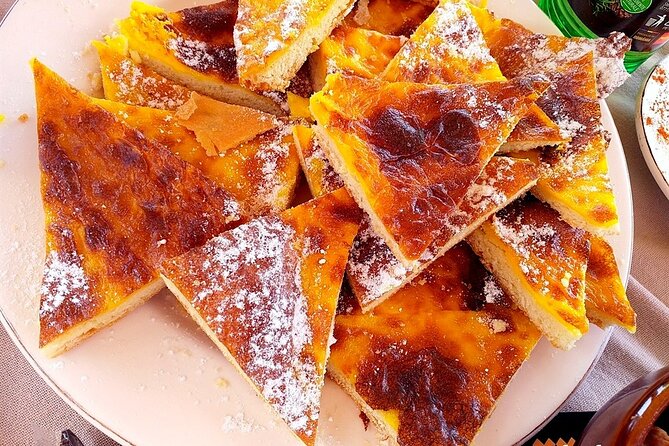
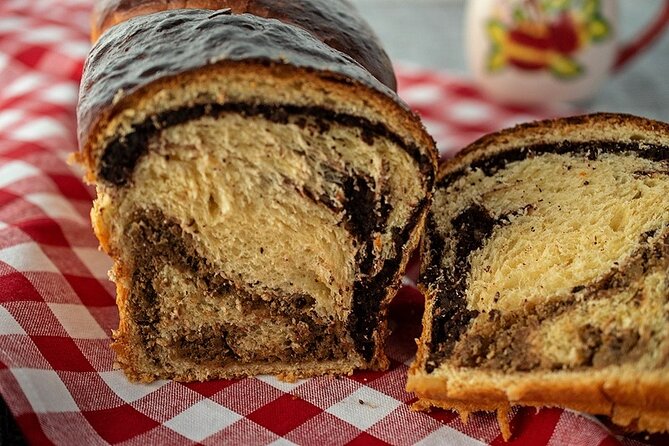
The itinerary then shifts into the Eastern Carpathians route, with a stop at Red Lake to learn how the lake formed and to enjoy dessert: kurtos kalacs. You also stop briefly at Bicaz Gorges for a short walk along the rocks and paths.
Then you reach Lake Izvorul Muntelui, stopping by the Bicaz Dam area. This is where the East starts to feel different. Instead of fortress towns and Saxon church walls, you get water, mountains, and a dinner location built around that setting.
Your overnight is at the Lostrita pension on the shore of Bicaz Lake, with views toward the Ceahlau mountains. Dinner is fish-based (3 courses), and the tour includes water plus either a beer or a glass of local wine. If you prefer not to eat fish, the tour says other choices are available on request.
Bucovina painted monasteries and the eggs museum stop that feels odd in the best way
Day 7 brings you fully into Bucovina and its UNESCO painted monasteries. After breakfast you drive north, passing the Bicaz Lake route again and taking the Transrarau mountain road, where the focus is on the scenery as you travel.
First up is Moldovita Monastery, dated to 1532. It is described as fortress-like, with imposing towers and thick walls. This stop matters because it is one of the easiest ways to understand why these monuments were built to last and protect, even as the surrounding world changed.
You then add a very Bucovina-specific detour: the International Museum of Painted Eggs and a workshop. Even if eggs are not your main interest, this museum gives you a window into local craft traditions and decorative art.
Lunch is Bucovinean style, served as 2 courses at a small local restaurant. After that, you return and visit Voronet Monastery, founded in 1488 by Stephen the Great. The big draw here is the blue fresco background and the Last Judgment scene, described as the best preserved and most impressive representation.
Dinner is another Moldavian-style special dinner back at your accommodation, which helps you end the day with flavors that match the region’s identity, not just a random restaurant choice.
Wine tasting near Dealu Mare and a classic Bucharest farewell at Carul cu bere
Day 8 is the long one. After breakfast you head back toward Bucharest, with about 6 hours of driving time. The tour keeps it comfortable by breaking the day with a wine tasting stop.
That stop is at Dealu Mare / Ceptura Wine area, specifically at Crama Serve Ceptura. You get a wine tasting program that includes 5 premium local wines plus cheese and related items, for about 1 hour. If you want a better feel for Romania as a whole, this is a strong ending ingredient because it connects food to adult tastes, not only meals.
Once you arrive in Bucharest you check into a central 4-star hotel. Your farewell dinner is at Carul cu bere, one of the best-known Romanian-cuisine restaurants in Bucharest, with a tradition dating back to the 19th century. It is a great way to close because it feels like a proper local ritual instead of a last-minute tourist meal.
Is the price worth it at about $2,830.34 per person?
At $2,830.34 per person for 9 days, this is not a budget tour. Still, it can be good value if you compare what you would otherwise piece together.
You are paying for private transport, an English-speaking guide, 8 nights of lodging (including central 4-star hotels in Bucharest and a guest-house style stay in multiple villages), plus meals in a set structure across the trip: 8 breakfasts, 6 lunches, and 7 dinners. On top of that you get food experiences that are often the most expensive to arrange yourself, like the cooking class in Sibiel, cheese tasting, and the wine tasting program with 5 wines near Dealu Mare/Ceptura.
Then there are the extras that make “food tours” feel real: rural dinners served with included drinks, the horse-driven wagon ride in Sibiel, and the structured stops that mix monasteries, fortified churches, and medieval towns with meals timed to the day.
The extra cost to watch is entrance tickets. The tour notes site entrance tickets are not included, and it estimates about 50 euro. Photo or video taxes inside museums may add more, and you will want to plan for tips.
Who should book, and who might prefer something else?
Book this tour if you want Romania to come at you through food, local drink, and heritage stops on a single route. It fits well if you like architecture, monastery art, and medieval towns, but you also want meals built around what you are seeing that day. It also suits families in at least some cases, since reviews specifically mention a 10-year-old experiencing the tour successfully with the guide.
Consider a different option if you hate long drives, because days involve several hours of road time. It also might not suit you if you want maximum free time every day, since the schedule is tightly built around guided stops and included meals.
FAQ
Where does the tour start and end?
It starts in Bucharest, meeting your driver at the airport on Day 1, and it returns to Bucharest for the airport transfer on Day 9.
Is airport pickup and transfer included?
Yes. The tour includes airport-to-hotel and hotel-to-airport transfers, including the transfer to Henri Coandă International Airport on the final day.
What meals are included?
The tour includes 8 breakfasts, 6 lunches, and 7 dinners as specified in the itinerary.
What food and drink experiences are included?
You’ll have local tastings and drink moments such as plum/pear brandy, fruit liqueurs are mentioned in the tour approach, beer or wine with dinners, a wine tasting program near Dealu Mare/Ceptura, cheese tasting, and a cooking class in Sibiel.
Are entrance fees included for the sights?
No. Entrance tickets to visited sites are not included, and the tour estimates entrance tickets around 50 euro.
Is this a private tour?
Yes. It is private, meaning only your group participates. A guide is included in English, with other languages on request.
Should you book this tour?
I’d book it if you want a structured Romania trip where the food is not an add-on. You get a clear arc from Bucharest into Transylvania’s Saxon towns and fortified churches, then east to Bucovina’s painted monasteries, with cooking and tastings timed throughout the journey. Just budget for entrance tickets, expect real driving days, and you should end up with both the taste and the stories that connect the places.
Newest Bucharest write-ups
- Half Day Tour in Bucharest
★ 5.0 · 1 review - Private transfer to BRASOV
★ 5.0 · 1 review - Bucharest: Capture the most Photogenic Spots with a Local
★ 5.0 · 1 review - Bucharest Private Custom Walking Tour with Guide (Private Tour)
★ 5.0 · 1 review - Transfer Bucharest to Constanta / Mamaia
★ 5.0 · 1 review - Uncover Transylvania: Private 2-Day Tour Bears & Medieval Wonders
★ 5.0 · 1 review - Private Day Trip to Peles Palace, Dracula’s Castle and Brasov
★ 5.0 · 1 review
Romanian Food Tours, compared.
Discover Bucharest: Private Highlights and Traditional Food Tour
Read our review →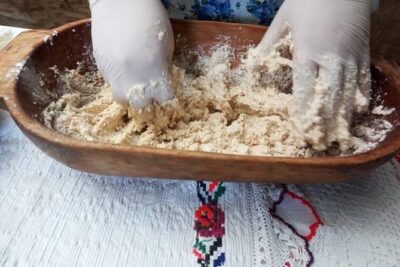
Bite your way through Timisoara – Timisoara’s Street Food Tour
Read our review →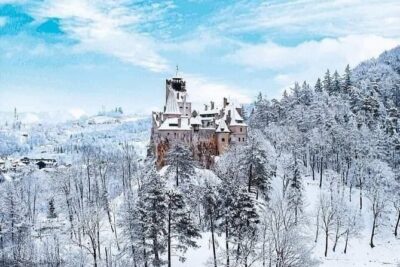
Premium 8-Day Private Culinary Vacation in Romania
Read our review →
Browse the lists this tour appears in