Reviewed · PRIVATE
Bucharest: Charm of the Belle Époque Private Tour
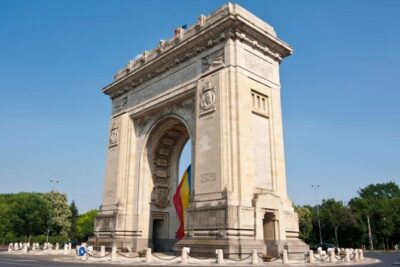
Bucharest turns romantic in Belle Époque time. This private 4-hour tour uses Belle Époque architecture and lively street scenes to explain how Bucharest became a Paris-style city for a while. You start along Victory Avenue, then move into the restored Old City, where palaces, theatres, and long-running cafés help the era feel real.
I love the way the guide turns buildings into people and moments, so the city’s look makes more sense fast. I also like the mix of styles you’ll spot, from Neoclassic and Art-Nouveau to Baroque and Byzantine, often blended in the local Brancovenesc tradition.
One thing to plan for: it is a 4-hour walk through pedestrian areas and historic streets, so comfortable shoes and a bit of stamina matter. Also, meals are not included, so you may want a snack plan before or after.
In This Review
- Key things to know before you go
- Why Bucharest’s Belle Époque tour feels like a time machine
- Victory Avenue: the “Champs Elysées” style entrance to the city
- The composer palace, music hall, and royal buildings you’ll recognize fast
- Capsa Restaurant and the Lafayette Galleries: fashion and social life, not just monuments
- How to spot Brancovenesc, Art-Nouveau, and Baroque on the same street
- Entering the Old City: cobblestones, vintage cafés, and street musicians
- Former cabarets and dance halls still in action, plus the places to imagine
- Meet your guide: why Michael and Emma’s stories land well
- Practicalities for a 4-hour private tour with pickup
- Price and value: is $104 per person fair for this format?
- Who should book this Belle Époque private tour?
- Should you book the Bucharest Belle Époque Private Tour?
- FAQ
- How long is the Bucharest Belle Époque private tour?
- What is the price per person?
- Does the tour include hotel pickup and drop-off?
- Is the tour private or shared?
- What languages does the guide speak?
- Is this tour wheelchair accessible?
- Is meals or snacks included?
- What areas does the tour focus on?
- What should I do to prepare for pickup?
- Can I cancel for a full refund?
Key things to know before you go
- Victory Avenue as your opening scene, often compared to the Champs Elysées for its charm and grandeur
- Old City streets on cobblestones, with vintage cafés, old lamps, and lively corners in preserved 18th-century houses
- A guided story format, where palaces and public spaces become a window into social life
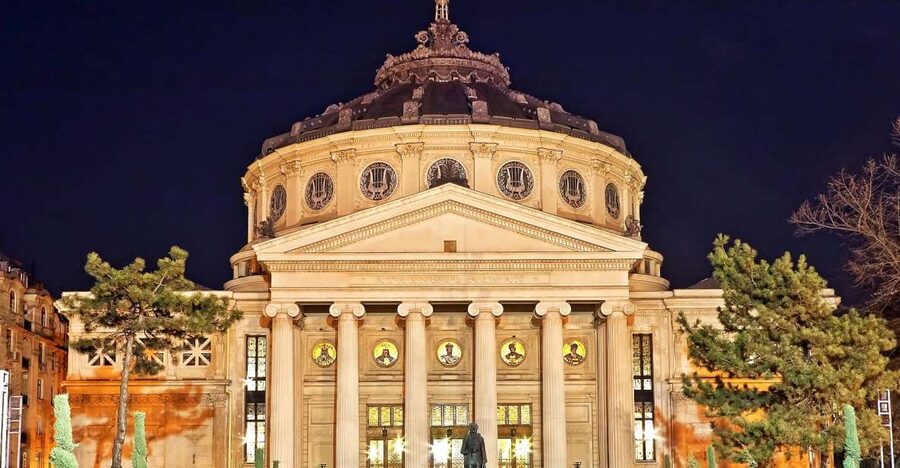
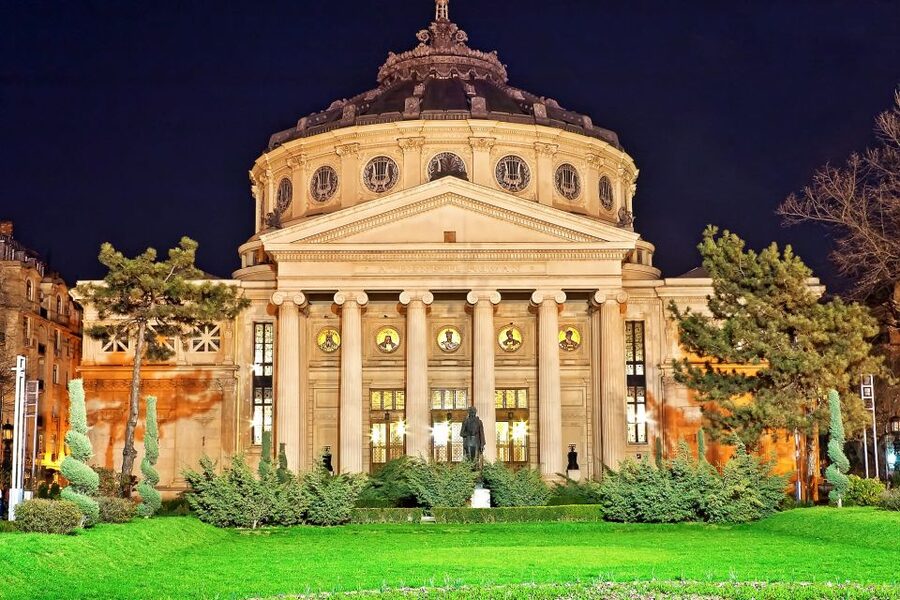
- Belle Époque hotspots for high society, including the Athenaeum music hall, the former Royal Palace, and Capsa Restaurant
- Continuing traditions in former performance venues, like cabarets, dance halls, and inns that kept operating for decades
- A private group with pickup, so you can keep the pace comfortable and ask questions
Other Bucharest days worth the drive
- Bucharest: Dracula’s Castle, Peles Castle, & Brasov Old Town★ 4.5 · 17,858 reviews
- Bucharest: Dracula Castle, Peles Castle & Brasov Old Town★ 4.6 · 10,891 reviews
- Bucharest: Dracula’s Castle, Peleș Castle & Brașov Day Trip★ 4.4 · 6,100 reviews
- Bucharest: Palace of Parliament Tickets and Guide★ 4.3 · 3,182 reviews
Why Bucharest’s Belle Époque tour feels like a time machine
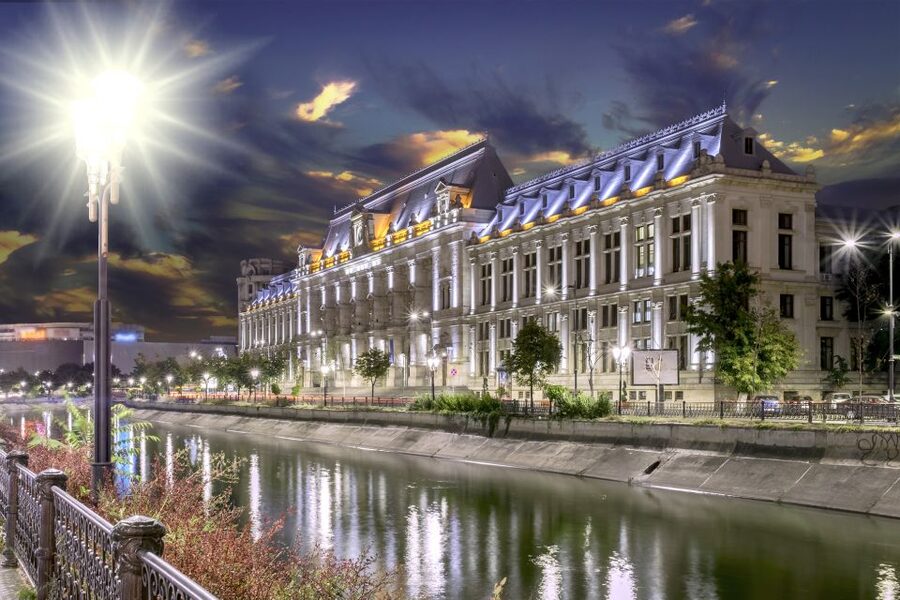
Bucharest has a talent for looking dramatic, even when you’re just walking down a street. This tour leans into that by framing the city around the late 1800s, a period often linked to peace and prosperity and known as the Belle Époque. In that era, Bucharest was building fast, and the city’s identity was shaped by King Carol I, including his European family ties that helped connect Bucharest’s ambitions to Western life.
What makes the tour especially good is the promise that you’re not just seeing pretty façades. You’re also understanding why those façades existed, and who benefited from the cultural boom. That approach makes the trip feel less like an architecture slideshow and more like a guided novel written in stone.
Victory Avenue: the “Champs Elysées” style entrance to the city
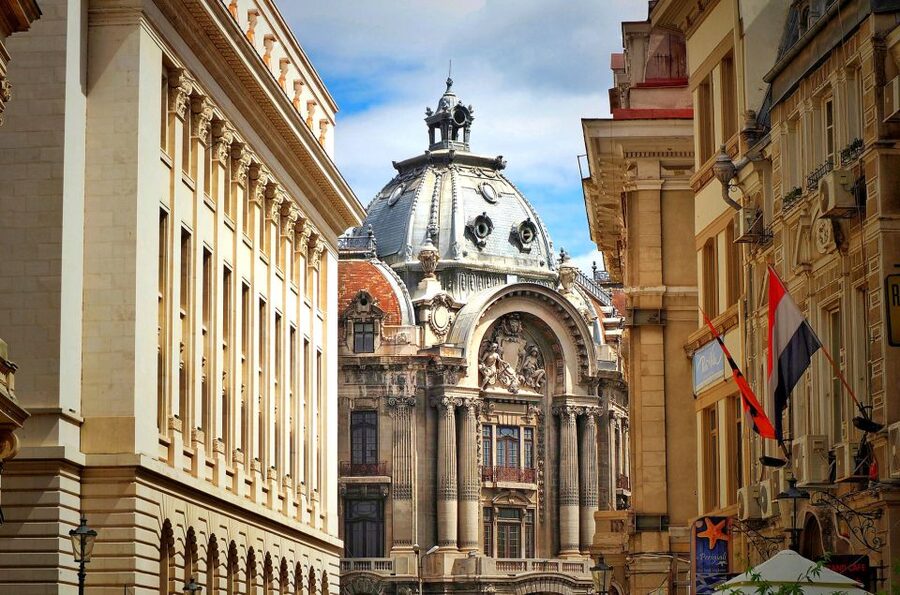
The tour begins with a walk along Victory Avenue, described as the most charming street in Bucharest, and often compared to the Champs Elysées. Even without getting lost in comparisons, you’ll feel what that nickname means: this is the kind of boulevard where buildings line up like scenes in a movie.
Along this stretch, you focus on core architectural and cultural patrimony, not just random landmarks. The guide connects each major building to how the era lived day to day. You’ll see places tied to music and public life, plus big-name civic and royal settings that reflect the city’s confidence during its cultural peak.
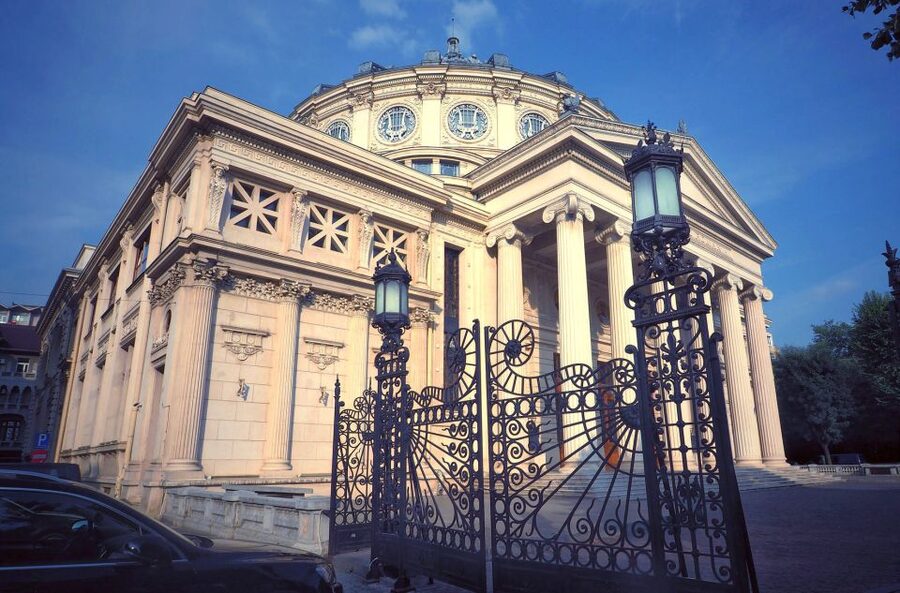
A few specific stops you can look forward to here include the Athenaeum music hall and the former Royal Palace. The point is not only what these buildings look like, but how they signaled status, taste, and power in a city that wanted to feel European and modern.
The composer palace, music hall, and royal buildings you’ll recognize fast
This is one of those tours where your brain starts spotting patterns after the first hour. As you continue, you’ll pass a palace linked to a famous 20th-century composer, plus major cultural institutions that helped Bucharest earn its reputation as a hub for the arts.
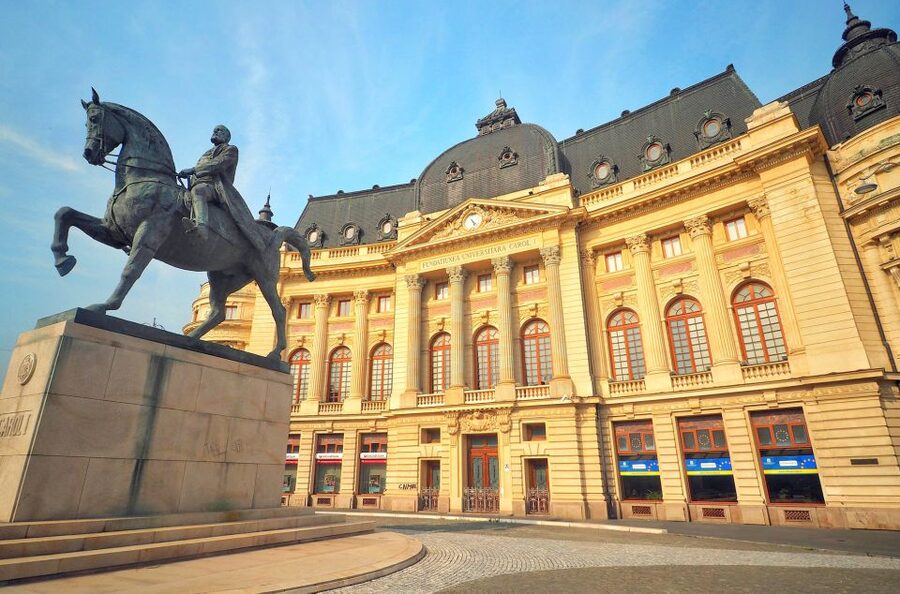
Then there’s the Athenaeum music hall, a building people often point to when discussing Bucharest’s more formal musical life. In a story-based tour, it matters because the guide uses it as evidence of what the Belle Époque crowd valued. It wasn’t only about private wealth. It was also about public culture, concerts, and a city that wanted to host big moments.
You’ll also see the former Royal Palace along the way, which helps ground the whole theme. When you can compare royal power with arts and fashion stops later, the architecture stops being decoration and starts being evidence.
Different day out, same corner of Romania:


Capsa Restaurant and the Lafayette Galleries: fashion and social life, not just monuments
A standout for me in how the tour is framed is that it doesn’t treat only palaces as important. It includes places tied to daily prestige, like dining rooms and shopping spaces.
You’ll visit Capsa Restaurant, described as a long-time meeting place for noblemen and artists. That detail changes how you see it. It’s not only a historic address, it’s a clue that the Belle Époque in Bucharest was driven by crossovers, where artists and high society mingled.
You’ll also stop at the former Lafayette Galleries, linked to the latest Parisian fashion. This matters because fashion is often the fastest way to understand aspiration. If a city imports style, it’s signaling that it wants to participate in the same cultural world as major European capitals.
These are the kinds of stops that make the tour feel personal, because they’re the spaces where people actually met, talked, and decided what was fashionable that season.
How to spot Brancovenesc, Art-Nouveau, and Baroque on the same street
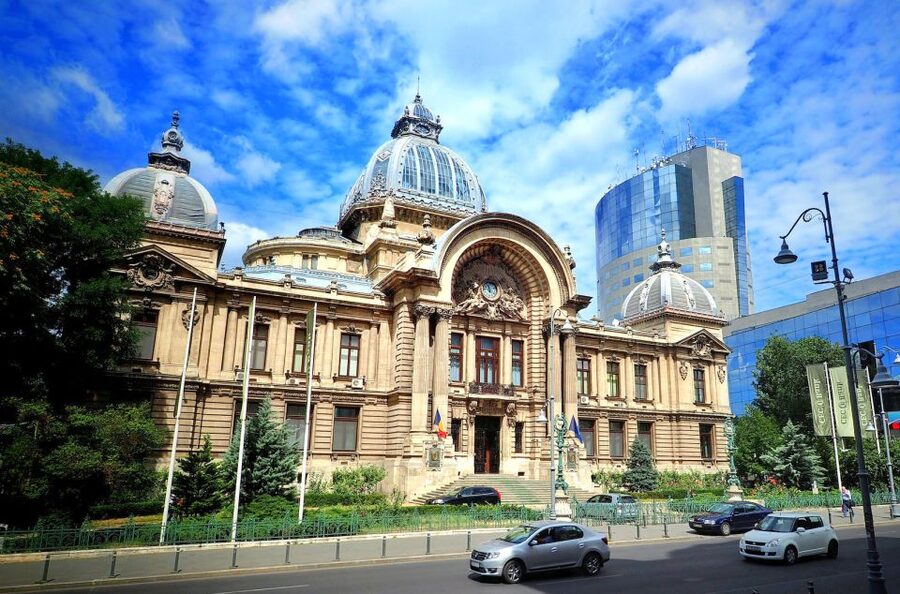
The tour’s architecture descriptions are specific, and you’ll have more fun if you treat them like a checklist while you walk. Bucharest’s Belle Époque buildings are described as a blend of styles, often including Neoclassic, Art-Nouveau, Baroque, Byzantine, plus the local Brancovenesc tradition.
When you’re standing in front of a building, the guide’s approach helps you see structure and ornament as a language. Neoclassic often signals formality and order. Art-Nouveau tends to add a more expressive, decorative touch. Baroque can feel dramatic and theatrical. Byzantine influences often read as strong visual patterns and a sense of grandeur.
And Brancovenesc brings that local identity into the mix. The result is a street-level style that can feel both European and distinctively Bucharest. If you take photos, try to capture not only the whole façade, but also details like window shapes, cornices, and decorative lines that repeat across nearby buildings.
Entering the Old City: cobblestones, vintage cafés, and street musicians
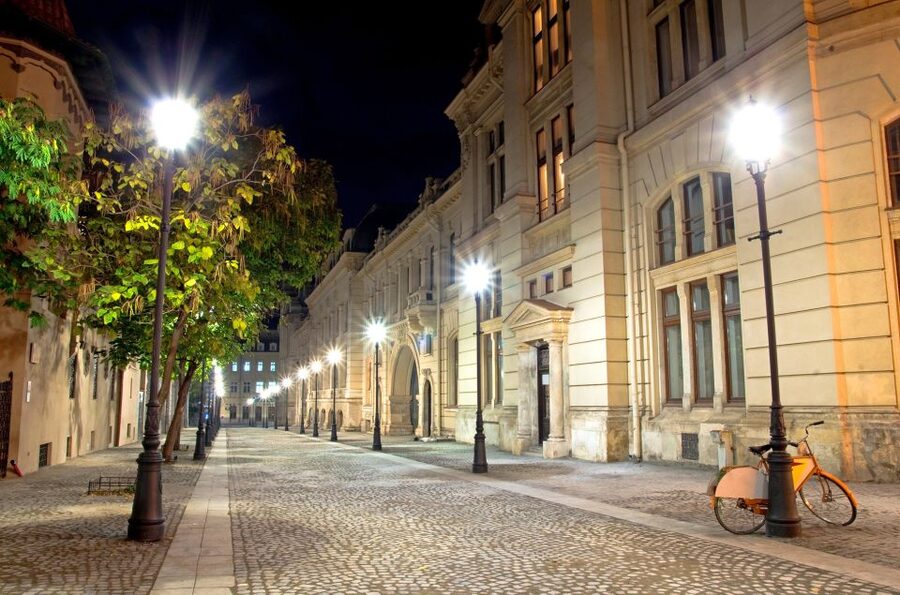
After the boulevard segment, you step into the Old City, where the pace changes and the mood turns more intimate. This part of the tour focuses on a large pedestrian area with cobblestone streets full of charm and elegance. The guide helps you notice old street lamps and the feeling of a place designed for strolling, not rushing.
Expect vintage cafés, bistros, and lounges inside 18th-century houses, plus the kind of street atmosphere where music can come from unexpected corners. Street musicians playing violin are specifically part of the vibe, which makes the storytelling feel less like a lecture and more like walking through a lived-in scene.
Baroque architecture shows up again here, and the streets can feel like they’re built to frame conversation. The Old City section is where the Belle Époque theme stops being about grand buildings and starts being about mood, routine, and the nightlife economy that grew around culture.
Former cabarets and dance halls still in action, plus the places to imagine
One of the most fun aspects of this tour is how it treats entertainment venues as living history. In the Old City, you’ll see former cabarets, theatres, dance halls, and even inns and beer houses that reflect a tradition continuing for about a century.
That phrasing is important. You’re not only looking at what used to exist. You’re seeing places that have kept a similar purpose through time, which makes the era’s social life feel more plausible. A cabaret or dance hall is where people tested new rhythms, flirted, and formed friendships across different parts of society.
The tour also uses the idea of Tango and Charleston dances, balls, jockey clubs, fringed dresses, and secret love letters to help you picture the atmosphere. Even if you’re not a dancer, this kind of guided imagination makes the buildings easier to remember later.
Meet your guide: why Michael and Emma’s stories land well
The reviews strongly highlight the role of the guide, and you can feel why this kind of tour works best with a good storyteller. I’d pay extra attention to professional guides here because the itinerary is built as a narrative. If the guide keeps that narrative lively, you get much more from the architecture.
In the guide track you’ll hear stories told by names like Michael and Emma, and both were praised for interesting stories behind buildings and for being personable while also being well-informed about the city and Romania. That combination matters. It means you’re not only getting facts, you’re getting interpretation, which is what turns a street walk into something memorable.
You’ll have the guide in English, with Romanian also available, which is great if you want to double-check a detail or ask something more local.
Practicalities for a 4-hour private tour with pickup
This tour runs for 4 hours, and it’s a private experience with hotel pickup and drop-off by car. For some visitors, that alone is a big value point, because you can spend more of your time walking and less time figuring out transport across neighborhoods.
You’ll meet your guide at your pickup point, typically waiting in your hotel lobby near reception. For apartment pickups, the pickup point is downstairs in front of your accommodation. It’s a small detail, but it helps you start smoothly instead of hunting for the car.
Language-wise, you get an English-speaking guide, with Romanian also listed. The tour is wheelchair accessible, which you’ll appreciate if mobility is a factor and you want to keep the experience comfortable.
And yes, bring a snack plan. Meals and snacks are not included, so if you tend to get hungry on walking tours, consider eating before you go or planning something after you return.
Price and value: is $104 per person fair for this format?
At $104 per person for a 4-hour private tour, the value comes from what’s included, not just the sightseeing promise. You get hotel pickup and drop-off, plus a professional English-speaking guide, which can be a lot of cost when you compare it to self-guided wandering.
This price can feel especially reasonable if you’re traveling as a small group who wants a shared pace and direct answers on demand. A private format also helps here because the guide is doing the heavy lifting, turning facades and street corners into a coherent story. If you’re the type who likes context as you look, that’s where the money goes.
If you prefer independent exploring with minimal guidance, you might not get full value. But if you want your walk to feel guided and interpretive, this is exactly the kind of half-day that can justify the cost.
Who should book this Belle Époque private tour?
This tour is a great fit if you want Bucharest to make sense fast. If you’re interested in architecture, the mix of Neoclassic, Art-Nouveau, Baroque, Byzantine influences, and Brancovenesc blending gives you plenty to look for.
It’s also a good match if you like social history. The route includes not only grand royal and cultural spaces, but also places like Capsa Restaurant and the Lafayette Galleries, plus entertainment venues in the Old City. That focus helps you understand the era as a way of life, not a set of distant dates.
Finally, it works well for first-time visitors who want an orientation that still feels special. You get to see major sights plus smaller street-level details like cobblestones, old lamps, vintage cafés, and street musicians, all tied to the Belle Époque story.
Should you book the Bucharest Belle Époque Private Tour?
I’d book this tour if you want a guided walk where buildings have explanations, not just photos. It’s strong on atmosphere, with an Old City segment that feels like you’re moving through a recreated late 1800s and early 1900s mood.
I’d think twice if you want a museum-heavy day, because this is a street-and-architecture experience built around walking and storytelling. Also, plan for no meals, since it’s a half-day format.
If that sounds like your style, this is the kind of private tour that makes Bucharest feel charming in a way that sticks, not just scenic while you’re there.
FAQ
How long is the Bucharest Belle Époque private tour?
The tour lasts 4 hours.
What is the price per person?
The price is $104 per person.
Does the tour include hotel pickup and drop-off?
Yes. It includes hotel pickup and drop-off by car.
Is the tour private or shared?
It is a private group tour.
What languages does the guide speak?
The tour includes a live guide in English and Romanian.
Is this tour wheelchair accessible?
Yes, wheelchair accessibility is listed.
Is meals or snacks included?
No. Meals and snacks are not included.
What areas does the tour focus on?
It includes a walk along Victory Avenue and time in the restored Old City with its pedestrian streets and historic atmosphere.
What should I do to prepare for pickup?
For hotel pickup, you wait in the hotel lobby near reception. For apartment pickup, you wait downstairs in front of the accommodation.
Can I cancel for a full refund?
Free cancellation is available up to 24 hours in advance for a full refund.
Newest Bucharest write-ups
- Private transfer to BRASOV
★ 5.0 · 1 review - Half Day Tour in Bucharest
★ 5.0 · 1 review - Bucharest: Capture the most Photogenic Spots with a Local
★ 5.0 · 1 review - Bucharest Private Custom Walking Tour with Guide (Private Tour)
★ 5.0 · 1 review - Transfer Bucharest to Constanta / Mamaia
★ 5.0 · 1 review - Uncover Transylvania: Private 2-Day Tour Bears & Medieval Wonders
★ 5.0 · 1 review - Private Day Trip to Peles Palace, Dracula’s Castle and Brasov
★ 5.0 · 1 review
Private, compared.

Castles of Transylvania: Private Day Trip from Bucharest
Read our review →
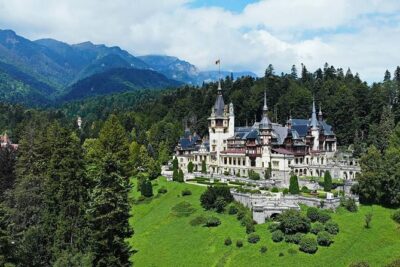
Dracula’s Castle, Peles Castle and Brasov – Private Day Trip from Bucharest
Read our review →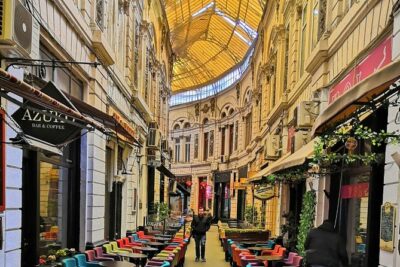
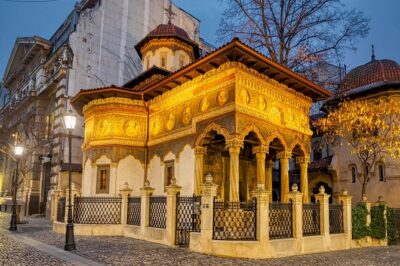
Bucharest Panoramic Sightseeing – Private City Tour
Read our review →
THERME “Take It Easy” Pack: Full Spa Access + Private Transfers
Read our review →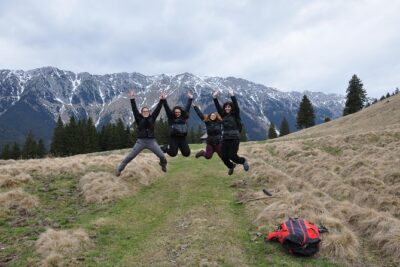
Piatra Craiului National Park Private Hiking Tour from Brasov
Read our review →