Reviewed · BUCHAREST EXPERIENCES
Bucharest: The Italian emigration in Romania
Bucharest gains a new accent on Victory Road. This 2-hour walk traces how Italian immigrants shaped Bucharest from the late 1700s into the early 1800s, starting by the Palace of Justice on the Dambovita River and then shifting into the surprising beauty of Victory Road. I especially like how the route turns big-name landmarks, like CEC and Revolution Square, into a story you can read on foot, not just memorize. One thing to watch for is logistics at the start, because the meeting location is tied to Piata Natiunile Unite (100 meters from the office), so plan to arrive a bit early.
I like that this tour is built for real street-level seeing. You meet at Transylvanian Wonders SRL on Bulevardul Natiunile Unite 4, Bloc 107/A, then you cross into the “most famous street” area and connect the dots between institutions and neighborhoods. The guide is live and speaks Italian, which can be a great fit if you enjoy hearing history in the language it belongs to.
At $11 per person for a focused, professional guided walk, this is solid value if you want Bucharest’s old center with a specific theme. If you prefer only museums and you dislike walking, the format may feel a bit too outside for your taste, since it is mainly a streets-and-buildings tour.
In This Review
- Key things to know before you go
- Italian emigration in Bucharest, told where it happened
- Crossing into the Dambovita River area and the Palace of Justice
- Victory Road: the street that ties the whole story together
- CEC Palace, Revolution Square, and the old Senate house
- Atheneum and the cultural layer of the Italian presence
- The Italian Church stop and ending in Old Town
- Price, time, and what $11 buys in Bucharest
- How the guides shape the experience (Roberto and Daniel stand out)
- Who should book, and who should skip
- Should you book the Italian emigration in Bucharest tour?
- FAQ
- How long is the tour?
- Where do I meet the guide?
- How much does the tour cost?
- What language is the tour offered in?
- What should I bring?
- Is audio recording allowed?
- Is there a refund if I cancel?
- Is the tour suitable for everyone?
Key things to know before you go
- Victory Road, explained as an Italian-influence corridor: you walk the traces of Italian immigration across Bucharest’s most famous avenue.
- Major architecture stops that do the storytelling: the Palace of Justice, CEC building, Revolution Square, and more come with context.
- The church stop is part of the payoff: you spend time where the Italian presence is easy to notice and hard to forget.
- A live Italian guide with strong question time: multiple guides were praised for clear explanations and answering questions.
- Short and walkable, about 2 hours: manageable duration, but still real walking on sidewalks.
- Meet near Piata Natiunile Unite: the tour starts 100 meters from the office, so watch the exact spot.
Other Bucharest days worth the drive
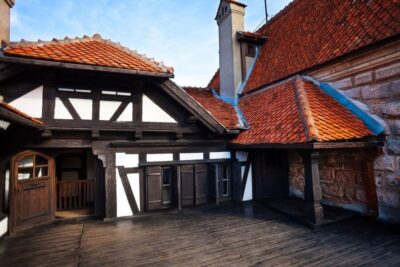
- Bucharest: Dracula’s Castle, Peles Castle, & Brasov Old Town★ 4.5 · 17,858 reviews
- Bucharest: Dracula Castle, Peles Castle & Brasov Old Town★ 4.6 · 10,891 reviews
- Bucharest: Dracula’s Castle, Peleș Castle & Brașov Day Trip★ 4.4 · 6,100 reviews
- Bucharest: Palace of Parliament Tickets and Guide★ 4.3 · 3,182 reviews
Italian emigration in Bucharest, told where it happened
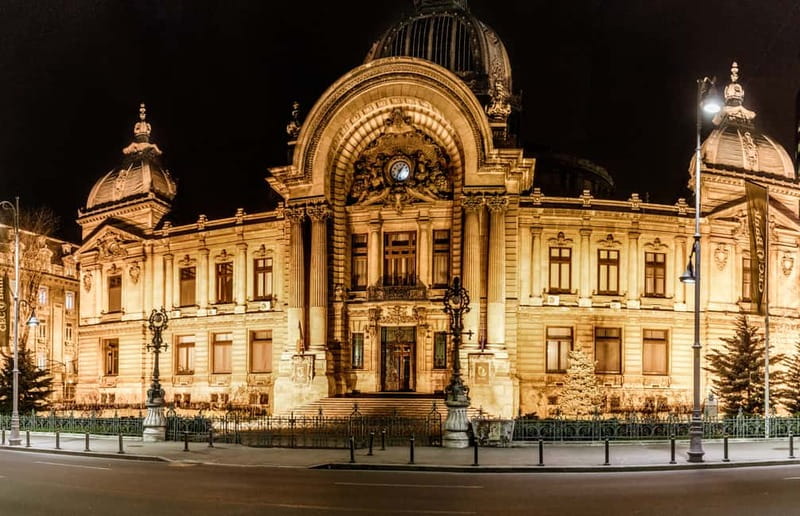
This tour’s big idea is simple: Italian immigration left marks in Bucharest, and you can spot many of them in the city’s old center. Instead of treating history like a lecture, the walk uses buildings and public squares as reference points, so the story stays anchored to what you see.
The theme focuses on the late 18th century and early 19th century, a period when Italian people came to Bucharest and influenced the city’s development. You will learn how that influence shows up in places connected to civic life, culture, banking, and faith. Even if you only catch a few names and dates, the route helps you understand the logic of the city layout: why certain institutions sit where they do, and why particular streets became important.
What I like most is that the tour does not feel like a generic “Bucharest highlights” shuffle. It is more like learning to read the city with Italian context. When you move from the Dambovita River area into Victory Road, you are basically switching from one layer of the city to another, guided by the same theme.
Crossing into the Dambovita River area and the Palace of Justice
You start at Transylvanian Wonders SRL on Bulevardul Natiunile Unite 4, Bloc 107/A, then head to Piata Natiunile Unite for the actual meeting spot. The key detail is that you meet 100 meters from the office, so I’d treat the Piata location as the true “start line,” not the office door.
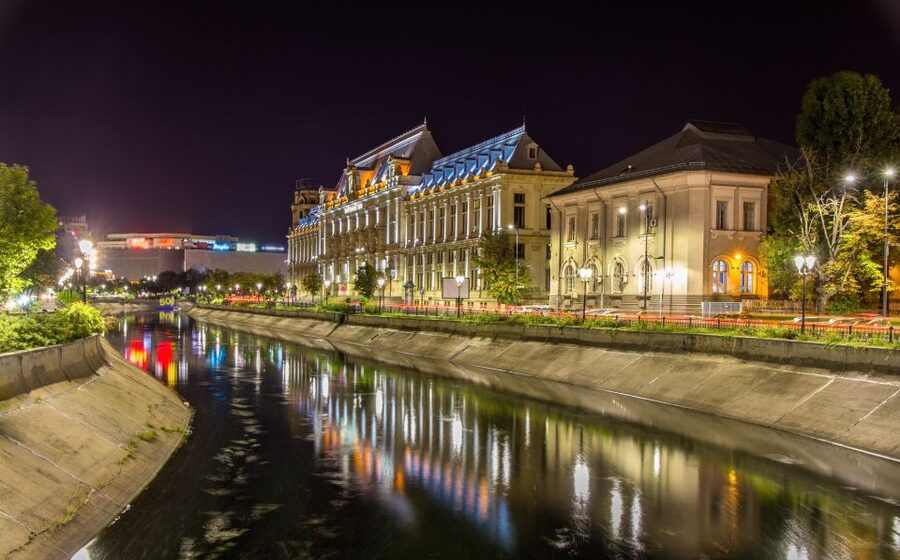
From there, the tour crosses the Dambovita River area. One of the named highlights is the Palace of Justice right by the river, and this is a smart first visual, because it gives you a sense of Bucharest’s scale and form early on. It also sets up the rest of the day, since you will later see how Italian influence ties into major public institutions and prominent streets.
Practical note: this is a walking tour, so comfort matters. Bring comfortable shoes, and dress for weather since you are outside for most of the 2 hours. If it is hot, plan to pace yourself at the start, because the pace you get in the first 15 to 30 minutes sets the tone for the rest of the walk.
Victory Road: the street that ties the whole story together
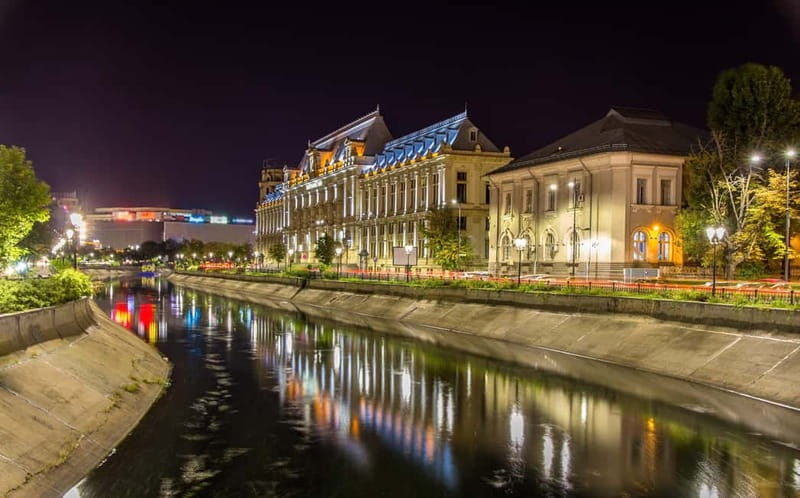
The tour’s heart is Victory Road, described as the most famous street in Bucharest, and it really is the spine of the experience. You step into a surreal feeling of history and beauty that you simply cannot replicate from a map. Walking helps you notice details, proportions, and how the street connects different landmarks.
As you go, you will follow the traces of Italian immigration and how Italians influenced Bucharest. The guide connects that theme to the specific places you pass, not just the overall idea. That matters, because it keeps you from getting lost in vague “somebody important once lived here” storytelling.
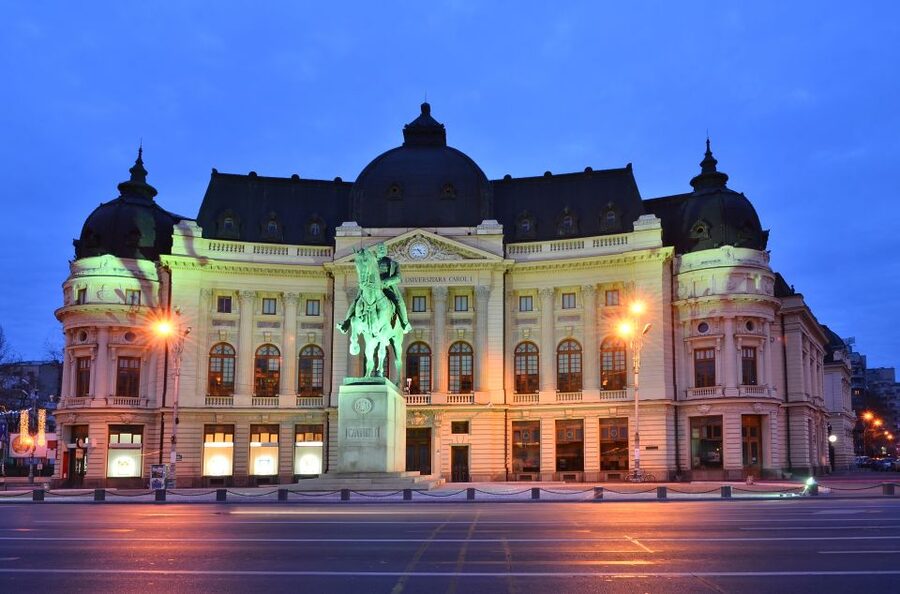
You will pass key stops tied to the theme, including the National History Museum, the CEC Palace, Revolution Square, the Atheneum, and the Italian Church. These are not random big attractions. They are the types of places where cultural and institutional influence tends to show up, which is exactly what this tour is trying to explain.
One caution: Victory Road and the adjacent squares are major public areas. Even if you do not feel “crowded,” you still need patience for pedestrian flow and for stopping at viewpoints. A guide who knows how to time pauses helps a lot, and the reviews strongly suggest that the guides do a good job keeping things moving without rushing you.
Different day out, same corner of Romania:
CEC Palace, Revolution Square, and the old Senate house
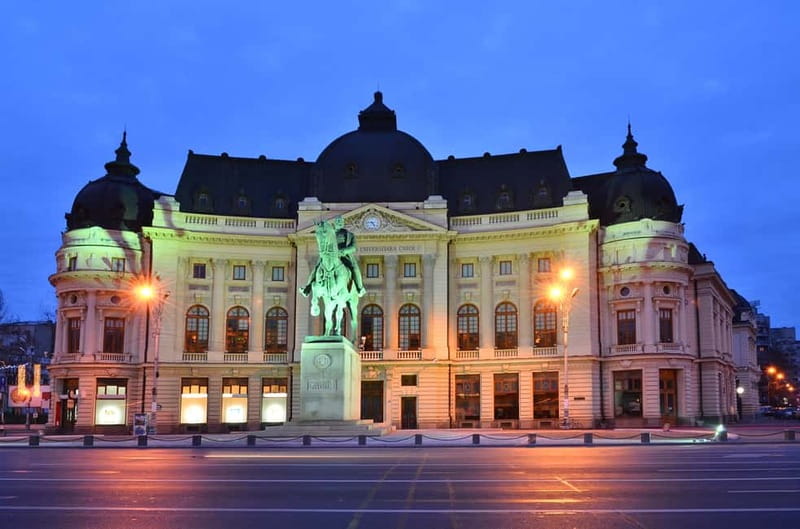
Some stops are famous because of what they are. Others are famous because of what they represent. The CEC bank building is one of your anchor points here. The tour frames it within Bucharest’s Italian influence story, so you are not just admiring an impressive facade. You are being asked to see the building as part of the city’s development.
Then you head to Revolution Square, and this stop includes the old Senate house as another highlight. Squares like this are where the city’s identity gets concentrated. You get open space for perspective, plus the sense that you are standing at a crossroads of civic power and public life.
How to get more out of this segment: watch how the buildings relate to each other. When you can see the lines of sight between the major structures, the history starts to feel less abstract. The guide’s explanations help, but your “read” of the square is what makes it stick.
If you want photography, this is where good timing helps. Stand where the guide suggests, then shift your position slightly rather than trying to force one perfect shot from a single spot. You will thank yourself later when you review your pictures and realize you captured more of the buildings’ context.
Atheneum and the cultural layer of the Italian presence
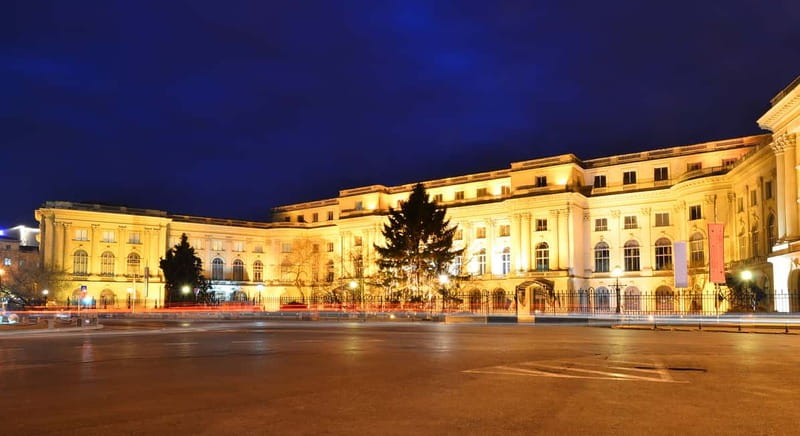
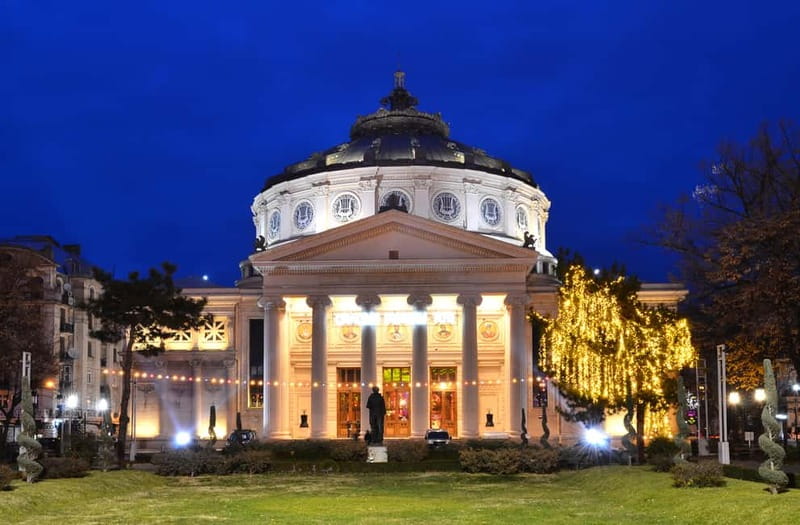
You will also pass the Atheneum as part of the Victory Road storyline. Even if you only know it by reputation, it helps to see it placed within a broader theme. This tour treats culture and public institutions as part of the same historical web, not separate chapters.
The balance here is important. The tour is not only about grand buildings and official streets. It also gives you a sense that Italian migration affected daily life and the city’s cultural identity. By the time you reach the Atheneum and nearby landmarks, you are starting to understand that influence is not one big event. It is a chain of decisions, communities, and institutions.
The most useful thing the guide does in these cultural segments is connect the visual to the story. That is why the guide quality matters so much here, and the reviews back that up. People praised guides, including Roberto and Daniel, for strong explanations and for answering questions clearly as you walk.
The Italian Church stop and ending in Old Town
A major highlight is the Italian Church, and there is a strong hint in reviews that the church portion is a standout moment. One review described a church stop as breath-taking and praised the guide for explaining the history and pointing out significant buildings. Even without knowing the details in advance, that means you should plan to slow down a little here and let the guide’s talking points land.
This is also where the tour theme becomes easiest to feel. Institutions of faith carry identity over time, and seeing the church in the middle of the larger “Italian traces in Bucharest” route ties the whole experience together. You are not just collecting names, you are seeing one of the clearest physical signals of a community’s presence.
After the church and the remaining city stops on the way back, the tour ends in Bucharest’s old town with a quick recap of the historic importance of Italian immigration in Bucharest and Romania. I like this ending style because it helps you consolidate what you learned while the details are still fresh in your head. You finish close enough to continue exploring on your own, but with enough direction that you do not wander aimlessly.
Price, time, and what $11 buys in Bucharest
Let’s talk value. The price is $11 per person for a 2-hour guided walk. For central Bucharest, that is a pretty friendly rate, especially when you consider the number of major landmarks packed into the route: Palace of Justice by the Dambovita River, Victory Road highlights like National History Museum and CEC Palace, plus Revolution Square and the Atheneum area, and then the Italian Church.
Time also matters. Two hours is long enough to learn the theme and see several key buildings, but short enough that you are not stuck for a half-day. It fits well as a first or second outing, especially if you are trying to understand Bucharest before expanding into neighborhoods further out.
One important practical detail: the tour is in Italian. If you are comfortable in Italian, this can be a big plus, because you are hearing history through a guide who lives the subject. If you are not, you might still enjoy the visuals, but the experience will depend on how much you catch. When you book, it is worth checking what language support is available.
How the guides shape the experience (Roberto and Daniel stand out)
This is one of those tours where the guide makes a visible difference. Multiple reviews praised guides for being kind, available, punctual, and genuinely invested in the subject.
Roberto was singled out for being very helpful and for giving explanations filled with curiosity and even light, fun anecdotes. Reviews also praised his Italian ability and said he delivered plenty of information not only about the tour’s theme but also about Romania’s broader history. That kind of context is exactly what turns a walk into a learning experience.
Daniel also received strong feedback, especially for being informative about what you visit and about the city in general. People mentioned that he could answer questions and had a good sense of humour, and one booking noted that he accommodated a specific start-from-hotel request. That tells me you will likely get more than scripted remarks, which is a big deal in a themed walking tour.
So here is my advice: show up with questions. Ask what you should notice on the next facade, ask why a square matters, ask how Italian influence shows up in daily life. When the guide is good, those answers turn the walk into something you remember.
Who should book, and who should skip
I think this tour is a great fit if you want:
- an organized way to understand Bucharest’s old center through one clear theme
- a walking route that mixes big landmarks with a more specific story
- a local guide who can explain what you see and answer questions, especially if you like Italian
You might skip it if:
- you do not want to walk for 2 hours
- you cannot do well with an Italian-language guided format
- you need low-impact routes, since there is a stated limit of not suitable for people over 95 years
Also, keep an eye on the meeting spot detail. The meeting is in Piata Natiunile Unite, 100 meters from the office on Bulevardul Natiunile Unite 4. One negative experience in the feedback involved difficulty finding the office due to lack of signage, so I’d rather be early and positioned correctly than risk wasting time.
Should you book the Italian emigration in Bucharest tour?
Book it if you want a focused, walkable introduction to Bucharest that links Italian immigration to real places you can see. The $11 price for a 2-hour guided route is good value when you will visit multiple major landmarks, including Palace of Justice, CEC, Revolution Square, the Atheneum area, and the Italian Church.
Pass if you want a museum-only day or if Italian-language guiding is a problem for you. Also, if you rely heavily on finding places by signage, plan to arrive early and use the Piata meeting point as your anchor.
If you decide to go, pack your patience for a city-center walk and come with curiosity. This is the kind of tour where a few small questions make the story click fast.
FAQ
How long is the tour?
The tour duration is 2 hours.
Where do I meet the guide?
Meet your guide at Transylvanian Wonders office on Bulevardul Natiunile Unite 4, Bloc 107/A. You meet in Piata Natiunile Unite, 100 meters from the office.
How much does the tour cost?
The price is $11 per person.
What language is the tour offered in?
The tour language is Italian.
What should I bring?
Wear comfortable shoes and bring weather-appropriate clothing.
Is audio recording allowed?
No, audio recording is not allowed.
Is there a refund if I cancel?
Yes, there is free cancellation, with cancellation up to 24 hours in advance for a full refund.
Is the tour suitable for everyone?
It is not suitable for people over 95 years.
Newest Bucharest write-ups
- Half Day Tour in Bucharest
★ 5.0 · 1 review - Private transfer to BRASOV
★ 5.0 · 1 review - Bucharest: Capture the most Photogenic Spots with a Local
★ 5.0 · 1 review - Bucharest Private Custom Walking Tour with Guide (Private Tour)
★ 5.0 · 1 review - Transfer Bucharest to Constanta / Mamaia
★ 5.0 · 1 review - Uncover Transylvania: Private 2-Day Tour Bears & Medieval Wonders
★ 5.0 · 1 review - 7-Days Grand Romania tour from Bucharest
★ 5.0 · 1 review
Bucharest Experiences, compared.
Dracula’s Castle, Peles Castle, & Brasov Old Town
Read our review →
Dracula Castle, Peles Castle & Brasov Old Town
Read our review →
Dracula’s Castle, Peleș Castle & Brașov Day Trip
Read our review →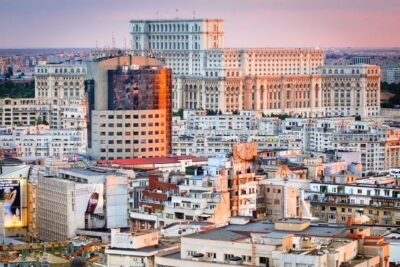
Day Trip to Dracula Castle, Peles Castle & Brașov
Read our review →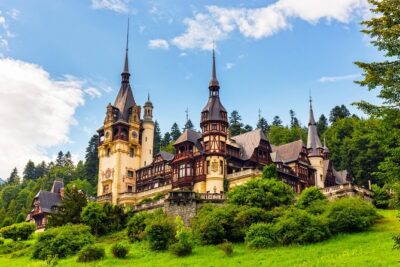
Bucharest to Dracula Castle, Peles Castle and Brasov Guided Tour
Read our review →