
Reviewed · CLUJ-NAPOCA EXPERIENCES
Clasic Tour of Cluj Napoca
One careful route, ten major sights, and it all fits in 2.5 hours. I love how this tour strings together Cluj-Napoca’s best-known buildings with clear storytelling, and it actually includes time to go inside key places. You also get a licensed guide, and on my tour the local guide, Manuela, handled the details with confidence and spoke French well.
What I liked most was the mix of styles in one sweep. You start with the Gothic Catedrala Sfantul Mihail, then pivot to Baroque highlights like the Piarist Church and Bánffy Palace, plus some stops that feel different from the usual church-only routes.
One thing to watch is timing if you’re visiting in late fall. Starting November 1st, the Reformed Church on Wolf Street has a visiting time cutoff of 2 PM Monday to Friday, and tours booked after 1 PM may have to skip that entrance.
In This Review
- Key highlights you should not miss
- Why this 2.5-hour Cluj-Napoca walk fits real travel days
- Meeting at Piața Unirii: what’s included, what to bring
- Stop-by-stop: from St. Michael to Bánffy Palace
- Stop 1: Catedrala Sfantul Mihail (go inside the Gothic centerpiece)
- Stop 2: Piarist Church (Baroque, Holy Trinity, and the Virgin Mary icon)
- Stop 3: Babeș-Bolyai University (academic Cluj-Napoca, not just old stone)
- Stop 4: Reformed Church on Wolf Street (medieval church, coat-of-arms collection, and cutoff dates)
- Stop 5: Turnul Croitorilor (a preserved corner tower with a story)
- Stop 6: Muzeul Trovanților (Trovanti, “growing” rocks, and the water connection)
- Stop 7: Teatrul Național Lucian Blaga (opera and National Theatre in the same building)
- Stop 8: Catedrala Mitropolitana Adormirea Maicii Domnului (Byzantine architecture and a funny construction story)
- Stop 9: Iuliu Maniu Street (strada oglindă, symmetrical planning, and a Haussmann feel)
- Stop 10: Bánffy Palace (Baroque grandeur, and what it became)
- Value and pricing: what $48.16 really buys you
- Best for you if you want architecture with a story (and a realistic pace)
- Practical tips so your tour day goes smoothly
- Should you book the Clasic Tour of Cluj Napoca?
- FAQ
- How long is the Clasic Tour of Cluj Napoca?
- Where does the tour start and end?
- Is the tour in English, and is it private?
- What’s included in the price?
- Are there any entrances that are not guaranteed?
- Is there a cutoff date for the Wolf Street church?
- What is the cancellation and weather policy?
Key highlights you should not miss
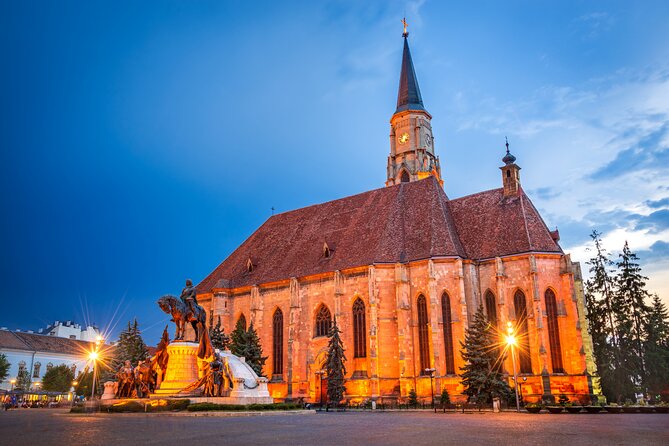
- Inside the Gothic Catedrala Sfantul Mihail in the main square, not just an exterior pass-by
- Free admissions at every listed stop, plus bottled water from the tour
- Wolf Street Reformed Church coat-of-arms collection, including a heads-up about the November time cutoff
- Muzeugul Trovanților (Trovanti Museum), where you’ll see geological formations explained in a way that makes sense outdoors
- Teatrul Național Lucian Blaga and the shared opera-theatre building concept, built by Austrian architects Ferdinand Fellner
- Strada oglindă (Iuliu Maniu Street), a clean example of 19th-century symmetrical planning
Other Cluj Napoca days worth the drive
- Curly Tour – Day trip from Cluj 🙂★ 5.0 · 330 reviews
- Cluj: Turda Salt Mine, Corvin Castle, Alba Carolina Tour★ 4.8 · 184 reviews
- Cluj-Napoca: 2.5-Hour Guided Walking Tour★ 4.8 · 104 reviews
- From Cluj: Turda Salt Mine, Gorge, and Remetea Full-Day Trip★ 5.0 · 84 reviews
Why this 2.5-hour Cluj-Napoca walk fits real travel days
Cluj-Napoca can be a lot to “figure out” on your own, because the city spreads in multiple directions. This tour keeps you moving but not rushing, with a steady rhythm of about 10 to 25 minutes at each stop. That length is perfect if you want major highlights plus explanations, without losing half a day.
I also like that it covers both religious and civic landmarks. You’re not only seeing churches, you’re also getting university life at Babeș-Bolyai University, a major opera and theatre building, and the kind of grand palace that tells you how the city grew.
Finally, it is offered in English, which matters here. If you prefer guided clarity over reading everything off placards, you’ll appreciate how the route is structured around understanding what you’re looking at.
Meeting at Piața Unirii: what’s included, what to bring
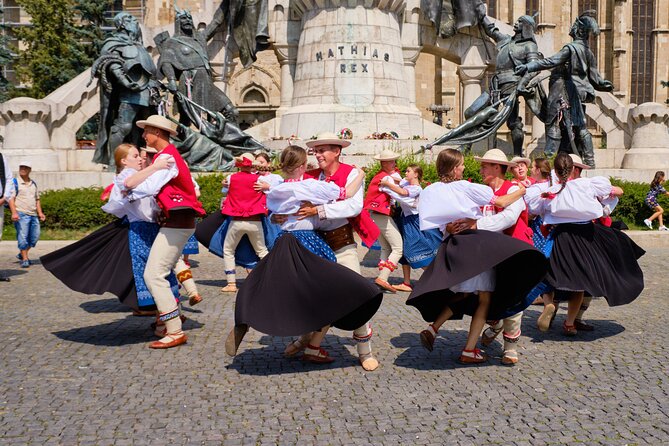
The tour starts at Piața Unirii, Cluj-Napoca, and it ends back at the same meeting point. That simple loop means less hassle searching for your next location and a quick reset if you want to grab coffee afterward.
What’s included is refreshingly straightforward: a guide with a National License and bottled water. Admission is free for all listed stops, which can make the price feel less like a “tour fee” and more like paying for the guide and the route planning.
For what to bring, think walking shoes. You’ll be on foot for a range of city blocks, and your best experience comes from being comfortable standing and viewing interiors where allowed. A mobile ticket is part of the setup, so have your phone charged.
Two extras I’d keep in mind: service animals are allowed, and the route is described as suitable for most travelers. If you’re traveling with mobility needs, you should still plan for street crossings and time on your feet because the itinerary includes multiple stops.
Stop-by-stop: from St. Michael to Bánffy Palace
This route is designed like a guided circuit through different layers of Cluj-Napoca. You’ll notice how the city’s story changes as the architecture shifts, and your guide ties those transitions together so it feels like one narrative, not ten unrelated photos.
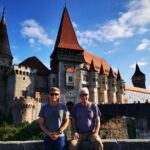
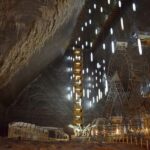
Different day out, same corner of Romania:
Stop 1: Catedrala Sfantul Mihail (go inside the Gothic centerpiece)
You begin at Catedrala Sfantul Mihail, described as a Gothic jewel and a major church in the main square. What I like here is the build-up of the story, from a small chapel outside the city walls to the full edifice you see today.
This stop is also where you get the most “wow” from interiors. The tour includes admission for the church interior, and it’s the kind of place where the guide’s context helps you notice details you might otherwise gloss over. You get about 25 minutes, which is enough to see the main elements without feeling herded.
Stop 2: Piarist Church (Baroque, Holy Trinity, and the Virgin Mary icon)
Next is the Piarist Church, an imposing Baroque monument dedicated to the Holy Trinity. The key religious artifact is the icon of the Virgin Mary with the Infant, and having that pointed out makes your viewing time more meaningful.
This stop is about 15 minutes, and interior access depends on whether it’s open. If it is open, you’ll get that extra layer of seeing the Baroque style from the inside. If it’s closed, you still get a guided orientation so you know what to focus on from outside.
Stop 3: Babeș-Bolyai University (academic Cluj-Napoca, not just old stone)
Then the tour shifts to the Universitatea Babeș-Bolyai din Cluj-Napoca, the academic heart of the city. You spend around 15 minutes here, and the value is less about entering and more about understanding how the city’s identity includes its students and campus culture.
I find this stop helpful because it breaks the “church palace loop.” It gives you a sense of how Cluj-Napoca functions today, not only how it looked centuries ago.
Stop 4: Reformed Church on Wolf Street (medieval church, coat-of-arms collection, and cutoff dates)
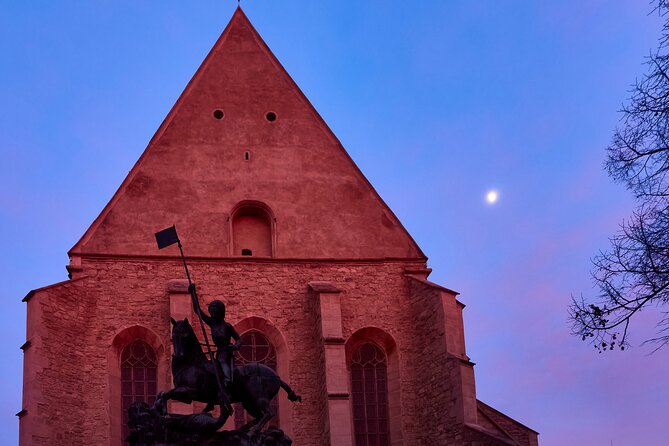
The Reformed Church on Wolf Street is where you’ll get something visually distinctive. It’s a majestic medieval church built in the late 15th century, and one highlight is the largest collection of coats of arms from this part of Europe.
You get about 20 minutes, and you enter the church to admire the collection. Here’s the practical catch: starting November 1st, visiting time ends at 2 PM Monday to Friday, and any tour booked later than 1 PM may need to skip this entrance. If Wolf Street is on your must-see list, schedule your tour early in the day, especially in that window.
Stop 5: Turnul Croitorilor (a preserved corner tower with a story)
Next is the Turnul Croitorilor, described as the best preserved corner tower of the medieval city. At only about 10 minutes, it’s not meant to be a long pause, but it is useful for visual anchoring.
I like tower stops because they help you map the city back into a mental model of older Cluj. Even if you’re not a medieval-history person, a guide can make the tower feel like part of a real urban system, not just a photo spot.
Stop 6: Muzeul Trovanților (Trovanti, “growing” rocks, and the water connection)
The tour then heads to Muzeul Trovanților, a museum built around trovanti living and moving geological formations. The key concept is straightforward: trovants are sedimentary rock formations with hard stone cores and sand exteriors that can seem to “grow” when exposed to water.
Even if you’ve never heard the word trovanti before, the way this is explained is meant to make the phenomenon understandable in a walk-and-look setting. You get about 10 minutes here, so you’ll want to be present for your guide’s explanation rather than trying to read everything yourself.
Stop 7: Teatrul Național Lucian Blaga (opera and National Theatre in the same building)
Now you’re at Teatrul Național Lucian Blaga, the opera house built between 1904 and 1906 by the Austrian architects Ferdinand Fellner. You’ll hear how the opera shares the same building with the National Theatre in Cluj-Napoca, which gives you a sense of how different performing arts were housed together.
This stop is about 10 minutes. It’s short, but architecture fans tend to like it because it’s a clear example of early 20th-century European influence and planning.
Stop 8: Catedrala Mitropolitana Adormirea Maicii Domnului (Byzantine architecture and a funny construction story)
Then comes Catedrala Mitropolitana Adormirea Maicii Domnului, described as a “marvelous piece of Byzantine architecture.” The tour includes about 15 minutes here, plus a funny story about its construction.
That kind of anecdote matters more than people expect. When a guide shares a construction story, it turns a building from an object into a human project with obstacles and personalities.
Stop 9: Iuliu Maniu Street (strada oglindă, symmetrical planning, and a Haussmann feel)
Next is Iuliu Maniu Street, built during the 19th century with a symmetrical arrangement and an eclectic architectural style tied to the Haussmann urban trend. The street is commonly called strada oglindă, or mirror street.
You spend about 20 minutes here, and this is one of the best stops for anyone who likes “reading” a city layout. Symmetry is easier to appreciate if you stand back and look at how facades repeat and align, not just if you pass by while walking.
Stop 10: Bánffy Palace (Baroque grandeur, and what it became)
You finish at Bánffy Palace, an 18th-century Baroque masterpiece. The palace was once the residence of the Bánffy family and now houses the National Museum of Art.
At around 10 minutes, you won’t have time to become a museum expert, but you will understand why this building is central to Cluj-Napoca’s image. It’s a great wrap-up because the route ends with a strong visual payoff and a practical next step if you want to go deeper on your own.
Value and pricing: what $48.16 really buys you
At $48.16 per person for about 2 hours 30 minutes, the price makes sense when you factor in what’s covered. You’re not just paying for someone to point things out. You’re getting a licensed guide, bottled water, and free admission for the listed stops.
If you’ve ever tried to DIY a route like this, you know the hidden costs. Tickets, lost time, and figuring out which interiors are open can eat hours. Here, the tour structure is doing that work for you, so you can focus on seeing and understanding.
It also helps that the tour is offered in English and described as suitable for most travelers. That combination often means less friction and more time spent actually absorbing the sights.
One small note: the tour also mentions group discounts and that it is private with only your group participating. If you’re traveling with friends or family, that can improve your value. Just confirm what applies when you book.
Best for you if you want architecture with a story (and a realistic pace)
This tour is a strong fit for first-time visitors who want a curated overview without missing key landmarks. It’s also good if you like variety: Gothic, Baroque, Byzantine, and 19th-century urban planning, plus a change of pace with the trovanti geology.
If you’re the type who likes to see interiors when allowed, you’ll appreciate the stops that include church entry. If you’re more photo-focused, you’ll still get plenty of visual variety, but you may want to slow your own expectations and let the guide explain what you’re seeing.
The biggest decision point is timing in the November period. If your travel dates fall after Nov 1 and you book a later departure time, you might need to skip the Reformed Church on Wolf Street entrance. If that museum-like coat-of-arms collection is your top priority, book earlier.
Practical tips so your tour day goes smoothly
Here are the choices I’d make based on how the tour is structured and what can affect access.
Dress for good walking weather. The experience requires good weather, and if it’s canceled due to poor weather you’ll be offered a different date or a full refund.
Plan your schedule with the Wolf Street cutoff in mind. Starting November 1st, visiting ends at 2 PM Monday to Friday, and tours booked later than 1 PM may have to skip that entrance. If you want the interior, time matters.
Be ready for stops where access may depend on opening hours. The Piarist Church interior visit is conditional on whether it’s open. That’s normal for city churches, so your best move is to treat it as part of the guided experience, not a failure if it’s closed.
Finally, use the bottled water and pace yourself. The stops are short, so your energy should be steady across the walk. If you’re hungry, consider eating before the meeting so you can stay focused during the route.
Should you book the Clasic Tour of Cluj Napoca?
Book it if you want a fast, well-paced way to get major Cluj-Napoca landmarks with free entry stops and a guide who connects architecture to the city’s story. At $48.16, the value is strongest when you would otherwise pay tickets and waste time figuring out what to see.
Skip or choose another option if your dates are in late fall and you are specifically counting on the Reformed Church on Wolf Street interior visit. Also consider your personal priorities. This is not a deep study of one subject. It’s a smart overview built to help you understand the city quickly and then decide what to explore next on your own.
If you do book, aim to start early on weekdays around November 1st, bring comfortable shoes, and let your guide set the tempo. That’s how you get the most out of a tour that’s short enough to fit, but packed enough to matter.
FAQ
How long is the Clasic Tour of Cluj Napoca?
It lasts approximately 2 hours 30 minutes.
Where does the tour start and end?
The tour starts at Piața Unirii, Cluj-Napoca, Romania, and it ends back at the meeting point.
Is the tour in English, and is it private?
Yes, it is offered in English. It is private in the sense that only your group will participate.
What’s included in the price?
The tour includes a guide with National License and bottled water. Admission tickets for the listed stops are free.
Are there any entrances that are not guaranteed?
Access to St. Michael’s Church Tower is not mandatory. Also, the Piarist Church interior is included only if it is open.
Is there a cutoff date for the Wolf Street church?
Yes. Starting November 1st, visiting time ends at 2 PM, Monday to Friday. Any tour booked later than 1 PM may have to skip this entrance.
What is the cancellation and weather policy?
You can cancel for a full refund up to 24 hours in advance. The experience requires good weather, and if it is canceled due to poor weather, you will be offered a different date or a full refund.
Newest Cluj Napoca write-ups
- Transylvania’s Trail: Sibiu, Bran Castle, Brasov and Sighisoara
★ 5.0 · 1 review - Via Ferrata Transylvania
★ 5.0 · 1 review - Sibiu and wine tasting, day tour from Cluj
★ 5.0 · 2 reviews - Cluj Insight: Walking tour with a travel writer & historian
★ 5.0 · 2 reviews - 3-Day Halloween Tour in Transylvania from Cluj-Napoca
★ 5.0 · 2 reviews - Private city tour in Cluj-Napoca
★ 5.0 · 2 reviews - Discover Corvin Castle in Hunedoara and Deva Fortress
★ 5.0 · 2 reviews
Cluj-Napoca Experiences, compared.
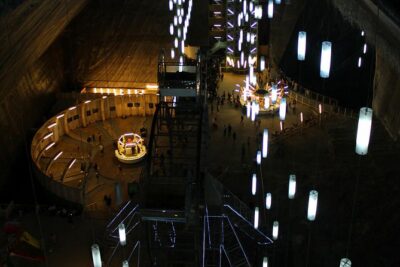
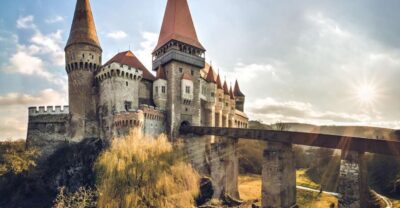
Turda Salt Mine, Corvin Castle, Alba Carolina Tour
Read our review →
Turda Salt Mine, Gorge, and Remetea Full-Day Trip
Read our review →
Turda Salt Mine, Corvin Castle and Alba Fortress from Cluj
Read our review →
Browse the lists this tour appears in