
Reviewed · BLACK SEA COAST TRIPS
Constanta: Full Day Tour from Bucharest to the Black Sea
Constanta turns a morning ride into a story. This full day tour takes you from Bucharest straight to the Black Sea, with time for the Museum of Archaeology and History and major sights in the historic center. What I like most is the contrast you get in a single day: Greek and Roman artifacts, then skyline views from a minaret, and finally Byzantine-style cathedral architecture. The one catch is pace and stairs, so if you want long solo beach time or have mobility limits, this is not the best match.
You also start learning before you even arrive. The drive includes a Danube crossing on a bridge first built in 1895 by Romanian engineer Anghel Saligny during the reign of King Carol I, plus a pass by a nuclear power plant associated with a Canadian company that began operation in the late 1970s. It is a fast way to get out of Bucharest and into the geography and engineering that shaped this corner of Romania.
After you reach Constanta, the day is built around easy-to-follow stops, with a shared-group format and an English-speaking guide. I’d plan your footwear like it is a walking day, because you’ll be climbing stairs at key viewpoints, and the most popular viewpoints are vertical. Still, if weather is kind, you can wrap it with an optional Black Sea dip, which is a great payoff after hours on the road.
In This Review
- Key Things to Know Before You Go
- Morning Highway to Constanta, Danube Bridge and the Route Out of Bucharest
- Museum of Archeology and History Constanta: Greek and Roman Layers
- Ovidiu Square and the Ovidius Statue by Ettore Ferrari
- Mosque Minaret Views and the Orthodox Cathedral by Ion Mincu
- Aquarium Constanta, Harbor Walk, and the Black Sea Feeling
- Lunch Timing, How to Use the Break Wisely
- Price and Logistics: Does $210 Feel Worth It?
- Who Should Book This Constanta Day Trip (and Who Should Skip It)
- Should You Book This Constanta Full Day Tour?
Key Things to Know Before You Go
- Museum-first morning so you beat the feeling of rushing later in the day
- Danube bridge history with the Anghel Saligny story on the way there
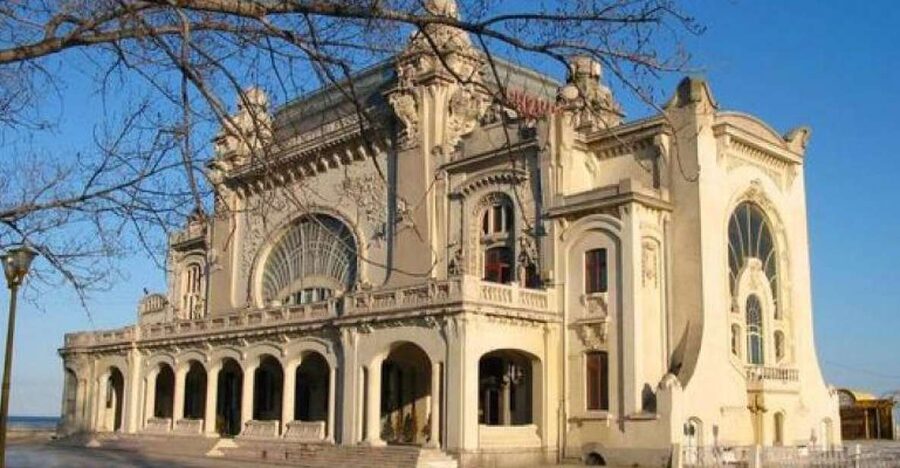
- Multiple architectural styles in one urban loop, Islamic and Orthodox among them
- Minaret tower views that give you a quick, high reward for your effort
- Black Sea time is real, with an optional swim if you bring your swimsuit
More of the Black Sea coast:
- Black Sea and Constanța City – Private Tour from Bucharest★ 5.0 · 67 reviews
- Constanta and Mamaia Day Trip from Bucharest★ 4.5 · 42 reviews
- From Bucharest: A Day by the Black Sea Shared Group Tour★ 4.5 · 38 reviews
- Constanta and the Black Sea Private Tour from Bucharest★ 4.5 · 22 reviews
Morning Highway to Constanta, Danube Bridge and the Route Out of Bucharest
You start early, with pickup and drop-off from your Bucharest location, and a departure at 8:00 AM. The first stretch is highway travel, and that matters because it makes a one-day itinerary feel possible without constant stop-and-go.
The Danube crossing is a highlight of the drive, not just a transfer. You’ll go over the bridge first built in 1895 by Anghel Saligny under King Carol I, a detail that gives the journey context right away. And shortly after, you pass the nuclear power plant that was built by a Canadian company and began in early 1978, so the route is not just scenery, it’s a quick lesson in how Romania’s infrastructure grew.
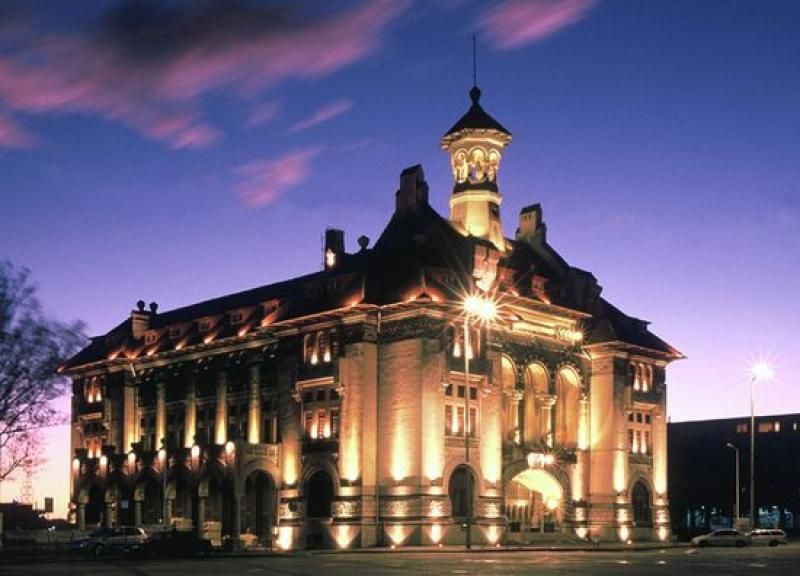
After about three hours of driving, you reach Constanta and head into the historical center. That timing sets expectations: you are not wandering Bucharest at all, you’re doing a full-day switch from city life to seaside and old-city sights.
Museum of Archeology and History Constanta: Greek and Roman Layers
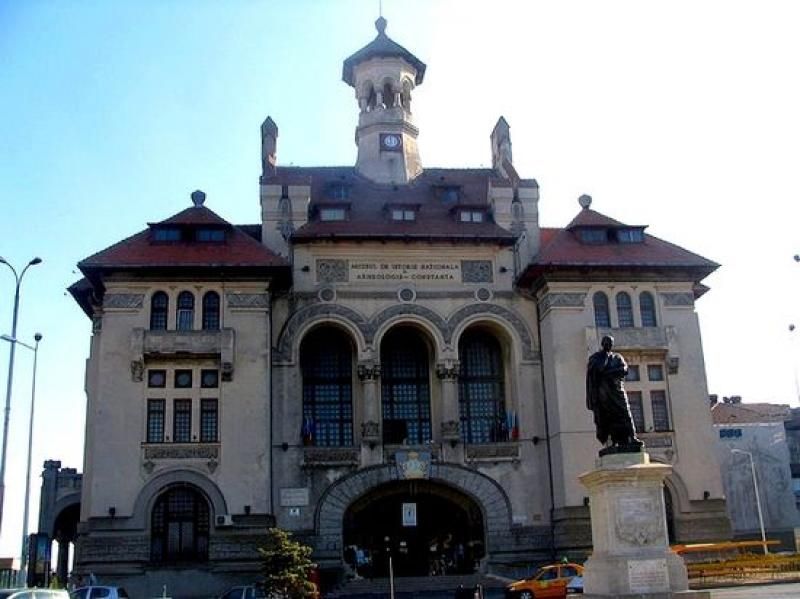
The museum visit is the anchor of the day, and it’s built for people who like artifacts you can actually read and connect to place. The Museum of Archeology and History Constanta was founded in 1878, so it carries the vibe of an established institution, not a rushed add-on.
You’re looking at relics and pieces tied to the Greek and Roman period. That’s the big draw, but the museum also gives you the sense that Constanta sits on top of older commercial routes and earlier urban life.
One specific highlight is the Roman Edifice with mosaic, discovered in 1959 by archaeological excavations. The catch is that it is temporarily closed for renovation, so you might not be able to see that mosaic edifice itself. Still, the museum as a whole remains worthwhile because it places the Roman period into a larger collection, and you will still get a strong introduction to what the area meant in antiquity.
If you care about how cities were built to trade, watch for how the museum frames the Roman mosaic as part of the commercial harbor dating back to the 4th century. That little connection turns “an old floor” into “a clue about how people moved goods.”
Ovidiu Square and the Ovidius Statue by Ettore Ferrari
After the museum, you move into the parts of Constanta where names and symbols stick. Ovidiu Square is where you’ll see the statue of Ovidius, representing Publius Ovidius Naso, who lived from 43 BC to 17 AD. The story attached to it is specific: Ovidius was buried under the gates of the Roman Citadel at what is now the statue’s location.
The statue itself was built in 1887 by Italian sculptor Ettore Ferrari, which gives you another useful layer. It’s a reminder that Constanta doesn’t only preserve Roman-era remnants, it also remembers them through later art and civic pride.
For me, the practical value of this stop is orientation. Once you’ve seen this, you start connecting the Roman references from the museum to the city streets you’re standing on. Even if you don’t love sculpture, it gives you a handle on what to look for next.
Other Bucharest days worth the drive
Mosque Minaret Views and the Orthodox Cathedral by Ion Mincu
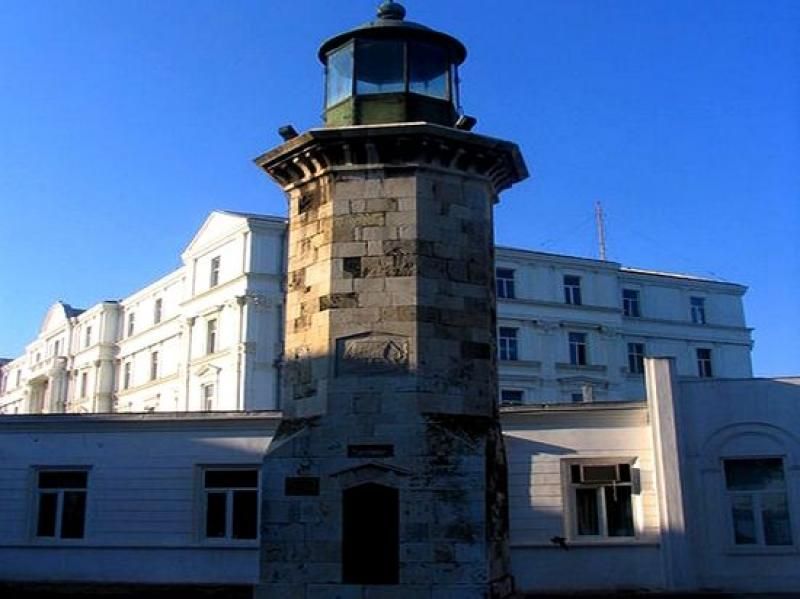
This is where the “three architectural styles” idea becomes real, because you’re not just ticking boxes. You’re moving between places that represent different faiths, eras, and design choices.
First up is the Muslim Mosque, built between 1910 and 1912 as a homage to Constanta’s local Muslim community. It was inaugurated in the presence of Carol I, and later it was renamed Mahmud the Second. These details matter because they show how a city adapts names and identities over time, not just how buildings sit still.
You can go up the minaret tower for panoramic views of the city. This is one of those “it’s worth it” moments, but plan for the stairs. The tour is not suited for people with walking impairments or wheelchair users, and that’s partly due to climbs like this.
After the mosque, you visit the Orthodox Cathedral, built between 1883 and 1895 by architect Ion Mincu. It’s recognized as a monument of Byzantine architectural style, and that distinction is a real visual change from what you’ll just climbed to see. Expect a more monumental, Orthodox feel, with the kind of style markers that tell you what era you’re looking at.
If you’re the type who likes architecture but hates long museum marathons, this is a nice balance. You get guided context, then you get to look with your own eyes.
Aquarium Constanta, Harbor Walk, and the Black Sea Feeling
Constanta’s seaside identity shows up after lunch planning, and it’s helped by two different types of stops.
The Aquarium Constanta was inaugurated in 1958 and was the first public aquarium in Romania. If it is open during your day, you’ll get to see a variety of fish species, including a large collection of sturgeon. If you arrive and it is temporarily closed for renovation, don’t panic. You still have the rest of the coastal atmosphere to enjoy, and the aquarium is only one piece of the day’s overall “sea vs city” contrast.
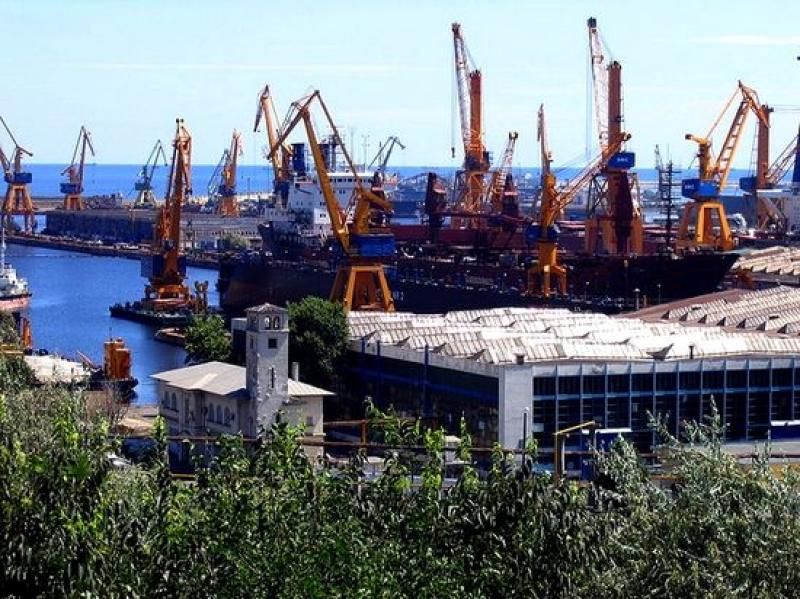
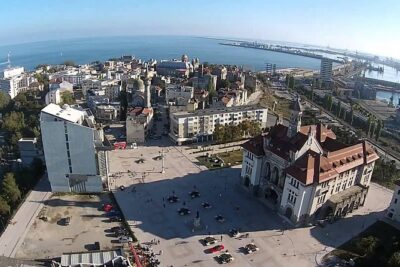
Then comes the harbor area. You’ll take a walk on what’s described as the largest harbor in Romania. Even without extra time for deep exploration, this stop gives you scale. It’s an easy way to feel that Constanta is not only a beach destination, it’s a working maritime hub.
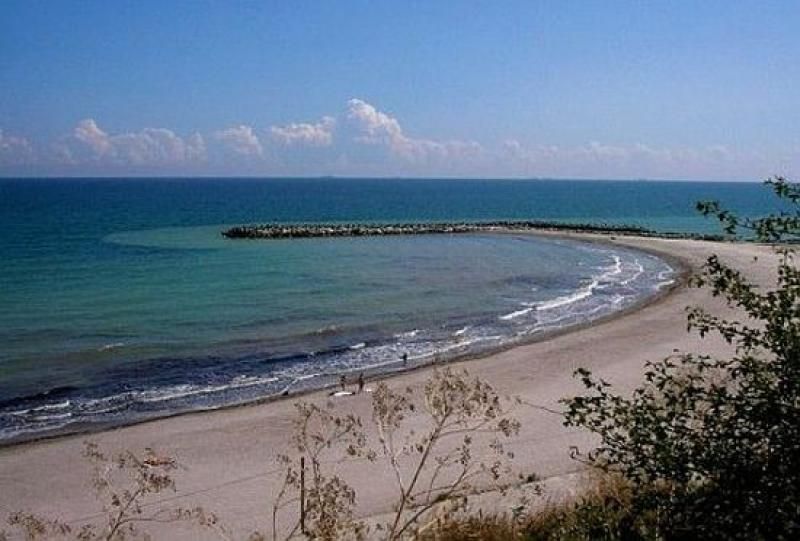
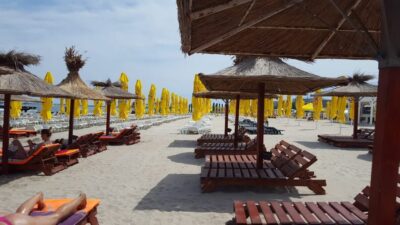
This is also where the Black Sea break becomes meaningful. If you want a sea reset, plan to wear the right layer for wind and bring your swimsuit if you’d like an optional bath. Weather decides, but the option is there when conditions cooperate.
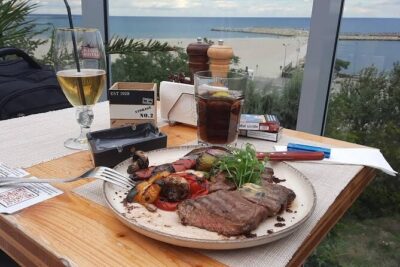
One practical note from real-day experience: when the day turns to the beach area, you may find the driver stays with the group and that can limit privacy. I’d treat the swim portion as your “me time,” and if you’re someone who wants an hour alone on sand, bring realistic expectations about shared-group rhythm.
Lunch Timing, How to Use the Break Wisely
Lunch is not included, and you should budget around 15 to 20 euros per person. That price range matters because it helps you avoid decision fatigue. You can plan to eat without hunting too long, since the tour schedule is built for a return drive by around 7:00 PM.
Because the tour includes a mix of museum time, stair climbing, and city walking, your best move is to eat early in the lunch window rather than waiting until you’re hungry and tired. If you leave the meal until you’re ready to collapse, you’ll lose the small energy you need for the harbor walk and any optional beach time.
I also recommend thinking of lunch as fuel, not a long sit-down experience. You will still get time near the sea, and that’s where you’ll feel the day payoff.
Price and Logistics: Does $210 Feel Worth It?
At $210 per person for a full day from Bucharest, you’re paying for transportation, an English-speaking guide, and a day packed with several major sights. The “value” here is not that it’s cheap, it’s that it compresses a lot of Constanta into one organized loop with minimal planning on your end.
The inclusions are straightforward: car or minibus with fuel included, pickup and drop-off in Bucharest, and an English-speaking guide. Entrance fees and lunch are not included, so your real trip cost will depend on what sites are open that day and what you choose to spend for food.
To judge whether this is a smart spend for you, ask two questions:
- Do you want a guide to connect Roman, Islamic, and Byzantine landmarks without you doing extra research?
- Do you prefer a structured day over building your own Constanta route and dealing with transit timing?
If you said yes, this price likely feels fair. If you’re traveling independently and already comfortable with public transit and museum ticketing, you could spend less by going on your own. But the time you save, especially with an early departure and an organized return, is a real benefit.
Who Should Book This Constanta Day Trip (and Who Should Skip It)
I see this tour as a good fit for adults and older kids who enjoy a mix of museum stops and walking in historic centers. It’s also a nice choice if you like when the guide can answer questions along the way, because the day gives you multiple chances to learn something new rather than hearing one lecture and then waiting.
The big limitations are practical:
- It is not suitable for families with children under 7.
- It is not suitable for people with mobility impairments or wheelchair users because of stair climbing.
- You should bring comfortable shoes, because several key moments rely on feet and stairs.
- Pets are not allowed.
Also, two sights you might expect can be temporarily closed. The Roman Edifice with mosaic and the aquarium are both noted as temporarily closed for renovation. That doesn’t erase the day, but it does mean you should come with flexibility and enjoy the rest of what’s open.
If your travel style is slow and beach-first, this is where you might feel friction. The day can include a beach break, but it is still organized sightseeing, not a long, solo seaside day.
Should You Book This Constanta Full Day Tour?
Book it if you want an organized, English-guided route that shows you Constanta beyond the beach, with a museum stop, major architectural landmarks, and a harbor walk. The biggest wins are the variety packed into one day and the fact that the drive itself has teachable context, from the historic Danube bridge story to what you pass on the way out of Bucharest.
Skip it or choose a different plan if you need lots of accessibility support, you cannot handle stairs, or you want hours of private beach time. Also, if you are specifically chasing the Roman mosaic edifice or the aquarium collections, remember both can be temporarily closed, depending on renovation schedules.
If you’re flexible, wear good shoes, and go in expecting a day that runs on a schedule, this tour can be a satisfying way to reach Romania’s Black Sea coast without spending extra days planning logistics.
Newest Bucharest write-ups
- Private transfer to BRASOV
★ 5.0 · 1 review - Half Day Tour in Bucharest
★ 5.0 · 1 review - Bucharest: Capture the most Photogenic Spots with a Local
★ 5.0 · 1 review - Bucharest Private Custom Walking Tour with Guide (Private Tour)
★ 5.0 · 1 review - Uncover Transylvania: Private 2-Day Tour Bears & Medieval Wonders
★ 5.0 · 1 review - Transfer Bucharest to Constanta / Mamaia
★ 5.0 · 1 review - Private Day Trip to Peles Palace, Dracula’s Castle and Brasov
★ 5.0 · 1 review
Black Sea Coast Trips, compared.
Black Sea and Constanța City – Private Tour from Bucharest
Read our review →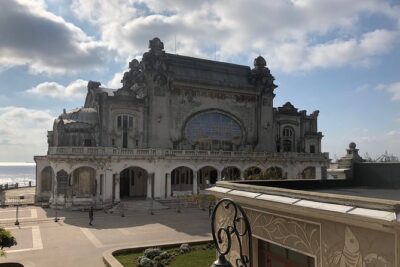
Constanta and the Black Sea Private Tour from Bucharest
Read our review →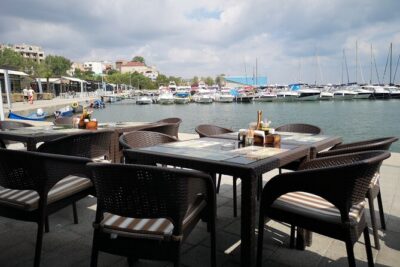
Constanta and the Black Sea Coast – Private Tour from Bucharest
Read our review →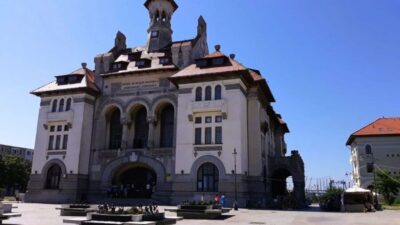
Private Bucharest Tour: Discover Constanța & Black Sea Coast
Read our review →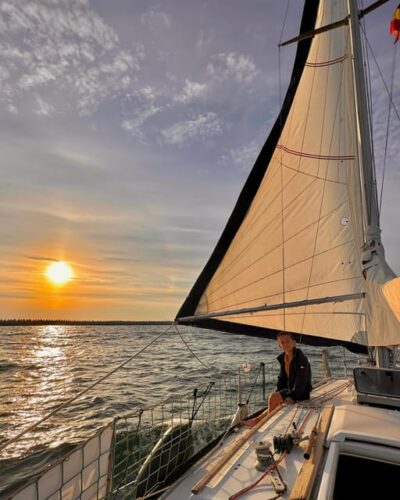
Browse the lists this tour appears in