
Reviewed · DRACULA'S CASTLE TOURS
Discover Transylvania: Peles, Bran, Sighisoara in 2 days
Two days, castles, and cobblestones in Romania. I love how this tight loop pairs Peles Castle with real medieval streets in Sighisoara. The good news is you see the classics fast, but the schedule is still a sprint, so you will spend a fair bit of time traveling between stops.
You get a small group, a private English-speaking guide, and door-to-door help with pick-up and drop-off. One possible drawback: with only 2 days, you will not have much time to wander slowly, so bring comfortable shoes and a flexible mindset.
In This Review
- Key points you’ll feel on the ground
- The 2-day Transylvania loop, what the rhythm really feels like
- Entering Peles Castle in Sinaia, royal style with a forest soundtrack
- Bran Castle and the Dracula story, myth first, facts second
- Brasov’s historic center, where medieval streets still steer you
- Overnight in Sighisoara, why one hotel night matters
- Sighisoara Clock Tower, 64 meters up and worth the effort
- Rupea Fortress or Prejmer, fortress views and fortress logic
- The Transfagarasan road, when the schedule swaps in the best scenery
- Transfagarasan, how to enjoy it without rushing
- Why the private guide style really changes the day
- Price and value at $695 per person, what you actually get
- Season planning: your biggest decision is Transfagarasan vs fortress time
- Getting the most out of 2 days: practical travel tips that matter
- Who this tour fits best, and who should adjust expectations
- Should you book this Transylvania 2-day tour?
- FAQ
- What is the duration and where does the trip end?
- What’s included in the price?
- Are meals included?
- Is Transfagarasan included every time?
- What languages are available for the guide?
- Is free cancellation available?
Key points you’ll feel on the ground
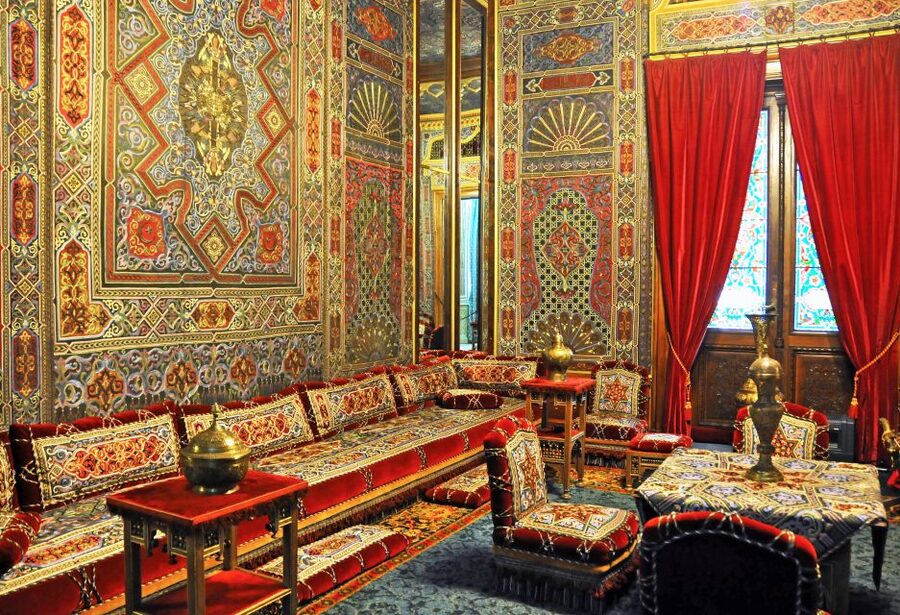
- Peles Castle, the royal highlight in a forest setting, now a national museum with a very refined feel.
- Bran Castle, Dracula lore without the hard proof. You will get the myth, then the context.
- Brasov’s medieval center gives you a pleasant break between big-ticket castles.
- Sighisoara’s Clock Tower view: 64 meters up, four floors, and a balcony perspective that changes how you see the town.
- Rupea and Prejmer fortresses or Transfagarasan road depending on season and weather.
- Small group, private logistics with modern transport, plus at least one centrally located hotel night with breakfast.
More Bran Castle runs from Bucharest:
- Bucharest: Dracula’s Castle, Peles Castle, & Brasov Old Town★ 4.5 · 17,858 reviews
- Bucharest: Dracula Castle, Peles Castle & Brasov Old Town★ 4.6 · 10,891 reviews
- Bucharest: Dracula’s Castle, Peleș Castle & Brașov Day Trip★ 4.4 · 6,100 reviews
- Bucharest: Day Trip to Dracula Castle, Peles Castle & Brașov★ 4.4 · 3,049 reviews
The 2-day Transylvania loop, what the rhythm really feels like
This trip is built like a classic Transylvania “greatest hits” circuit. You start with Sinaia and the royal-castle vibe, swing through Bran and the Brasov area, sleep in Sighisoara, then finish by returning to Bucharest at night. It sounds orderly on paper, but you will feel the pace: there are multiple big locations and not a lot of downtime between them.
That pace is exactly why it works for many people. If your vacation window is tight, you still get Dracula-adjacent landmarks, Saxon-era towns, fortress history, and even a proper road-view day. If you prefer slow travel, plan to come back to Romania later, because this one is about checking off key places efficiently.
The group size is limited to 14, and the transport is private, which helps a lot. A small group means fewer distractions, and private transport means you are not stuck riding with strangers while everyone’s timing falls apart.
Entering Peles Castle in Sinaia, royal style with a forest soundtrack
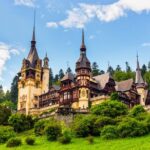
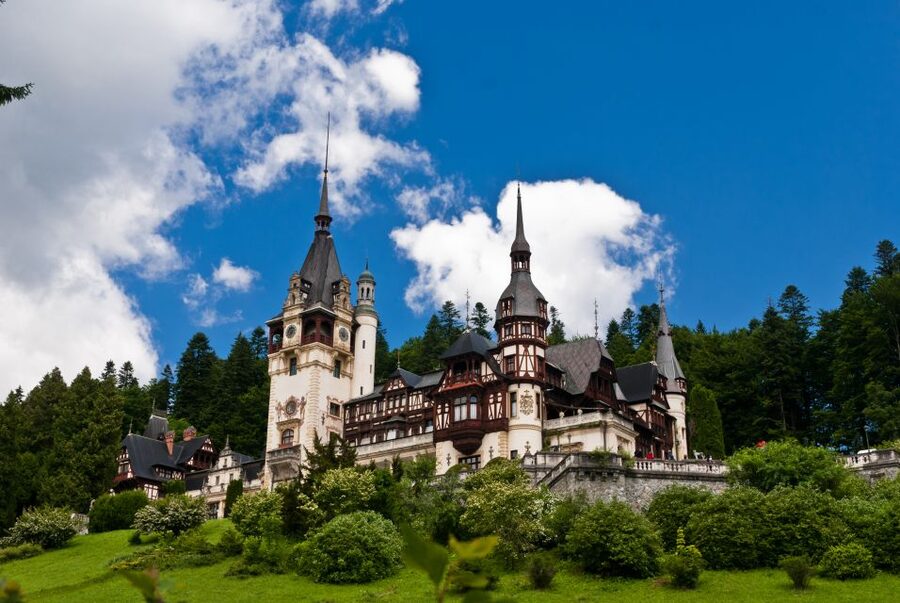
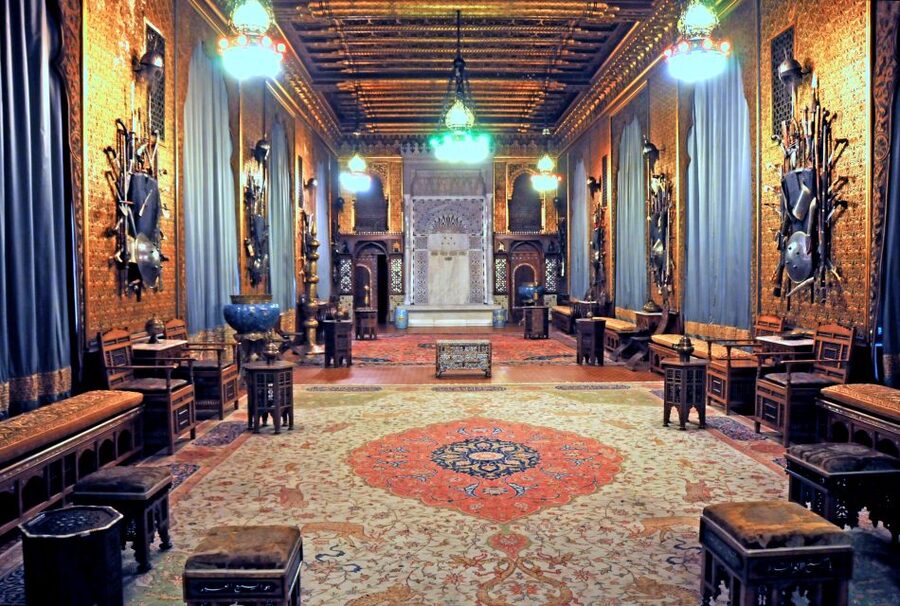
Peles is the first “wow” moment for many people, and I get why. You go to Sinaia, then straight into Peles Castle, which served as the summer residence for the Romanian royal family and now functions as the Peles National Museum. Even before you get into the details, the feel is different from the hilltop, fortress-at-all-costs look you will see later.
What I like most is that Peles gives you Dracula’s world without making it purely dark and spooky. It is elegant, museum-paced, and grounded in real royal life. It also has that forest-nearby atmosphere, so you are not just staring at stone. You are stepping into a place that looks like it was meant for escaping heat and crowds.
Practical tip: this is one of those stops where good walking shoes matter. You will likely be moving through corridors and courtyards, and you will want to actually look around, not just take a quick glance and rush on.
Bran Castle and the Dracula story, myth first, facts second
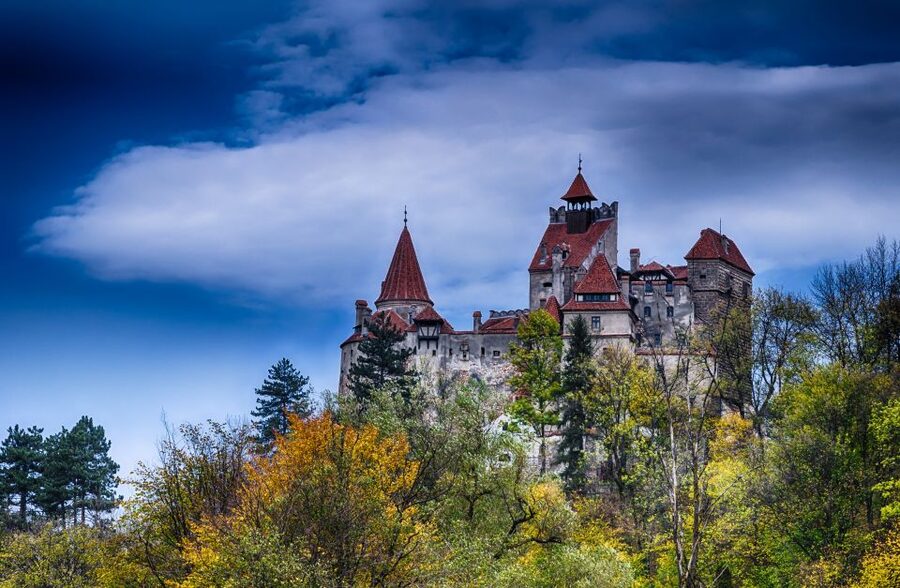
Bran Castle is where the tour goes full folklore. You visit after Peles, and you will hear the Dracula connection, even though Bran has no direct historical link to Vlad the Impaler. The important part here is the framing: popular lore keeps the association alive, and the guide’s job is to help you sort story from evidence.
I like that approach because it keeps the experience fun without turning it into pure mythology. You get the cultural power of the Dracula myth, then you get context so you understand what you are really looking at. Bran becomes less about “mystery proof” and more about how legends stick to places over time.
Drawback to consider: if you expect a history museum with deep documentation tied to Vlad, you might feel slightly underwhelmed. But if you want atmosphere, symbolism, and the Dracula-shaped identity of the region, Bran delivers.
Other ways to reach Peles Castle:
Brasov’s historic center, where medieval streets still steer you
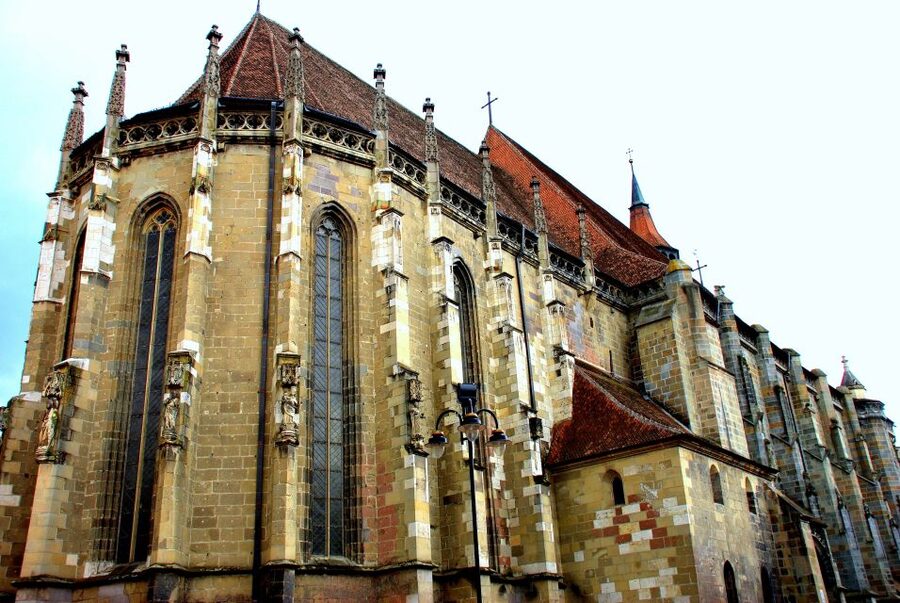
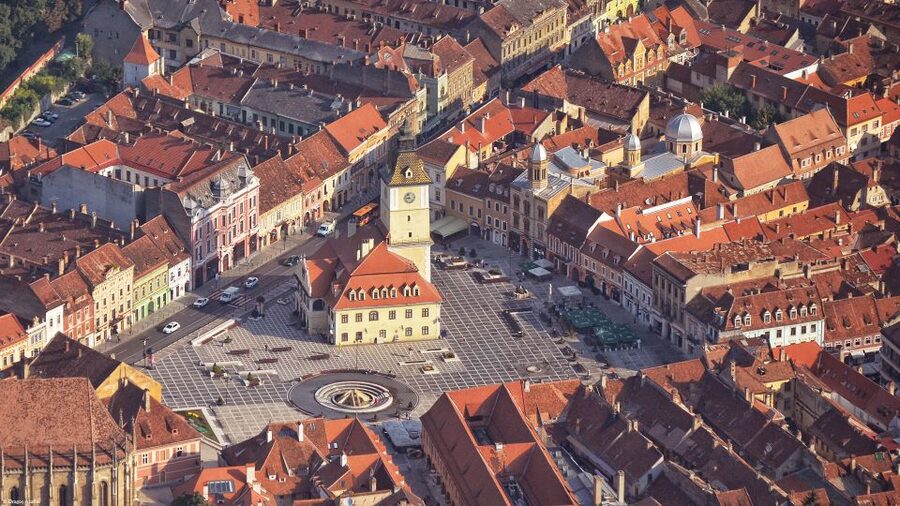
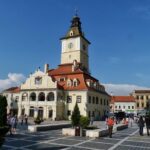
After lunch, you explore the historic center of Brasov. This is a smart placement in the schedule because it breaks up the castle-heavy energy with a town walk. Brasov gives you layers: medieval street patterns, old-town character, and a sense that life has been happening here long before today’s tourist season.
I find that walking through Brasov helps you make sense of the larger Transylvania story. Castles and fortresses can feel like separate worlds, but towns show the connection. People lived nearby, traded, built community networks, and survived wars that never quite finished rewriting their map.
If you are the kind of traveler who likes to pause and just observe, Brasov is where you can do it. The time is limited compared to a multi-day stay, but you still get enough to feel the town’s rhythm.
Overnight in Sighisoara, why one hotel night matters
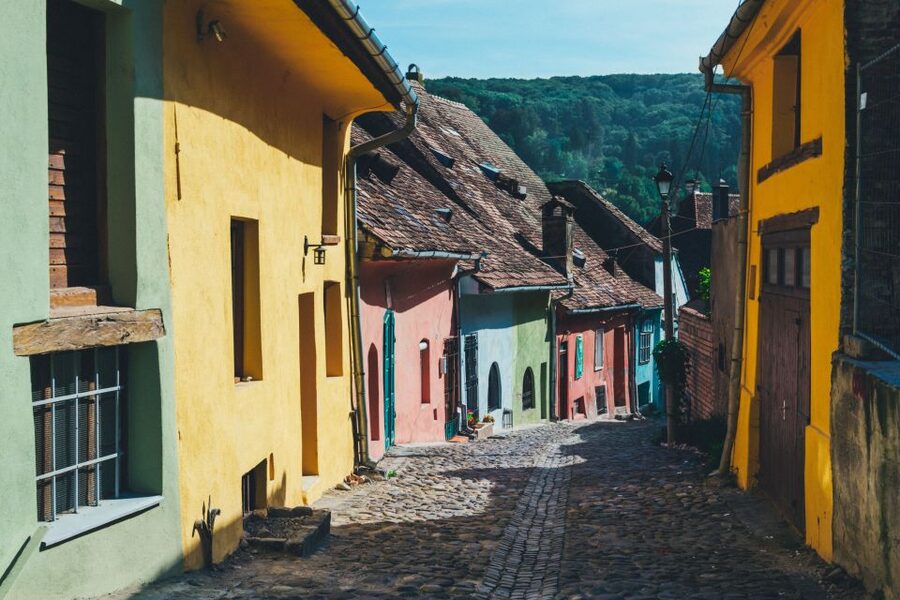
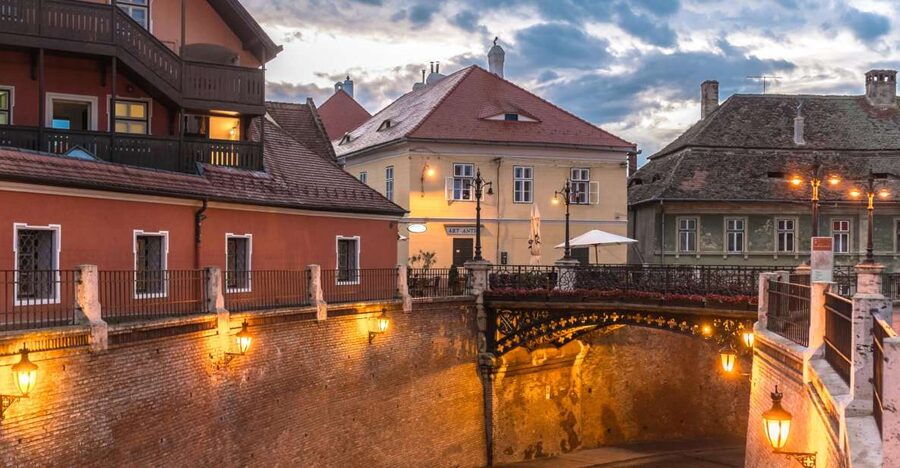
You spend the night in Sighisoara, which is the part of the trip that turns the volume down just enough to breathe. You check in to a centrally located hotel with breakfast, and that matters more than you think. When your lodging is central, you are not losing time to transit just to stand in the right square.
Sighisoara is famous for being the only still-inhabited medieval fortress in Romania. That phrase matters, because it changes how you experience the streets. You are not wandering ruins. You are moving through a place where people still live with the medieval layout around them.
One of the most praised parts of the experience is the hotel setup itself, especially the central location. It gives you a smoother transition to the next day’s sights, and it makes the whole visit feel less like a checklist.
Sighisoara Clock Tower, 64 meters up and worth the effort
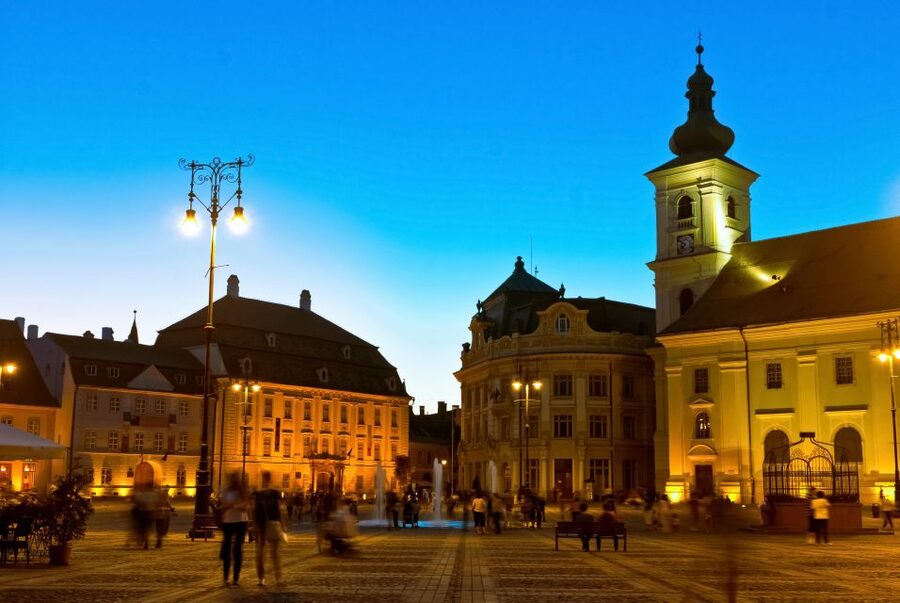
After breakfast, you tour Sighisoara’s charms, and the highlight is the Clock Tower. It rises to 64 meters, and the structure is designed across four massive walls and four floors. That design is unusual enough that it helps you understand why the town’s medieval identity still feels intact.
The top-floor balcony view is the payoff. From there, you get a bird’s-eye perspective on how the town wraps around its fortress core. It is not just pretty. It helps you see the layout, and it makes the walking route tomorrow make more sense, even if you are not getting much free time.
If you are thinking about photos: bring a steady grip and consider visiting at the time you are scheduled, not “whenever.” You will have a short window, and getting the angle right at height is easier when you are not rushing.
Rupea Fortress or Prejmer, fortress views and fortress logic
On the next day, you stop for Rupea fortress and Prejmer. Rupea is described as having an amazing view over the surroundings, which is exactly what you should expect: a higher vantage point where you can visually connect today’s landscape to the defensive logic of the past.
Prejmer adds another flavor. It is also a medieval fortress stop, and it fits perfectly between castles and road views because it is about defense and community survival rather than romance or myth. Seeing both places helps you understand that Transylvania’s story is not just about one dramatic site. It is about systems: walls, towers, and the people who used them.
Here is the key seasonal twist you should know. During summer months, between July and October, Rupea or Prejmer may be replaced with the Transfagarasan road. That means the exact fortress pair can vary depending on timing.
The Transfagarasan road, when the schedule swaps in the best scenery
The Transfagarasan road trip is the big outdoor payoff, and it only happens when conditions allow. The road is open from the end of June to the end of October, depending on weather conditions. If your dates fall in that window, you might trade one fortress stop for driving this famous route.
I like this swap because it prevents the trip from becoming purely “stone and more stone.” Road time lets you see Romania’s scale. You also get a break from steep, historic walking, which is a real plus after two castle-and-town days.
Still, be realistic: road trips come with variables. Weather can affect how long you can stay out, what you can safely view, and how the day runs. This is where a good guide makes the difference, because you want the plan to adapt without turning the experience chaotic.
Transfagarasan, how to enjoy it without rushing
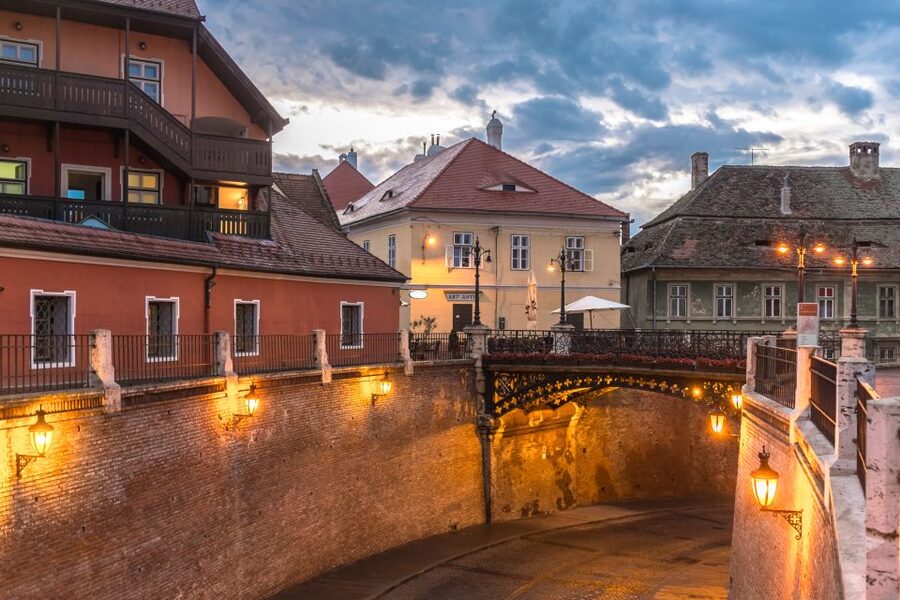
When Transfagarasan is included, treat it like a sight day, not just a drive day. Even if you stay on a tight schedule, you can maximize it by staying alert and ready to move when the group stops. The scenery is the main event, so your job is to be present at the pull-offs rather than stuck thinking about the next town.
Practical advice: pack a layer even in warmer months. High points can feel cooler, and you will be sitting in a vehicle part of the time. Comfortable shoes also help because you may step out for viewpoint stops.
Also, be mindful of photos. Photography fees are not included, so if you plan to do anything beyond normal personal photos, ask your guide how it works at each stop. For Transfagarasan viewpoints, you will likely be fine with basic camera use, but castle and museum rules can differ.
Why the private guide style really changes the day
The biggest difference between a “tour” and an actually good experience is how you are guided. The guides on this route are repeatedly praised for being excellent narrators and for speaking strong English. Names like Catalin, Emil, and Marcel come up in the feedback, and they represent the same pattern: they explain what you are seeing and keep the day moving with confidence.
I also like that the guides can adapt. In practice, that means if your group’s energy leans more toward history, or more toward the Dracula angle and storytelling, the tour can match your interests instead of forcing everyone down the same lane.
That matters especially on a fast itinerary. With multiple major sites in 2 days, you do not have time to waste on generic explanations. A guide who can make landmarks click, and who can tailor the pacing, is what helps you leave with understanding instead of just photos.
Price and value at $695 per person, what you actually get
At $695 per person for 2 days, this is not a bargain-basement deal. But when you look at what’s included, it starts to feel reasonable for most travelers who want maximum quality and less friction.
Here’s what you’re paying for:
- Private transport in a modern, well-equipped car, minibus, or coach
- A centrally located hotel for 1 night with breakfast
- Entrance fees
- A private English-speaking guide
- Hotel pick-up and drop-off
Those pieces are the real value. Entrance fees add up quickly when you are hitting major attractions. A private guide saves time, helps you understand what you are seeing, and prevents the “standing in the wrong place” problem. And the centrally located hotel reduces wasted commuting.
Meals other than those mentioned are not included. So factor in lunches and any dinners yourself, plus water and small snacks. If you come prepared for that, the price feels like you are buying convenience and coverage, not just sightseeing.
Season planning: your biggest decision is Transfagarasan vs fortress time
The itinerary has a built-in seasonal swap. During July through October, Rupea or Prejmer can be replaced by Transfagarasan road. Outside that range, you should expect more time on the fortress and town sights.
My rule of thumb: if you love scenery and road views, aim for late summer or early fall when Transfagarasan can operate. If you prefer the historical fortress atmosphere, choose dates where Rupea and Prejmer are more likely to stay in the schedule.
Also, remember the road opening depends on weather conditions. Even if your dates are in the right window, you might need to be flexible day-to-day.
Getting the most out of 2 days: practical travel tips that matter
Here’s how to make the schedule feel easier.
Wear comfortable shoes. You will walk in historic areas and likely climb steps or move along uneven surfaces near towers and fortifications. Bring an ID card or passport. You will need it for entry to the attractions.
Plan for limited meals included. Breakfast is covered, but other meals are not. If you have dietary needs, confirm them with the operator before you go, because you will be choosing food during free time.
If you care about photos, ask ahead about any photography fees beyond personal use. Entrance fees are included, but photography fees are not.
One more thing: pets are not allowed on this experience. If you are traveling with an animal, you will need an alternative arrangement.
Who this tour fits best, and who should adjust expectations
This is a great match if you want a structured, high-coverage introduction to Transylvania in just 2 days. It also suits travelers who want private guidance and prefer not to handle logistics across multiple regions.
If you are the type who likes to linger for hours in one place, this might feel too quick. The upside is you still see major highlights like Peles, Bran, Brasov, Sighisoara, and either fortress views or Transfagarasan scenery.
It is also not suitable for people with mobility impairments or wheelchair users. The stops include historical sites and walking that may be difficult.
Should you book this Transylvania 2-day tour?
Book it if you want a focused introduction to Transylvania classics, you like the idea of a small group with a private guide, and you are comfortable with a fast pace. It is especially worth it when you can get Transfagarasan in, because it adds a different kind of beauty beyond castles and towers.
Skip it or rethink your dates if you need lots of downtime, you hate long transit, or you are expecting a slow, deep cultural immersion rather than a “see the key places” sprint. Also, if mobility is an issue for you, look for a tour with better accessibility options.
If you want, tell me your travel month and whether you care more about road scenery or fortress history. I can help you choose the better timing for what you personally want most from Transylvania.
FAQ
What is the duration and where does the trip end?
The experience lasts 2 days. It concludes when you reach Bucharest at night.
What’s included in the price?
The price includes entrance fees, 1 night of accommodation with breakfast in a centrally located hotel, a private English-speaking guide, private transport in a modern vehicle, and hotel pick-up and drop-off.
Are meals included?
Breakfast is included. Other meals are not included, except what is specifically mentioned in the itinerary.
Is Transfagarasan included every time?
No. Transfagarasan can replace Rupea Fortress or Prejmer during the summer months between July and October, and it is only open from the end of June to the end of October depending on weather conditions.
What languages are available for the guide?
The tour offers live guidance in English and Spanish.
Is free cancellation available?
Yes. You can cancel up to 24 hours in advance for a full refund.
Newest Bucharest write-ups
- Private transfer to BRASOV
★ 5.0 · 1 review - Half Day Tour in Bucharest
★ 5.0 · 1 review - Bucharest: Capture the most Photogenic Spots with a Local
★ 5.0 · 1 review - Bucharest Private Custom Walking Tour with Guide (Private Tour)
★ 5.0 · 1 review - Transfer Bucharest to Constanta / Mamaia
★ 5.0 · 1 review - Uncover Transylvania: Private 2-Day Tour Bears & Medieval Wonders
★ 5.0 · 1 review - Private Day Trip to Peles Palace, Dracula’s Castle and Brasov
★ 5.0 · 1 review
Dracula's Castle Tours, compared.
Dracula’s Castle, Peles Castle, & Brasov Old Town
Read our review →
Dracula Castle, Peles Castle & Brasov Old Town
Read our review →
Dracula’s Castle, Peleș Castle & Brașov Day Trip
Read our review →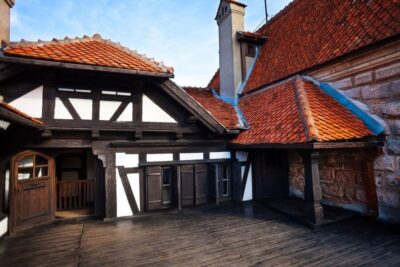
Day Trip to Dracula Castle, Peles Castle & Brașov
Read our review →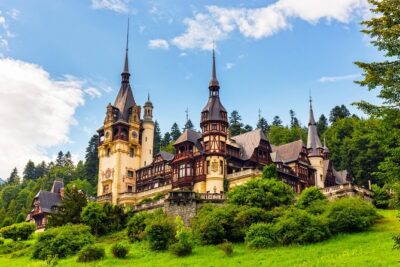
Bucharest to Dracula Castle, Peles Castle and Brasov Guided Tour
Read our review →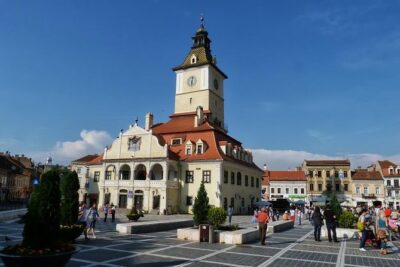
Dracula’s Castle, Peles Castle and Brasov Day Trip from Bucharest
Read our review →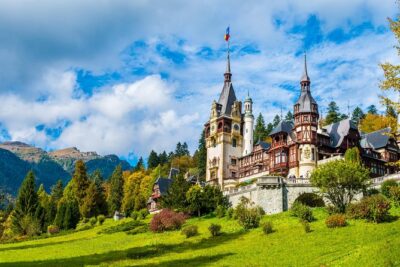
Transylvania and Dracula Castle Full Day Tour from Bucharest
Read our review →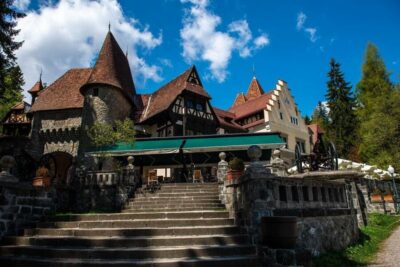
Browse the lists this tour appears in