Reviewed · BUCHAREST EXPERIENCES
Eastern Orthodox Church Art in Bucharest
Church art in Bucharest hits different. In just 2.5 hours, you get a focused look at Eastern Orthodox icons, Byzantine-style painting, and the Romanian version of Orthodox church art as you hop between several active churches. I like the small group size (up to 10) because it makes it easier to ask questions, and I love that the route mixes famous names with places that are harder to find on your own. One possible drawback: since all the sites are active churches, you’ll need to dress modestly and keep your voice low even if you’re just there for art.
This tour is also practical, not just pretty. You start near the Old Princely Court area and walk along recognizable parts of central Bucharest, with stops timed so you can actually see fresco details instead of rushing past them. I also really like that the guide offers explanations in English, Spanish, or Romanian, which matters here because Orthodox iconography is full of symbols and patterns that you’ll miss if you only rely on signage. The consideration is simple: there’s no food or drink included, so if you’re out on a tight schedule, plan a café stop before or after.
Finally, this experience works best if you’re curious about how art functions in worship. Orthodox church painting is not just decoration, it’s a visual language meant to teach, comfort, and set a spiritual atmosphere. You’ll walk away with a clearer sense of the styles behind what you saw, and how Romanian painters adapted Byzantine tradition over time. If you prefer quiet museum-style visits, this may feel more personal, because services and normal parish life can shape what you’re able to observe.
In This Review
- Key Highlights You Should Not Miss
- Why Eastern Orthodox Church Art in Bucharest Feels Like a Time Machine
- Price and Logistics, What $57 Buys You in Real Terms
- Meeting Point at the Anton Icon Shop, Start Smart
- Saint Anton Church, Where Wallachian Medieval Energy Starts
- Saint George Km0 on Lipscani Street, Fresco Details You Can Actually Notice
- Saint Elijah and the Lady’s Church, Two Stops for Art-Lovers Who Like a Challenge
- Stavropoleos Monastery and Saint Demetrios, When Styles Shift in Close Range
- What You’ll Learn About Byzantine and Romanian Orthodox Art on the Walk
- Dress Code and Church Etiquette, How to Stay Comfortable and Respectful
- Solo-Friendly, and Tailored Pace if You Need It
- Who This Tour Suits Best, and Who Might Want a Different Option
- Is This Tour Worth Booking at $57?
- Should You Book Eastern Orthodox Church Art in Bucharest?
- FAQ
- How long is the Eastern Orthodox Church Art tour?
- Where do I meet the guide?
- What churches are included?
- Are meals included?
- What languages are offered?
- Is this visit to churches or museums?
- What should I wear or bring?
- Are pets allowed?
Key Highlights You Should Not Miss
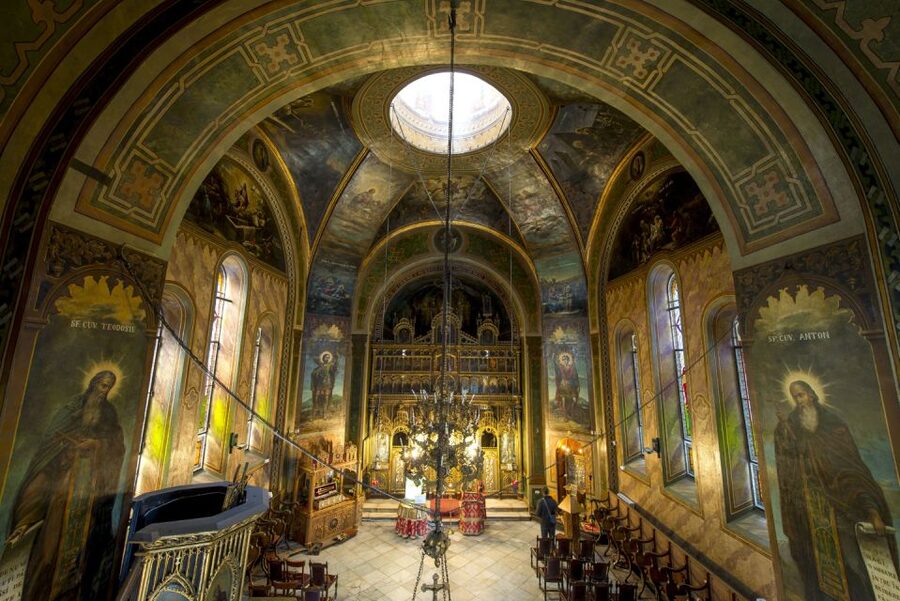
- Wallachian-era atmosphere on foot as the route takes you through the Old Princely Court neighborhood and central lanes
- Byzantine and Orthodox iconography explained clearly, so the symbols make sense instead of floating by
- Fresco spotting with a pro guide, including a standout fresco on Saint George Km0
- Lady’s Church and its very old preserved frescoes, a major reason to choose this tour
- A style-changing finish near Stavropoleos, where monastery architecture and a neo-baroque church sit close together
Other Bucharest days worth the drive
- Bucharest: Dracula’s Castle, Peles Castle, & Brasov Old Town★ 4.5 · 17,858 reviews
- Bucharest: Dracula Castle, Peles Castle & Brasov Old Town★ 4.6 · 10,891 reviews
- Bucharest: Dracula’s Castle, Peleș Castle & Brașov Day Trip★ 4.4 · 6,100 reviews
- Bucharest: Palace of Parliament Tickets and Guide★ 4.3 · 3,182 reviews
Why Eastern Orthodox Church Art in Bucharest Feels Like a Time Machine
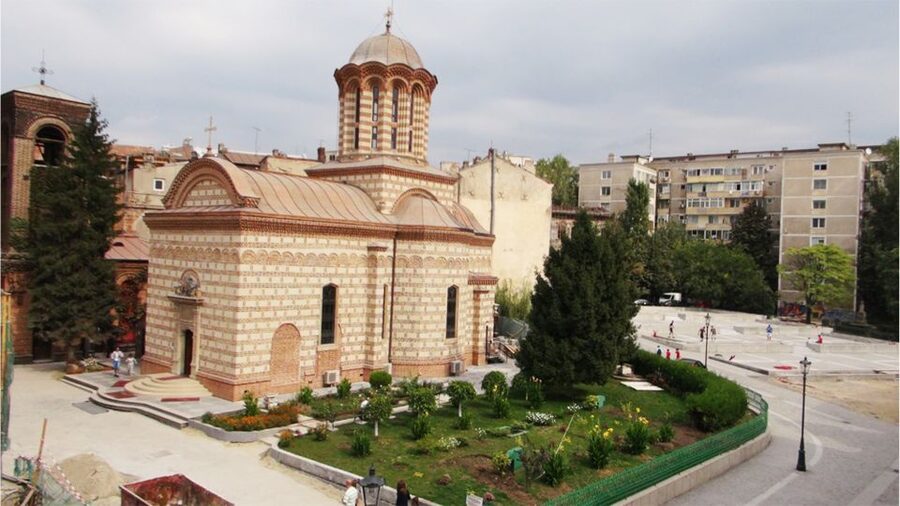
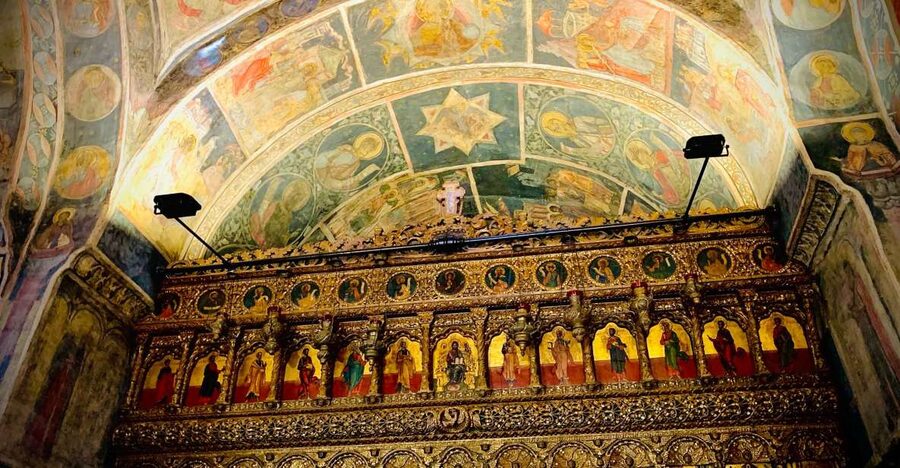
Bucharest can look modern from a distance, but the moment you step into the churches along this route, the mood shifts. Orthodox art is built to do that. Frescoes cover walls with scenes and saints in a strict visual rhythm, and icons carry a kind of presence that makes the church feel like a living space, not a background.
I like that this tour doesn’t treat art as a postcard. You’re not just told what a fresco shows. You’re guided to notice how Byzantine tradition shows up in the styling, how Romanian Orthodox church art developed its own local flavor, and how the church space directs your attention. That small change in approach makes a big difference. Instead of looking at paintings, you start reading them.
Another reason it works: you’re walking between multiple churches in a tight 2.5-hour window. That matters because Orthodox art is easier to understand when you can compare styles side by side. You’ll see different painting ages, different church feels, and different architectural moods, all within a reasonable walking loop.
One more practical point: this is a small group tour limited to 10 people, so you can pause, look up close, and ask follow-up questions without feeling like you’re being herded. It’s the kind of format that turns a short visit into something you remember.
Price and Logistics, What $57 Buys You in Real Terms
At $57 per person for about 2.5 hours, you’re paying for three things that are hard to do on your own without planning: a clear route, a guide who can translate iconography into plain meaning, and time efficiency in an area with many churches.
Here’s how I’d frame the value. If you tried to do this alone, you’d either spend hours researching which churches are best for frescoes and icons, or you’d end up seeing fewer sites but still missing the symbolism that makes the art click. This tour gives you a structured walk to multiple stops, with explanations in English, Spanish, or Romanian so you can actually follow what you’re seeing.
Is it expensive for a casual stroll? Maybe. But for the combination of guided art reading plus multiple churches in an efficient half-morning or late-afternoon slot, it’s a fair price. Plus, the group limit helps keep it from feeling like a factory line.
One logistics detail you should plan for: no food or drinks are served. You will have time to stop in a café, bar, or restaurant nearby if you want, but you’ll be on your own for refreshments. If you’re the type who needs a snack during a 2.5-hour walk, decide ahead of time whether you’ll grab something before you meet or after you finish.
Meeting Point at the Anton Icon Shop, Start Smart
You meet in front of the Anton icon shop. That’s a small detail, but it’s actually helpful. It sets the tone immediately, because you’re not starting in a random square, you’re starting at a place tied directly to icon culture.
Arriving with comfortable shoes is not optional here. Even though the route is manageable, you’ll be moving between churches and pausing to look up at frescoes and icon screens. In active churches, people also move at a normal parish pace, so having good footing keeps the experience smooth.
If you’re the kind of traveler who likes to shop for religious art, this meeting point is a plus. One of the strongest themes in feedback is that the guide helped people with icon shop time, including stopping by for additional icon shopping. Even if you’re not buying anything, it’s a great place to orient yourself to what counts as a meaningful souvenir in this style of Romanian Orthodox art.
Different day out, same corner of Romania:
Saint Anton Church, Where Wallachian Medieval Energy Starts
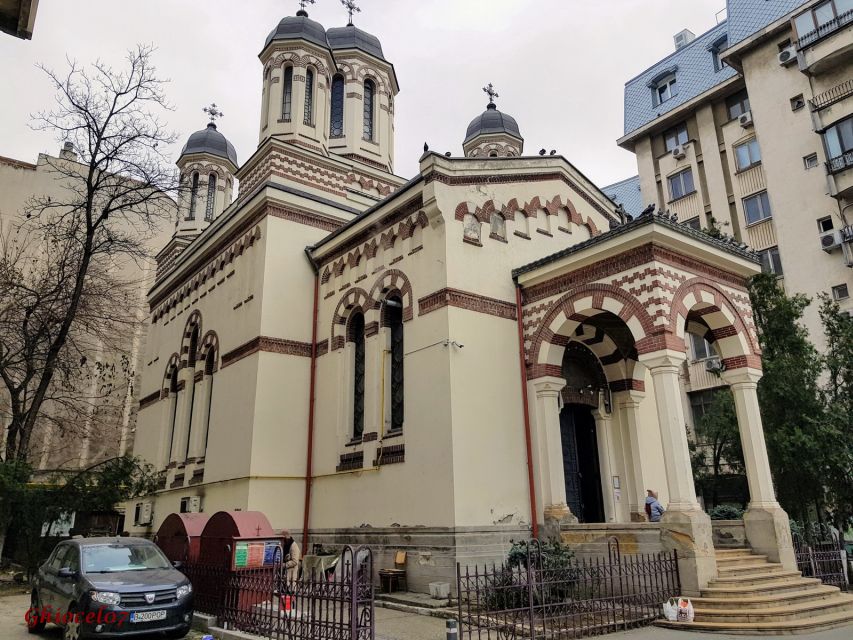
The tour begins near the Old Princely Court area at Saint Anton Church. This is the kind of start that gets your brain switched on quickly. In churches like this, Orthodox art isn’t separated into categories. It’s part of the architecture and the atmosphere, so your first stop acts like a visual baseline for everything you’ll see later.
What to do at Saint Anton: slow down and look for the way frescoes are organized around the space. You’ll typically notice repeated icon types, patterns, and the consistent way figures are framed. With a guide explaining what you’re looking at, these choices become easier to interpret.
I also like that the tour starts here because it blends the broader theme of the Wallachian Middle Ages with the practical reality of seeing art in situ. You get a sense that this isn’t just a theme walk, it’s tied to how Orthodox worship and community life have shaped the city.
Because the churches are active, keep expectations realistic. You may see parish rhythms, modest dress rules in action, and normal respectful behavior. That’s not a problem. It’s the point. Orthodox church art was designed to function in a living place.
Saint George Km0 on Lipscani Street, Fresco Details You Can Actually Notice
After Saint Anton, you continue on Lipscani Street to Saint George Km0 Church. This stop is built around one memorable moment: a fresco made by one of Romania’s greatest church painters.
The practical benefit of this kind of stop is that it gives you a target. Instead of trying to interpret every surface at once, you can train your eye. Look at how the painter handles facial expression, composition, and figure proportions. Those stylistic choices are often where the artist’s signature shows up most clearly.
I like this part of the route because Lipscani helps you connect church art to the city’s daily fabric. You’re not only in a church bubble. You’re moving through central Bucharest, then stepping back into a calmer world where the frescoes do the talking.
Also, because the guide is there in English, Spanish, or Romanian, you can ask about the fresco as you look. That makes the difference between merely seeing a painting and understanding why it matters.
Saint Elijah and the Lady’s Church, Two Stops for Art-Lovers Who Like a Challenge
This is where the walk gets more interesting, especially if you like art but also like a little hunt. The tour includes two churches that are hard to find even for locals, which tells you the experience is designed to go beyond the obvious highlights.
First up is Saint Elijah, described as an Orthodox basilica, one of two in the city. The value here is comparison. When you visit multiple Orthodox churches, you start to feel how differences in layout, size, and decoration affect what the art is doing. You’re not just stacking photos. You’re building an internal map of how the style behaves in different church settings.
Next you reach the Lady’s Church, noted for having some of the oldest preserved original frescoes in Bucharest. That single detail is a huge reason to pick this tour. Old frescoes change how you experience the space. They carry a different sense of time, and you often see the long-term durability of the painting style and materials.
What to do at Lady’s Church: focus on fresco preservation and layering. Even if you are not a conservation expert, you can notice how the paint survives and how the figures remain readable over centuries. With guidance, you’ll likely connect that to the broader tradition of Orthodox painting and how it was meant to endure as part of worship.
Also note the vibe here. Older frescoes can make the space feel more intimate. Paired with the instruction that these are active churches, you might experience moments where people are praying or gathered, and the art becomes part of the service rhythm rather than a stop on a checklist.
Stavropoleos Monastery and Saint Demetrios, When Styles Shift in Close Range
The route continues to Stavropoleos Monastery. It’s described as eclectic, which is exactly what you want from an end-of-tour segment. Monasteries often bring a different architectural feel than city parish churches, and that contrast helps you understand why Orthodox art looks different in different settings.
Right next to Stavropoleos is where the style contrast becomes even clearer. The tour describes the final stop as Saint Demetrios, a neo-baroque 19th century gem. The “neo-baroque” label matters because it suggests a later stylistic layer compared to older Byzantine Orthodox visual traditions.
This is one of the best parts of booking a guided route, because you can stand in front of two very different artistic moods and ask, in plain terms, what changed. You’re not required to already know art history to benefit.
Small caution, so you don’t get confused: in the stop list, Saint Cyprian Church is also named. The narrative of the walk specifically highlights Saint Demetrios as the neo-baroque finish near Stavropoleos. If you’re trying to map it tightly on a phone, keep your expectations flexible and follow the guide on the day for the exact final stop.
What You’ll Learn About Byzantine and Romanian Orthodox Art on the Walk
Orthodox church art can feel intimidating if you only see it as religious imagery. The guide approach here turns it into a language you can read.
Here are the kinds of insights that make this tour worth your time:
- Symbols first, faces second. You’ll be encouraged to notice patterns that repeat across icons and frescoes, not just individual saints.
- Byzantine style is a system. It’s not random. The art uses consistent choices for composition, proportion, and color emphasis, which helps make the scenes legible from the worship space.
- Romanian Orthodox art has local expression. Even when it follows Orthodox tradition, Romanian painting can show its own preferences through detail and fresco technique.
- Icons and church painting aren’t separate worlds. The tour’s focus on frescoes and icons connects wall art to living Orthodox devotional culture.
I also think this tour is especially good if you want context you can carry into the rest of your Bucharest trip. After seeing multiple churches close together, you’ll be better at spotting what you’re looking at when you encounter more icons or frescoes on your own later.
Dress Code and Church Etiquette, How to Stay Comfortable and Respectful
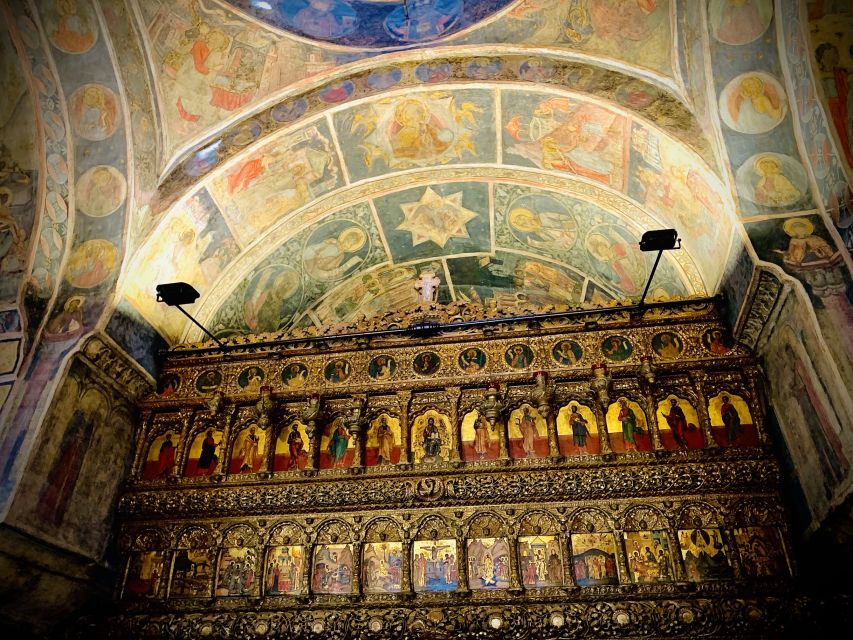
Because all the churches are active, you should treat this like a worship-sensitive visit, not a sightseeing-only stop. That’s written into the rules, but it’s also common sense.
The tour asks for:
- Modest dress and behavior
- No short skirts
- No sleeveless shirts
- Avoid tight clothing
- Avoid ripped clothing
- No strong fragrances
- No pets
The reason this matters is not just courtesy. It keeps the church atmosphere calm so you can focus. If you’re dressed properly, staff and parishioners are more likely to treat you as a respectful visitor rather than a distraction.
Comfort tip: your shoes will get the most work. You’ll be on your feet for multiple stops, and you’ll want the option to pause and look up or sideways without worrying about slipping or fatigue.
Solo-Friendly, and Tailored Pace if You Need It
One of the strongest themes from the feedback is that the guide can adapt the experience. There’s a story of the tour being tailored for someone on crutches and someone with a walking stick, and the guide also made sure the person got back to their hotel easily.
Another feedback theme is that the guide can be flexible with individuals, including taking someone to an icon shop so they could finish an icon shopping list.
In plain terms, if you have mobility needs, don’t assume you’ll be stuck in a rigid pace. Bring it up before you start, and expect a bit of human adjustment rather than a strict script.
Also, with up to 10 participants, you’re more likely to get a real conversation instead of one-way lecturing.
Who This Tour Suits Best, and Who Might Want a Different Option
This is ideal if you:
- Want Eastern Orthodox church art and not only church architecture
- Like guided explanations that help you understand what you’re seeing
- Prefer a short, focused walking tour over an all-day crawl
- Enjoy fresco details and icon symbolism
- Want a small group experience with time to ask questions
It might be less ideal if you:
- Only want museum-style quiet, no-active-church expectations
- Don’t want any dress-code constraints
- Prefer food to be part of the experience
The tour is designed for art and context, not for dining. If you care about food, just plan a nearby café stop around it.
Is This Tour Worth Booking at $57?
I think the price makes sense because you’re buying the hard parts. You get a guided route across multiple active churches in a compact time block, plus explanations in English, Spanish, or Romanian, plus a format that stays small.
If you enjoy art but you’re not sure what frescoes mean, this tour is a strong value. Without guidance, it’s easy to see surfaces without understanding the logic behind them. With guidance, you’ll walk away with a clearer mental picture of Byzantine tradition and how Romanian painters shaped what you saw.
If you’re traveling with someone who just wants photos, that’s still workable, because the churches are visually striking. But the biggest payoff comes when both of you are curious and willing to look closely.
Should You Book Eastern Orthodox Church Art in Bucharest?
Book it if you want a concentrated introduction to Romanian Orthodox church painting, icons, and frescoes, guided by someone who can explain the visual language in plain terms. The small group size, the mix of Saint Anton, Saint George Km0, Saint Elijah, Lady’s Church, Stavropoleos Monastery, and the neo-baroque Saint Demetrios area gives you variety without wasting half your day on transit.
If you hate dress rules or you need a long, slow pace, you might prefer a different kind of Bucharest church visit. But if you’re comfortable with modest attire, comfortable shoes, and active-church respect, this is a smart way to see Bucharest’s religious art without getting lost in a self-made plan.
FAQ
How long is the Eastern Orthodox Church Art tour?
The tour lasts about 2.5 hours.
Where do I meet the guide?
You meet in front of the Anton icon shop.
What churches are included?
The included stops listed are Saint Anton Church, Saint George Km0 Church, Saint Elijah, the Lady’s Church, Stavropoleos Monastery, and Saint Cyprian Church.
Are meals included?
No. No food or drinks are served, but you can stop in nearby cafés, bars, or restaurants.
What languages are offered?
The live guide is available in English, Spanish, and Romanian.
Is this visit to churches or museums?
All the churches are active, not museums, so modesty in dress and behavior is required.
What should I wear or bring?
Bring comfortable shoes. Dress modestly, and avoid short skirts, sleeveless shirts, tight clothing, ripped clothing, and strong fragrances.
Are pets allowed?
No, pets are not allowed on this tour.
If you’d like, tell me your travel month and whether you want more focus on frescoes or on icons, and I’ll suggest how to plan the rest of your Bucharest day around this 2.5-hour route.
Newest Bucharest write-ups
- Half Day Tour in Bucharest
★ 5.0 · 1 review - Private transfer to BRASOV
★ 5.0 · 1 review - Bucharest: Capture the most Photogenic Spots with a Local
★ 5.0 · 1 review - Bucharest Private Custom Walking Tour with Guide (Private Tour)
★ 5.0 · 1 review - Transfer Bucharest to Constanta / Mamaia
★ 5.0 · 1 review - Uncover Transylvania: Private 2-Day Tour Bears & Medieval Wonders
★ 5.0 · 1 review - 7-Days Grand Romania tour from Bucharest
★ 5.0 · 1 review
Bucharest Experiences, compared.
Dracula’s Castle, Peles Castle, & Brasov Old Town
Read our review →
Dracula Castle, Peles Castle & Brasov Old Town
Read our review →
Dracula’s Castle, Peleș Castle & Brașov Day Trip
Read our review →
Day Trip to Dracula Castle, Peles Castle & Brașov
Read our review →
Bucharest to Dracula Castle, Peles Castle and Brasov Guided Tour
Read our review →