
Reviewed · SIBIU EXPERIENCES
Learning toghether Transylvanian dances in Sibiu
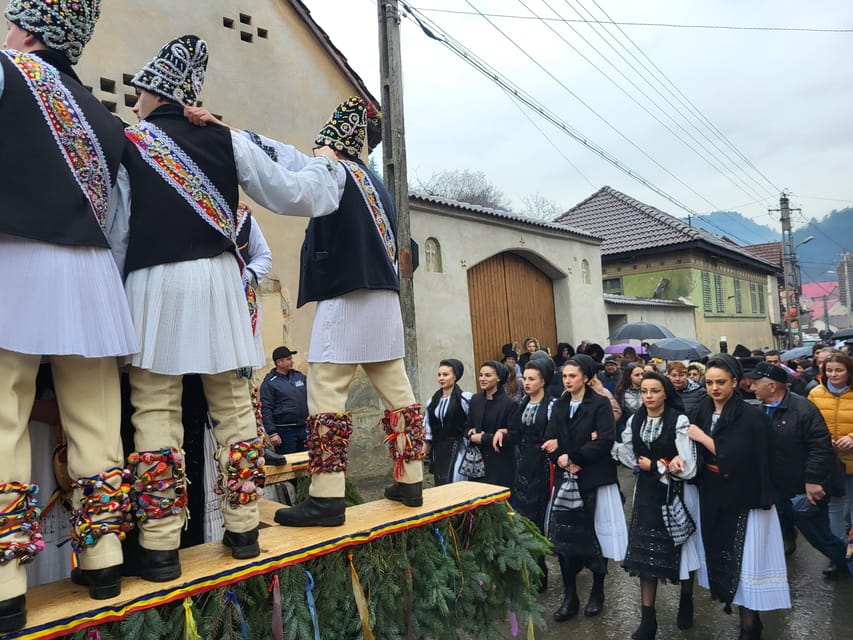
Folk dancing in Transylvania starts at home. This one-day course in Sibiu County gives you exclusive access to local traditions and teaches you Transylvanian dances you can actually do, not just watch. I especially loved how welcoming Alex is, and how the lesson turns into a real evening of Romanian snacks and dancing, all in a small, private setting.
Two highlights stand out for me. First, you get a warm introduction to local culture with food, including a glass of home made palinka and snacks, plus a cheese bonus mentioned by recent guests. Second, the instruction is patient and practical, including demonstrations and walkthroughs so you can learn multiple dances in one day.
One possible drawback: this is a physical activity. You will be on your feet and moving, so if you want a mostly seated cultural show, you may find it too active. Plan for a workout, and wear shoes you can trust.
Key things I’d circle on your planning list
- A private class in Sibiu County, built around learning the steps, not performing at you
- Palinka and snacks included, so the cultural part starts immediately
- Patient teaching with demonstrations and walkthroughs, so you are not lost on beat one
- You learn several dances in a single day, with music driving the practice
- Traditional costumes, songs, and village rituals explained as you learn the movement
- Comfortable shoes matter, because dancing is the main event
In This Review
- What You Really Learn in a Transylvanian Dance Class
- A Warm Welcome in Sibiu: Palinka, Snacks, and Local Stories
- How Alex Teaches You to Dance: Demonstrations, Walkthroughs, Music
- Costumes, Songs, and Ritual Meaning Behind the Moves
- The One-Day Flow: What Your Time Will Feel Like
- Price in Perspective: Is 57 USD Worth It?
- Who This Dance Lesson Suits Best (And Who Might Skip It)
- Practical Tips for a Smooth, Comfortable Day
- Should You Book This Transylvanian Dance Course in Sibiu?
- FAQ
- How long is the Transylvanian dance learning experience?
- Where does it take place?
- What is included in the price?
- What should I bring?
- Is this experience private, and is it wheelchair accessible?
- What languages does the instructor speak?
- Can I cancel for a full refund?
- Do they offer reserve now, pay later?
- What is not allowed during the activity?
- Is it suitable for young children?
What You Really Learn in a Transylvanian Dance Class
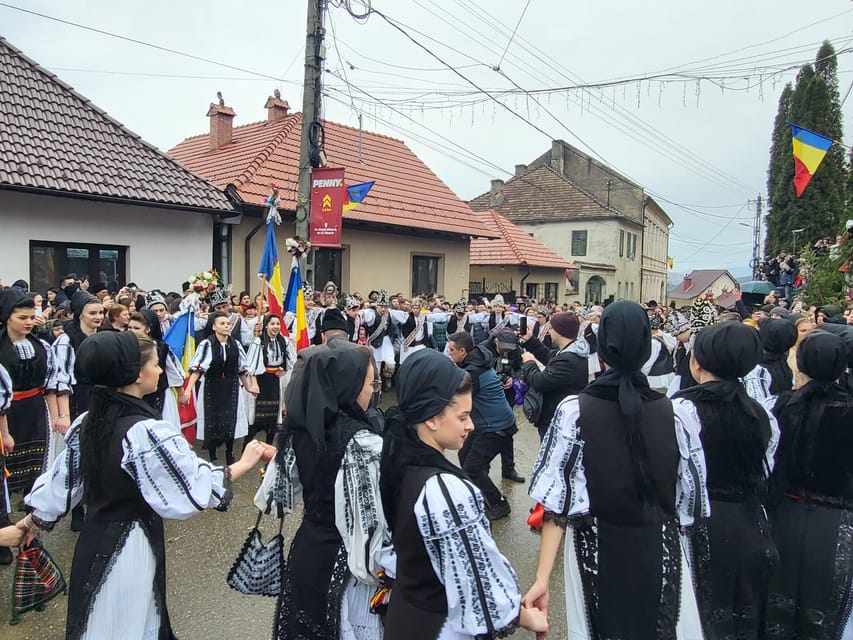
This class is not a vague cultural experience. It is a hands-on lesson where the goal is simple: you leave knowing how to perform traditional Transylvanian dances with confidence.
The bigger picture matters too. Transylvania is a region where customs are tied to community life and religious holidays, and where rural rituals are still used to mark key moments. During the lesson, you are not just learning footwork. You are learning why certain movements show up around celebrations, weddings, and seasonal events where people hope for good luck, health, happiness, and a rich harvest.
You also get a clear sense of how traditions from minority communities shaped local practices. That is one reason the dancing feels so specific. The rhythm, the way couples and groups move, and the structure of the steps reflect village life, not stage choreography.
And yes, the body part is real. Even if you are not a dancer, you can still do this. The course is designed to improve coordination and fitness while staying fun, with a teacher who keeps things moving step-by-step.
Other Sibiu days worth the drive
- Sibiu: Daily Sightseeing Guided Tour★ 4.7 · 247 reviews
- From Sibiu: Day Tour to Brasov and Dracula’s Castle★ 4.7 · 120 reviews
- SB01 – City Tour Sibiu: Exploring the Heart of Transylvania★ 4.8 · 99 reviews
- Sibiu Old Town Exploration Game and Self-Guided Tour★ 4.5 · 82 reviews
A Warm Welcome in Sibiu: Palinka, Snacks, and Local Stories
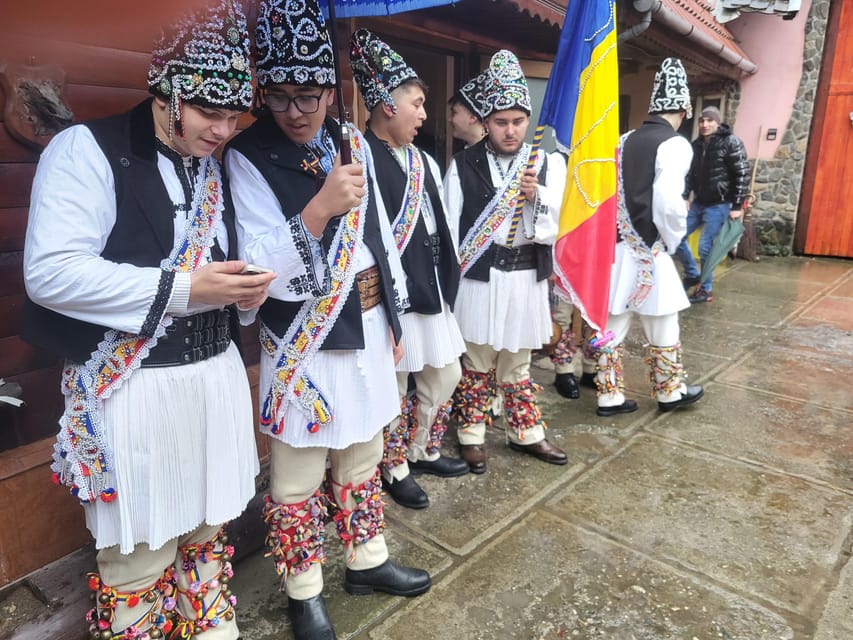
Most dance workshops start with the steps. This one starts with the human part: you arrive, you are welcomed, and the day begins with local food.
You can expect water, a glass of home made palinka, and snacks included. Recent guests also highlighted an added cheese bonus, which tells you the host cares about making the experience feel like a genuine Romanian evening, not a quick tourist transaction.
Then comes the context. Alex shares history about the area and helps you connect the dances to the culture around them. For me, this is what makes the lesson click. When you know what a rhythm represents, you remember the pattern better. You also dance with more intention, even if your first attempt is a little wobbly.
If you are the type who likes to understand what you are doing before you do it, you will appreciate this approach. You get the stories early, so your body learns the steps with meaning.
The meeting point is handled simply: you receive an address. That means there is no complicated route planning for multiple stops. You are going to one location and spending your time there learning and enjoying it.
How Alex Teaches You to Dance: Demonstrations, Walkthroughs, Music
This is the part I’d call the engine of the day. You learn by watching, copying, practicing, and doing it again with music.
The teaching style is patient. Recent guests specifically called out how helpful demonstrations and walkthroughs were before the group started dancing to music. That detail matters because folk dances can look intimidating from the outside. The instructor breaks it into manageable pieces, then reconnects the pieces into the full dance.
You should expect to learn around six different dances during the day. That is a lot for one session, which is why the pace is structured. You will likely move through a repeatable cycle:
1) explanation
2) demonstration
3) you try the steps
4) music starts, and you put it together
5) corrections and encouragement as you go
Because the group is private, you also have a better chance to get individual adjustments. Even if everyone is at a different comfort level, the lesson is flexible enough to keep people learning rather than waiting for the slowest dancer to catch up.
Also, this course is offered with instructors who speak multiple languages, including English, French, German, Italian, and Romanian. If you are not a Romanian speaker, you are still covered. You can follow instructions and ask questions without the feeling that you are guessing.
Costumes, Songs, and Ritual Meaning Behind the Moves
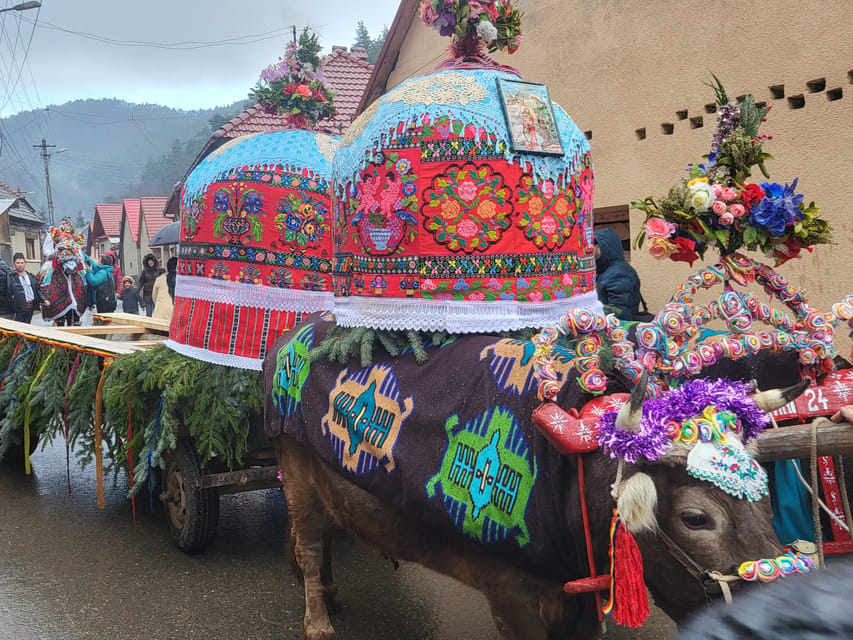
A lot of “cultural” activities stop at the costume photo. This one uses culture as a teaching tool.
You learn about rural Romanian village traditions connected to religious holidays and life milestones. These are occasions when the whole community animates the alleyways with color, music, and genuine spectacle. In other words, dancing is not an isolated hobby. It is part of community rhythm.
The course also touches on traditional beliefs tied to everyday hopes. You might hear how certain customs are meant to attract good luck, health, happiness, and a rich harvest. Those themes are not just poetic. They explain why traditions get repeated and why they matter enough to pass down through generations.
When you learn dance steps in that context, it changes how you move. You stop thinking of it as random patterns and start seeing it as a language. You will likely find yourself counting beats more naturally and anticipating transitions because you understand the structure has a reason.
And yes, the description of Transylvanian folklore and spirituality comes through in the teaching approach. The lesson is framed around identity and the way traditions keep older moral codes and modes of life alive. Even if you are not into genealogy or anthropology, the result is practical: you get a deeper connection, so the dances feel more memorable.
Different day out, same corner of Romania:


The One-Day Flow: What Your Time Will Feel Like
You are in this for one day, which is great if you want something memorable without losing a whole vacation week.
Because the information you are given is focused on a private, instructor-led experience, the day should feel compact and intentional. Here is what the flow tends to look like based on how the experience is described and how guests describe their time:
- You arrive and get welcomed with traditional snacks and drinks
- You get an intro to the area and how these dances fit into local life
- You learn multiple dances through demonstrations and walkthroughs
- You practice with music so the steps become real
- You finish with the satisfaction of having learned a bunch of material, not just sampled the vibe
A key advantage of the single-day format is momentum. You do not have to retain information from week to week. You learn, practice, and connect the culture in the same block of time, so you leave with muscle memory.
The only “watch-out” is that you should be ready to keep going. Six dances is not gentle. Even if you are not a fitness person, you will feel it in your legs and feet by the end. Bring comfortable shoes and plan for a bit of sweat.
Price in Perspective: Is 57 USD Worth It?
At 57 USD per person, the value comes from three things: instruction quality, cultural content, and the fact that it is private.
Most dance workshops you find as a tourist can feel like a show. Here, the focus is you learning the dances with a teacher who demonstrates and breaks down steps. That takes time, attention, and patience, which is exactly what recent guests praised in their feedback.
Second, you are not only learning movement. You also get stories about the region and why the traditions matter. The snacks, water, and a glass of home made palinka make it feel like a hosted cultural moment, not a sterile classroom.
Third, the private group format is a real value enhancer. When you are not squeezed into a large group, you are more likely to get corrections and to practice through the sequence instead of waiting your turn.
So for me, this price makes sense if you want a hands-on cultural experience in Sibiu that is practical, physical, and memorable. If you want a low-energy “wander and watch” day, you may feel the price is paying for more movement than you want. But if you like doing, not just seeing, it is good value.
Who This Dance Lesson Suits Best (And Who Might Skip It)
This works well for a few specific kinds of travelers.
It is a great fit if you:
- want a fun way to exercise while learning something local
- enjoy interactive experiences where you are part of the action
- are traveling as a couple, with friends, or as a small group
- like anniversary, birthday, or bachelorette-style activities with a cultural theme
It also tends to suit people who can handle learning by doing, even if you are not confident dancing. The structure is designed to help you pick up steps through explanation, demonstration, and music practice.
If you are traveling with someone who needs a mostly observational activity, the physical nature could be a mismatch. The course is meant to get you moving, improving health, and leaving with energy and well-being.
Good news: it is wheelchair accessible, so mobility does not have to be an automatic barrier. Just bring realistic expectations about how the instructor will adapt the dancing to your comfort level, since the core of the experience is still dance practice.
Practical Tips for a Smooth, Comfortable Day
A few small choices can make a big difference with a dancing experience.
Wear comfortable shoes. This is the biggest one. You are going to spend hours on your feet learning steps, so skip anything that feels new or slippery.
Bring water comfort in mind. Water is included, but you will likely want to keep a steady pace and drink as you practice.
Avoid indoor smoking. Smoking indoors is not allowed, so plan accordingly if you are a smoker and need to step outside.
Know it is a private, instructor-led day. That means you should arrive ready to participate and to follow the lesson rhythm.
Choose your language. The instructor can work in English, French, German, Italian, or Romanian. If you have a preference, it helps to pick what you are most comfortable with for questions and instructions.
If you are planning photos for social media, remember that the day is about learning and feeling the music. Focus on enjoying it first, you can always capture a few moments while you still stay present.
Should You Book This Transylvanian Dance Course in Sibiu?
If you want one of those rare travel experiences that combines cultural meaning with real skill, I think you should book it. The strongest reason is that you do not just taste the culture, you learn the dance. Add in the warm welcome from Alex, the palinka and snacks, and the fact you can learn multiple dances in one day, and this becomes a high-satisfaction activity for couples and groups.
Book it if you:
- like interactive, hands-on experiences
- enjoy learning by watching, trying, and repeating
- want a memorable Sibiu County activity that is more personal than a typical tour
Skip it if you:
- want a seated, passive cultural program
- have trouble with physical activities on your feet
If you fit the first group, this class is exactly the kind of Romania day that turns into a story you keep telling long after the trip ends.
FAQ
How long is the Transylvanian dance learning experience?
It lasts 1 day.
Where does it take place?
It takes place in Sibiu County, Romania. You will receive an address for the meeting point.
What is included in the price?
Water is included, along with a glass of home made palinka and snacks.
What should I bring?
Wear comfortable shoes.
Is this experience private, and is it wheelchair accessible?
It is offered as a private group. It is also wheelchair accessible.
What languages does the instructor speak?
The instructor speaks English, French, German, Italian, and Romanian.
Can I cancel for a full refund?
Yes. You can cancel up to 24 hours in advance for a full refund.
Do they offer reserve now, pay later?
Yes. You can reserve your spot and pay later.
What is not allowed during the activity?
Smoking indoors is not allowed.
Is it suitable for young children?
It is not suitable for babies under 1 year.
Newest Sibiu write-ups
- From Sibiu: Guided tour through the heart of Marginimea.
★ 5.0 · 1 review - From Sibiu: Rural Gastronomy & Village Crafts around Biertan
★ 5.0 · 1 review - Surroundings of Sibiu: Saxon Heritage & Scenic Villages
★ 5.0 · 2 reviews - Luggage storage & Tourist centre in Sibiu
★ 5.0 · 2 reviews - Transfagarasan Plus Carta Abbey: Private Day Trip From Sibiu
★ 5.0 · 2 reviews - BV03-Sibiu & Transfăgărășan:Medieval Charm &Mountain Thrills
★ 5.0 · 2 reviews - Private Sibiu and wine tasting tour from Cluj
★ 5.0 · 2 reviews
Sibiu Experiences, compared.
SB01 – City Tour Sibiu: Exploring the Heart of Transylvania
Read our review →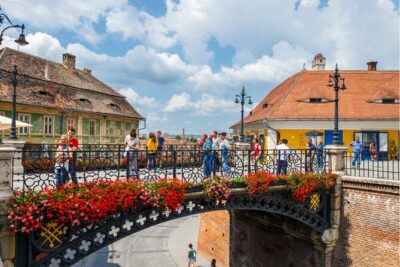
Sibiu Old Town Exploration Game and Self-Guided Tour
Read our review →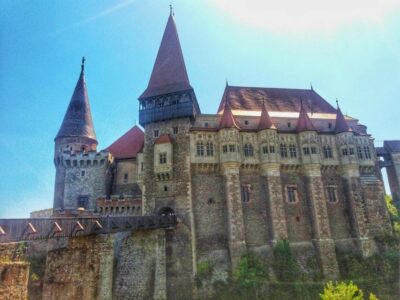
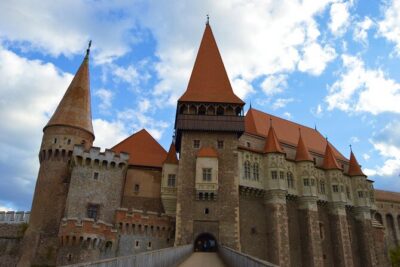
Exclusive Tour: Corvin Castle, Alba Iulia and traditional villages from Sibiu
Read our review →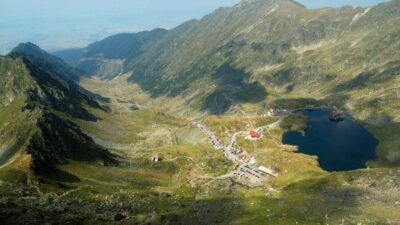
SB09-Transfăgărășan Wonders:Journey through Bâlea Lake,Avrig
Read our review →
Browse the lists this tour appears in