
Reviewed · 4-DAY EXPERIENCES
Transylvania Castles 4-day tour from Bucharest
Transylvania has a way of pulling you in fast. This 4-day castles and citadels tour from Bucharest keeps the heavy lifting done for you, with a max group size of eight and entrance fees plus 3 breakfasts included. The result is a trip that feels personal, not like a cattle call through big sights.
I also like how the itinerary mixes royal glamour, Dracula legend, and real defensive architecture, not just photo stops. The main trade-off is that the schedule is busy: you start at 9:00 am and you’re on the move most days, so bring comfortable shoes and a calm, flexible attitude toward timing.
If you’re lucky, you’ll get one of the English-speaking guides who have been praised by past guests for clear explanations and a patient, welcoming vibe, including names like George, Emil, Laurentiu, and Traian.
In This Review
- Key highlights you’ll feel right away
- How this 4-day tour really works from Bucharest
- Enter Peleș Castle: royal romance in the Carpathian foothills
- Bran Castle and the Dracula link, told through history
- Rasnov Citadel and Brasov at night: medieval views without extra hassle
- Făgăraș Fortress: siege-proof design in plain sight
- Rupea Citadel: where the timeline stretches way back
- Crit village meal and Sighișoara’s UNESCO medieval core
- Biertan fortified church: survival architecture in sacred form
- Alba Iulia’s star fort shapes how you see empires
- Corvin Castle in Gothic drama, then on to Sibiu
- Sibiu’s medieval walking tour and the Bridge of Lies
- Curtea de Argeș Monastery and ending back in Bucharest
- Price and value: does $1,154.55 make sense?
- What to pack and how to get the most out of it
- Who should book this castles tour?
- Should you book this Transylvania castles tour?
Key highlights you’ll feel right away
- Max 8 travelers for a more personal pace and easier questions
- Peleș Castle and Bran Castle with entrance tickets handled
- Fortified churches and citadels (Biertan, Rasnov, Rupea, Făgăraș) that explain how these places survived
- UNESCO medieval Sighișoara and a walk through cobblestone streets
- Sibiu’s old-town walk plus time at famous bridges and squares
- Hotel pick-up and drop-off in Bucharest, starting at 9:00 am
Other Bucharest days worth the drive
- Bucharest: Dracula’s Castle, Peles Castle, & Brasov Old Town★ 4.5 · 17,858 reviews
- Bucharest: Dracula Castle, Peles Castle & Brasov Old Town★ 4.6 · 10,891 reviews
- Bucharest: Dracula’s Castle, Peleș Castle & Brașov Day Trip★ 4.4 · 6,100 reviews
- Bucharest: Palace of Parliament Tickets and Guide★ 4.3 · 3,182 reviews
How this 4-day tour really works from Bucharest
You meet the group in Bucharest, with pickup from any hotel, and you begin at 9:00 am. The tour runs about four days, with three nights of accommodation and breakfasts included, so you’re not spending every morning figuring out food and timing.
The transport is in a modern vehicle, which matters here because Transylvania’s sights are spread out, and driving times add up. With a small group capped at eight, you’re more likely to get practical guidance from your guide and easier adjustments if someone needs a bathroom break or a slower walk through a museum.
One more detail that can shape your experience: entrance fees are included, but photography fees are not. If you like taking lots of interior photos, plan for the chance of extra charges at certain sites.
Enter Peleș Castle: royal romance in the Carpathian foothills
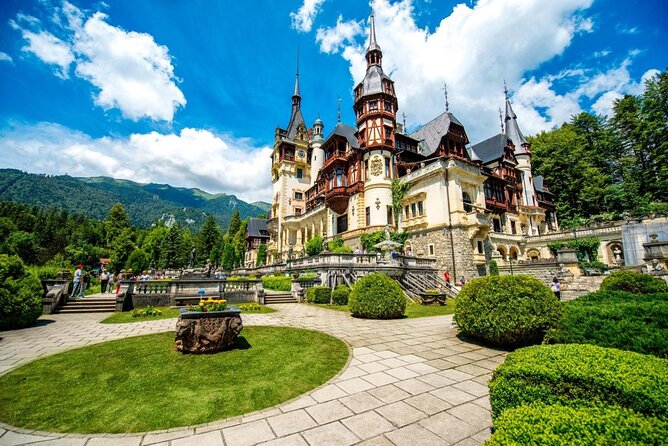
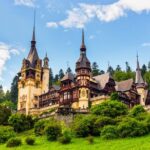
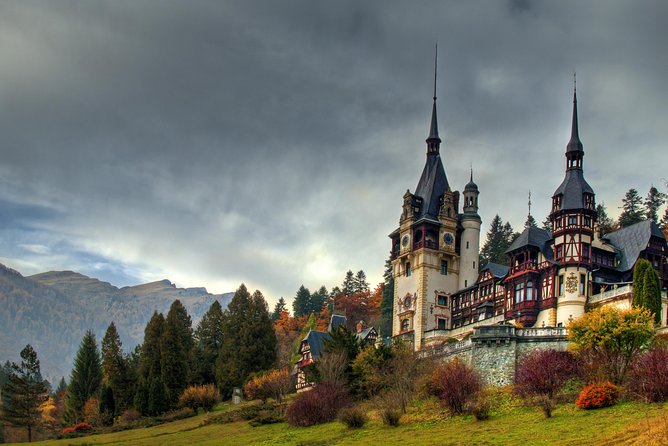
Day 1 starts with a road trip from Bucharest to Sinaia for Peleș Castle, one of Romania’s most prestigious royal residences. What you’ll enjoy most is the setting: the castle’s dramatic architecture sits in an idyllic mountain area, so it feels more like a “destination” than a stop pulled out of thin air.
Inside, you’re not just looking at rooms. You’re seeing how the Romanian royal family lived when this region was tied to European power and style. That context helps Bran later, because you’ll recognize the difference between curated royal life and a more rugged, defensive medieval world.
Practical note: you get about one hour here. If you want time to read every plaque and take steady photos, keep your pace efficient at the start of the visit so you don’t rush at the end.
Bran Castle and the Dracula link, told through history
After Peleș, you head to Bran Castle near Brașov. The castle’s fame is tied to Dracula, but the tour’s value comes from how the Dracula connection is explained, rather than simply letting the legend do all the work.
Bran’s Gothic look gives you the right mood fast, and the tour also connects that mood to older fortifications, including the idea that the site has deeper medieval roots. You’ll also hear how the Vlad the Impaler story became associated with Dracula lore.
This stop is included for about one hour with entrance. It’s a good length for most people, but keep expectations realistic: because Bran is popular, you’ll want to focus on the castle’s layout and stories your guide shares, not just chasing perfect empty-castle photos.
Different day out, same corner of Romania:
Rasnov Citadel and Brasov at night: medieval views without extra hassle
Still on Day 1, you continue to Rasnov Citadel, perched on a hill since at least the 14th century. This is the “how they defended themselves” part of the trip, with panoramic views that make the place feel strategically placed, not just pretty.
One hour is enough to understand why citadels mattered here, especially when you compare them with castles that were more about status and residence. Rasnov also helps shift your mindset for the next days, because the itinerary keeps returning to fortifications.
From Rasnov, you return to Brașov for the night. If time allows, you can take a walking tour through Council Square. That “if time allows” matters. If you want this evening walk, plan to move quickly when you arrive, and keep some energy in reserve.
Făgăraș Fortress: siege-proof design in plain sight
Day 2 begins with Făgăraș Fortress, a feudal-age citadel known for defensive engineering. The highlight here is its layered security: a surrounding moat plus two rows of walls, designed to make a siege extremely difficult.
What I like about this stop as a traveler is that it gives you a new way to interpret the region. Once you understand how fortifications worked, castles and churches stop looking like just backdrops and start looking like real systems.
You’ll have around one hour at the site. If you’re the type who enjoys walking walls, spotting strategic corners, and mentally picturing how attackers would try to get in, this is a great use of time.
Rupea Citadel: where the timeline stretches way back
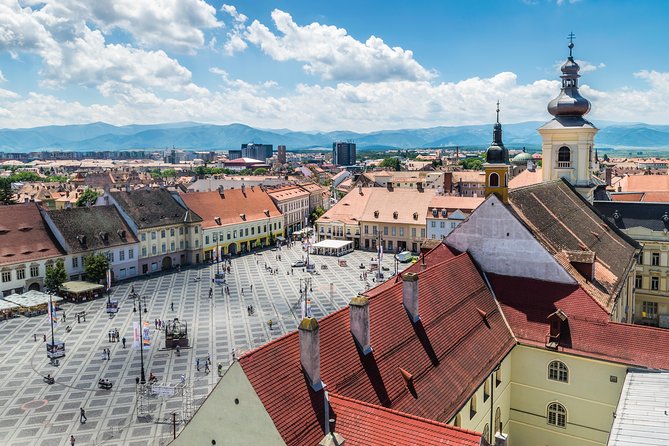
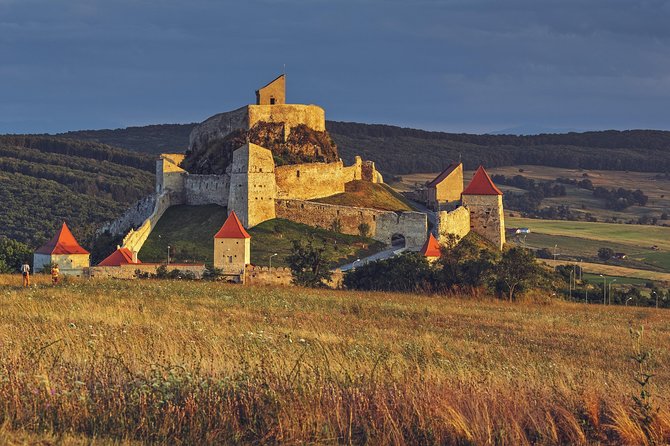
Next comes Cetatea Rupea. This is one of those stops where the “castle experience” is paired with a deeper timeline: Paleolithic and early Neolithic settlement signs, documented history recorded in the 14th century, and a refurbishment completed in 2013.
There’s also a local legend connected to Decebalus, the Dacian king. Even if you’re not chasing legends, the main win is the sense of long continuity, and how a citadel can survive across eras.
You’ll get about one hour here as well. The drawback to keep in mind is that ruins and refurbished sites can feel more “informational” than dramatic, depending on your style. If you like your history explained in story form, rely on your guide to connect the physical layout to the legends and facts.
Crit village meal and Sighișoara’s UNESCO medieval core
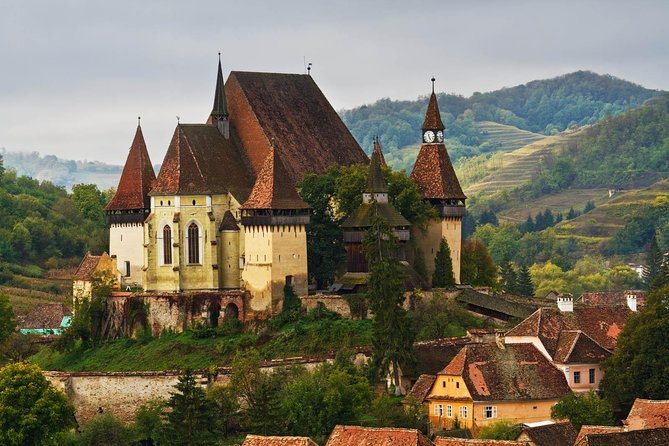
On the way to Sighișoara, there’s a stop in Crit, a Saxon village with traditional houses and local food. The tour includes a meal using traditional local products, which is a smart move for a tight schedule, because it breaks up the long driving stretches with a cultural stop.
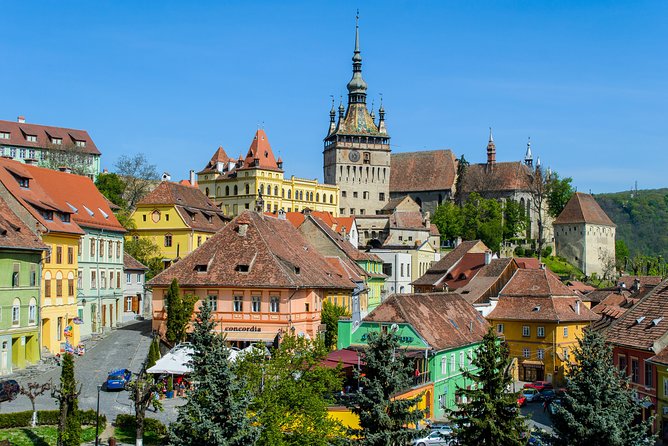
Then you arrive in Sighișoara, a UNESCO World Heritage Site since 1999, with a medieval citadel area that has been continuously inhabited since the 13th century. This is where the trip shifts from “big landmark tour” into “actually living in medieval streets” for a bit.
Expect narrow cobblestoned paths and colorful buildings, plus a lively mix of street performers and craftsmen demonstrations. In Citadel Square, you can see Vlad Tepes House, and the first floor houses a museum focused on weapons. It’s a focused way to connect Dracula lore to a real historical setting.
You check in and spend the night in Sighișoara after this day.
Biertan fortified church: survival architecture in sacred form
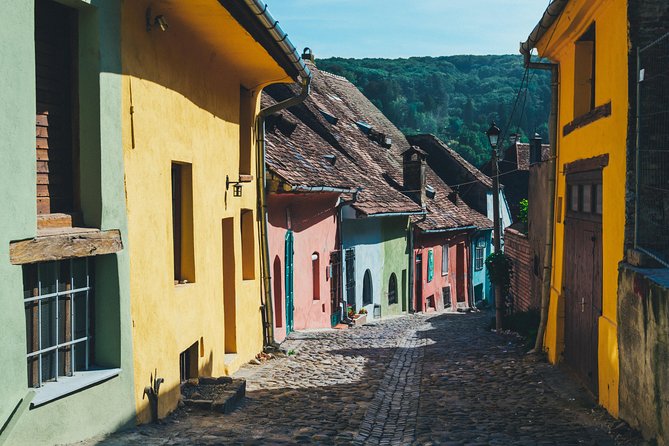
Day 3 starts with Biertan and the nearby village of Richis, known for a gothic fortified church with an age of over 500 years. This is the kind of place where you feel why people built walls around faith, not just around homes.
Then you visit Biertan itself, famous for the largest fortified church in Romania. The structure is described as surrounded by three rows of walls, with 6 towers and 3 bastions. If you enjoy architecture that has a job to do, this will satisfy you.
You’ll have about one hour at the site with entrance included. The best approach is to step back at points and look at the whole defensive layout, not just the church interior. That’s how the “fortified church” concept becomes real in your mind.
Alba Iulia’s star fort shapes how you see empires
From Biertan, the next stop is Cetatea Alba Iulia in Alba Iulia. Here, the big idea is a fortress built with bastions in a Vauban style, described as stellar-shaped and tied to decades of layered Roman and medieval history.
This stop can feel different from the medieval castles because it’s more about military planning and artillery-era thinking. Even in one hour, your guide can help you read the geometry and understand why star forts were designed the way they were.
One hour is a tight window, but this is a case where the “overview first” strategy works. Don’t try to memorize every wall and angle. Instead, focus on the overall shape and what it was built to handle.
Corvin Castle in Gothic drama, then on to Sibiu
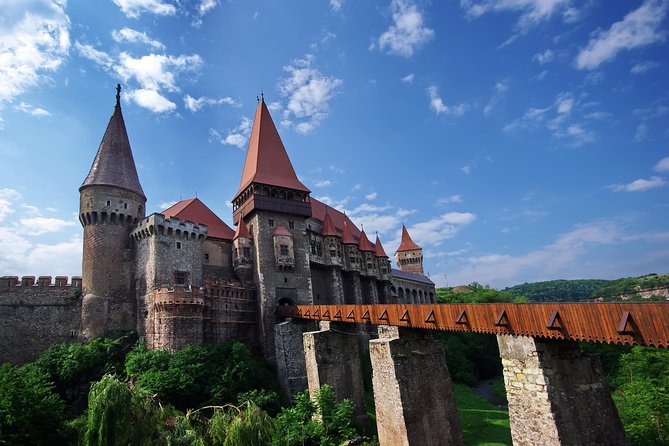
After Alba Iulia, you head to Castelul Corvinilor (also called Hunyad Castle). This Gothic castle is famous for its tall towers and stone dragon carvings. Even if you’re not a Gothic architecture expert, the place feels like it came from a storybook.
There’s also an important human thread tied to John Hunyadi, a hero associated with resisting the Ottoman invasion. That added story helps you see why a castle could be both theatrical and strategic at the same time.
You then drive to Sibiu for the night. The itinerary specifically notes a boutique hotel, and you’ll be positioned for a very walkable next day. If you like sleeping in a town center, this is one of the best parts of the schedule.
Sibiu’s medieval walking tour and the Bridge of Lies
Day 4 begins in Sibiu, described as German-influenced in feel, with a large main square surrounded by standout historic buildings. You’ll take a walking tour and reach defensive walls by crossing the Bridge of Lies, one of Romania’s most famous bridges.
This is a great way to end the castle-heavy trip, because it adds normal city life. You get squares, sidewalks, and the kind of “stroll and orient yourself” energy that makes history feel less like a checklist.
The tour includes about one hour for the city walk. When the schedule is tight, Sibiu helps because you can slow down on your own after the tour if you still have energy.
Curtea de Argeș Monastery and ending back in Bucharest
After Sibiu, the tour moves through the Carpathian Mountains, with driving along the bank of the Olt River. Then you arrive at Curtea de Argeș, where you visit an Orthodox church and the Necropolis of the great kings of Romania.
This stop is your emotional and architectural palate cleanser. Castles are loud and dramatic. Churches and royal necropolises tend to be quieter, heavier, and more reflective, even in a one-hour visit.
Finally, you return to Bucharest at night, and the tour ends with an Old Town stop (free). It’s a good wrap because it gives you a chance to decompress and decide what you want to explore further on your own.
Price and value: does $1,154.55 make sense?
At $1,154.55 per person for about four days, the value mostly depends on what you would otherwise pay to assemble the trip yourself.
Here’s what you’re getting that reduces your risk and planning time:
- Pickup and drop-off in Bucharest, so you’re not arranging transfers
- 3 nights of centrally located accommodation
- Professional English-speaking guide for the whole run
- Entrance fees included across multiple major sights
- 3 breakfasts plus one lunch using traditional local products
- Modern vehicle transport through multiple regions
What’s not included (and can affect your real cost): travel insurance, tips for guide and driver, meals and alcoholic beverages beyond the included lunch, room service, souvenirs, photography fees, and extra charges that might show up at certain sites.
In practice, the price feels most reasonable if you want to see a lot, don’t want to worry about logistics, and value a guide to connect castles, citadels, and legends into a coherent story. If you prefer slow travel, you might feel the price is paying for intensity rather than downtime.
What to pack and how to get the most out of it
You’ll walk in castles, citadels, and medieval towns. That means solid shoes beat fashion shoes. Layer your clothing too, because mountain-region weather can shift fast.
For your trip style:
- If you love fortifications, lean into Rasnov, Făgăraș, Rupea, and the fortified church theme in Biertan.
- If you care about legends, Bran is the headline, but Sighișoara’s Vlad Tepes House context helps you connect legend to place.
- If you want a final relaxing finish, plan to give yourself a bit of freedom in Sibiu and Bucharest Old Town after the guided blocks.
Also, treat the “time allows” moments as bonuses, not guarantees. If you want extra evening walking in Brașov, keep your expectations flexible and don’t plan anything tight right after dinner.
Who should book this castles tour?
Book it if you want:
- A guided, structured route that covers major castles and fortified churches in a short time
- A small group where you can ask questions and keep a personal pace
- Entrance fees and breakfasts handled, so you can focus on the sights and stories
Consider a different style if:
- You hate busy schedules and would rather spend more days in fewer places
- You’re the kind of traveler who expects long free time in each town
- You’re very budget-focused on meals, since only one lunch is included beyond breakfasts
Should you book this Transylvania castles tour?
Yes, if you want a high-value snapshot of Transylvania with minimal logistics stress, and you like your history explained while you walk. The max 8 travelers approach plus entrance fees, breakfasts, and three nights make it easier to justify the price than a self-planned whirlwind.
I’d still go in with the right mindset: this is a lot of castles and fortifications in four days. If you embrace that pace, you’ll likely finish the trip feeling you actually understand how this region defended itself, ruled itself, and mythologized itself all at once.
Newest Bucharest write-ups
- Half Day Tour in Bucharest
★ 5.0 · 1 review - Private transfer to BRASOV
★ 5.0 · 1 review - Bucharest: Capture the most Photogenic Spots with a Local
★ 5.0 · 1 review - Bucharest Private Custom Walking Tour with Guide (Private Tour)
★ 5.0 · 1 review - Transfer Bucharest to Constanta / Mamaia
★ 5.0 · 1 review - Uncover Transylvania: Private 2-Day Tour Bears & Medieval Wonders
★ 5.0 · 1 review - Private Day Trip to Peles Palace, Dracula’s Castle and Brasov
★ 5.0 · 1 review
4-Day Experiences, compared.
4-Day Private Tour in Transylvania from Bucharest
Read our review →
4 Days Private Tour in Transylvania: Sibiu, Sighisoara and Brasov
Read our review →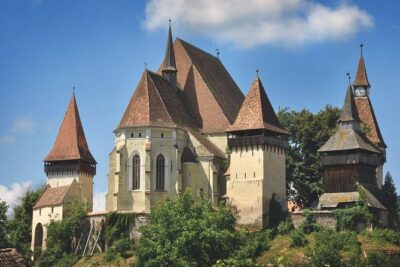
4-Day Private Tour of Transylvania from Bucharest
Read our review →
4-Day Carpathian Trek: Bucegi Mountains and Piatra Craiului National Park
Read our review →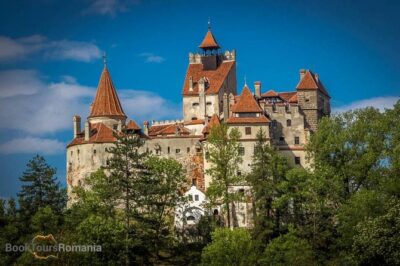
Private Tour: 4-day Transylvania Famous Landmarks
Read our review →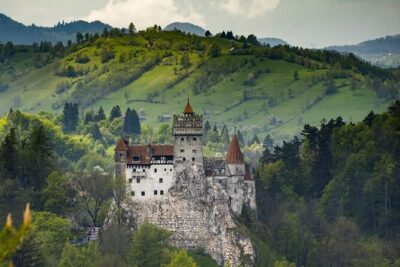
Private 4-Day Tour in Transylvania including Transfagarasan Road from Bucharest
Read our review →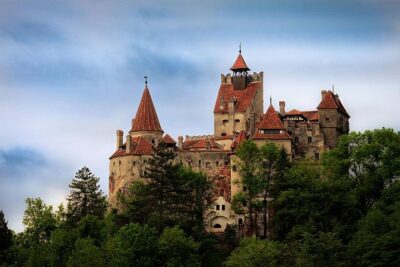
4-Day Transylvania and Dracula Tour from Bucharest
Read our review →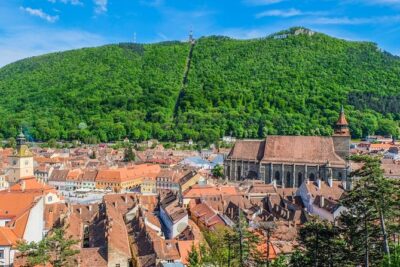
Browse the lists this tour appears in