
Reviewed · 2-DAY EXPERIENCES
Transylvanian Fortifications – PrivateTour 2Days
Old-world walls, real legends, tight timing.
This private Transylvanian Fortifications route is a smart way to see the region’s best-known medieval defenses without spending your whole trip in transit. I especially like how it connects castle interiors, Saxon fortifications, and village defenses under one history theme. You also get practical comfort perks like a private vehicle and in-car WiFi, so the day-to-day feels easy, not stressful.
Two things I really like: first, the one-on-one feel with an English/French/Italian speaking guide and driver for the whole experience, so questions are welcome and pacing stays calm. Second, the lineup is unusually well-balanced, mixing famous names like Peles and Bran with the lesser-hyped stops that actually show how people lived behind walls, like Sighisoara’s citadel and Prejmer.
The main drawback to plan around is that entry tickets are not included, so you will want to budget for castle and church admissions on top of the tour price.
In This Review
- Key highlights at a glance
- How this 2-day fortifications tour fits real life
- Price and logistics: what you are really paying for
- Day 1 in Romania: Bucharest views, Peles Castle, and medieval Brasov
- Sighisoara UNESCO citadel: the Saxon city-within-a-fortress
- Rupea Hill Fortress: short stop, big context
- Day 2: Viscri village fortifications, Bran Castle, and Prejmer’s defensive church
- Bran Castle: Dracula’s name, real castle mechanics
- Prejmer Fortified Church: UNESCO defense at church scale
- What you learn from these fortifications, beyond the famous names
- Tickets, time windows, and the small details that save stress
- Who should book this tour, and who might want a different fit
- Should you book the Transylvanian Fortifications PrivateTour?
Key highlights at a glance
- Private 2-day structure that keeps drives manageable and sightseeing focused on fortifications
- Sighisoara Citadel (UNESCO) plus Prejmer Fortified Church (UNESCO) for two major defense sites
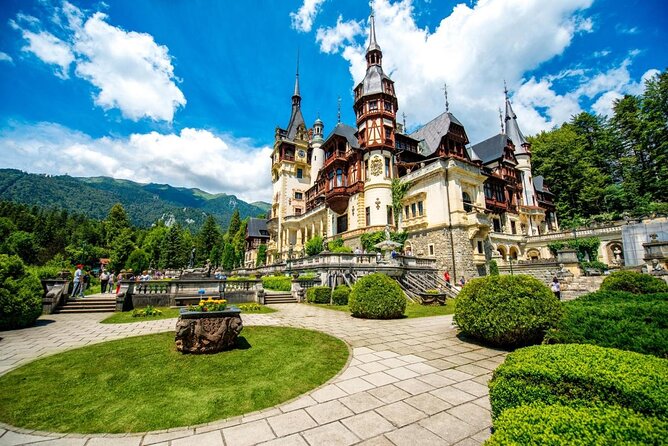
- Peles Castle interiors with time for the surrounding scenery
- Bran Castle with time for both the chambers and the nearby crafts bazaar
- Hotel with breakfast in Sighisoara, so Day 2 starts without chaos
Other Bucharest days worth the drive
- Bucharest: Dracula’s Castle, Peles Castle, & Brasov Old Town★ 4.5 · 17,858 reviews
- Bucharest: Dracula Castle, Peles Castle & Brasov Old Town★ 4.6 · 10,891 reviews
- Bucharest: Dracula’s Castle, Peleș Castle & Brașov Day Trip★ 4.4 · 6,100 reviews
- Bucharest: Palace of Parliament Tickets and Guide★ 4.3 · 3,182 reviews
How this 2-day fortifications tour fits real life
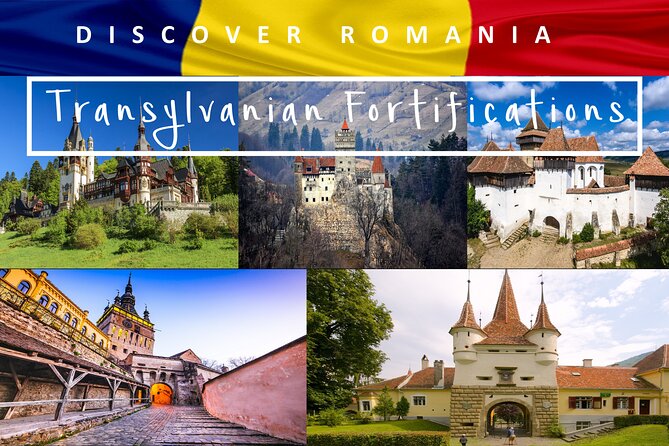
This tour is built for people who want Transylvania to feel cohesive, not like a checklist. You focus on defensive architecture and the people behind it, starting with royal-era castles, then shifting toward Saxon planning and community fortifications. In two days, you still get enough time to look closely and not just pose in front of stone.
Because it is private, the schedule can move at a human pace. You are not stuck waiting while random group members sprint for photos or get lost in queues. That matters at castles, where lines and timed entry can easily steal your energy.
You also get a few comfort details that make the travel days smoother. The vehicle is private and air-conditioned, with high-speed WiFi and bottled water/coffee provided daily. It is a small thing, but after the first long drive it starts to feel like the difference between sightseeing and sightseeing fatigue.
The guide quality is a big part of why this works. One guide name that comes up again and again is Marius Tatar, and the feedback pattern is consistent: he makes the experience easy to enjoy, including for a solo traveler who puts safety first. That is exactly the kind of guiding you want on a history-heavy trip.
Price and logistics: what you are really paying for
At $573.01 per person, this is not a budget option. The value comes from what is included, especially the private transport and the guided time at multiple sites. You are paying for a full driver plus an English/French/Italian speaking guide for the entire two days, and that is what keeps the stops efficient and calm.
Here is what you should mentally sort when you think about cost:
- Entry tickets are not included, so plan extra spending for castle and church admissions.
- Meals are not included. The tour notes an average meal with drinks of around 10 EUR per person, which is a helpful benchmark for budgeting.
- Accommodation with breakfast in Sighisoara is included. That is a real cost offset if you would otherwise have to line up a hotel, then manage the next morning’s logistics.
Also, you get pickup offered. That means you can start Day 1 from where you are staying, which is especially helpful in Bucharest because timing and parking can be annoying if you do it yourself.
If you want the cheapest way to hit these places, a self-drive or public-transport plan might be less expensive. But if you value time, comfort, and not second-guessing routes, the price starts to look more reasonable.
Day 1 in Romania: Bucharest views, Peles Castle, and medieval Brasov
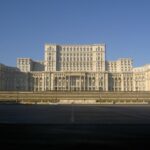
Day 1 begins in Bucharest with a quick pass by major landmarks around Victory Square. You do not spend the time to tour museums here, but you get orientation fast, plus a sense of how modern Romania sits alongside the older story you came to see. The tour also includes a stop at Victoria Palace, with admission free and about five minutes on the ground.
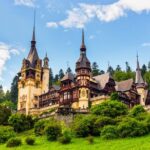
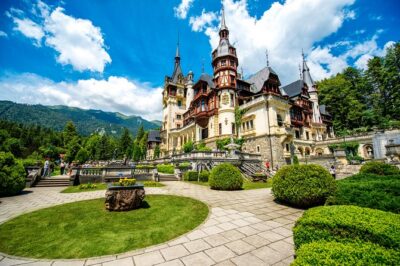
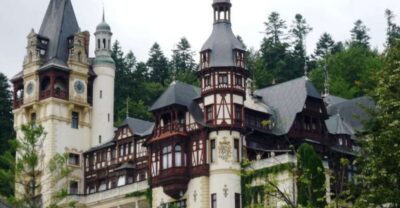
Then you head to Peles Castle, one of the most polished royal residences in Romania. You get about two hours to explore the interiors, and for many people this is the most rewarding part of Day 1, because you are not just staring at a facade. You get to see how a royal summer residence is built and decorated, with attention to interior details and the setting around it.
What to watch for at Peles: the timing. Two hours is enough to see the main rooms and get a few slower looks, but it is not enough if you try to treat it like a museum with a casual all-day approach. Plan for focused wandering, then use your extra moments to look at views and surroundings.
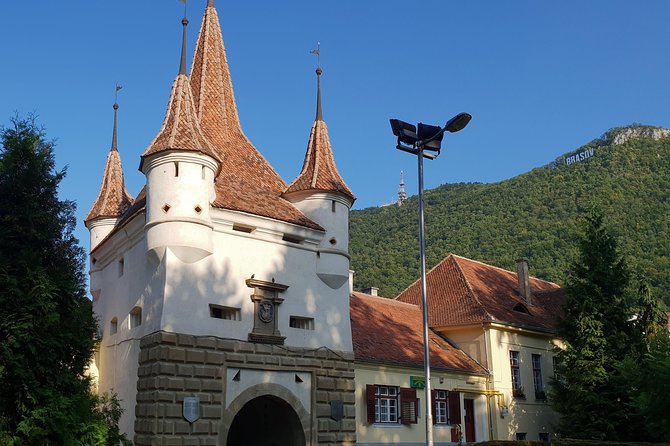
After Peles, you move to Brasov Historical Center. You get about two hours for a walking circuit of major landmarks, including the Black Church, Council Hall, Rope Street, and gates tied to neighborhoods like Schei and Catherine Gates. Brasov works well on this kind of tour because it is walkable and layered. You get medieval bones, later influence, and street-level atmosphere.
A practical note: walking comfort matters. Cobblestones are part of the charm, but they can wear you down. If you know you get sore feet, bring supportive shoes.
Different day out, same corner of Romania:
Sighisoara UNESCO citadel: the Saxon city-within-a-fortress
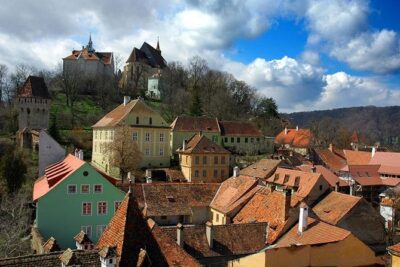
From Brasov, the tour shifts toward a place that makes the fortifications theme click: Sighisoara. You get a long walk here, about three hours inside the historic center at the UNESCO-listed citadel. This is described as the only inhabited citadel in Europe, and the key word is inhabited. You are not only looking at old walls. You are walking through a real town that grew around defenses.
The Saxons built this settlement with defense in mind, and the city structure shows it. The guide route includes views of the nine towers guarding the citadel. Even if you are not a tower person, it helps to see how defensive planning shapes a whole urban layout, including where streets go and how you move between key points.
You will likely feel two modes during this stop. First, it is charming, with cobbled lanes and a medieval feel. Second, it is strategic, because towers and walls remind you this was about protection first. That switch is what makes this stop more than a photo stop.
One extra benefit: the tour includes accommodation with breakfast in Sighisoara. That means you spend the night close to the citadel instead of commuting back to Bucharest. It is a comfort win and also helps you start Day 2 without time pressure.
Rupea Hill Fortress: short stop, big context
Rupea Hill Fortress is a quick stop, about 30 minutes, and that makes it easy to overlook. But it is worth the time because it stretches the story back beyond medieval Saxon defenses.
The site is described as dating back to Dacian and Roman times. That matters. When you are comparing castles and fortified churches, it helps to know you are not just seeing one era. You are seeing layers of settlement and strategic use of a hill position across centuries.
How to get the most from this short stop:
- Use the time to note the setting, especially the vantage points.
- Ask your guide what the early period adds to the later medieval story.
If you only want long interior visits, this might feel like the “small” stop. If you like seeing how history stacks, it is a strong palate cleanser between the bigger names.
Day 2: Viscri village fortifications, Bran Castle, and Prejmer’s defensive church
Day 2 starts with Viscri Fortified Church and the Viscri Saxon Village area, with about two hours on site. This is a different kind of fortification experience. Instead of royal drama, you get community life and how traditions and local customs connect to the church and its defensive role.
Viscri is also known for being one of the best-preserved Saxon villages, and the tour includes the King Charles III Residence area. Even if you are not focused on modern celebrity ties, it helps to see how a place can be maintained and protected across generations.
What I appreciate here is that it slows down the trip. Two hours is long enough to walk, absorb village scale, and connect fortification to everyday life.
Bran Castle: Dracula’s name, real castle mechanics
After Viscri, you visit Bran Castle, often called Dracula’s Castle. You get about two hours for chambers and secret passages, plus time to shop at the Handcrafts Bazaar near the castle at the end.
Bran is a magnet. People expect legend. But the stronger experience is learning how a fortress-style castle functioned and why it is positioned the way it is. The tour frames it as centuries old with legendary status, but you are not required to be a Dracula expert.
Practical advice for Bran: treat it like a walking visit with a few built-in slow moments, not like a sprint. Secret passage areas can be tight, and rushing makes it harder to enjoy the story beats. Use your two hours for a steady pace, and save the bazaar for after you finish the castle so you are not distracted while you still need to look at rooms.
Prejmer Fortified Church: UNESCO defense at church scale
The final major site is the Peasant Fortified Church at Prejmer, a 13th century fortress church. You get about 30 minutes here, and the big draw is how many battles it witnessed, including attacks by Ottomans and Tatars.
A fortified church feels different than a castle. It compresses defense into a place of community worship. The idea is straightforward: if you live in a region that faces repeated raids, you build protection where people gather. Even with just half an hour, you get a sense of why this building mattered beyond religion.
Because time is short, use your guide to point out the key defense features. That is how you make a short stop feel complete.
Then you return to Bucharest, passing by Revolution Square and landmarks like the Romanian Atheneum, Royal Palace, and sites tied to the former Communist era, including former party headquarters and the Memorial of Rebirth, before drop-off at your hotel.
What you learn from these fortifications, beyond the famous names
This is not only a castle tour. It is a tour of how different groups solved the same problem, protection. You see at least three distinct defense mindsets:
- Royal power and castle architecture at places like Peles and Bran
- Saxon urban planning at Sighisoara, where the whole town layout functions like a defense system
- Community defense at Prejmer and village-linked fortifications at Viscri
When you view them together, you start noticing patterns. Fortifications are not just dramatic walls. They influence streets, daily routines, and where people feel safe enough to work, live, and trade.
It also helps you understand why the region’s tourist identity can feel Dracula-heavy, while the real story is broader. Dracula is the hook. The walls and the people behind them are the meal.
If you care about legends, you still get your pay-off. If you care more about architecture and survival logic, you still get your payoff too.
Tickets, time windows, and the small details that save stress
A big practical factor for this trip is that entry tickets are not included. That means you should expect to pay for sites such as castles and churches on your own. It is normal for this style of tour, but you should treat it as part of the budget rather than a surprise cost.
The tour does include mobile tickets as a feature, which can reduce friction once you arrive at sites. Still, because tickets are not included, you might need to plan how you will handle payments and whether your guide can help confirm what to buy.
Another timing detail: you have multiple walking stops, including Brasov and Sighisoara. Those are not long endurance hikes, but they do add up. Build in a mindset of steady walking, a couple of quick breaks, and not expecting every stop to be slow and silent.
Good to know: the tour provides high-speed WiFi, and it is offered on board. That makes it easier to message home, confirm restaurant plans for dinner in Sighisoara, or just keep your day organized.
Who should book this tour, and who might want a different fit
This tour is a great fit if you want:
- A private experience with a guide who can explain what you are seeing
- A history focus that connects royal castles to Saxon and community defenses
- A well-paced two days with overnight in Sighisoara and breakfast included
It may not be ideal if you:
- Only want to focus on one or two famous interiors and nothing else
- Hate planning around entry ticket costs on top of the base price
- Prefer lots of free time with no guided structure at all
For solo travelers, the private setup often feels safer and calmer, and feedback around guide support suggests this is done with care. If you are traveling as a couple or small group, you get the same benefit: the tour stays built around your pace.
Should you book the Transylvanian Fortifications PrivateTour?
Yes, you should book this if you want a tight, guided two-day loop that covers famous castles plus UNESCO fortification sites, without turning your trip into a logistics headache. The inclusion of Sighisoara lodging with breakfast, plus full guided time and private transport, makes it a strong value compared to piecing everything together yourself.
I would skip it only if you want a fully ticket-inclusive package or if you prefer fewer stops and more free wandering. Otherwise, this is a smart way to see Transylvania’s defense story where it actually happened, from royal residences to Saxon towers to a fortified church that survived real raids.
Newest Bucharest write-ups
- Half Day Tour in Bucharest
★ 5.0 · 1 review - Private transfer to BRASOV
★ 5.0 · 1 review - Bucharest: Capture the most Photogenic Spots with a Local
★ 5.0 · 1 review - Bucharest Private Custom Walking Tour with Guide (Private Tour)
★ 5.0 · 1 review - Transfer Bucharest to Constanta / Mamaia
★ 5.0 · 1 review - Uncover Transylvania: Private 2-Day Tour Bears & Medieval Wonders
★ 5.0 · 1 review - 7-Days Grand Romania tour from Bucharest
★ 5.0 · 1 review
2-Day Experiences, compared.
2-Day Medieval Transylvania with Brasov,Sibiu and Sighisoara Tour from Bucharest
Read our review →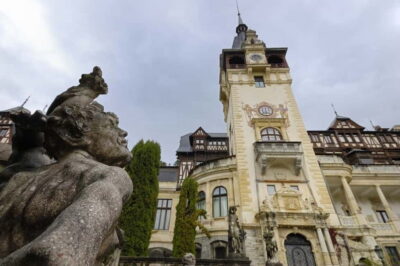
2-Day Transylvania from Bucharest: Brasov, Bran, Sighisoara
Read our review →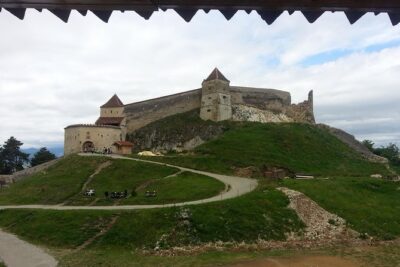
2-Day Private Tour of Transylvania from Bucharest
Read our review →
2 Days Private Tour in Transylvania from Bucharest – 4 Medieval Cities
Read our review →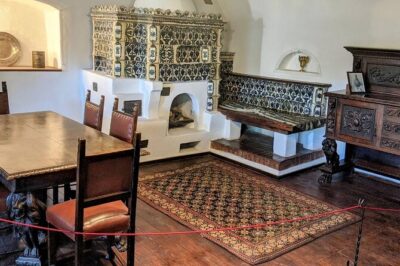
2 Days – Private Tour to Transylvania – Brașov, Sighișoara, Sibiu
Read our review →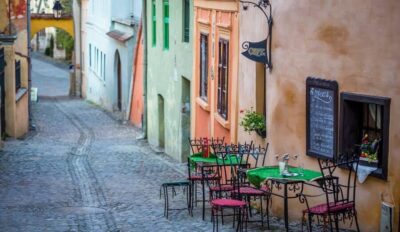
Premium Transylvania and Dracula’s Castle 2-Day Tour
Read our review →Browse the lists this tour appears in