Reviewed · TOURS
14-Day The Best of The Balkans Small Group Tour from Bucharest to Budapest
One road trip through the Balkans.
This 14-day small-group tour strings together Romania, Bulgaria, North Macedonia, Albania, Montenegro, Bosnia, Croatia, Slovenia, Serbia, and ends in Hungary, with 3- and 4-star hotels and breakfast handled for you.
I especially like the built-in rhythm: long drives between countries, then focused walking tours where you actually get oriented. I also like that you get a professional tour director who travels with you in an air-conditioned vehicle, so questions do not get lost at the border.
The one drawback to think about is pace and weather. It is a lot of ground in two weeks, and key moments like the Danube cruise and Plitvice Lakes can shift if conditions are poor.
In This Review
- Key things to know before you go
- Price and logistics: does $3,009.77 feel worth it?
- Day 1-2: Bucharest to Bulgaria, the Danube crossing, and Sofia by night
- Rila Monastery and Skopje: UNESCO scale and city orientation
- Skopje’s Old Bazaar and Lake Ohrid’s layered past
- Ohrid to Albania: Bay of Bones, St. Naum, and the Tirana bridge-to-castle switch
- Kruja’s Castle and Montenegro’s Adriatic pivot to Croatia
- Dubrovnik with free time in Lapad: use it well
- Mostar’s Old Bridge and Split’s Diocletian Palace walls
- Plitvice Lakes National Park: weather can control your day
- Slovenia switch: Postojna Cave and arriving in Ljubljana
- Zagreb after Ljubljana: hilltop views and the market-to-parliament flow
- Serbia chapters: Belgrade’s fortress and Skadarlija style old quarters
- Novi Sad stop en route to Budapest: Danube embankment and Petrovaradin outside views
- Budapest on your own: Heroes’ Square, Andrássy Avenue, and a full free day
- Who this tour fits best
- What to pack, especially for churches and caves
- Tour director and group size: why it affects your day-to-day experience
- Should you book this Balkans circuit?
- FAQ
- What time does the tour start?
- How many people are in the group?
- What is included in the price?
- Are entrance fees included for museums and churches?
- Is pickup offered?
- Is breakfast provided every morning?
- What is the dress code on the tour?
- Does the tour include boat or train experiences?
- Which parts depend on weather?
Key things to know before you go
- Small group size (max 15) keeps the trip manageable on busy days.
- Breakfast included for 13 mornings, which helps when you are hopping between countries fast.
- Weather-sensitive highlights: Plitvice can close, and the Danube cruise can be delayed or swapped.
- Strong mix of big icons and lesser-visited stops, like Rila Monastery and the Bay of Bones area.
- Hands-on moments: boat rides at St. Naum and Our Lady of the Rocks, plus the Postojna Cave train.
- Dress code matters for churches and selected museums, with knees and shoulders covered.
Other Bucharest days worth the drive
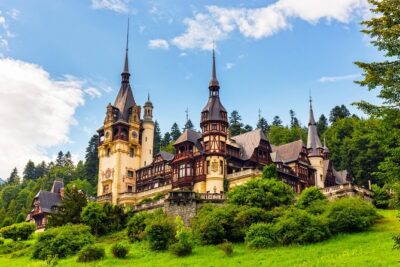
- Bucharest: Dracula’s Castle, Peles Castle, & Brasov Old Town★ 4.5 · 17,858 reviews
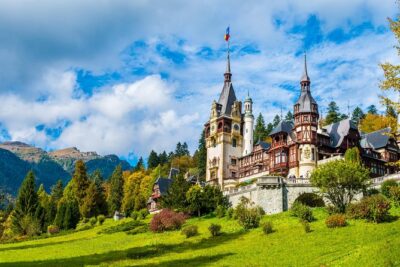
- Bucharest: Dracula Castle, Peles Castle & Brasov Old Town★ 4.6 · 10,891 reviews
- Bucharest: Dracula’s Castle, Peleș Castle & Brașov Day Trip★ 4.4 · 6,100 reviews
- Bucharest: Palace of Parliament Tickets and Guide★ 4.3 · 3,182 reviews
Price and logistics: does $3,009.77 feel worth it?
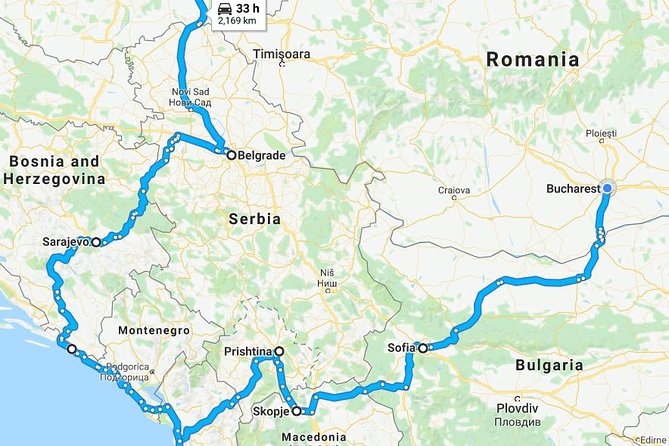
At $3,009.77 per person, you are paying for convenience plus a lot of borders crossed in one organized package. You are not just buying sights, you are buying the chain reaction that usually ruins Balkan itineraries for DIY travelers: transport, hotel nights, and an English-speaking guide who knows how to keep the group moving.
What you do get for the price is clear. Thirteen nights in 3- and 4-star hotels with breakfast, an air-conditioned vehicle, and a professional tour director who also drives. That last part is underrated. When the same person handles navigation and timing, you tend to lose less time to confusion.
What is not included is also important. Entrance fees are not covered, and tips for the tour guide and driver are not included. So when you budget, plan extra money for churches, fortresses, caves, and museums where admission is required.
Also, start time is 9:00 am. This is not a late-morning lounge tour. You will be up, ready, and out the door most days.
Day 1-2: Bucharest to Bulgaria, the Danube crossing, and Sofia by night
You begin in Bucharest in the morning and head toward Bulgaria, with an early theme of river power and Orthodox art. The first stop is a 16th-century Church of Nativity with richly painted frescoes. This is the kind of stop where you get more value by slowing down for a few photos, because the interior artwork is the point.
Then comes Veliko Tarnovo and Tsarevets Fortress, tied to the Asenevtsi kings and the former Bulgarian capital. You get the main fortress story, plus nearby highlights like Samovodska charshia. This is one of those days where you feel the Balkans are not flat. Old capitals often sit up, and you will notice it.
Sofia caps the day with a walking tour in the evening. Expect big markers like Alexander Nevsky Cathedral, Saint Sofia Church, Banya Bashi Mosque, the Sofia Synagogue, and the Vitosha shopping street. It is a neat first sample of how many faiths and eras overlap in one city.
Rila Monastery and Skopje: UNESCO scale and city orientation
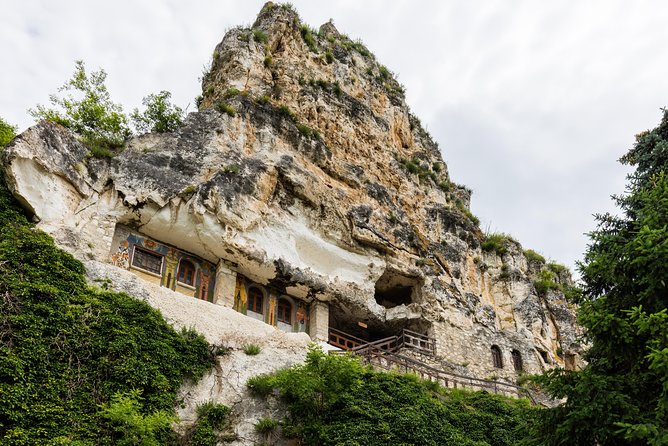
Day 2 brings Rila Monastery, Bulgaria’s most famous site and a UNESCO World Heritage Site founded in the 10th century. The tour focuses on the Church with interior decoration attributed to major 19th-century painters and woodcarvers. If you have any interest in Orthodox art and how faith shaped daily life for centuries, this is one of your anchor moments.
After that, you drive toward Skopje. You arrive in the early evening and get an orientation tour of the city center, with the walking plan designed to help you understand where everything sits. Skopje’s highlights are concentrated enough that a first orientation works well before you explore further.
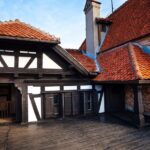
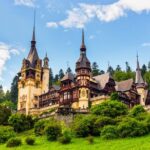
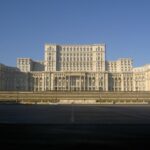
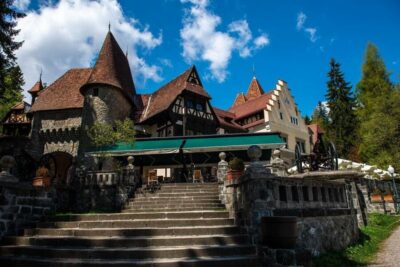
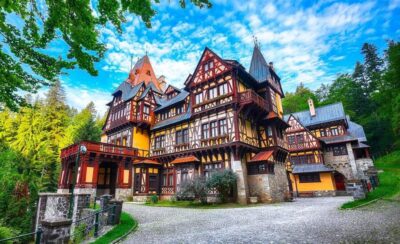
Different day out, same corner of Romania:
Skopje’s Old Bazaar and Lake Ohrid’s layered past
On day 3, the old core comes alive in Skopje. You walk the Old Bazaar, a major surviving bazaar area, and you also see key landmarks tied to the Vardar River and the Mother Teresa Memorial House. You also get the fortress area of Kale and Macedonia Square with Alexander the Great on horseback. It is a busy mix, but it is good at giving you a mental map.
Then you shift to Ohrid, a UNESCO-listed lake city on the Macedonia-Albania border. Ohrid is billed as ancient, and the itinerary reflects that with a long walking tour of the old center: narrow streets and squares, the Ancient Theater, old churches and monasteries including Sveti Sofia Church, plus Tsar Samuil’s Fortress. Lake Ohrid itself is noted as Europe’s oldest lake, formed over three million years ago, and that detail helps you appreciate why the city feels tied to the water.
Ohrid to Albania: Bay of Bones, St. Naum, and the Tirana bridge-to-castle switch
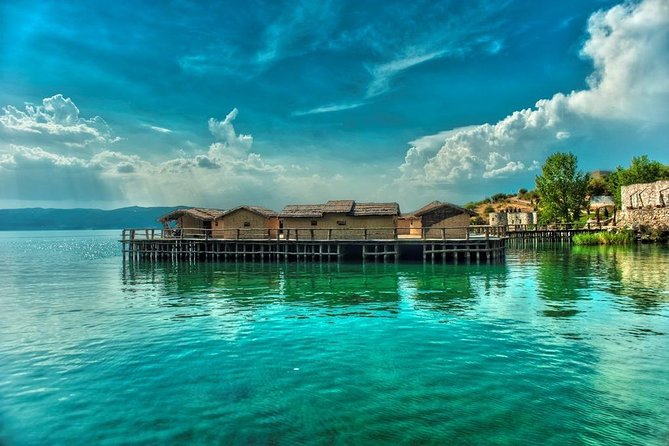
Day 4 starts with the Bay of Bones Museum, described as an archaeological complex and reconstruction of a pile-dwelling settlement dating back between 1200 and 700 BC, plus a Roman military fortification element. This is not a quick roadside stop. It is time spent with evidence, which balances all the fortress-and-church days.
After breakfast and a museum stop, you move to St. Naum Monastery. The itinerary includes a small rowing boat ride to the springs of the Black Drim River. If you like moments where nature is part of the story, this is one of the reasons Ohrid-area days work.
Crossing into Albania brings Tirana for a city center walking tour. You will hit Skanderbeg Square, the National History Museum, Palace of Culture, the National Bank area, Et’hem Bey Mosque, and Skanderbeg’s statue. Then you continue to Kruja for an orientation visit, setting up the next day’s deeper dive.
Kruja’s Castle and Montenegro’s Adriatic pivot to Croatia
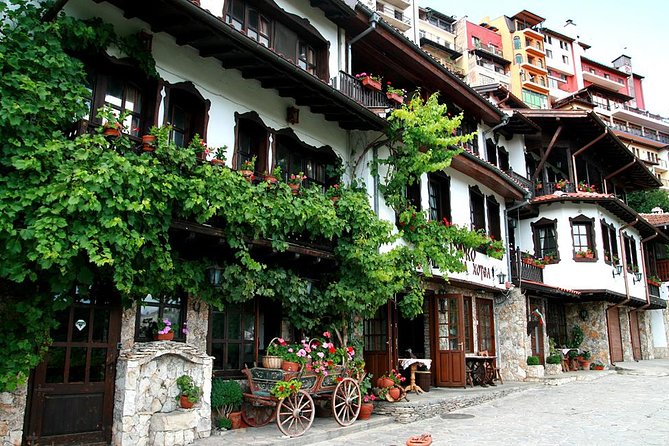
Day 5 deepens Kruja with a visit to the castle and its museum, described as the headquarters of the Dragon of Albania, followed by time in the local bazaar. This is where the Albanian resistance story becomes physical. The fortress is not just scenery, it is the point.
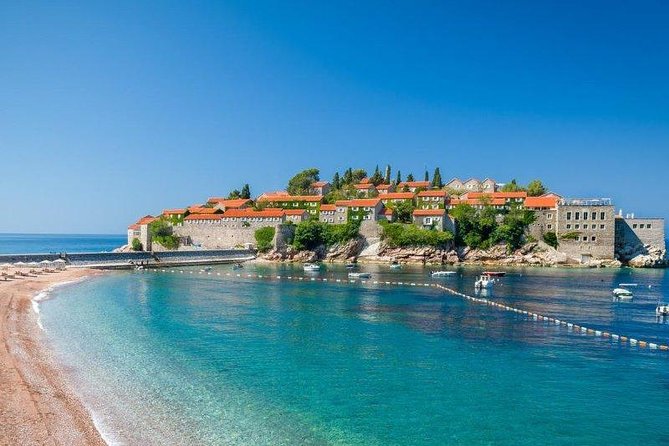
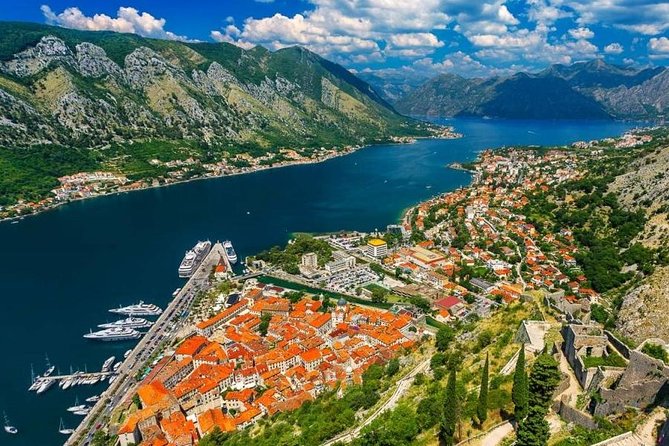
From there you cross into Montenegro and stop in Budva to see the Old Town and major spots like Ballerina and Mogren Beach, Land Gate, Ancient Necropolis, Square of Churches, and the Citadel area. Then you end the day in Kotor with Stari Grad, the fortified old town listed as UNESCO heritage.
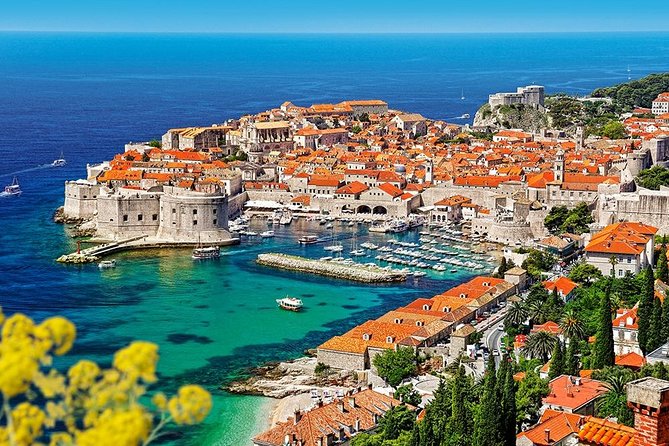
Day 6 turns the dial from streets to sea. You get a Bay of Kotor tour with a boat trip to the Roman Catholic Church of Our Lady of the Rocks, plus stops covering Tivat and Porto Montenegro. Then you continue into Croatia and arrive in Dubrovnik, where the tour focuses on key old town areas: Onofrio’s Fountain, Prijeko Street, and the Old Port, the heart of Dubrovnik’s maritime trading.
One practical note: Dubrovnik’s old town is compact but popular. Expect walking where you need good shoes and patience.
Dubrovnik with free time in Lapad: use it well
Day 7 is free time in Dubrovnik, and that is a smart design choice. You stay in the same 3-star hotel in Lapad, which gives you an easy base rather than daily hotel changes.
This free time is where you decide your style. The tour manager can point you toward options like a boat trip to the Elafiti Islands or a Blue Cave style outing. If you want lighter days, you can also just stroll the promenade from Lapad or relax by the Adriatic.
This kind of “choice block” makes the whole trip feel less like a checklist. It also helps you recover from the earlier days of forts and museums.
Mostar’s Old Bridge and Split’s Diocletian Palace walls
Day 8 crosses into Bosnia and Herzegovina for Mostar. You visit the Old Bridge Area and old city areas that are part of UNESCO heritage. Mostar’s bridge area is the kind of place where architecture and history meet in a small footprint, so the guided timing is useful.
Then you cross back to Croatia and reach Split. The tour calls out Diocletian’s Palace, plus the city’s historical center. You get a 2-hour visit, which is short enough to stay energized but long enough to notice the palace walls are still shaping daily movement through the city.
Plitvice Lakes National Park: weather can control your day
Day 9 heads to Plitvice Lakes National Park, described as the oldest national park in Croatia and UNESCO heritage. You get a walking tour and time to experience the color shifts of the park’s waters, from azure to green and blue tones depending on sunlight.
Here is the important reality check. Plitvice is explicitly stated as weather-dependent, and the national park administration can close it. The tour operator says they will do their best to make slight itinerary changes if needed, based on the group’s safety and conditions.
So keep expectations flexible. Pack a rain layer, and do not plan anything tight for this day outside the tour.
Slovenia switch: Postojna Cave and arriving in Ljubljana
Day 10 brings Postojna Cave in Slovenia, presented as the largest show-cave in Europe and featuring an electrical train. That matters because it keeps you moving efficiently while still letting you take in the cave’s natural formations.
In the late evening you arrive in Ljubljana, and day 11 is where you enjoy the city on foot. Ljubljana’s walking tour includes Congress Square, National University Library, New Square, Cobbler’s Bridge, Prešeren monument, Franciscan Church, Three Bridges, Old Square, river promenade areas, Municipality Square, St. Nicholas Cathedral, and the Open Air Market, plus Butcher’s and Dragon Bridges.
It is a tour that feels built for an easy pace. You will get viewpoints, bridges, and a river city layout that makes exploring later easier.
Zagreb after Ljubljana: hilltop views and the market-to-parliament flow
Day 11 also continues to Zagreb, with a walking tour split into Upper Town and Lower Town districts. You get views from Strossmayer Promenade and key stops like Lotrščak Tower, St Catherine’s Church, Stone Gate, and the Croatian Parliament area.
Then the route goes downhill via Tkalčićeva Street toward Dolac Market and Kaptol. You finish with Ban Jelačić Square and the familiar center hangout vibe. If you like cities where you can walk from viewpoints down into a market street, this tour style works well.
Serbia chapters: Belgrade’s fortress and Skadarlija style old quarters
Day 12 is Belgrade. After breakfast, you drive to Serbia and arrive in the afternoon. The tour includes Republic Square, the National theater and museum areas, Bohemian Quarter (Skadarlija), and the oldest parts of the city with Ottoman heritage.
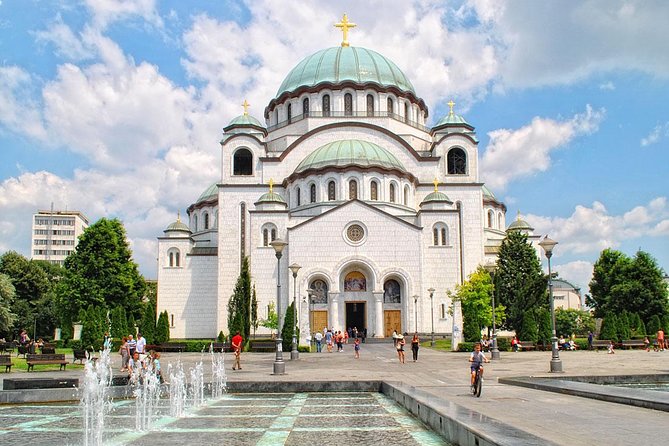
You will also see the only mosque in the city as described by the itinerary, plus Kalemegdan Park and Belgrade fortress. The stop list ends with Victor, Belgrade’s famous symbol, and the confluence of the Sava and Danube rivers.
Belgrade is one of those cities where a short guided route can still feel substantial because it connects the layers. You get both monumental spots and older neighborhood context.
Novi Sad stop en route to Budapest: Danube embankment and Petrovaradin outside views
Day 13 brings Novi Sad, with a stop on Zmaj Jovina Street and the promenade area. You see the ornamental Palace of the Orthodox Bishop and the long line of 19th-century single-story houses on Dunavska Street. You also visit the Danube embankment and get outside views of Petrovaradin Fortress on the far bank.
Then you continue to Budapest in the evening. After check-in you have a 1-hour scenic Danube cruise.
Important timing note: the Danube cruise is explicitly weather- and navigation-conditional. Low water or restrictions can cancel it. The operator says they will try to enjoy the tour and may swap it with the next day, but if it becomes the next day, you need to get yourself to the dock since it may be the last day with the tour manager.
So if you are picky about schedule, keep your evenings light on Day 13 and Day 14.
Budapest on your own: Heroes’ Square, Andrássy Avenue, and a full free day
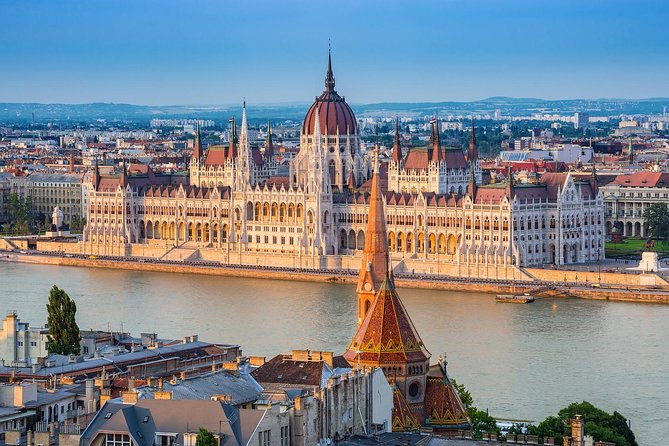
Day 14 is mostly free time in Budapest with a list of key self-guided priorities. You are pointed toward Heroes’ Square, Andrássy Avenue, St. Stephen’s Basilica, Dohány Street Synagogue, and the Castle District in Buda.
This is a smart finish. By the last day, you know the kinds of walking you enjoy, and Budapest rewards planning-less wandering. If you want a simple win, pick one big area and go deep for a few hours rather than trying to collect everything.
Who this tour fits best
This tour is ideal if you want a two-week circuit across multiple countries without managing borders, hotels, or daily transport. It is also a good fit if you like guided walking tours and structured stops like UNESCO sites.
You should consider something else if you hate long drives or you need lots of downtime every day. This itinerary is built for movement, and the group moves as one unit most days.
It also lists moderate physical fitness as a requirement. Most days include walking tours, plus longer stretches between sites.
What to pack, especially for churches and caves
Two packing items matter more than usual here: clothing and weather gear.
The tour requires a dress code for places of worship and selected museums, with knees and shoulders covered for both men and women, and no shorts or sleeveless tops. You can solve this with a light scarf or a breathable layer that covers shoulders, plus pants instead of shorts on travel days.
Bring comfortable shoes for fortress steps and old town cobblestones. And pack rain protection because parts of the itinerary can change when conditions are bad, including the cave and park timing in general terms through weather dependence.
Also, bring a small day bag. The itinerary includes multiple short stops and transitions, so you will want easy access to water, a light layer, and your camera.
Tour director and group size: why it affects your day-to-day experience
The trip runs with a professional tour director who also drives, and the maximum group size is 15 travelers. That combination usually makes the day smoother. You are less likely to get lost in logistics when one person is accountable for routing and timing.
The reviews you have for this operator also point to good English ability from the guide. That is not something you should ignore in the Balkans, where local signage and bus schedules can vary.
Bottom line: a small group is not just a comfort feature. It can also mean less friction when you need help, directions, or a quick clarification.
Should you book this Balkans circuit?
If your dream is big geographic variety in a short time, this is a solid choice. You get a tour director-led plan, 13 nights with breakfast, a chain of UNESCO and fortress stops, and occasional breaks like the Dubrovnik free time block.
I would book if you are comfortable with walking tours, you understand entrance fees are extra, and you pack for both religion dress code days and weather shifts. I would think twice if you want slow travel, deep stays in just a couple cities, or you dislike schedule uncertainty on days tied to weather.
One last tip: budget extra for entrances, build in flexibility around Plitvice and the Danube cruise, and treat the free time in Dubrovnik as part of the trip, not a bonus. Use it to rest, take a boat day, or just recover. That is how this kind of itinerary stays fun instead of exhausting.
FAQ
What time does the tour start?
The tour start time is 9:00 am.
How many people are in the group?
The tour has a maximum group size of 15 travelers.
What is included in the price?
Included are 13 nights of accommodation in 3- and 4-star hotels with breakfasts, an air-conditioned vehicle, and a professional tour director who also drives, plus breakfast for 13 days.
Are entrance fees included for museums and churches?
No. Entrance fees at museums and churches are not included.
Is pickup offered?
Yes, pickup is offered.
Is breakfast provided every morning?
Breakfast is included for 13 mornings.
What is the dress code on the tour?
A dress code is required for places of worship and selected museums. Knees and shoulders must be covered for both men and women, and you may be refused entry if you do not comply.
Does the tour include boat or train experiences?
Yes. The St. Naum stop includes a small rowing boat ride, the Bay of Kotor includes a boat trip to Our Lady of the Rocks, and Postojna Cave includes an electrical train.
Which parts depend on weather?
Plitvice Lakes can be closed by the park administration due to weather, and the Danube cruise is conditioned by weather, low water, and navigation restrictions.
Newest Bucharest write-ups
- Half Day Tour in Bucharest
★ 5.0 · 1 review - Private transfer to BRASOV
★ 5.0 · 1 review - Bucharest: Capture the most Photogenic Spots with a Local
★ 5.0 · 1 review - Bucharest Private Custom Walking Tour with Guide (Private Tour)
★ 5.0 · 1 review - Transfer Bucharest to Constanta / Mamaia
★ 5.0 · 1 review - Uncover Transylvania: Private 2-Day Tour Bears & Medieval Wonders
★ 5.0 · 1 review - Private Day Trip to Peles Palace, Dracula’s Castle and Brasov
★ 5.0 · 1 review
Tours, compared.
Bucharest to Dracula Castle, Peles Castle and Brasov Guided Tour
Read our review →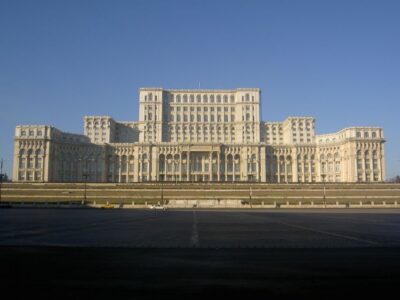
Transylvania and Dracula Castle Full Day Tour from Bucharest
Read our review →
Peles Castle, Bran Castle, & Brasov Old Town Tour
Read our review →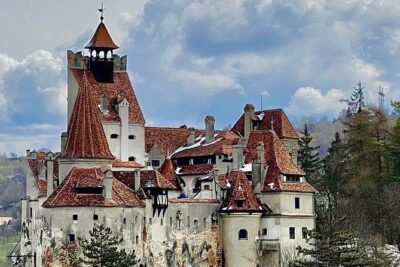
Small-group tour Bran, Rasnov, and Peles Castles
Read our review →