Reviewed · COMMUNIST-ERA TOURS
Bucharest: Communism and History Guided City Walking Tour
Communism in Bucharest feels personal fast. This 3-hour walking tour connects major sites like the Palace of the Parliament and Revolution Square with how the regime shaped daily life, from religion to housing to fear of the Secret Police. I especially like the mix of big monuments and small lived details, plus the way guides keep the story clear and human.
Two things I like a lot: the photo-only outside view of the House of People area, which still gives you solid context for Ceaușescu’s building obsession, and the stop-by-stop pacing with breaks, including a communist-style snack. One drawback to consider, though, is that this is a heavy topic and a real walk with hills, so comfortable shoes matter, and it is not a fit if you have back issues.
In This Review
- Key Highlights Worth Your Time
- Why This Communist Walk Starts at Patriarchal Cathedral
- From Cathedral to Nationalisation, Watching the Regime Change Neighborhoods
- Outside the Palace of Parliament, Ceaușescu’s Monument to Megalomania
- Antim Monastery and the City’s Survival Story
- A Real Break With an Alimentara Stop and Communist-Style Snack
- Calea Victoriei and the Fear Trail Linked to the Secret Police
- Caru’ cu bere and Other City Anchors Along the Way
- Revolution Square, 1989, and the Shift Toward Democracy
- How the 3-Hour Pace Feels on the Ground
- Price and Value at About $31
- Who Should Book This Tour (and Who Should Skip It)
- Should You Book This Communist and History Walking Tour?
- FAQ
- Where does the tour start?
- What is the closest metro station to the meeting point?
- How long is the tour?
- Will I be able to enter the House of People (Parliament)?
- What language are the tours offered in?
- Does the tour include a break?
- Is food included?
- What will I see related to the Secret Police?
- Is the tour canceled for bad weather?
- Is this tour suitable for everyone?
Key Highlights Worth Your Time
- Palace of Parliament, outside only, with the story behind why it became a communist megaproject
- Secret Police influence, including what used to be a torture center tied to Calea Victoriei
- Nationalisation visible on the streets, plus neighborhood changes you can actually see
- Buildings moved to survive, with Antim Monastery as a key example
- Everyday hardship moments, including an Alimentara stop and a communist-type snack
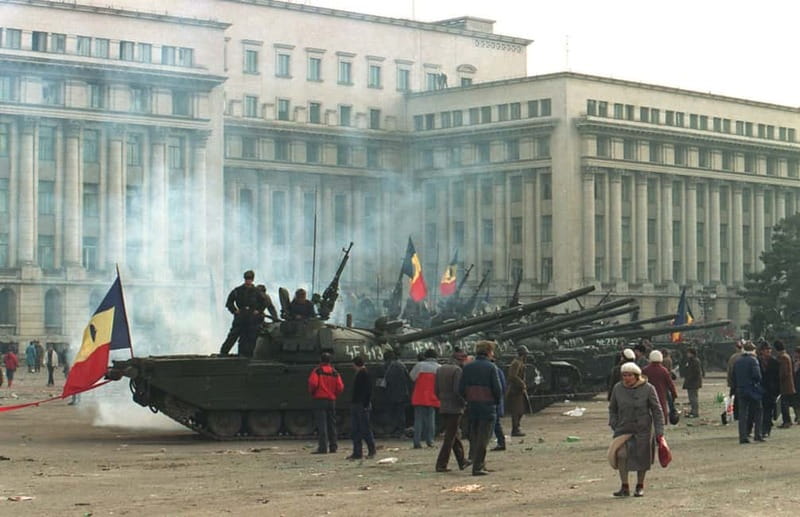
- Revolution Square ending, focused on how 1989 shifted Bucharest toward democracy
More City Sightseeing in Bucharest
- Bucharest: City Highlights Guided Walking Tour★ 4.9 · 1,482 reviews
- Bucharest: 2-Hour City Highlights Bike Tour★ 4.8 · 269 reviews
- Bucharest Tuk Tuk city tour★ 5.0 · 188 reviews
- Bucharest Tuk Tuk City Tour★ 4.9 · 167 reviews
Why This Communist Walk Starts at Patriarchal Cathedral
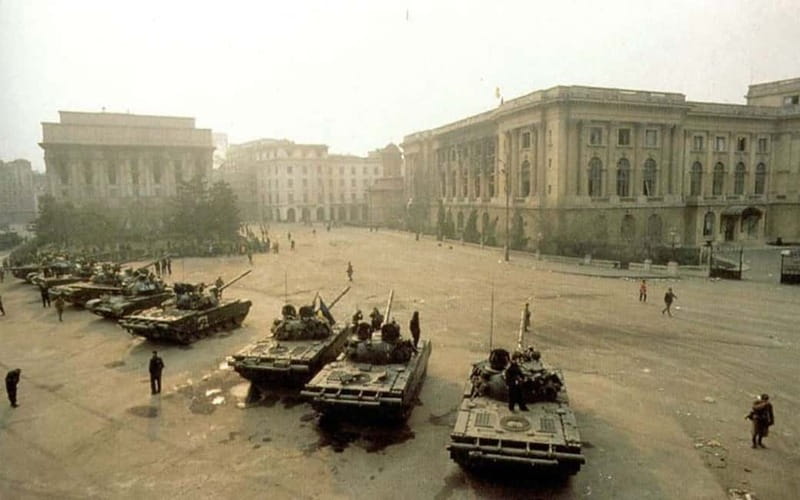
The tour begins at the Patriarchal Cathedral, and that choice tells you what this experience is really about. You start with religion during communism and also with the historical events that helped set the stage for the communist regime in Romania.
From there, the story keeps moving into the everyday. You are not just staring at statues. You are learning how power tried to reshape belief, public life, and the rhythm of the city.
From Cathedral to Nationalisation, Watching the Regime Change Neighborhoods
After that first stop, you move through a nearby neighborhood where you can see results of nationalisation. This is where the tour shifts from abstract ideology to concrete city change.
You will also make a secret stop along the way, around 20 minutes. The schedule is intentionally vague on the location, but the theme is not. Expect another anchor point in the communist timeline and how authorities tightened control.
This is one reason the tour works: you get a chain of events that is easy to follow. The guides are often praised for explaining cause and effect, and that matters when you are covering dictatorship, confiscation, and social pressure in a single half-day.
Outside the Palace of Parliament, Ceaușescu’s Monument to Megalomania
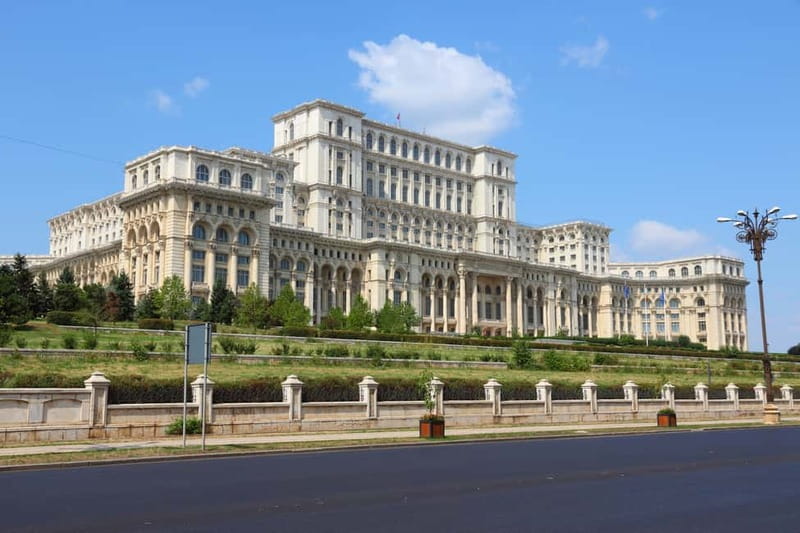
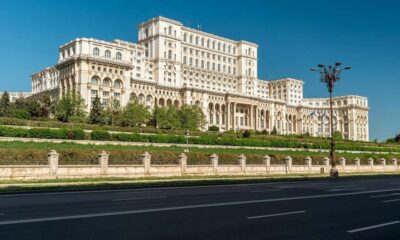
Then you reach the part most people came for, the famous House of People, now used as the Parliament building. You will see it from the outside, with a photo stop and a guided explanation focused on construction and the megalomania of Nicolae Ceaușescu.
Even without going inside, the outside view hits. The scale alone makes the point. But the guide also gives you the why behind the what, so you understand the symbolism instead of just taking pictures.
If you want museums and indoor exhibits, plan for something else on top. This tour is about context you carry into the streets, and the Parliament area is the big visual reference point.
More Guided Walks in Bucharest

Antim Monastery and the City’s Survival Story
Next comes Antim Monastery, another moment where the tour balances the political with the practical. You will pass and have guided time, around 20 minutes, and the key detail is that some buildings were moved to be saved from destruction.
That idea is more than a trivia fact. It gives you a clearer picture of how communist-era planning worked: not only building what the regime wanted, but also erasing what it did not.
Antim Monastery is also a nice reset. Between political heaviness and stories about coercion, a real architectural landmark helps your brain catch up. You can appreciate what was preserved, and what had to be fought for.
A Real Break With an Alimentara Stop and Communist-Style Snack
Halfway through, you get a short break at a local café. The schedule lists about 15 minutes, and you can take care of what you need, since food and drinks during that stop are on you.
Before or during that break theme-wise, you get a stop at an old Alimentara, a grocery store, where the guide talks about well-being and everyday life. This is where rationing and daily strain become more than a headline.
The tour also includes a communist-type snack. One recent account described it as a rum flavored biscuit, which is exactly the kind of odd, human detail that makes history stick. I would not treat the snack as the main reason to book, but it is a fun bonus that supports the point of the tour: the regime changed what people ate, where they queued, and how they planned a normal day.
Calea Victoriei and the Fear Trail Linked to the Secret Police
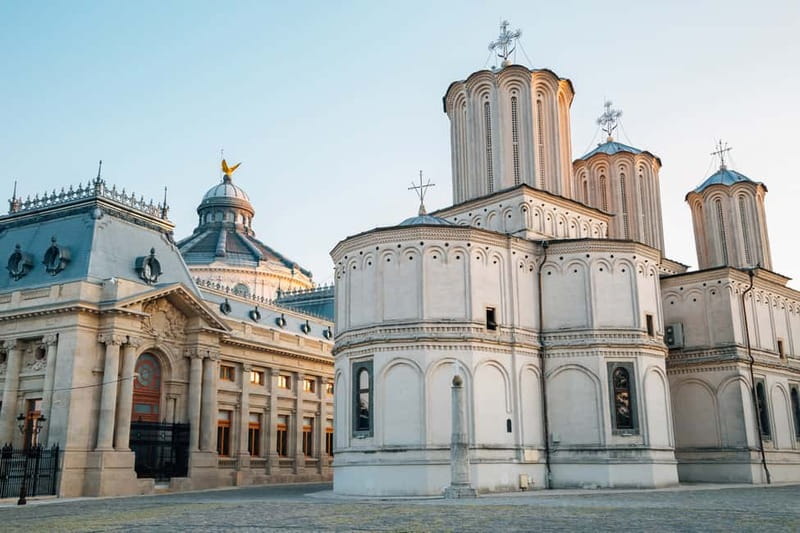
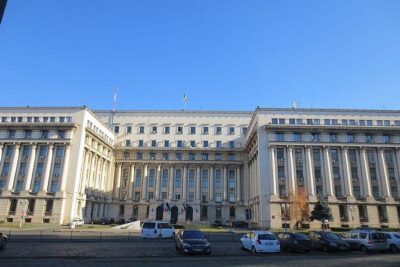
The last third of the walking loop leans hard into the fear side of the communist system. You move at a normal pace along Calea Victoriei Boulevard, one of Bucharest’s more beautiful stretches, and you also see communist symbols in the area.
This section is especially important if you want a fuller picture of how control worked. The tour specifically includes a look at what used to be a center tied to the Secret Police and torture.
That topic can feel uncomfortable, and it should. The point is not to shock you, it is to connect the monuments with what happened behind the scenes. And guides have been praised for staying clear and answering questions, which helps keep the story grounded instead of getting lost in horror for horror’s sake.
Caru’ cu bere and Other City Anchors Along the Way
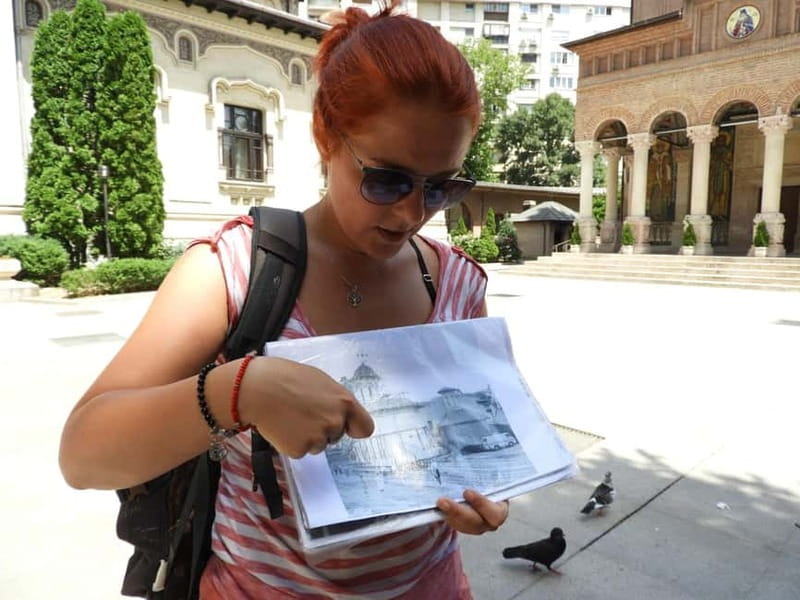
As you continue, you pass through and spend guided time at Caru’ cu bere, with about 10 minutes listed. Even if you are not shopping for dinner there, the stop gives you a sense of how Bucharest’s famous places sit alongside the communist narrative.
You will also have additional secret stops and a less-known themed stop later on, plus short on-foot segments. Because these are not fully named on the schedule, you should treat them as part of the guide’s story map, not as standalone attractions.
In practice, this is one of the tour’s strengths. It does not just repeat the obvious highlights. It threads through streets so the political timeline feels attached to real corners, real buildings, and real transitions.
Revolution Square, 1989, and the Shift Toward Democracy
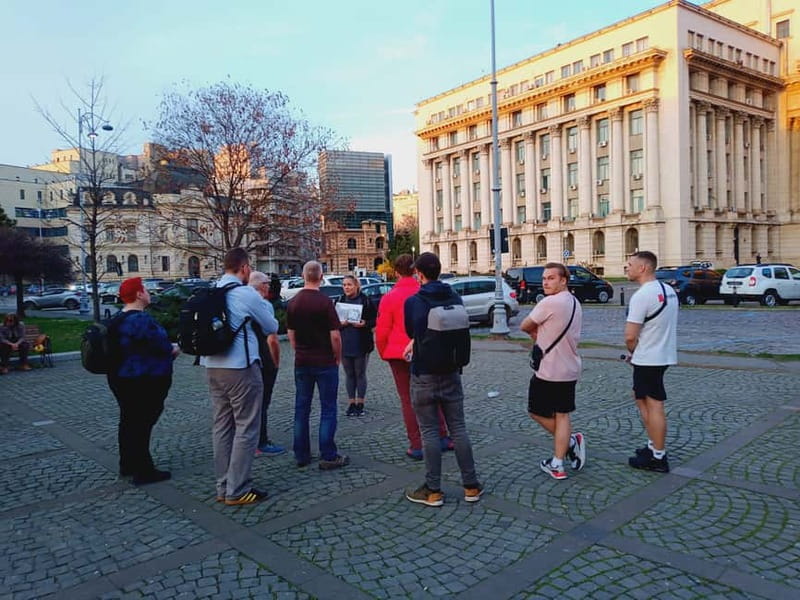
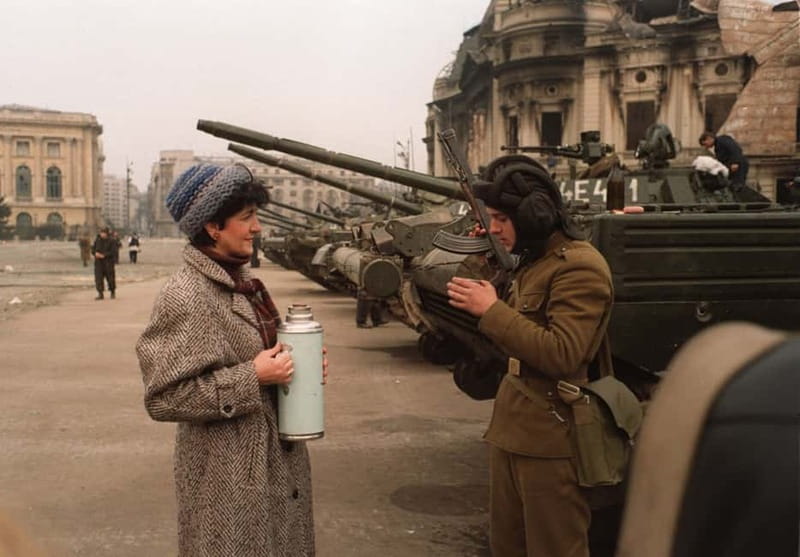
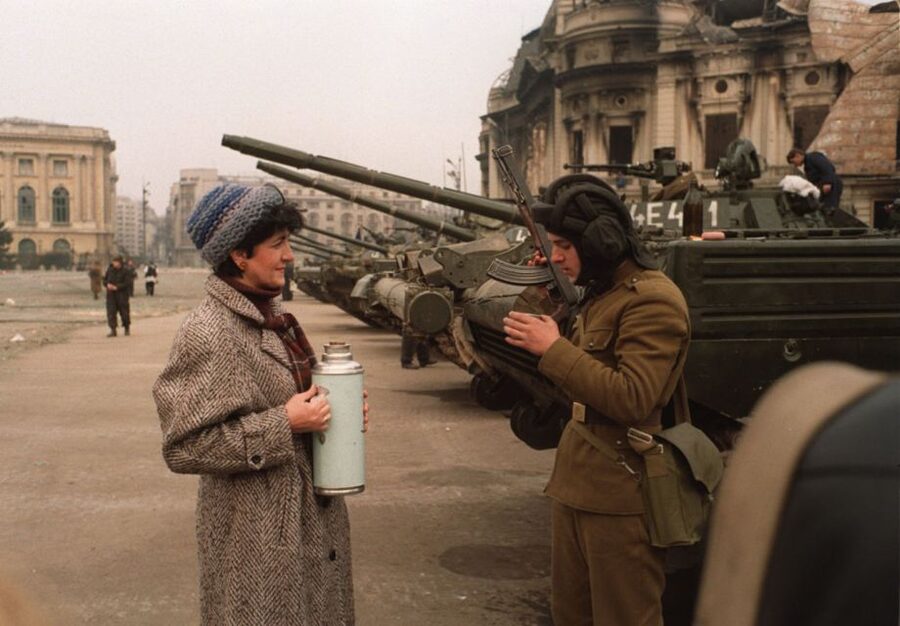
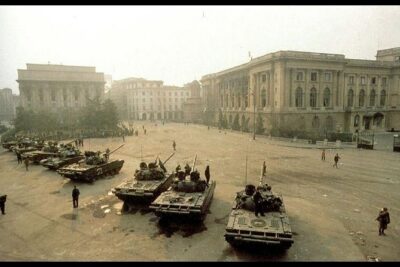
You finish at Revolution Square, with guided storytelling that focuses on the end of the communist regime in 1989 and the beginning of democracy in Romania. This ending matters because it stops the tour from feeling like a single bleak chapter.
Instead, you get a clear arc. The earlier stops show how the regime reshaped city life through nationalisation, controlled institutions, censorship-like pressure, and Secret Police power. The finale then answers the big question: how did this era end, and what came after in the political sense.
If you are visiting Bucharest for the first time, this is also a smart way to get bearings. By the time you leave, you understand why certain buildings feel heavy, why some neighborhoods look the way they do, and why 1989 is still discussed like it happened yesterday.
How the 3-Hour Pace Feels on the Ground
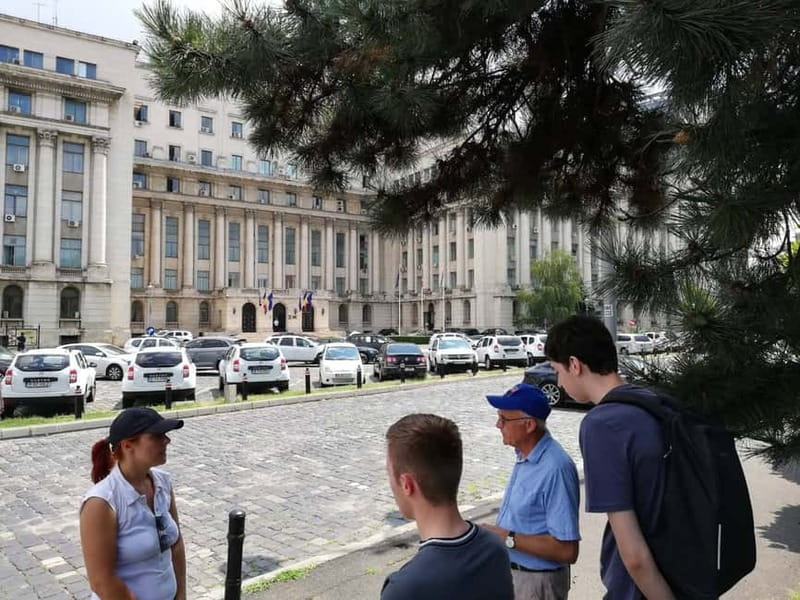
This is a 3-hour walking tour. That length is long enough to connect major sights and still short enough that you are not exhausted by the time you hit Revolution Square.
The route includes several short segments, multiple thematic stops, and one café break. That structure seems to work well for most people, and it also helps you process difficult history without constant standing.
The practical downside is obvious: you will be walking, including a hill. The meeting point is in front of the Patriarchal Cathedral, and the closest metro station is Piata Unirii. Getting there means climbing the hill that leads up to the cathedral.
So I would not treat this as a casual stroll. It is history on your feet.
Price and Value at About $31
At $31 per person for a 3-hour guided walk, the value comes from two places. First, you are not just seeing Bucharest, you are getting a structured timeline across about 15 objectives, each tied to a specific moment in the communist era.
Second, the guide quality is a major part of what people rave about in their feedback. Guides like Andreea, Daniela, Mihai, Octavian, and others are repeatedly praised for storytelling, clear English, and answering questions. Some guides also use visual aids, which helps when the subject matter covers decades and complex mechanisms of power.
Is it a bargain if you only want photos? Not really. But if you want meaning, context, and street-level understanding, $31 for a guided timeline plus a break and included snack is solid value.
Who Should Book This Tour (and Who Should Skip It)
This tour fits best if you:
- Want a direct, street-level view of communist Bucharest, not just monuments
- Like history explained in plain language, with time for questions
- Prefer an efficient half-day plan that ends with a strong historical payoff in 1989
Skip it if:
- You have back problems or mobility limitations, since the tour is a walk and is marked not suitable for wheelchair users
- You do not want heavy content related to the Secret Police and torture
If you are unsure, consider doing this early in your trip. It gives you a framework for interpreting what you see later, including how modern Bucharest carries traces of that era.
Should You Book This Communist and History Walking Tour?
I think you should book if you want a clear picture of how communism affected Romania beyond slogans. The outside view of the Palace of Parliament, the Antim Monastery preservation story, the stop at an old Alimentara, and the Secret Police themed section on Calea Victoriei work together into one coherent timeline.
If you hate long walks or you are sensitive to dark history, then maybe choose a lighter Bucharest day. But if you are coming to understand Bucharest as it really is, this 3-hour route is one of the most focused ways to do it.
FAQ
Where does the tour start?
The meeting point is in front of the Patriarchal Cathedral.
What is the closest metro station to the meeting point?
The closest metro station is Piata Unirii (Union Square). You will need to climb the hill from there to reach the cathedral.
How long is the tour?
The tour duration is 3 hours.
Will I be able to enter the House of People (Parliament)?
No. The House of People is viewed from the outside only.
What language are the tours offered in?
The tour is guided in English.
Does the tour include a break?
Yes. There is a local café break time of about 15 minutes.
Is food included?
A communist-type snack is included. What you choose to consume during the café break is not included.
What will I see related to the Secret Police?
The tour includes a look at the influence of the Secret Police and mentions a center used for torture in the Calea Victoriei area.
Is the tour canceled for bad weather?
It runs rain or shine, but it may be canceled if weather conditions make it impossible or risky, with a full refund or reschedule offered.
Is this tour suitable for everyone?
It is not suitable for people with back problems and it is marked as not suitable for wheelchair users. Comfortable shoes are recommended.
Communist-Era Bucharest, Continued
- The Real tour of Communism
★ 5.0 · 666 reviews - Life under Communism
★ 5.0 · 358 reviews - 3-Hour Guided Tour of Communist Bucharest
★ 4.9 · 303 reviews - Bucharest: Parliament, Ceausescu House & Village Museum Tour
★ 5.0 · 208 reviews
More History Tours in Bucharest
- Bucharest: 3-Hour Dark History Tour with a Local
★ 4.9 · 301 reviews - Bucharest: Small Group History, Art & Secrets Tour
★ 4.7 · 152 reviews - Guided Walking Tour of Historical Bucharest
★ 5.0 · 84 reviews - Roma Culture, Realities and Slavery History, Walking tour
★ 4.9 · 52 reviews
Newest Bucharest write-ups
- Half Day Tour in Bucharest
★ 5.0 · 1 review - Private transfer to BRASOV
★ 5.0 · 1 review - Bucharest: Capture the most Photogenic Spots with a Local
★ 5.0 · 1 review - Bucharest Private Custom Walking Tour with Guide (Private Tour)
★ 5.0 · 1 review - Transfer Bucharest to Constanta / Mamaia
★ 5.0 · 1 review - Uncover Transylvania: Private 2-Day Tour Bears & Medieval Wonders
★ 5.0 · 1 review - 7-Days Grand Romania tour from Bucharest
★ 5.0 · 1 review
Communist-Era Tours, compared.
Parliament, Ceausescu House & Village Museum Tour
Read our review →
Bucharest Essential Tour: Old Town, Calea Victoriei & Communism
Read our review →
Communism in Bucharest – Landmarks, Museum & Communist Appetizers
Read our review →
Palace of Parliament, Ceausescu House & Village Museum
Read our review →