
Reviewed · COMMUNIST-ERA TOURS
The Real tour of Communism
Bucharest’s communist story feels personal fast. This 3-hour walk ties big monuments to real daily life, from party power to the 1989 revolution. I especially like how the route blends major landmarks like the Palace of the Parliament and Revolution Square with smaller, human-scale stops. I also like that you get real context plus a mid-tour breather, so it does not turn into one long history lecture.
One thing to plan for: the tour is an outdoor walking experience, so if it is cold or rainy, you will feel it unless you dress right.
In This Review
- Key things to know before you go
- A 3-hour Bucharest walk built around power, architecture, and daily life
- Catedrala Patriarhala, where communist-era politics met religious space
- Palace of the Parliament, Romania’s massive statement project
- Mihai Voda Monastery, churches that were moved instead of erased
- Old Town restaurant favorites of the communist leadership
- Piata Revolukiei, the 1989 revolution and the fall of Ceaușescu
- The snack and the mid-tour break that keep the mood human
- Guides who turn dates into stories, including first-hand memories
- Timing and pacing, what the 15-minute stops actually feel like
- What to bring for a communist-history walk in Romania
- Who should book this tour, and who might want another option
- Should you book The Real tour of Communism in Bucharest?
- FAQ
- How long is the tour?
- Is the tour in English?
- Where does the tour start and end?
- Is the group size limited?
- Are admission tickets included for the stops?
- Is the tour really outdoors?
- Can I get a full refund if my plans change?
Key things to know before you go
- Small group size (max 15) keeps the pace lively and questions easy to ask.
- English-language tour with guides who use personal vignettes, not just dates.
- A snack with communist-era roots, plus time to warm up mid-tour on colder days.
- Five focused stops that connect government power to everyday life and the 1989 turning point.
- Palace of the Parliament admission is not included, so budget extra if you want to go in.
More of communist-era Bucharest:
- Bucharest: Communism and History Guided City Walking Tour★ 4.9 · 918 reviews
- Life under Communism★ 5.0 · 358 reviews
- 3-Hour Guided Tour of Communist Bucharest★ 4.9 · 303 reviews
- Bucharest: Parliament, Ceausescu House & Village Museum Tour★ 5.0 · 208 reviews
A 3-hour Bucharest walk built around power, architecture, and daily life
For a low price point, this is one of the most efficient ways to understand Bucharest under communism. You cover enough ground to see how the regime shaped the city, yet the tour stays short enough that you are not wiped out by the end.
The tour runs about 3 hours and is offered in English, with a maximum of 15 people. You also get a mobile ticket, which is convenient if you like to travel light. Another practical win: it runs in all weather conditions, so the guide keeps moving and expects everyone to dress for it.
You start at the Patriarchal Cathedral area and end at Revolution Square. That matters, because it gives you a clean storyline arc. You move from old structures tied to communist-era authority, into the regime’s grand building project, then toward the spaces where the leadership’s tastes show up, and finally into the place where the uprising changed everything.
It is a walking tour, so come with a moderate fitness level and comfortable shoes. Bucharest sidewalks are fine, but it is still a solid urban walk. Also, the meeting point is described as being at/near the Cathedral on Aleea Dealul Mitropoliei 25, so give yourself a little time to orient first.
Catedrala Patriarhala, where communist-era politics met religious space
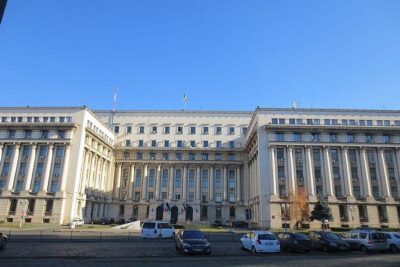
Your first stop is the Catedrala Patriarhala area. This is not just a pretty church stop. The key story here is that the Patriarchal Palace used to be the former headquarters of the Great National Assembly during communism.
That detail helps you read the city differently. Instead of treating churches and chapels as separate from politics, this stop frames religion and power as part of the same landscape. It is also a quick stop, about 15 minutes, and the admission here is free.
What I like about starting this way: it sets up the theme of the whole tour. The communist era was not only about factories and slogans. It was also about who got to use which buildings, and how authority was staged into everyday life.
Palace of the Parliament, Romania’s massive statement project
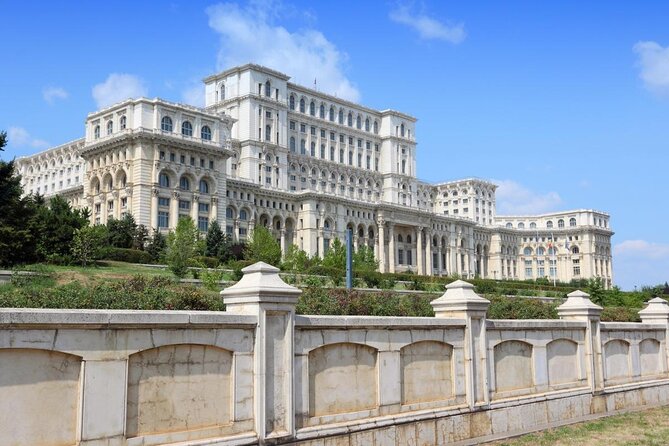
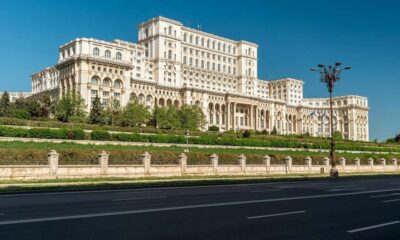
Next up is the Palace of the Parliament. This is the headline moment, and the tour gives you the big picture fast: you get the story of the second largest building in the world.
Even if you are not a big architecture person, you will still walk away with a sense of what the regime was trying to do. Huge building projects often say more than they mean to. They can be read as pride, control, and propaganda all at once.
Practical note: the stop is about 15 minutes, and admission tickets are not included. So if you want to go inside, plan for that extra cost and time.
One more reason this stop hits: guides often connect it to how communist leadership shaped not just politics, but the physical city. That connection tends to make the building feel less abstract and more like a tool of power.
Other Bucharest days worth the drive
Mihai Voda Monastery, churches that were moved instead of erased
At Mihai Voda Monastery, the tour shifts from scale and authority to survival and compromise. The story here is genuinely unusual: some churches from the 16th and 17th centuries were moved (translated) rather than demolished.
In other words, the regime could be destructive, but it was also selective in what it preserved and how. This stop helps you see communism as more complicated than a single story of loss. It is also a reminder that cities are layered, and decisions about heritage often get made behind the scenes.
This stop is also about 15 minutes and free. If you have ever visited Bucharest and wondered why some historical bits survive while other areas look remade, this is one of the pieces that explains the puzzle.
Old Town restaurant favorites of the communist leadership
Then you head into the Old Town for the less-expected angle: the favorite restaurants of the communist leadership.
This is where the tour becomes more than monuments. It starts answering the question you should ask on any history walk: where did power actually go to eat, meet, and relax? The tour has a narrative angle about the story behind these favorites, which makes the neighborhood feel tied to real behavior, not just background scenery.
The stop is about 15 minutes and free. It is also a good palate cleanser before the final dramatic chapter.
If you like your history slightly human, this is one of the most fun parts. It also makes you look at the street level of Bucharest with different eyes. The city is not only a museum. It is where people lived, even under tight systems.
Piata Revolukiei, the 1989 revolution and the fall of Ceaușescu
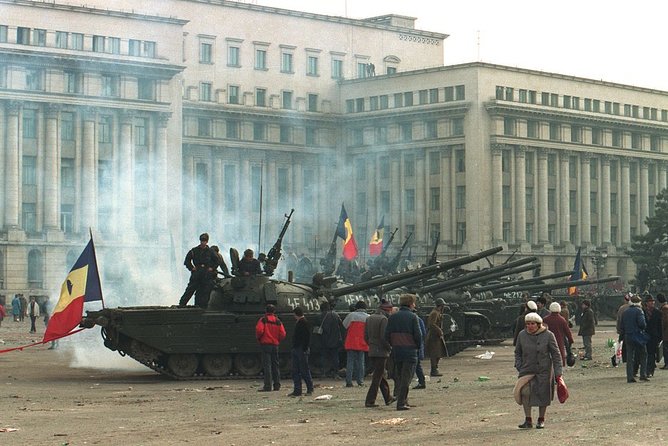
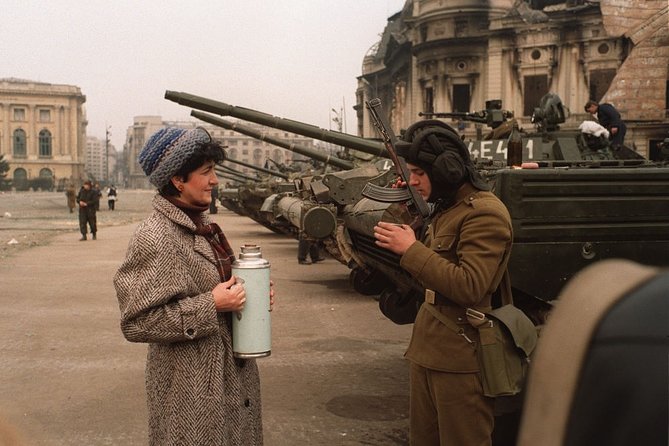
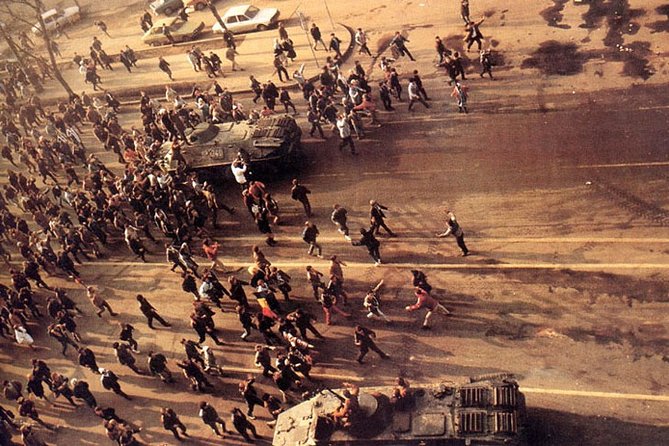
Your final stop is Piaka Revolukiei, known as Revolution Square. This is the tour’s payoff.
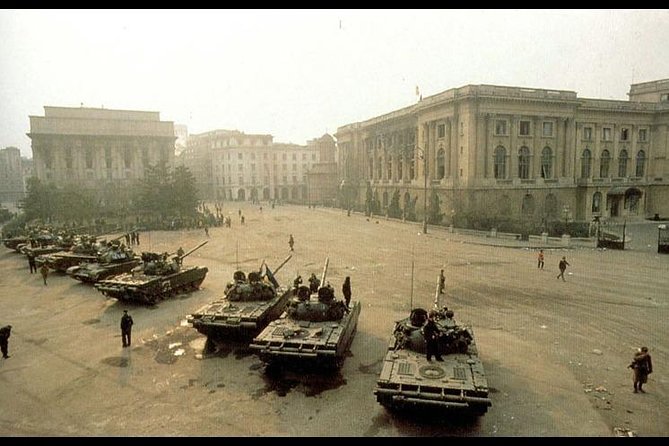
Here you learn why the 1989 revolution against the Romanian communist party is often described as the only bloody one in the former Iron Curtain. The tour also focuses on the last days of Nicolae Ceaușescu in power, and then the first days of freedom after 40+ years of communism.
This is where context matters. After seeing the Palace of the Parliament, hearing stories about party life, and watching how authority shaped Bucharest’s structure, Revolution Square hits with weight. The tour helps connect the dots between everyday constraints and the sudden break that followed.
It is also a free stop and lasts about 15 minutes. You may find this feels short, but in practice it works well as a final anchor. By the time you get here, you have enough storyline to absorb the significance.
The snack and the mid-tour break that keep the mood human
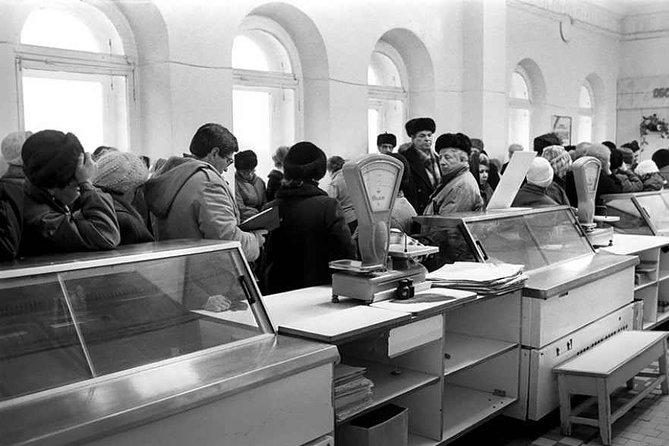
Included in the tour is a snack described as surviving to present days since communist times. That is a small detail, but it is the kind of detail that makes history taste real.
On top of that, several guides seem to build in a warm-up moment halfway through, especially in colder months. One review mentioned stopping at a coffee shop for warmth and re-energizing, along with a restroom break. While you should not bank on the exact café stop every time, it is a smart sign that the tour is designed to keep people comfortable enough to stay engaged.
This kind of planning matters more on a history walk than most people think. If everyone is freezing or wet, you lose the ability to pay attention. The fact that the tour keeps moving and still makes room for comfort is a genuine value point.
Guides who turn dates into stories, including first-hand memories
This tour’s success really comes down to the guide. The strong reviews point again and again to guides who explain the communist era with context and balance, not just facts.
You might get guides such as Octavian or Oktavian, Daniela, Andrea/Andreaa, John Sever, or Mihai. Even with different personalities, the common thread is clear: they link the political story to lived experience. One review mentioned personal memories from tougher years like rationing, and that kind of first-hand detail makes the era feel less like a chapter heading and more like real human life.
I also like how many guides encourage questions. That matters because communism can be emotionally loaded, and a good guide will handle it with care, then connect it to how Romania changed afterward.
Another thing that stands out: the best guides do not treat communism as one uniform system. They tend to explain differences in how the Ceaușescu era worked compared with other Eastern European experiences, so you do not walk away with a one-size-fits-all story.
And yes, you will still hear dates and major events, including the 1989 uprising theme. But the delivery style aims for clarity, with enough details to satisfy history lovers without drowning everyone else.
Timing and pacing, what the 15-minute stops actually feel like
The structure is simple: five stops, about 15 minutes each, plus walking time between them. That is a smart format for a 3-hour tour because it prevents the classic problem of long museum pacing.
You will get a quick, guided introduction at each location. Some of the stops are free, like Catedrala Patriarhala, Mihai Voda Monastery, Old Town, and Revolution Square. The Palace of the Parliament is the one with admission not included, so it is the only stop where you might want to budget extra if you plan to enter.
If you enjoy asking questions, the small-group size (up to 15) is what makes the pacing feel fair. You are not stuck waiting behind a crowd while the guide repeats themselves at the same volume.
What to bring for a communist-history walk in Romania
Since the tour runs in all weather, your kit matters. I would pack with the attitude of a street-level walking tour, not a museum visit.
Bring:
- Comfortable shoes for city walking
- A jacket that handles rain or cold, because you are outside
- A small umbrella if the forecast looks iffy
- A layer system, because winter can swing from biting cold to damp chill
Also, if you need a plan for food and drink: the tour does not include food and drinks beyond the included snack. So treat lunch or dinner separately, and use the tour’s breather time as a bonus, not your full meal plan.
Who should book this tour, and who might want another option
This tour is a great fit if you:
- Want a high-value overview of communist Bucharest in a short time
- Like architecture and city planning stories, not only battlefield history
- Enjoy guides who bring in personal memories, like rationing, to add texture
- Prefer small groups and active Q&A over passive listening
It is less ideal if you:
- Want a fully indoor experience, because this is still a walking tour
- Need long museum-style time inside the Palace of the Parliament, since the stop is about 15 minutes and tickets are not included
Overall, it suits first-time visitors who want to understand Bucharest beyond the surface. It also works well if you plan to visit other former communist countries afterward, because you will have a clear framework for what to look for in other cities.
Should you book The Real tour of Communism in Bucharest?
If you want a short walk that makes communist Bucharest feel real, I think you should book it. For $32.65 per person and around 3 hours, the price buys you more than landmarks. You get a guided storyline that connects power, daily life, and the 1989 revolution, plus a snack that ties the past to the present.
The biggest reason to choose it is the combination of small group size, strong storytelling from guides like Octavian and Daniela, and the fact that the stops are varied. You are not just staring at one building. You are moving through a sequence that builds meaning.
My only hesitation is the weather. If you hate walking outside, pick your clothes carefully. This tour assumes you will show up prepared.
If you are ready for a clear, human-scale history walk, this is a solid booking.
FAQ
How long is the tour?
It lasts about 3 hours.
Is the tour in English?
Yes, the tour is offered in English.
Where does the tour start and end?
It starts at Catedrala Patriarhala, Aleea Dealul Mitropoliei 25, Bucharest, and ends at Revolution Square (Piata Revolukiei), Piața Revoluției, Bucharest.
Is the group size limited?
Yes. The tour has a maximum of 15 travelers.
Are admission tickets included for the stops?
Admission is free for several stops, but the Palace of the Parliament admission is not included.
Is the tour really outdoors?
Yes, it is a walking tour and it operates in all weather conditions, so dress accordingly.
Can I get a full refund if my plans change?
Yes. You can cancel up to 24 hours in advance for a full refund. If you cancel less than 24 hours before the start time, the amount paid is not refunded.
Newest Bucharest write-ups
- Half Day Tour in Bucharest
★ 5.0 · 1 review - Private transfer to BRASOV
★ 5.0 · 1 review - Bucharest: Capture the most Photogenic Spots with a Local
★ 5.0 · 1 review - Bucharest Private Custom Walking Tour with Guide (Private Tour)
★ 5.0 · 1 review - Transfer Bucharest to Constanta / Mamaia
★ 5.0 · 1 review - Uncover Transylvania: Private 2-Day Tour Bears & Medieval Wonders
★ 5.0 · 1 review - Private Day Trip to Peles Palace, Dracula’s Castle and Brasov
★ 5.0 · 1 review
Communist-Era Tours, compared.

Parliament, Ceausescu House & Village Museum Tour
Read our review →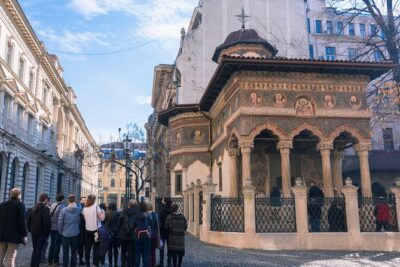
Bucharest Essential Tour: Old Town, Calea Victoriei & Communism
Read our review →
Communism in Bucharest – Landmarks, Museum & Communist Appetizers
Read our review →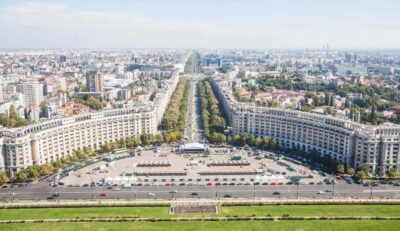
Palace of Parliament, Ceausescu House & Village Museum
Read our review →
Browse the lists this tour appears in