
Reviewed · HISTORICAL TOURS
Roma Culture, Realities and Slavery History, Walking tour
Bucharest tells its Roma story in real places. This 3-hour walk takes you from the area tied to a former slave market to major city landmarks, while your guide separates myths and facts from the stereotypes you may have heard. I especially liked the way the tour is anchored at a former slave market site, and how guides like Andreea and Daniela keep their tone empathetic yet clear. One thing to consider: this experience focuses on history and place, and it may not feature enough direct, on-the-ground interaction with Roma community members themselves.
You meet at Teatrul „Ion Creangă” (Sala Mare), in the small square right by the theater, about a 3 minute walk from Piata Romana metro. The tour is in English and stays mostly outdoors, then ends at Mesteshukar ButiQ where you can add an optional jewelry workshop. Food and drinks are not included, but there is a 15 minute local café break to regroup.
In This Review
- Key highlights to look for
- Starting at Teatrul Ion Creangă and walking out of Piata Romana
- The former slave market stop and why it changes how you see everything else
- Romanian Athenaeum, art, and national pride with a critical lens
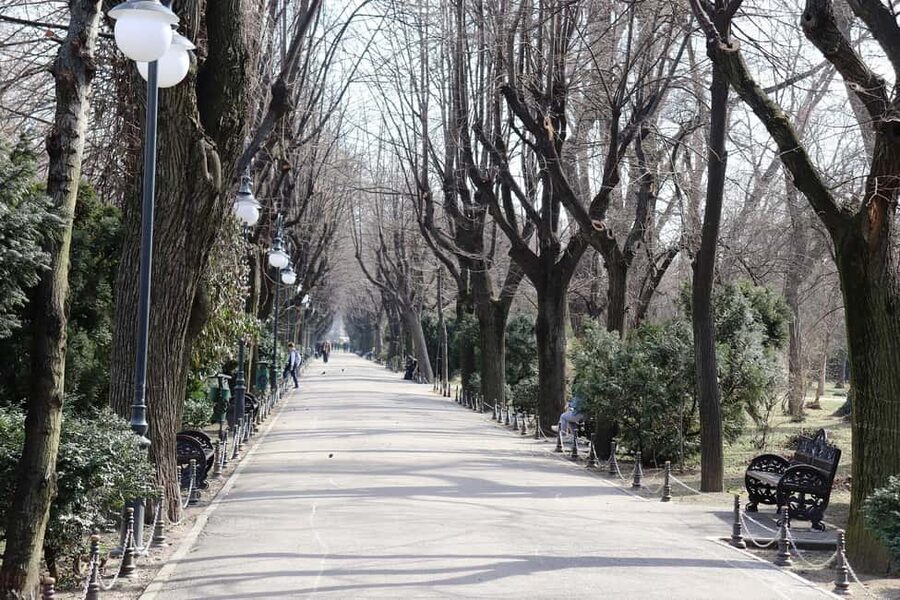
- Cișmigiu Park: a calmer walk that still carries the lesson
- Holocaust memorial in Romania: remembering Roma victims in the heart of the city
- Piața Kogălniceanu and Revolution Square: seeing communist-era traces in street life
- Mesteshukar ButiQ and the optional Roma jewelry workshop
- How the guides keep the tone respectful and practical
- What the 3-hour timing feels like on the ground
- Price and value: why $30 can make sense here
- Who this tour is best for
- Should you book Roma Culture, Realities and Slavery History?
- FAQ
- Where do I meet for the tour?
- How long is the tour?
- What is the price?
- Is the tour in English?
- Does the tour include food?
- Is there a break during the walk?
- What are some of the key stops?
- Is there an optional activity?
- Where does the tour finish?
- Can I cancel if my plans change?
Key highlights to look for
- Former slave market site: a haunting beginning that gives context fast, before you move on to bigger landmarks
- Roma myths vs truths: guides actively correct stereotypes as you walk, not in an abstract lecture
- Cișmigiu Park time: a slower, greener segment that helps the stories land without feeling nonstop
- Holocaust memorial stop: a focused moment for Roma victims of persecution in Romania
- Communist-era traces across the city: your guide connects streets and buildings to policy and daily life
- Optional Roma jewelry workshop at Mesteshukar ButiQ: a hands-on craft finish if you want something creative
More Guided Walks in Bucharest
- Bucharest: City Highlights Guided Walking Tour★ 4.9 · 1,482 reviews
- Bucharest: Communism and History Guided City Walking Tour★ 4.9 · 918 reviews
- Bucharest Highlights Walking Tour★ 5.0 · 469 reviews
- Bucharest: Hidden Markets Walking Tour with Tastings★ 4.9 · 329 reviews
Starting at Teatrul Ion Creangă and walking out of Piata Romana
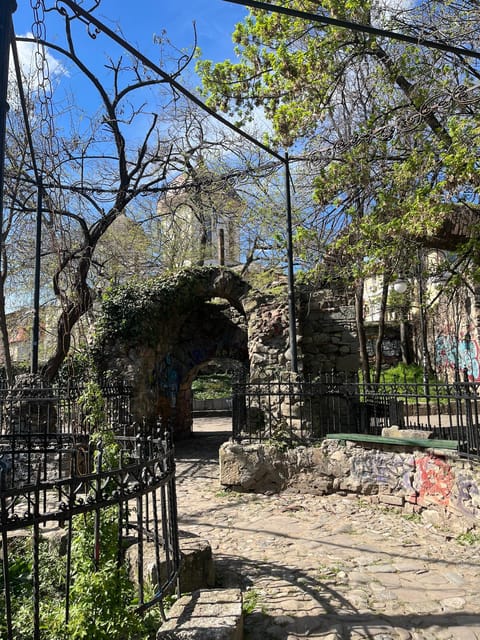
The tour begins at Teatrul „Ion Creangă” (Sala Mare), in the small square in front of the theater. If you are coming from Piata Romana metro, it really is just a short walk, which makes this easy to plug into a day in Bucharest. I like that this start point gives you a clear sense of where you are, so the tour does not feel like it starts in the middle of nowhere.
From the first minutes, you are moving with purpose. There is a short initial stop right near the theater area, then the route swings toward the Romanian Athenaeum and the landmarks tied to the story your guide is telling. For many people, that quick ramp up matters, because the subject is emotional and you need a little framing early.
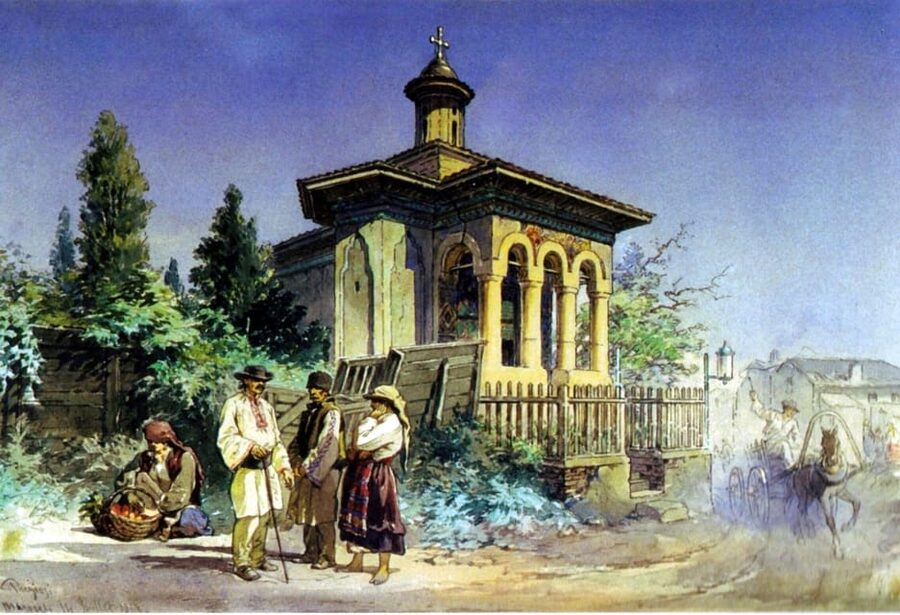
The former slave market stop and why it changes how you see everything else
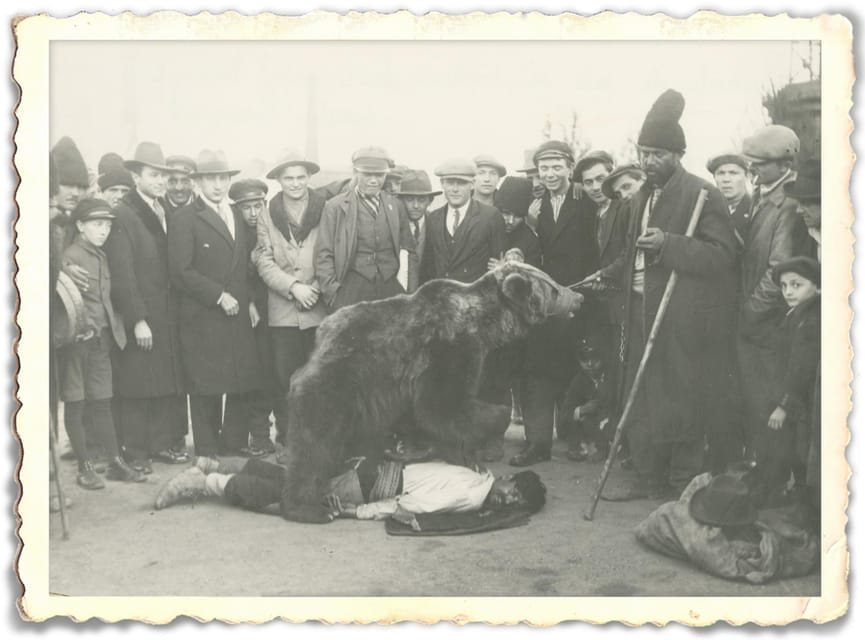
One of the most powerful elements is going to the site connected to an old slave market. This is not sightseeing for sightseeing’s sake. Your guide uses the location to explain how slavery shaped Roma identity and how long those effects lingered.
Even if you already know the broad term slavery, this stop hits differently because it is tied to a specific place in Bucharest. You end up thinking about how institutions, laws, and local economies can create harm that outlasts the era that produced it. It also sets a respectful tone for the rest of the walk, including the way your guide later talks about myths and misconceptions.
Romanian Athenaeum, art, and national pride with a critical lens
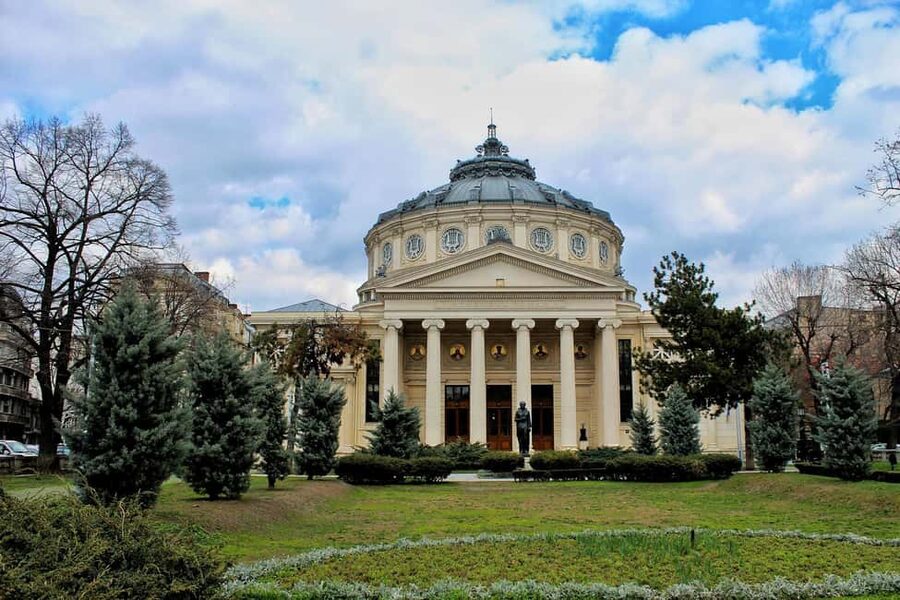
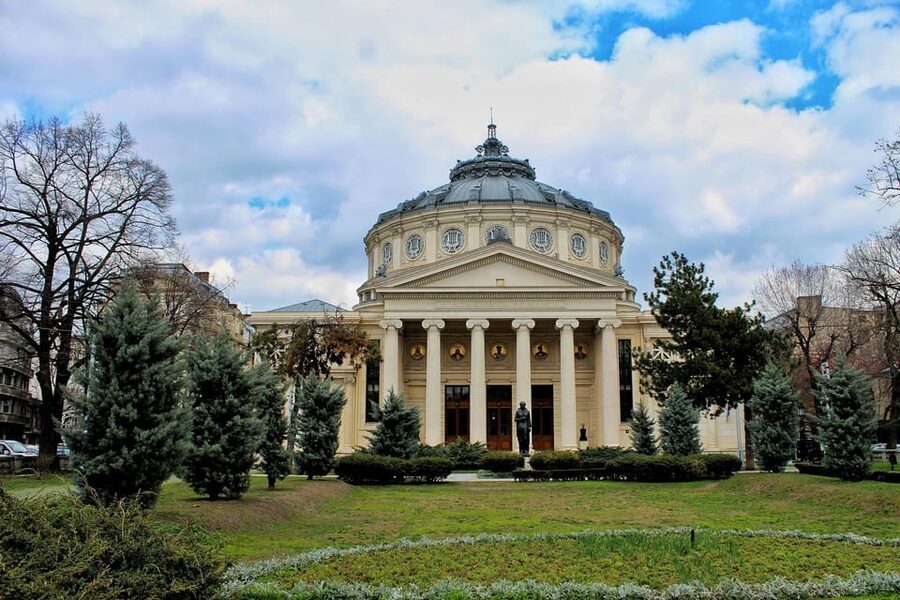
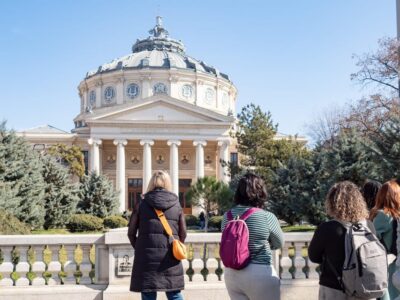
Next you pass the Romanian Athenaeum, one of Bucharest’s most recognizable buildings. It is a classic symbol of Romanian pride and cultural heritage, so it is a smart choice on this route. Your guide uses it to talk about how the arts influenced perceptions of the Roma community over time.
What I like here is the balancing act. You are not just looking at beautiful architecture. You are learning how culture can both reflect stereotypes and help dismantle them. It also helps you understand why public images and public art matter, because they shape what people think is normal.
The tour then continues with another brief stop before heading into the park segment. Those short pauses can feel small on paper, but they matter in practice. They give your guide space to connect the next neighborhood look to the next piece of history, without losing your attention.
More History Tours in Bucharest

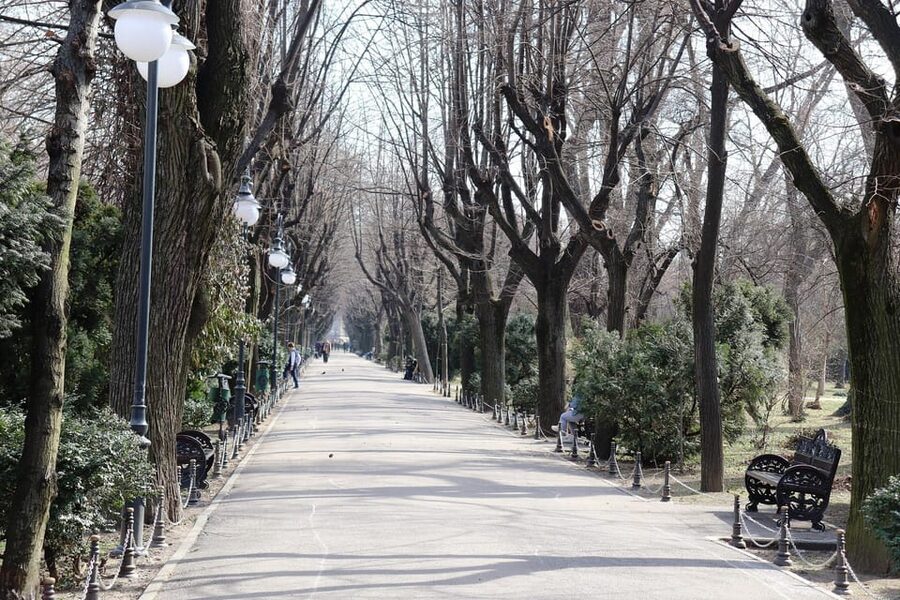
Cișmigiu Park: a calmer walk that still carries the lesson
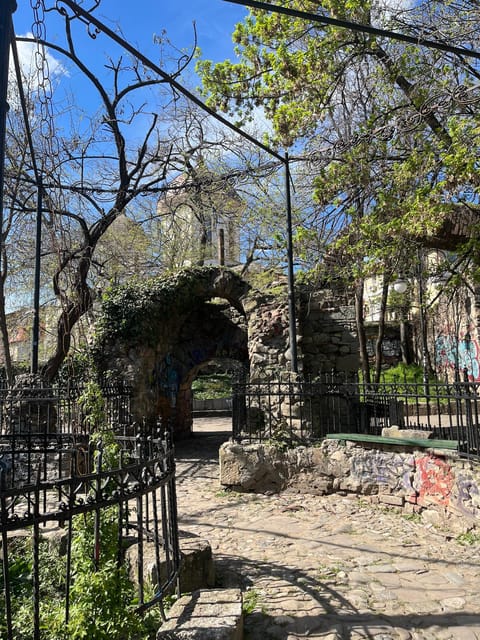
After the more intense history stops, you get a leisurely walk through Cișmigiu Park. This is Bucharest’s oldest and largest garden, and it is a welcome change of pace. Expect greenery, shade when the day allows it, and a slower rhythm that makes it easier to process what you just learned.
This is also where the tour’s theme of myths and truths keeps moving forward. Your guide points out how cultural traditions get misunderstood and how stereotypes get repeated until they feel like facts. Walking through a public space like Cișmigiu Park adds an important angle, because you are seeing how Roma life and Romanian society interact in everyday settings, not only in historical archives.
If it is hot, you will likely appreciate the park timing. In past departures, guides have been considerate about breaks and shade, which is exactly what you want when you are focused on learning rather than just surviving the weather.
Holocaust memorial in Romania: remembering Roma victims in the heart of the city
A major stop is the Holocaust memorial in Romania. You do a photo stop, then your guide shares context for victims of this dark chapter, including the thousands of Roma lives lost to persecution and genocide.
This part of the tour is solemn by design. It is not rushed, and it is not folded into the route like a quick photo op. I like that your guide frames it as memory with purpose, especially because the Roma story can get treated like a side note in some histories. Here, it is centered in the same moral spotlight as the broader tragedy.
Piața Kogălniceanu and Revolution Square: seeing communist-era traces in street life
As you move through the city, the tour also addresses traces of Romania’s communist past. You pass through or near places such as Piața Kogălniceanu and Revolution Square, and your guide connects the politics of the era to how people lived.
What you take away is how regimes shape everyday outcomes. In one of the key themes on this walk, property and postwar changes come up as part of the broader story, including how disputes and shifting ownership can contribute to buildings and neighborhoods looking run down long after the original events. Even if you already know Bucharest has layers, this route helps you read those layers more closely.
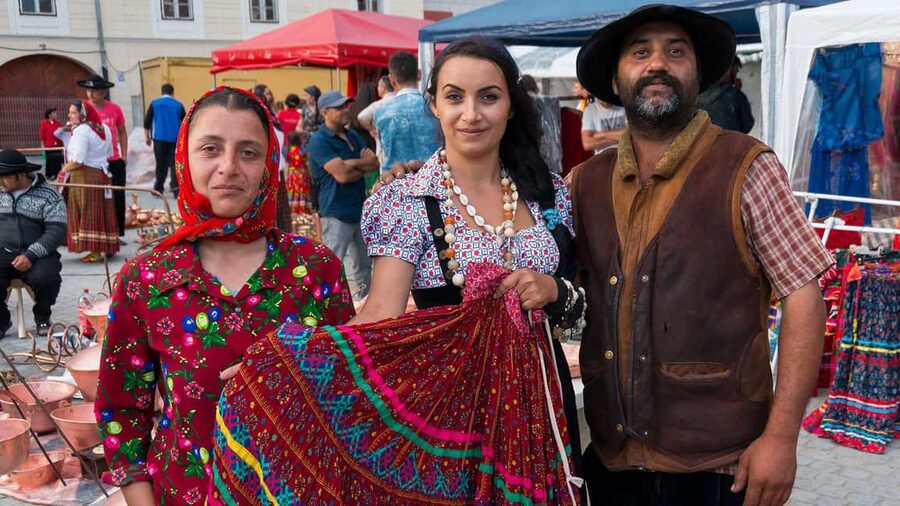
You also hear stories that emphasize resilience. That matters, because the tour does not treat Roma history as only suffering. It includes survival, adaptation, and cultural continuity, even in the face of prejudice.
Mesteshukar ButiQ and the optional Roma jewelry workshop
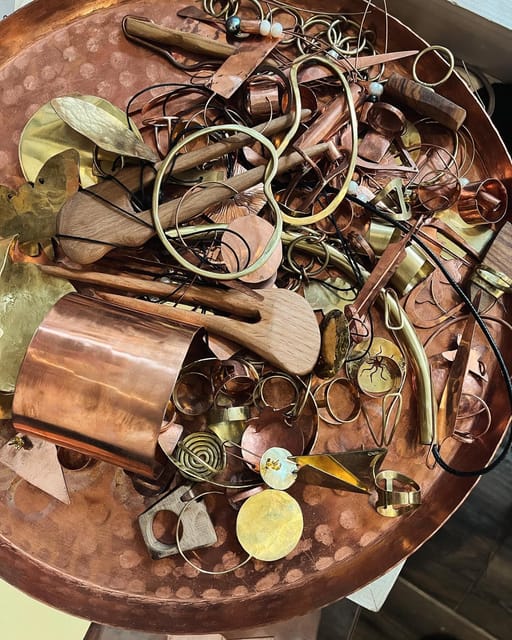
The walking portion ends at Mesteshukar ButiQ [MBQ]. From there, you have the optional chance to add a jewelry workshop with an authentic Roma craftsman in a traditional workshop. If you want a hands-on finish, this is the part that turns learning into doing.
I think this is one of the best values on the tour, because it adds something active at the end instead of only more facts. One visitor even described it as genuinely fun, not just instructional. You might not leave with a museum-style artifact, but you will leave with a tangible connection to craft tradition and a better sense of how culture shows up in daily making, not only in history books.
How the guides keep the tone respectful and practical
The strongest praise for this tour consistently points to guide skill and delivery. People have highlighted that guides like Andreea, Daniela, and Mihail do two key things well: they explain the history clearly and they distinguish myths from truths directly.
Another recurring theme is empathy paired with honesty. Guides have a sense of humor when appropriate, but they do not treat the topic like a casual story. In hot weather, some departures have been considerate about shade, water, and seating moments, which helps a lot when you are listening for hours.
It is also worth noting a small critique that shows up: one person felt the tour would be improved by more interaction with Roma people. If that is a big priority for you, you might pair this tour with other experiences that put Roma voices front and center, while still enjoying this route for its historical grounding.
What the 3-hour timing feels like on the ground
This is a 3 hour walking tour, and the pacing is built around short stops plus a couple of longer segments, like Cișmigiu Park. There is also a 15 minute local café break, which is practical, not just a pause to stand around.
From my point of view, that café break is an underrated part of this type of tour. When you are hearing tough history, you need a moment to reset your brain and your emotions. It is also where you can buy water if you want it, since food and drinks are not included.
You will likely spend most of your time on city streets and sidewalks. Comfortable walking shoes are the obvious recommendation, but I also suggest wearing breathable layers. Bucharest weather can shift fast, and you will be outdoors long enough that you will feel it.
Price and value: why $30 can make sense here
At $30 per person for about three hours, this is priced like a city walk, but it carries the weight of a focused subject. You are not paying extra for a generic highlights route. You are paying for a specialized guide who connects slavery history, Roma culture, Holocaust remembrance, and communist-era context to real Bucharest locations.
Value comes from two places. First, you get a guided, structured route through key sites that would be hard to interpret correctly on your own. Second, the tour can include the jewelry workshop if you choose it, which turns the end of the day into a memorable activity rather than a blur of walking.
If you like tours that give context instead of just photos, this price feels fair. If you only want casual city views and light background chatter, you might decide the subject matter is too serious for your mood that day.
Who this tour is best for
This walk is ideal if you:
- want a Roma focused story connected to Bucharest places, not only general Romania facts
- care about separating myths and stereotypes from historical reality
- are interested in how Romanian society connects to arts, politics, and discrimination
- appreciate thoughtful remembrance, especially around the Holocaust and Roma victims
It may be less ideal if you:
- want a relaxed, purely sightseeing day with minimal emotional content
- dislike tours that are heavy on history and interpretation
- strongly prefer experiences led by Roma community members in the moment, rather than guided historical framing
Should you book Roma Culture, Realities and Slavery History?
I recommend booking if you want a guided, respectful walkthrough of Bucharest’s Roma story, including the most difficult parts. The combination of a former slave market site, a major Holocaust memorial stop, and time in Cișmigiu Park gives you structure, variety, and a chance to process.
Choose this tour particularly if you like when guides explain misconceptions clearly and handle the subject with empathy and clarity, which has been a consistent strength for this experience. If you also want a creative ending, consider adding the jewelry workshop at Mesteshukar ButiQ.
If you are short on time, you may prefer a more general highlights tour. But if you want to understand Romania beyond postcard Bucharest, this one is a strong, specific pick.
FAQ
Where do I meet for the tour?
Meet in the small square in front of the Ion Creanga Theatre, about a 3 minute walk from Piata Romana metro station.
How long is the tour?
The tour lasts 3 hours.
What is the price?
The price is $30 per person.
Is the tour in English?
Yes, the live guide provides the tour in English.
Does the tour include food?
No. Food and drinks are not included.
Is there a break during the walk?
Yes. There is a 15 minute local café break.
What are some of the key stops?
You will pass by or visit places such as the Romanian Athenaeum, Cismigiu Park, a Holocaust memorial photo stop, Piața Kogălniceanu, and Revolution Square.
Is there an optional activity?
Yes. You can add an optional jewelry workshop with an authentic Roma craftsman in a traditional workshop.
Where does the tour finish?
The tour finishes at Mesteshukar ButiQ [MBQ].
Can I cancel if my plans change?
Yes. You can cancel up to 24 hours in advance for a full refund.
Newest Bucharest write-ups
- Half Day Tour in Bucharest
★ 5.0 · 1 review - Private transfer to BRASOV
★ 5.0 · 1 review - Bucharest Private Custom Walking Tour with Guide (Private Tour)
★ 5.0 · 1 review - Bucharest: Capture the most Photogenic Spots with a Local
★ 5.0 · 1 review - Transfer Bucharest to Constanta / Mamaia
★ 5.0 · 1 review - Uncover Transylvania: Private 2-Day Tour Bears & Medieval Wonders
★ 5.0 · 1 review - 7-Days Grand Romania tour from Bucharest
★ 5.0 · 1 review
Historical Tours, compared.

Bucharest Jewish Heritage | Holocaust Memorial | Private Car Tour
Read our review →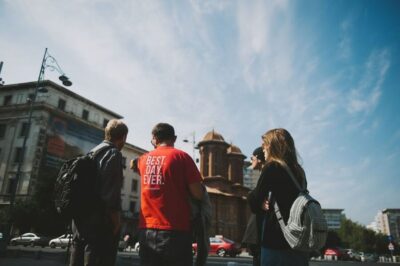
Private Bucharest: History & Food with Traditional Meal
Read our review →Historic Gems Sighișoara, Rupea and Viscri Day Tour
Read our review →
Browse the lists this tour appears in