
Reviewed · WALKING TOURS
Bucharest: Hidden Markets Walking Tour with Tastings
Bucharest tastes better when you ride a tram. This half-day walk links Communist-era streets to a lively market day, with an Obor Market food stop at the center of it all. You also mix in architecture that looks like it has multiple centuries sharing the same corner.
What I love most is the pairing of Armenian Quarter architecture with real local eating, not just tourist plates. You start with a shot of tuica, then move through cheeses, mici, beer, and a warm Wallachian doughnut to close. The small group size helps this feel personal, not rushed.
One thing to plan for: this is a walking-and-transit tour. If you are sensitive to alcohol flavors, go easy on the tuica and use the included soft drink or coffee/tea options when you want a break.
In This Review
- Key highlights to look forward to
- Starting at the National Theatre: a fast route into Bucharest’s story
- Strada Batistei and the Armenian Quarter: architecture you can actually spot
- How the tram ride adds the right kind of realism
- Obor Market: where the tastings feel like a meal, not a sample parade
- Mici, cheese, beer, and the Wallachian doughnut finish
- Alcohol options and how to pace yourself
- Dietary needs: what you can request ahead of time
- How long it really feels: timing, walking level, and group size
- Who this tour is best for in Bucharest
- Price and value: what $100 buys you in food, drink, and transit
- Sustainability note: carbon neutral and B Corp operations
- Should you book this Hidden Markets walking tour?
- FAQ
- Where does the tour meet and where does it end?
- How long is the Bucharest Hidden Markets walking tour?
- What is the group size?
- What food and drink tastings are included?
- Do you ride public transit, and is that included?
- Can you accommodate vegetarian, vegan, or gluten intolerant diets?
- Can I cancel or pay later?
Key highlights to look forward to

- Tram ride through Bucharest’s past and present, with tram tickets included
- European and Ottoman-style mix around the Armenian Church area
- Tuica plus peasant platter at the start of the Obor Market tastings
- Mici moment with bread and mustard, paired with cold beer
- Finish sweet, a warm Wallachian doughnut when you are already full
- Small group max 12, so you actually get answers and time at each stop
More Guided Walks in Bucharest
- Bucharest: City Highlights Guided Walking Tour★ 4.9 · 1,482 reviews
- Bucharest: Communism and History Guided City Walking Tour★ 4.9 · 918 reviews
- Bucharest Highlights Walking Tour★ 5.0 · 469 reviews
- Bucharest: Ghost Stories & Romanian Mythology Walking Tour★ 4.9 · 287 reviews
Starting at the National Theatre: a fast route into Bucharest’s story
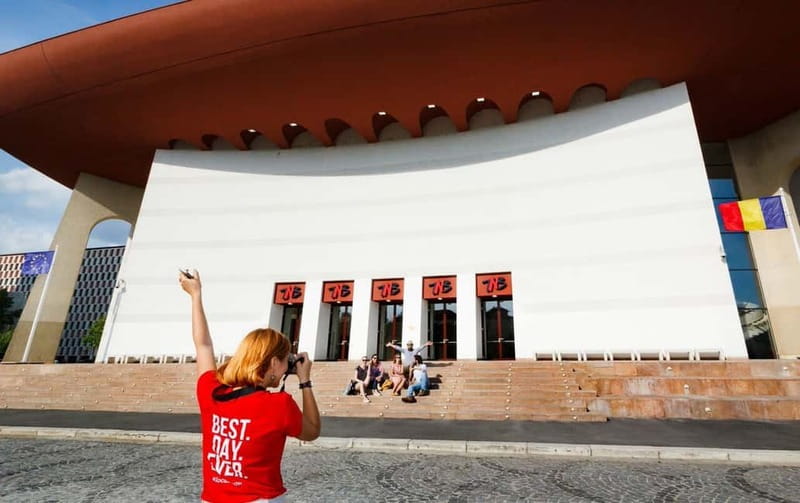
Your day kicks off at the National Theatre (Teatrul Național București), right on the stairs in front of the main entrance. It is a smart meeting point because it is central, easy to spot, and it naturally sets a historical tone before you even start walking.
From there, you head toward Strada Batistei, a street tied to older glamour and American embassy history. This is one of those transitions I like because it shows the city’s layers without getting stuck in one era. You get a sense of what Bucharest wanted to be in the past, and what it is becoming now.
A practical note: since you will be on foot for several parts of the tour, wear shoes you can trust. Several guides keep a comfortable pace, but you still want your feet ready for a market day and a few neighborhood walks.
Strada Batistei and the Armenian Quarter: architecture you can actually spot
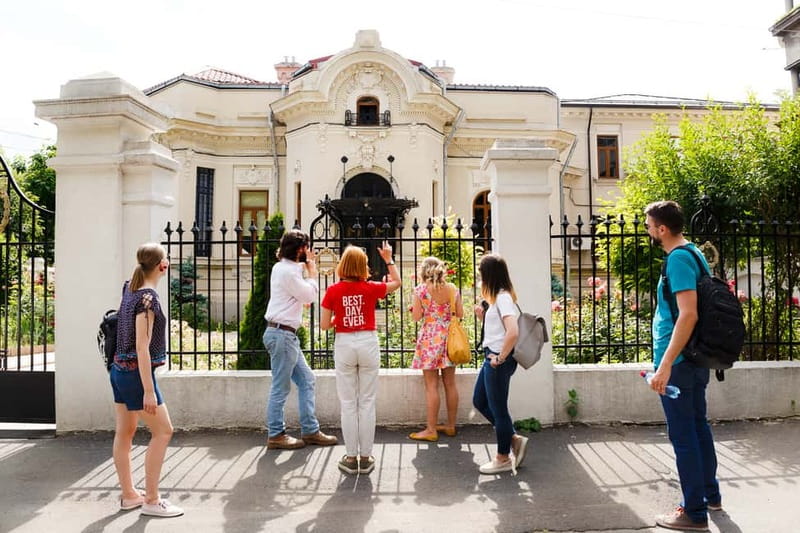
The route takes you past Biserica Batistei and then into Strada Batistei, where the buildings tell a story. You are not just doing photo stops. The guide frames why the street mattered, and what changed over time, including the presence of an old American embassy landmark.
Then comes the Armenian Quarter, the most visually interesting neighborhood stretch. This area is known for a mix of European and Ottoman architecture, and that contrast is easier to see with a guide than by yourself. It gives you a real “wait, how did these styles share the same space?” moment, especially around the Armenian Church.
What makes this part valuable is the way it connects design to daily life. Architecture is not just decoration here. It reflects trade, migration, politics, and culture meeting in one place.
If you like wandering, you will also like how this segment is paced. You get time to look closely while still staying on schedule for the food portion.
How the tram ride adds the right kind of realism
A tram ride is built into the experience, and the tickets are included. That matters more than it sounds. Public transit in Bucharest is part of the lived-in city, not a performance for tourists.
The tram segment helps you move between neighborhoods without turning the day into one long hike. It also gives you a different view of the city’s scale, street rhythm, and the way people actually commute.
In recent departures, guests often noted that transit was part of what made the day feel authentically Bucharest, not just a snack route. Some days can include additional transit beyond the tram ride itself, so if you are counting on a very minimal walking plan, bring a bit of flexibility.
Different day out, same corner of Romania:
Obor Market: where the tastings feel like a meal, not a sample parade
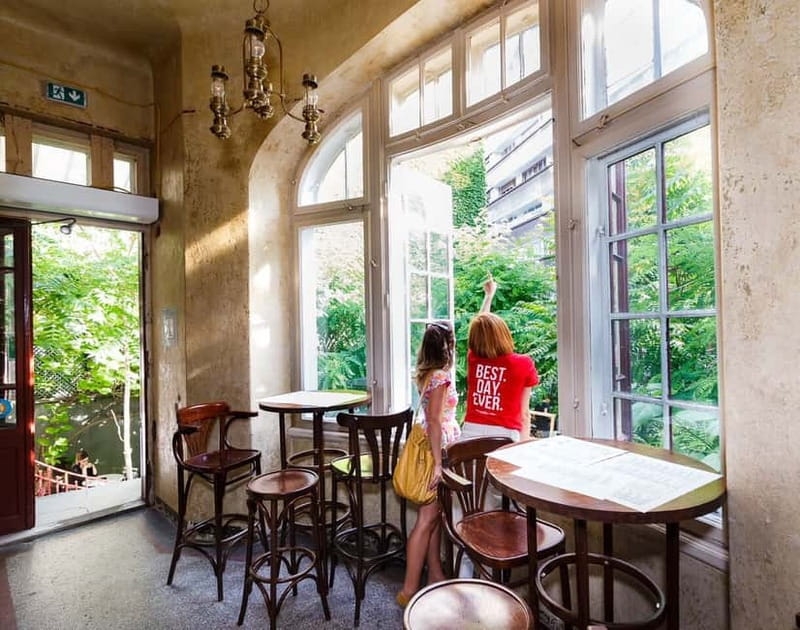
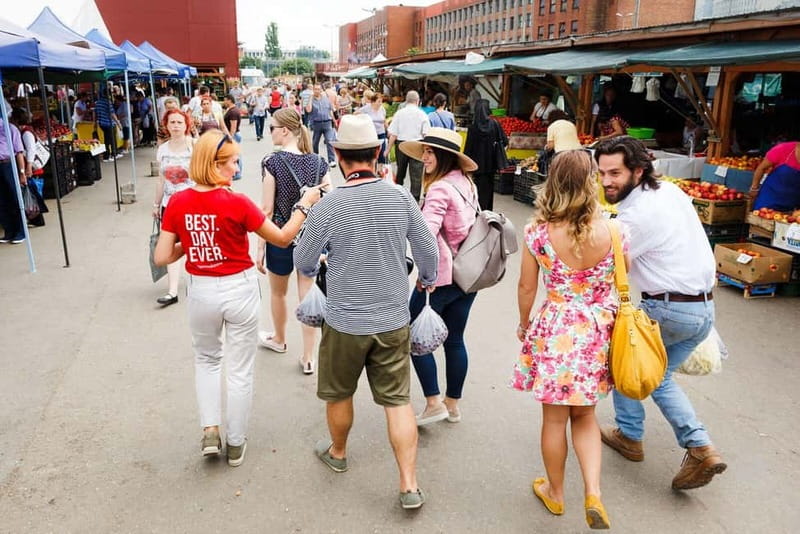
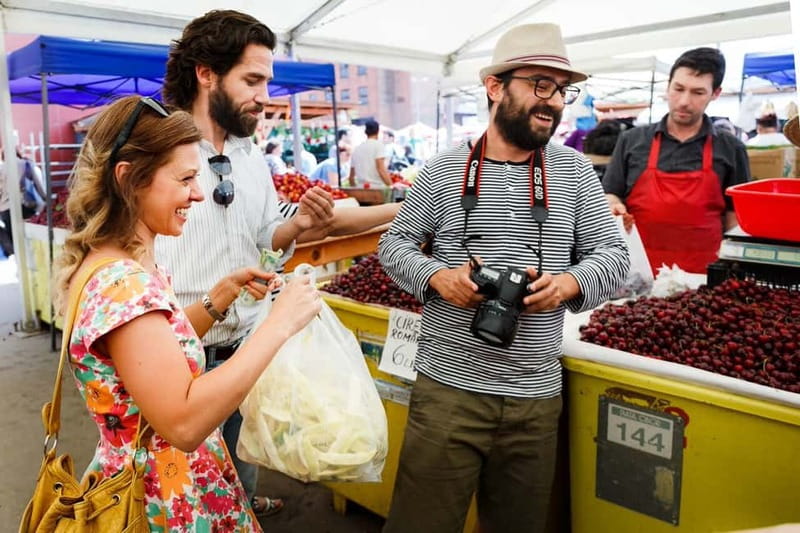
Obor Market is Bucharest’s largest peasant market, and it anchors the second half of your outing. The guide brings you into a real food environment, where seasonal produce and everyday buying are the backdrop.
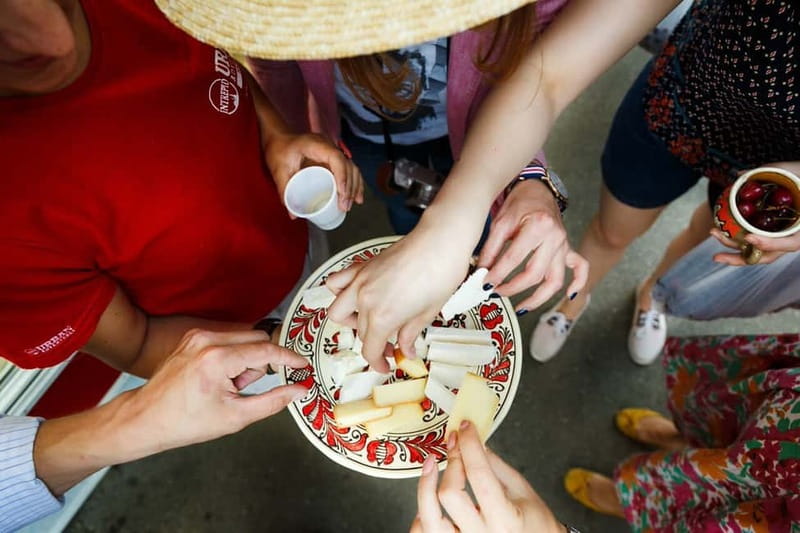
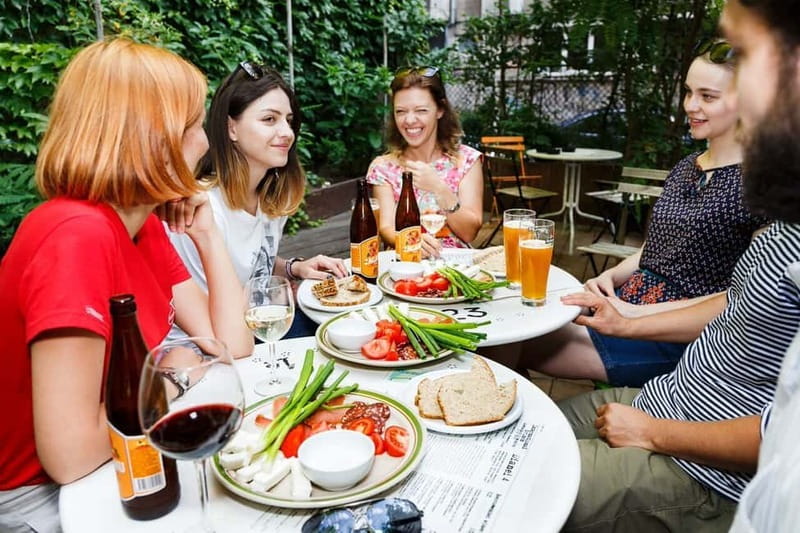
You start the market tasting with a tuica (Romanian brandy) and a traditional Romanian peasant platter. The platter style is key. It is not designed to tease you with one bite per dish. It is built to get you eating and understanding what “simple” Romanian food tastes like when you slow down and take it seriously.
Right away you will see the kinds of combinations locals rely on: dips, sausages, local cheeses, and homemade bread. Then the tour keeps the momentum with more cheese tastings.
If you are the kind of person who likes to learn flavors by repetition, this stop clicks. You taste, you compare, you ask questions, and it stops feeling like a checklist.
Mici, cheese, beer, and the Wallachian doughnut finish
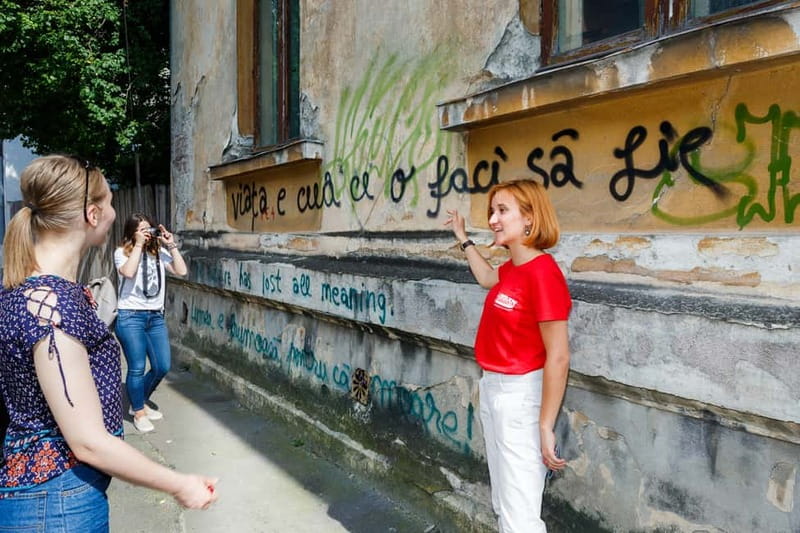
After the first market bites, the tasting continues with a focus on Romanian staples. You will get a selection of local cheeses and produce, then the iconic mici shows up with bread and mustard. Mici are one of those foods that instantly tell you whether you like Romanian grilling flavors, because they are bold, salty, and comforting in a very straightforward way.
This is also where the drink pairing starts to matter. You get cold beer included, with a choice to switch to soft drinks, coffee, or tea. So if you want the flavor experience without getting hammered, you can manage the pace easily.
Then you reach the sweet ending: a warm Wallachian doughnut. It is a smart close because by the time it arrives you are already full, but the warm, simple sweetness works as a final wipe-clean moment instead of a heavy extra course.
My practical advice: do not show up starving. Also, do not start with a huge breakfast. Several people note that the tastings are more filling than expected, and that you end up comfortably satisfied for the rest of your day.
Alcohol options and how to pace yourself
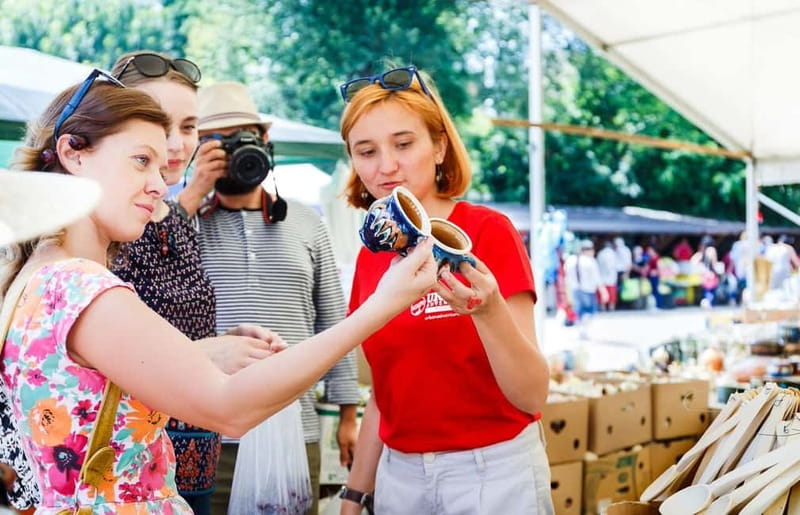
This tour includes alcohol, but it also gives you non-alcohol choices. You receive a shot of tuica and a total of three beers (or the tour provides soft drinks and coffee or tea instead). That means you can taste Romanian brandy while still controlling how strong the day feels.
If tuica is new to you, treat it like a flavor snapshot, not a finish line. Take it slow, pair it with bread and cheese, and switch to a non-alcohol drink when you need a breather.
The other comfort is that the group is small, up to 12 people, so the guide can keep an eye on pacing. You are less likely to feel like you are being herded through a conveyor belt of tastings.
Dietary needs: what you can request ahead of time
If you have dietary constraints, you have more options than many “food and photo” tours. The operator can cater to vegetarian/vegan and gluten intolerant diets, as long as you notify them at least 24 hours in advance.
This is worth planning, because market-based tastings can still offer variety even when ingredients change. The guide can keep the tour running smoothly while swapping items that do not fit your needs.
If you have allergies or other sensitivities, list them clearly when you book. Even if you are unsure, the safest move is to flag the issue early, so the tastings match your comfort level.
How long it really feels: timing, walking level, and group size
The tour runs about 5 to 5.5 hours. That is long enough to cover multiple neighborhood shifts, but short enough that you are not stuck all day outdoors.
The good news is that the walking level is not described as extreme. People who joined on foot often mention it feels manageable, and the day is not built around big climbs or exhausting detours. Still, bring comfortable shoes and drink water when you can.
Small group size is a major quality driver here. With a maximum of 12 participants, you get more than just “stand here, taste this.” You can ask questions, get explanations at your pace, and linger when something catches your eye.
Also, the tour is English-led. If English is your main language, you should feel comfortable following the story from stop to stop.
Who this tour is best for in Bucharest
This tour fits well if you want a first-time friendly way to understand Bucharest beyond the old center. You get architecture in the Armenian Quarter, a tram ride through city life, and a market setting that makes the food feel grounded.
It is also a strong pick if you like guided context. The best moments here are not just tastings, they are the “why this place exists” explanations that help you recognize the city’s layers while you walk.
If you love food, this is clearly a highlight day. You leave with a full stomach, plus enough tasting variety to remember what to look for on your own later.
If you want a slow, museum-like day with lots of sitting, this is probably not your style. It is active and focused on moving through neighborhoods while eating.
Price and value: what $100 buys you in food, drink, and transit
At $100 per person for 5 to 5.5 hours, you are paying for a guided experience that includes far more than a basic walk. You get a guide, walking tour, food and drink samples, a platter with local cheeses, meats, seasonal vegetables, and homemade bread, plus street snack.
On top of that, you get 2 mici, a Wallachian doughnut, and 3 beers or non-alcohol alternatives. You also get tram tickets, which removes one small hassle and makes transit part of the experience instead of an afterthought.
To me, the value is strongest if you would otherwise pay for guided history time plus multiple food stops plus market access. Here, it all arrives in one package with a tight schedule and enough tasting quantity to matter.
Sustainability note: carbon neutral and B Corp operations
One extra reason this experience appeals to me as a traveler: it is described as carbon neutral and operated by a B Corp certified company. Even if you care only about the food, it helps you feel good about choosing a day tour that tries to reduce harm rather than only selling souvenirs.
Should you book this Hidden Markets walking tour?
Book it if you want Bucharest in a single afternoon: tram transit, neighborhood architecture, and a market food experience that goes past small samples. It is also a great fit if you travel with someone who wants both history and actual eating, because the schedule balances both.
Skip it if you hate alcohol flavors and do not want to taste tuica at all, or if long walking plus transit sounds like a chore. You can switch drinks to soft options, but the tour still includes brandy tasting by default.
If you are on your first or second day in Bucharest, this is the kind of outing that helps you orient yourself fast and then explore the rest of the city with better instincts.
FAQ
Where does the tour meet and where does it end?
You meet on the stairs of the National Theatre in front of the main entrance at Nicolae Bălcescu 2, București. The tour finishes at Piața Unirii.
How long is the Bucharest Hidden Markets walking tour?
The tour lasts about 5 to 5.5 hours.
What is the group size?
It is a small-group tour with a maximum of 12 participants.
What food and drink tastings are included?
Included tastings include a shot of tuica, a peasant platter with dips, sausages, cheeses, seasonal vegetables, and homemade bread, plus 2 mici with bread and mustard. You also get a selection of local cheeses and produce, a street snack, 3 beers or soft drinks plus coffee or tea, and a warm Wallachian doughnut.
Do you ride public transit, and is that included?
Yes. A tram ride is part of the tour, and tram tickets are included.
Can you accommodate vegetarian, vegan, or gluten intolerant diets?
Yes. The operator can cater to vegetarian/vegan and gluten intolerant needs if you notify them at least 24 hours in advance about allergies and sensitivities.
Can I cancel or pay later?
You can cancel up to 24 hours in advance for a full refund. There is also a reserve now and pay later option, so you can book without paying immediately.
Newest Bucharest write-ups
- Half Day Tour in Bucharest
★ 5.0 · 1 review - Private transfer to BRASOV
★ 5.0 · 1 review - Bucharest Private Custom Walking Tour with Guide (Private Tour)
★ 5.0 · 1 review - Bucharest: Capture the most Photogenic Spots with a Local
★ 5.0 · 1 review - Uncover Transylvania: Private 2-Day Tour Bears & Medieval Wonders
★ 5.0 · 1 review - Transfer Bucharest to Constanta / Mamaia
★ 5.0 · 1 review - Private Day Trip to Peles Palace, Dracula’s Castle and Brasov
★ 5.0 · 1 review
Walking Tours, compared.




Ghost Stories & Romanian Mythology Walking Tour
Read our review →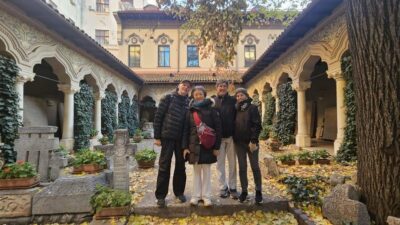
Walking Tour- Delightful Bucharest (Highlights, Stories, Sights)
Read our review →Browse the lists this tour appears in