
Reviewed · MONASTERIES & PAINTED CHURCHES
Bucovina Painted Monasteries & Transylvania Tour: 4-Day Private
Painted churches, tight towns, big history, in four days. This private Bucovina and Transylvania trip turns long driving time into a slow read of Romanian art, starting with the nuns and frescoes of Agapia and Văratec, then moving on to some of the most famous painted churches in northern Moldavia. I especially like that you get one-on-one attention from guides such as Toni Tatar and Marius, who both come through in reviews as professional, calm, and great at explaining what you are seeing.
I also like the balance of spiritual art and major Central European towns. You’ll get UNESCO moments in Sighișoara’s walled historic center and the UNESCO fortified church at Viscri, then finish in Brașov and the Carpathian castles. The main drawback to plan for is a packed itinerary with lots of road time, so it helps if you enjoy day-to-day transitions and can handle moderate walking at each site.
In This Review
- Key Points I Think Matter Most
- Is This Bucovina and Transylvania Private Tour Good Value?
- Starting From Bucharest: Pickup, Drive Time, and How to Get the Most Out of It
- Day 1 in Agapia and Văratec: Nuns, Frescoes, and Major Church Atmosphere
- Day 2’s Painted Church Wave: Sucevița, Moldovița, and Voroneț Blue
- Day 3 Through Transylvania: UNESCO Sighișoara, Viscri Fortified Church, and Brașov
- Day 4 in the Carpathians: Black Church and Peles Castle
- Hotels and Breakfast: What the Included Stuff Really Means for Your Day
- What to Bring: Modest Dress, Photo Cash, and Weather Sense
- Should You Book This Tour? Best Fit, Not-So-Great Fit
- FAQ
- What time does the tour start, and where does it begin?
- Is pickup available anywhere in Bucharest?
- What’s included in the price for this private tour?
- Are all entrance fees included?
- What should I wear to monastery visits?
- What kind of fitness level do I need?
Key Points I Think Matter Most
- Private pickup and transport from Bucharest, so you are not wrestling schedules or transfers
- Painted monastery highlights across three days, with Voroneț’s famous Voroneț blue standing out
- 3-star hotels plus breakfast for three mornings, which makes the trip feel smooth and timed
- UNESCO stops in Sighișoara and Viscri, not just church stops
- Guides who go the extra mile, including story-rich explanations and practical support when needed
- Some entrance fees are on you, so keep a little cash ready for indoor visits and any photo rules
More painted monasteries:
- Princely Court of Târgoviște and Curtea de Argeș Monastery★ 4.5 · 50 reviews
- Small Group Tour to Mogosoaia Palace & Snagov Monastery★ 4.4 · 48 reviews
- Sacred Monasteries Private Tour: Snagov, Țigănești & Căldărușani★ 5.0 · 32 reviews
- Private Half Day Trip to Snagov Monastery & Mogosoaia★ 4.1 · 29 reviews
Is This Bucovina and Transylvania Private Tour Good Value?
At $1,356.43 per person for 4 days, this tour is not a budget gamble. You are paying for a true private setup: hotel stays (3 nights), pickup and drop-off in Bucharest, a private guide, comfortable transport, and breakfast. For many people, the value is less about the sticker price and more about how much work the tour handles for you, especially if you want to see several sites without planning every connection.
The one caution is costs once you arrive. The trip includes entrance fees at many stops, but some inside visits are not included, with tickets available on the spot (the tour lists roughly EUR 25 to EUR 30 per person). Also, at least one monastery has a small exterior photography fee and restrictions inside, so budget for those small extras too.
This is a strong fit if you care about art and history and you want the day to feel guided, not rushed. It may feel too structured if you prefer long free afternoons, or if you dislike churches, frescoes, and religious art.
Starting From Bucharest: Pickup, Drive Time, and How to Get the Most Out of It
The tour starts with pickup in Bucharest, and the start time is 9:00 am. You can arrange pickup anywhere in the city, which matters because Bucharest hotels can be spread out, and early hours are when traffic can be unpredictable.
Then comes the real trade: comfort versus time. Private transport is efficient, but you are still covering distance across Moldavia and Transylvania, so each day has a rhythm of drive, site, and drive again. I recommend thinking of this as a “route trip” instead of a “single-city trip,” pack snacks and water, and keep your expectations aligned with full days.
If you have moderate mobility limits, the tour notes a moderate physical fitness level requirement. Most stops are manageable, but monastery grounds often involve uneven surfaces, steps, and standing for parts of the visit. Comfortable shoes do more than save your feet here, they save your whole day.
Day 1 in Agapia and Văratec: Nuns, Frescoes, and Major Church Atmosphere
Day 1 is all about the Romanian Orthodox monastic world in the Neamț County area. You start with Agapia Monastery, located about 9 km west of Târgu Neamț. It was built between 1641 and 1643 by hetman Gavriil Coci, and the church’s frescoes were painted by Nicolae Grigorescu between 1858 and 1861, later restored and modified over the centuries. This is one of the larger nunneries, with hundreds of nuns, so the visit feels less like a museum and more like a living community.
Next is Văratec Monastery, also in the Agapia commune. It’s described as the largest nun monastery in Romania, with more than 400 nuns living there. You get a full hour at each site, which is enough time to see the church interiors and slow down for details without feeling like you are power-walking a checklist.
Practical note that I think matters: monastery etiquette can be more about respect than rules. In feedback from past visitors, people noted you may be asked to dress modestly for the grounds, with long skirts or trousers recommended. Head coverings might not be required, but carrying a light scarf is a cheap way to avoid awkward moments if a specific area is stricter.
Other Bucharest days worth the drive
Day 2’s Painted Church Wave: Sucevița, Moldovița, and Voroneț Blue
Day 2 is where the phrase painted monasteries stops being marketing and starts being a visual experience. You’ll visit Sucevița Monastery first, with around two hours on site. The church architecture combines Byzantine and Gothic elements, and both interior and exterior walls are covered with mural paintings depicting biblical episodes from the Old and New Testament. When a place paints every surface, your guide’s interpretation matters, because you need help connecting scenes to themes and timelines.
Then you move to Moldovița Monastery, built in 1532 by Petru Rareș, linked to Stephen III of Moldavia. The foundation story matters here, because the monastery was meant as a protective barrier against Ottoman expansion from the east. The result is a church that feels defensive and deliberate, not just decorative, and that context helps you read the images with more meaning.
Finally, you reach Voroneț Monastery, the big-name stop for many people. Voroneț was constructed by Stephen the Great in 1488, completed over 3 months and 3 weeks to commemorate the victory at the Battle of Vaslui. The frescoes are famous for an intense blue shade known in Romania as Voroneț blue, and it is the kind of color you will actually remember later in your trip.
A useful tip from real experiences: if you care about photography, check the rules before you start shooting. At least one visitor reported paying a small fee for photographing the exterior, and restrictions inside. Bring some cash, and don’t assume photography rules are the same at every monastery, even on the same day.
Day 3 Through Transylvania: UNESCO Sighișoara, Viscri Fortified Church, and Brașov
Day 3 shifts from Moldavia’s painted churches to Transylvania’s medieval towns. First up is Sighișoara’s Centrul Istoric, a medieval citadel and UNESCO-listed World Heritage Site. You have about two hours here, which is a good window for the walled old town feel: streets that stay narrow, towers that hint at fortification, and historic corners that make the whole place feel layered.
Next you visit Viscri Fortified Church, also UNESCO-listed. This stop is shorter, about one hour. Even in that limited time, a fortified church is a powerful concept. It reminds you that Transylvanian Saxon communities built churches as both spiritual centers and practical defenses, and you can see that logic in the architecture and layout.
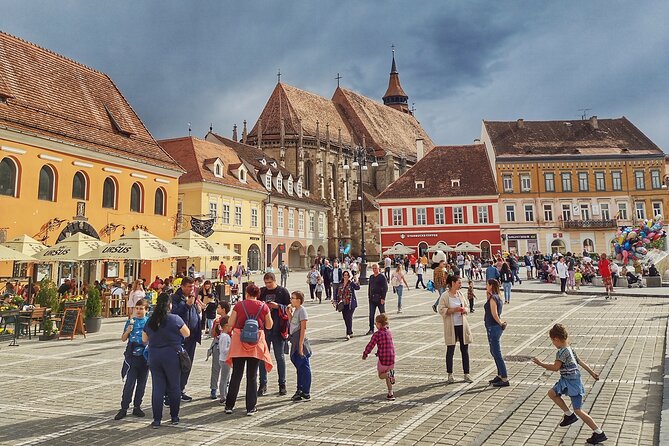
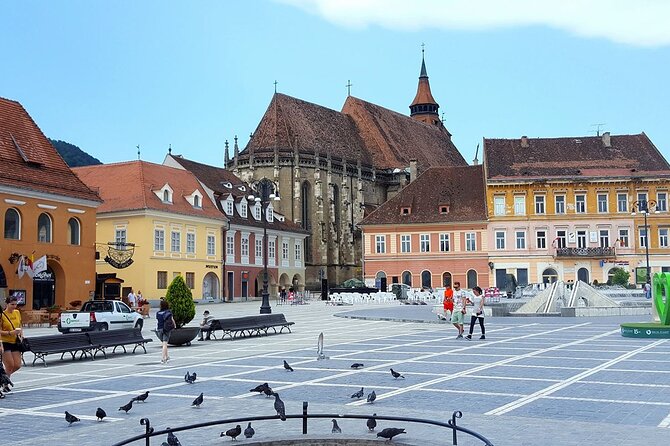
Then you continue to Brașov’s historical center for about two hours. Brașov was a regional capital for the Transylvanian Saxons of Burzenland and a commercial hub on East-West trade routes. It’s also tied to Romanian national identity, as it is listed as the birthplace of the national anthem. That combination is why Brașov works well on this itinerary: it connects medieval architecture to later Romanian culture.
If you like walking tours, this day gives you enough time to browse without sprinting. If you do not, focus on the main squares and church areas first, then use your remaining time for wandering.
Day 4 in the Carpathians: Black Church and Peles Castle
Day 4 brings two very different but equally impressive sights, and both are linked to Transylvania’s German and royal eras.
You start with the Black Church. It was built by the German community and is described as the main Gothic style monument in Romania, and the largest and one of the most important Lutheran places of worship in the region. It is about an hour, and that time is usually enough to appreciate the building style and the interior context without turning it into a marathon.
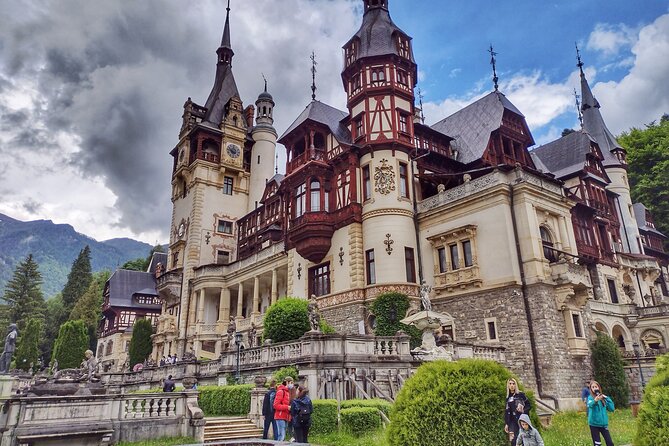
Then comes Peleș Castle, near Sinaia in the Prahova County mountain area. Peles was the summer royal residence of King Carol I, built between 1873 and 1914 and inaugurated in 1883. The castle is Neo-Renaissance and sits on an existing medieval route linking Transylvania and Wallachia, which gives it a sense of place beyond just its pretty facade.
Since entrance tickets for inside visits are not included for these final stops, I suggest treating this day as a “pay to see” day. This is where you decide whether interiors and displays are worth it for you, because the outside shots are only half the story at places like Peles.
Hotels and Breakfast: What the Included Stuff Really Means for Your Day
This tour includes three nights in 3-star hotels plus breakfast for three days. That is important because it removes one of the most tiring planning parts: where to sleep and what to do in the morning. Breakfast inclusion also helps you start monastery days without delay, especially if you are heading out right after pickup.
Reviews describe the accommodations and meals as solid and good value, with hotels described as very comfortable and restaurants as affordable with high-quality food. I still treat meals as flexible, because lunch and dinner are not included, and Romanian dining styles can vary by day and location. Plan to eat near sites when it works, or ask your guide for a practical restaurant recommendation based on your timing.
Room quality can vary by season and specific property, but since the tour is private, you are more likely to get consistent communication about your hotel and daily flow.
What to Bring: Modest Dress, Photo Cash, and Weather Sense
Monastery etiquette is simple but worth thinking about. Even when rules are not rigid, you should show up in clothes that allow you to comfortably visit church grounds and remain respectful inside. Past visitor notes specifically mention long skirts or trousers for access to monastery grounds, and that head coverings were not strictly enforced in at least one visit. Bring a scarf anyway if you get cold easily, it also works as a quick modesty backup.
Shoes matter. Monastery grounds can include uneven paths, and city walking on cobblestones can add up fast over four days. I would bring shoes you can stand in for an hour, not just ones that look good in photos.
Bring a little cash for on-the-spot needs. The tour lists indoor entrance fees not included for some stops, and at least one monastery has a small exterior photo receipt. If you like taking photos, also assume some areas limit photography inside.
Finally, this tour requires good weather. The itinerary depends on traveling between sites, and if weather affects road conditions, plans can change. Check the forecast before you go, and keep an eye on what your guide recommends for timing.
Should You Book This Tour? Best Fit, Not-So-Great Fit
Book it if you want a focused route that mixes Bucovina painted monasteries with classic Transylvania towns, and you prefer the ease of private transport plus a guide who can interpret what you are seeing. This is especially appealing if you love art details, color, and religious symbolism, because frescoes like those at Voroneț reward slower looking and context. The guide support in reviews is also a big plus, with standout praise for professionalism and staying helpful when things get complicated.
Skip it or consider a different pace if you dislike early starts and long days on the move. This itinerary gives you major sites but keeps downtime limited. Also, if photography is your main goal, be prepared for restrictions and possible small fees at certain churches.
If you like structure, this tour delivers it. If you like freedom, you may feel boxed in by the day-to-day plan. Either way, you will likely come away with a clearer mental map of northern Moldavia and Transylvania than you would from a purely independent trip.
FAQ
What time does the tour start, and where does it begin?
The tour starts in Bucharest, Romania at 9:00 am. The meeting point is in Bucharest, and pickup is offered.
Is pickup available anywhere in Bucharest?
Yes. You can arrange pickup anywhere in Bucharest, based on the tour’s stated pickup details.
What’s included in the price for this private tour?
The tour includes 3 nights in 3-star hotels, breakfast for 3 mornings, private tour service, comfortable private transport, and hotel pickup and drop-off in Bucharest.
Are all entrance fees included?
Not all. Entrance fees for inside visits are listed as not included, with tickets available to purchase on the spot (and the tour provides an approximate range in euros). Some sites have admission ticket time included as part of the schedule.
What should I wear to monastery visits?
For monastery grounds, you should plan for modest dress. In prior visitor feedback, long skirts or trousers were noted for access to the grounds, and head coverings were not necessarily required.
What kind of fitness level do I need?
The tour notes a moderate physical fitness level. Expect some standing and walking at each stop, including monastery grounds and city areas.
If you tell me your travel month and whether you care more about interiors, photos, or town wandering, I can help you decide if this 4-day structure fits your style.
Newest Bucharest write-ups
- Half Day Tour in Bucharest
★ 5.0 · 1 review - Private transfer to BRASOV
★ 5.0 · 1 review - Bucharest: Capture the most Photogenic Spots with a Local
★ 5.0 · 1 review - Bucharest Private Custom Walking Tour with Guide (Private Tour)
★ 5.0 · 1 review - Transfer Bucharest to Constanta / Mamaia
★ 5.0 · 1 review - Uncover Transylvania: Private 2-Day Tour Bears & Medieval Wonders
★ 5.0 · 1 review - 7-Days Grand Romania tour from Bucharest
★ 5.0 · 1 review
Monasteries & Painted Churches, compared.
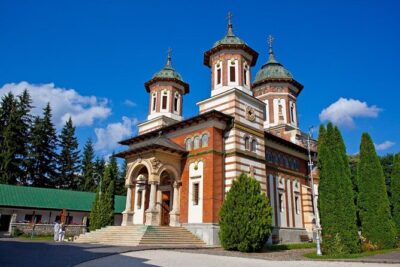
3-Castle: Peles,Bran,Rasnov,Sinaia Monastery from Brasov w pickup
Read our review →
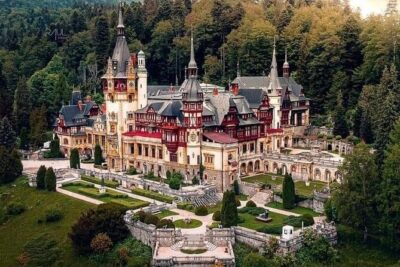
Peles Castle, Bran Castle, Rasnov Fortress and Sinaia Monastery Tour from Brasov
Read our review →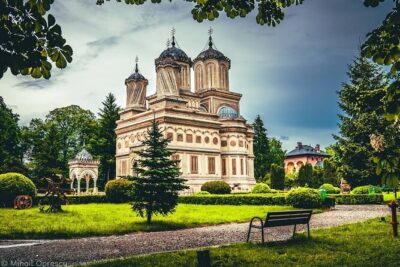
Princely Court of Târgoviște and Curtea de Argeș Monastery
Read our review →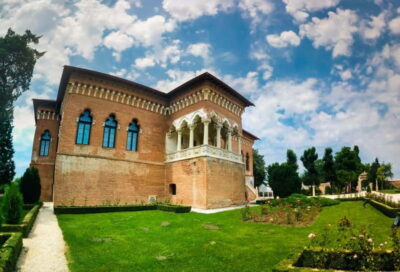
Small Group Tour to Mogosoaia Palace & Snagov Monastery
Read our review →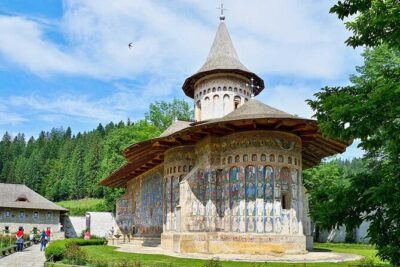
1-Day Bucovina Painted Monasteries tour from Suceava – English
Read our review →
Sacred Monasteries Private Tour: Snagov, Țigănești & Căldărușani
Read our review →
Transfagarasan Highway, Balea Lake & Carta Monastery
Read our review →Browse the lists this tour appears in