Reviewed · TOURS
Unique Tour of Hidden Bucharest
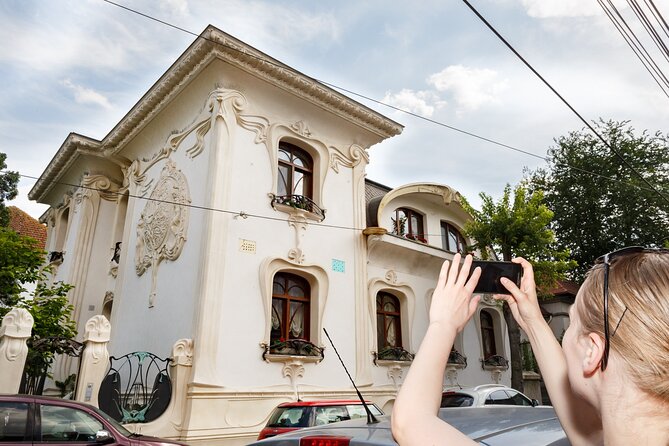
Bucharest has secrets just off the main boulevards. On this Hidden Bucharest walk, you’ll move through side streets where Ottoman influence, local traditions, and 19th-century design all rub shoulders with communist-era damage, with stops around Strada Batiștei and Ion Voicu Park. It’s led by a local guide who knows how to connect buildings to the bigger story.
I love how the guide turns architecture into something you can spot with your eyes, not just read about in a book. I also love the small group setup (max 12), which keeps the pace friendly and makes room for questions, photo stops, and quick detours when something catches your eye.
One possible drawback: this is a real walking tour with no hotel pickup and no full meal included, so bring good shoes and plan to top up with what the guide offers, plus any drinks you want to buy.
In This Review
- Key Highlights Worth Planning For
- A Quiet Way to Read Bucharest, Street by Street
- Price and Value: What $46.86 Buys You Here
- Stop 1: Teatrul Național Ion Luca Caragiale and How Bucharest Gets Its Shape
- Stop 2: Strada Batiștei, Mahallas, and Neighborhood Mergers
- Stop 3: Parcul Ion Voicu and Belle Epoque Streets You Can Still Picture
- How the Pace Works, Including Heat, Photos, and Breaks
- What You’ll Learn Beyond Buildings: Ottoman Influence and Communist Aftereffects
- Guides Make the Difference: Andrea, Ioana, Mircea, Roxana, and LaLa
- Where You Start and Where You End (Helpful If You’re Planning Your Day)
- Who Should Book This Tour (And Who Might Prefer Another Style)
- Should You Book Hidden Bucharest Walking Tour?
- FAQ
- What is the duration of the Hidden Bucharest tour?
- How much does the tour cost?
- Where does the tour start and what time does it begin?
- Where does the tour end?
- Is the tour in English?
- How big is the group?
- What’s included in the price?
- Are alcoholic drinks included?
- Is hotel pickup included?
- Do I need a printed ticket?
- Is free cancellation available?
Key Highlights Worth Planning For
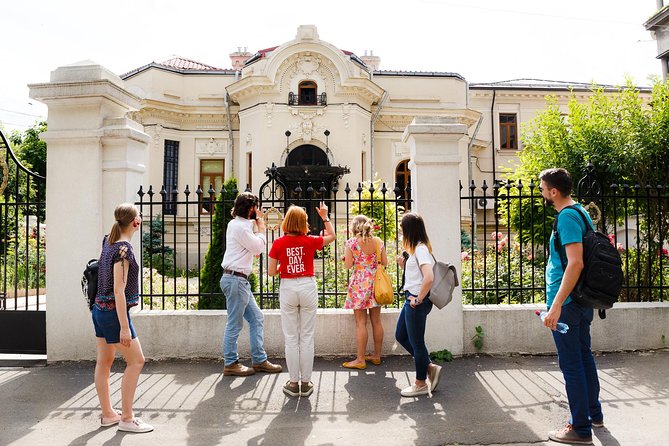
- Strada Batiștei through the lens of mahallas and why neighborhoods formed around religious and community life
- Belle Epoque mansions near Parcul Ion Voicu, plus what’s been renovated versus what’s still waiting
- Local theater stop at Teatrul Național Ion Luca Caragiale, with architecture context you won’t get from a quick photo stop
- Snacks included, plus breaks that can feel like summer gardens or classic tea-house style pauses
- Free entry at the listed stops, so your money stays on the walk and the guide
Other Bucharest days worth the drive
- Bucharest: Dracula’s Castle, Peles Castle, & Brasov Old Town★ 4.5 · 17,858 reviews
- Bucharest: Dracula Castle, Peles Castle & Brasov Old Town★ 4.6 · 10,891 reviews
- Bucharest: Dracula’s Castle, Peleș Castle & Brașov Day Trip★ 4.4 · 6,100 reviews
- Bucharest: Palace of Parliament Tickets and Guide★ 4.3 · 3,182 reviews
A Quiet Way to Read Bucharest, Street by Street
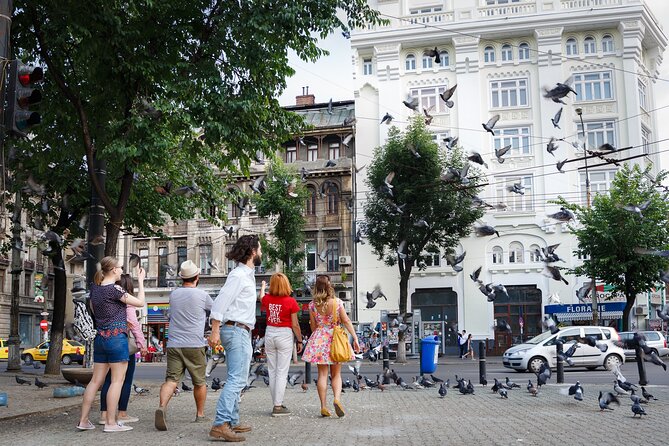
Bucharest’s big boulevards can feel loud. But step a few blocks away and the city changes tone fast. You start seeing older courtyards, faded façades, and whole stretches of homes and community buildings that were shaped by trade, faith, migration, and politics. That contrast is the heart of this tour.
You get a guided “on foot” explanation of how Bucharest grew, split into community quarters (mahallas), and then went through waves of modernization, earthquakes, wars, and demolition projects under Ceausescu. The tour doesn’t try to make everything sound simple. It shows you the messy layering, so the city feels real instead of staged.
And yes, you do walk. The tour is about 2 hours 30 minutes (roughly 3 hours in practice), and your guide keeps you moving at a moderate pace. You’ll want comfortable footwear and a little patience for city sidewalks and curb cuts.
Price and Value: What $46.86 Buys You Here
At about $46.86 per person for a 2.5-hour walk, this is priced in the “mid-range but fair” zone for Bucharest walking tours. The value comes from a few practical things that add up:
- A small group (max 12), which makes the guide easier to hear and helps you get personal answers.
- Snacks included, so you don’t end the tour hungry.
- Free admission listed for all three main stops (the theatre area, Strada Batiștei, and Parcul Ion Voicu), so you are not paying extra to enter what you came to see.
- A local guide, who can explain why certain houses sit abandoned, which communities formed where, and what changed after the communist period.
Is it a bargain? It’s not the cheapest option in town. But for what you get, you’re paying mainly for perspective and routing, not for add-on attractions. If you’re the type who likes to understand the “why” behind what you see, you’ll likely feel good about the cost.
Stop 1: Teatrul Național Ion Luca Caragiale and How Bucharest Gets Its Shape
The walk begins at the National Theatre Ion Luca Caragiale (Teatrul Național Ion Luca Caragiale) on Bulevardul Nicolae Bălcescu 2. It’s a smart first move, because the theatre area gives you architecture context right away.
You’re not just admiring a landmark. Your guide connects the theatre’s setting and style to the larger historical pattern Bucharest had with the Ottoman world. The city wasn’t Ottoman, but it absorbed certain influences that shaped everyday life and the way towns in that wider sphere developed. That theme matters later when you hear about neighborhood formation and community quarters.
What I like about opening with this stop is that it sets the mental framework. Before you reach the smaller streets, you already understand what to look for: the mix of styles, the “influence” story, and how politics and power can steer a city’s look.
A practical note: this is a short stop (about 30 minutes). If you love theatre architecture, you might want to take a few extra photos before the group moves on, then let your guide’s next section build the story.
Different day out, same corner of Romania:


Stop 2: Strada Batiștei, Mahallas, and Neighborhood Mergers
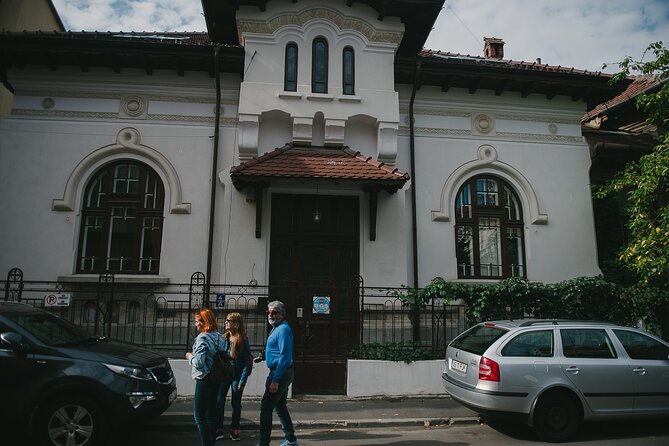
Strada Batiștei is where the tour turns into a true neighborhood story. This is the part that explains why Bucharest looks the way it does: not as one uniform city, but as a patchwork of quarters that formed around community life.
Your guide focuses on mahallas, small neighborhood units that often grew around a religious building and developed around a fairly homogeneous group of people. As the city grew, these mahallas fused into larger neighborhoods. And then, history hit again and again. Modernization, earthquakes, wars, and the demolition projects under Ceausescu pushed change through those areas, leaving visible marks on the built environment.
This is also where you may hear about the community layers that used to be more distinct in city life, including the Armenian Quarter, the Old Jewish Quarter, and Mantuleasa, among others. The tour’s value here is the explanation of mixing: how different architecture styles and cultural habits can sit side by side, not because it’s random, but because people lived through real waves of change.
What to expect on the ground:
- You’ll walk through streets where details matter more than big monuments.
- You’ll likely spot architectural clues like building proportions, window patterns, courtyard shapes, and how entrances face the street.
- You may pause for short photo moments or to look at features your eye might skip alone.
One consideration: in at least one case, the route can feel partly improvised based on what your guide wants to highlight and how the group is moving. That’s not a problem if you’re flexible. It can feel less “timeline strict” if you prefer a rigid plan minute by minute.
Stop 3: Parcul Ion Voicu and Belle Epoque Streets You Can Still Picture
Next comes Parcul Ion Voicu, a stop built for people who love “then and now.” You’re stepping into a Belle Epoque area, with mansions dating back to the end of the 19th century. Even when buildings are damaged or abandoned, you can sense what the neighborhood was meant to be.
Your guide helps you understand what happened after that first golden period. Over decades, those areas endured destruction, neglect, and ownership complications. At the same time, other buildings were renovated and put back into use. That contrast is one of the main reasons this tour works: it shows you the city as it exists, not as it once existed.
This is also a stop where you might get the most “architecture spotting” time. The guide will often point out influences you might not name yourself. Based on past tours, you can expect talk about how styles arrived from different places and how communist-era priorities shifted what got maintained and what got left behind.
And if the season and pacing line up, the tour includes refreshments. Think snacks plus a break that can feel like a summer garden moment. You won’t be stuck only on sidewalks.
How the Pace Works, Including Heat, Photos, and Breaks
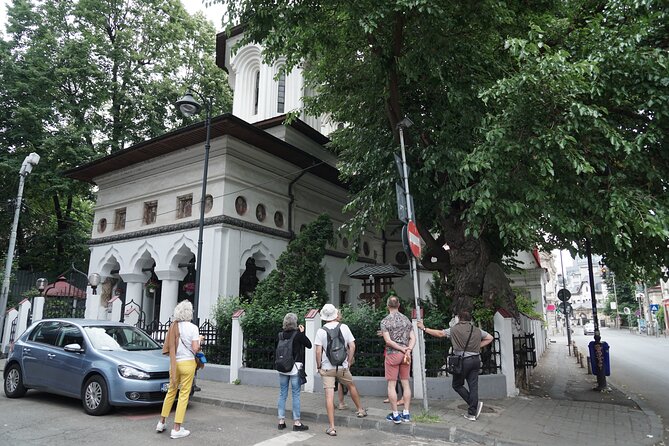
The tour is designed to be walkable, but it still covers ground. It’s best for travelers with moderate physical fitness, and the reviews make one thing very clear: good footwear is a must.
I’d treat this as an active city introduction, not a slow sightseeing stroll. The group size cap of 12 helps the guide keep control of the pace and still give time for questions. If you have a specific interest, like old buildings, church interiors, or photo angles, this tour often gives you time to get it right.
A few real-world details that help you plan:
- On very hot days, guides have been attentive about keeping people comfortable and hydrated, including adjusting the pace when needed.
- You should expect frequent storytelling stops, not just a photo-and-go routine.
- Snacks are included, but you’ll want to bring your own water if you tend to get thirsty quickly, especially in summer.
Food is another point to manage expectations. Alcoholic drinks are not included, but you can buy them. If you want a full lunch, your guide may suggest places nearby, and you can decide what fits your day. Some tours end up at well-known traditional restaurants as a finishing meal, but that’s not something you should assume.
What You’ll Learn Beyond Buildings: Ottoman Influence and Communist Aftereffects
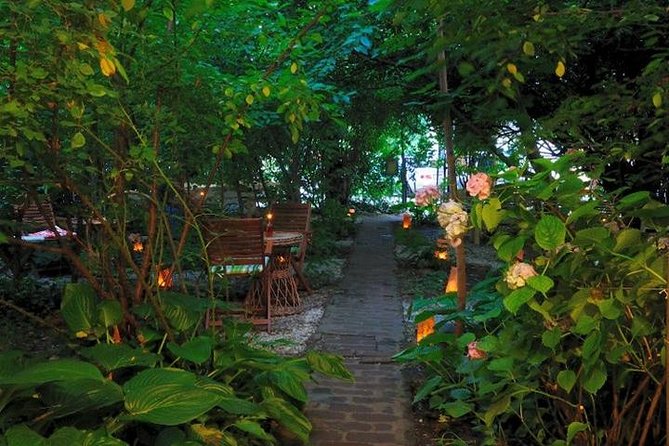
What makes this walk more than sightseeing is the way your guide connects architecture and streets to political history. Two themes show up again and again.
First is the Ottoman-era relationship, explained in practical terms. Bucharest wasn’t an Ottoman town, but it shared aspects of a wider influence zone. You can feel how that plays out when the guide explains why certain neighborhoods and styles took shape the way they did.
Second is the communist aftereffect. The tour talks about demolitions and the upheaval that followed. It helps you understand why some beautiful buildings look frozen in time and why others have been restored. You start to see the city’s fractures as part of a longer story, not just random decay.
This is one of the reasons architecture buffs often rate the tour so highly. You learn how to read a façade, an entrance, and a courtyard as historical evidence.
Guides Make the Difference: Andrea, Ioana, Mircea, Roxana, and LaLa
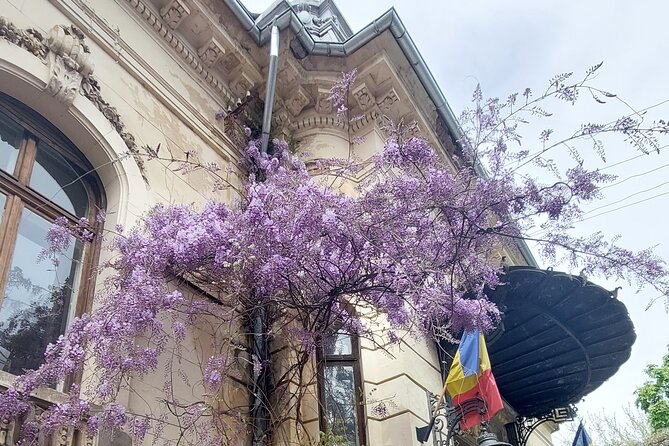
Local guides are the engine of this experience. Across different departures, names like Andrea, Ioana, Mircea, Roxana, and LaLa come up in guide-led stories. What they have in common is clear pride in Bucharest, and the ability to explain details in a way that sticks.
In particular, guides tend to focus on:
- architecture details and how influences show up side by side
- neighborhood identity, including how mahallas formed and then merged
- practical tips, like where to eat in the areas you just saw
- flexible photo time, so you can get shots without feeling rushed
If you want a tour where you can ask questions and get more than a one-sentence answer, this is the right format. The small group size supports that.
Where You Start and Where You End (Helpful If You’re Planning Your Day)
The meeting point is outside Ion Luca Caragiale National Theatre, Bulevardul Nicolae Bălcescu 2, București 010051, Romania. Start time is 10:00 am.
The tour ends at a KFC on Bulevardul General Gheorghe Magheru 28-30, București 010336. Ending at a major, easy-to-find spot is underrated. It makes your next move simple, whether you’re heading to another attraction, returning to your hotel, or grabbing lunch.
You’ll also be near public transportation, so it’s easier to link this walk with the rest of your Bucharest day.
Who Should Book This Tour (And Who Might Prefer Another Style)
This tour is a strong fit if you want:
- a walking introduction to real Bucharest neighborhoods
- a focus on architecture plus history, not just monuments
- quiet streets and less tour-bus energy
- small-group pacing and lots of guide talk
It may be less ideal if you:
- want a sightseeing checklist with major landmarks every 10 minutes
- prefer a fully scheduled route with no flexibility at all
- need a guaranteed sit-down meal during the tour
If you’re arriving in Bucharest and want to feel comfortable fast, this can help you get your bearings. You’ll learn how the city is organized at street level, and that makes later exploring easier.
Should You Book Hidden Bucharest Walking Tour?
Yes, I’d book it if you enjoy architecture, side streets, and neighborhood history explained in plain terms. The price feels fair for a small-group walk with snacks included and free entry at the main stops. Most importantly, the tour teaches you how to look, so Bucharest keeps paying you back after the walk ends.
If you are unsure, make the call like this: if you’ll be happy spending your morning walking through residential quarters and reading the city’s layers, you’ll have a great time. If you want big-ticket sights only, you may feel the tour is more subtle than you expected.
FAQ
What is the duration of the Hidden Bucharest tour?
The tour lasts about 2 hours 30 minutes, approximately.
How much does the tour cost?
The price is $46.86 per person.
Where does the tour start and what time does it begin?
It starts at Ion Luca Caragiale National Theatre, Bulevardul Nicolae Bălcescu 2, București, at 10:00 am.
Where does the tour end?
The tour ends at KFC, Bulevardul General Gheorghe Magheru 28-30, București.
Is the tour in English?
Yes, it is offered in English.
How big is the group?
The maximum group size is 12 travelers.
What’s included in the price?
It includes snacks and a local guide.
Are alcoholic drinks included?
Alcoholic drinks are not included. They are available to purchase.
Is hotel pickup included?
No, hotel pickup and drop-off are not included.
Do I need a printed ticket?
A mobile ticket is provided.
Is free cancellation available?
Yes. You can cancel up to 24 hours in advance for a full refund.
Newest Bucharest write-ups
- Half Day Tour in Bucharest
★ 5.0 · 1 review - Private transfer to BRASOV
★ 5.0 · 1 review - Bucharest Private Custom Walking Tour with Guide (Private Tour)
★ 5.0 · 1 review - Bucharest: Capture the most Photogenic Spots with a Local
★ 5.0 · 1 review - Transfer Bucharest to Constanta / Mamaia
★ 5.0 · 1 review - Uncover Transylvania: Private 2-Day Tour Bears & Medieval Wonders
★ 5.0 · 1 review - 7-Days Grand Romania tour from Bucharest
★ 5.0 · 1 review
Tours, compared.
Bucharest to Dracula Castle, Peles Castle and Brasov Guided Tour
Read our review →
Transylvania and Dracula Castle Full Day Tour from Bucharest
Read our review →
Peles Castle, Bran Castle, & Brasov Old Town Tour
Read our review →
Small-group tour Bran, Rasnov, and Peles Castles
Read our review →