
Reviewed · COMMUNIST-ERA TOURS
8-Hour Private Tour to Bucharest Communism
Communism in Bucharest hits hard, fast. This 8-hour private tour lines up the city’s biggest Soviet-era monuments and key streets, so you can connect the dots between power, propaganda, and the everyday Romanian life that survived it all. I especially like the private guide approach, where the story is explained stop by stop, not dumped on you all at once. You also get a strong pairing of monuments, museum-style Romanian culture, and the dramatic 1989 revolution sites, including People’s House, Revolution Square, and the Ceaușescu Mansion.
The main drawback is also the most practical one: the big sites involve entrance fees not included, and there is no food or drinks included. If you want museum time without extra planning, you’ll need to budget a bit and think about lunch on your own.
In This Review
- Key highlights worth planning around
- Why this 8-hour private communism tour makes sense
- People’s House and the “small person, big power” effect
- The Bucharest National Village Museum: Romania beyond ideology
- Calea Victoriei: royal elegance beside communist power
- Revolution Square and the 1989 turning point
- Snagov Monastery: an island ride and a Dracula legend tie-in
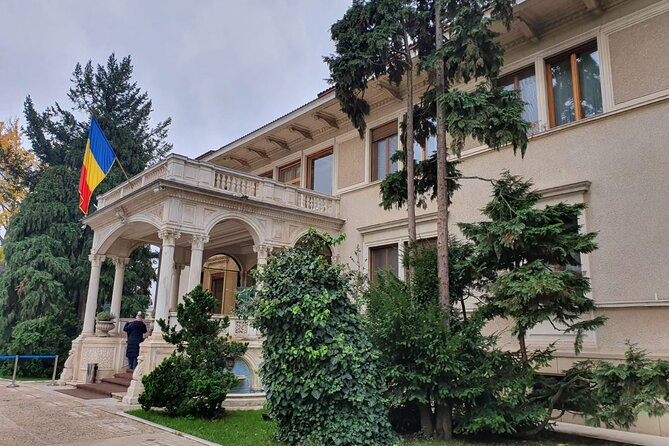
- Ceaușescu Mansion: private life under the glare of power
- Romanian Athenaeum finale: culture after the political storm
- How the day runs: pacing, transport, and what you control
- Price and value: what $266.07 per person really buys
- What to expect from the guiding style
- Who this tour fits best, and who should consider alternatives
- Quick practical tips before you book
- Should you book this Bucharest communism tour?
- FAQ
- How long is the tour?
- Is this a private tour?
- Does the tour include pickup?
- Is the guide an English speaker?
- What are the main stops included?
- Are entrance fees included?
- Is food or drinks included?
- Is transportation included?
- Does it use a mobile ticket?
- Is cancellation free?
Key highlights worth planning around
- People’s House scale lesson: you’ll see one of the planet’s largest administrative buildings and understand why totalitarian rule created so much damage.
- National Village Museum stop: Romanian traditions in one place, with traditional houses, symbols like the mill, and a feel for simple rural life.
- Calea Victoriei contrast walk: Royal-era glamour next to Romanian Communist Party power and the revolution-era setting.
- Revolution Square focus: built around the moment Nicolae Ceaușescu was ousted, including context about state security controversies and offshore accounts.
- Snagov Monastery island stop: a 40-minute trip outside Bucharest, linked to the Dracula legend and tomb connection.
- Ceaușescu Mansion look: the private residence of Nicolae and Elena Ceaușescu and their children (Nicu, Zoia, Valentin).
More of communist-era Bucharest:
- Bucharest: Communism and History Guided City Walking Tour★ 4.9 · 918 reviews
- The Real tour of Communism★ 5.0 · 666 reviews
- Life under Communism★ 5.0 · 358 reviews
- 3-Hour Guided Tour of Communist Bucharest★ 4.9 · 303 reviews
Why this 8-hour private communism tour makes sense
Bucharest can feel like a city of layers. This tour helps you sort the layers quickly, without bouncing between too many locations on your own. In a single day, you get the physical facts of communist power, the street-level reminders of the regime, and the dramatic historical pivot in December 1989.
The private format is the real advantage. You’re not stuck waiting for a bus tour rhythm, and you can move as a group with a guide who stays with you. That matters here because the best parts are the connections, not just the photos.
You should go in with one mindset: you’re there to understand how a system can shape buildings, streets, and even national pride. The tone is serious, but the route is designed to keep the day flowing.
People’s House and the “small person, big power” effect
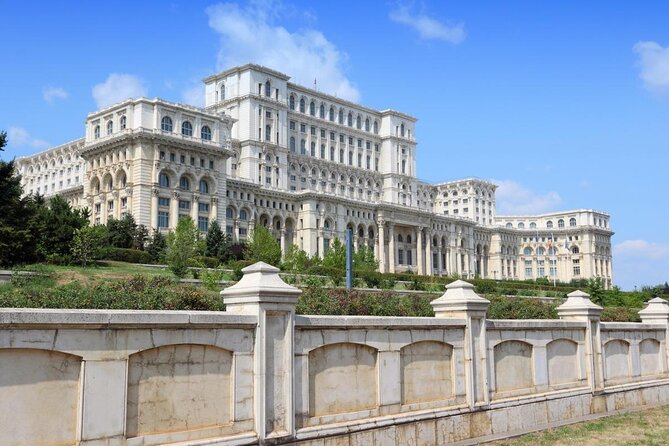
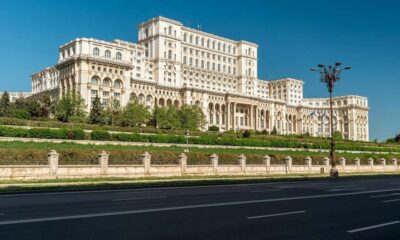
Your day starts at the Palace of Parliament, also known as the People’s House. The point isn’t just to see an impressive building. It’s to feel the weird, unsettling imbalance of scale that authoritarian regimes create when leaders demand showpieces larger than anyone else’s needs.
This is described as the second largest administrative building on the planet after the Pentagon. That kind of size can make any human feel small, and that emotional effect is part of why this stop lands. You’ll learn how a totalitarian regime becomes dangerous for a nation, and how pointless opulence and megalomania can turn into long-term damage.
Two practical notes. First, admission tickets are not included for this stop, so plan for extra cost. Second, two hours is a solid chunk of time here, which is good. It’s not a quick photo stop, and you’ll get more out of it if you slow down and let the scale sink in.
The Bucharest National Village Museum: Romania beyond ideology
After the weight of People’s House, the National Village Museum is a smart reset. This isn’t just “pretty traditional buildings.” The museum format gives you a sense of Romanian traditions in one place, plus the meaning behind how villagers created an ecological and sustainable environment in their backyard.
You’ll see traditional houses built of wood and adobe, but also stone and other materials, depending on the region. You’ll also encounter national symbols like the mill and the wooden church. That combination helps you understand what daily life was like when the country wasn’t being pushed into a single political mold.
This stop is also great because it widens your idea of what “Romanian culture” means. You’re not only looking at political architecture and revolutionary squares. You’re meeting the kinds of spaces where people lived, worked, and expressed faith and community.
The time window here is flexible enough to keep the day moving, but it’s long enough to actually absorb the details. Admission tickets are not included, so again, budget for entry.
Other Bucharest days worth the drive
Calea Victoriei: royal elegance beside communist power
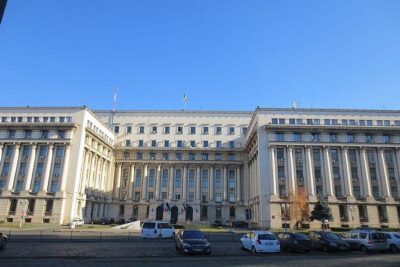
Next comes Calea Victoriei, also called Victory Avenue. This is one of the best streets in Bucharest for seeing contradictions in one glance. On one side, you have the Royal Palace atmosphere. On the other, you have the Central Committee of the Romanian Communist Party and the revolution setting at nearby Revolution Square, including the historical note that Ceausescu fled by helicopter.
With a private guide, you won’t just walk past buildings. You’ll get the “why this matters” for each cluster. Along the avenue you may notice old Orthodox churches, a variety of museums and theaters, tea shops and restaurants, and landmarks like the National History Museum and the Romanian Athenaeum. Even the CEC Palace comes into the story as part of what Bucharest looks like when politics, commerce, and culture share the same stage.
This is a 45-minute segment in the plan, and it’s well suited for an active break in the middle of the day. It also sets you up for the next stop, because Calea Victoriei acts like a spine connecting power points.
Entrance fees are listed as free for this portion, which helps keep the day’s cost more predictable.
Revolution Square and the 1989 turning point
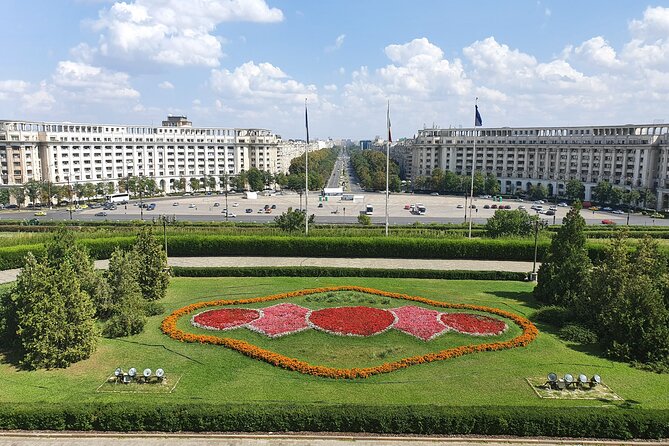
Revolution Square is where the tour shifts from architecture to a true moment in modern history. The theme is straightforward: the fall of Nicolae Ceaușescu and the beginning of the Revolution of December 1989.
You’ll connect this square to key buildings around it, including where the Central Committee of the Romanian Communist Party was housed, and the broader setting of where the revolution started. The narrative also includes the aftermath questions people still debate, like controversies about the state security service and claims related to offshore accounts.
There’s a Senate Palace mention in the flow of the day, and it works as a visual anchor for the power structures that were being challenged. This isn’t a stop where you need to read every plaque. The value comes from understanding the sequence of events and why this place matters even today.
Time here is 30 minutes, and that’s exactly right. You get context without losing momentum before the trip outside Bucharest.
Snagov Monastery: an island ride and a Dracula legend tie-in
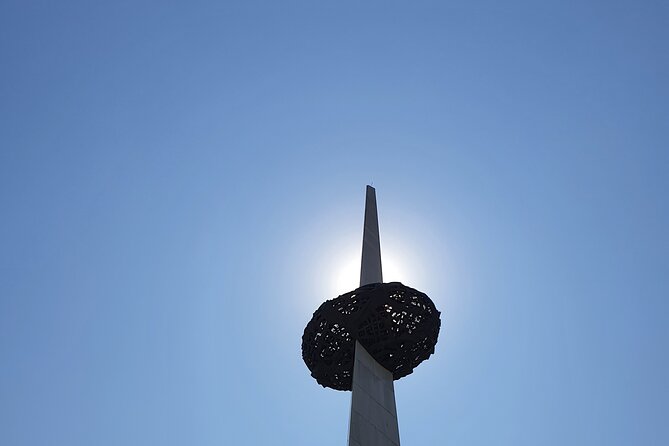
Then you get the surprise: Snagov Monastery, about 40 minutes outside Bucharest on an island. It’s the kind of stop that breaks the day’s rhythm and gives you a different emotional temperature, from political monuments to quieter religious atmosphere.
The stop is tied in the plan to the tomb of Dracula. Even if you’re not a horror-fiction expert, it’s a useful story hook for understanding how Romanian legends travel across borders. This is also a good “breather” because the day alternates between heavy power symbolism and this more reflective setting.
Expect about one hour here. Admission tickets are not included, so this is one of the cost add-ons you’ll want to plan for in your day budget.
Ceaușescu Mansion: private life under the glare of power
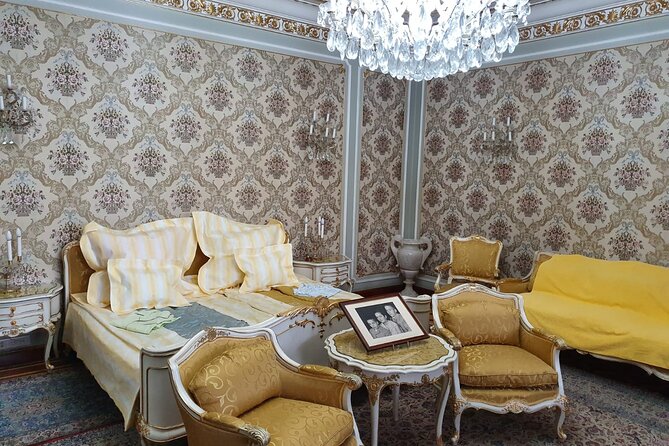
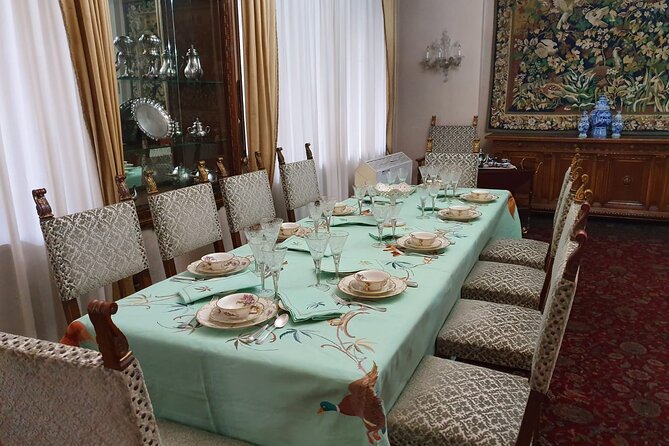
Ceaușescu’s Mansion is a strong follow-up to Revolution Square. The contrast is the point. If the revolution shows how quickly power can collapse, the mansion shows how much privacy power bought for the leaders who held it.
This stop covers the private residence of Nicolae and Elena Ceaușescu for a quarter of a century, from 1965 to 1989. The plan also names their children, Nicu, Zoia, and Valentin. Having those names in the mix matters because it turns the story from an abstract villain plot into a full family, living behind walls while the country lived with the consequences.
Time here is about 1 hour 30 minutes. That’s a meaningful window, especially because admission is not included. If you tend to skim museums, you may want to slow down here. The value is in noticing how a regime’s “private” decisions still shape the nation’s public reality.
Romanian Athenaeum finale: culture after the political storm
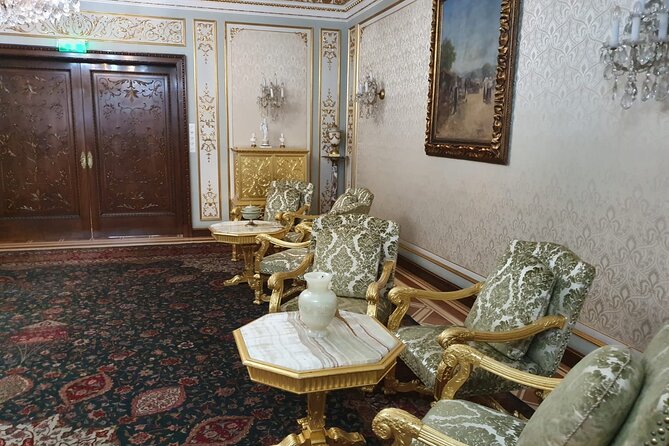
The day closes near the Romanian Athenaeum, one of Bucharest’s most representative culture symbols. It’s described as part of the European Heritage list, and it’s easy to see why. This is the kind of landmark that signals identity through art and architecture, not through ideology.
The timing helps, too. After palace power, revolution square, and Ceaușescu’s private residence, ending with music and culture gives your brain a place to land. It turns the day from a single-note history lesson into a more human story about what survives after political power falls.
This final leg is designed to be a memorable capstone. If you want a photo, this is where you’ll likely want it.
The plan lists this as a stop, but it doesn’t specify the exact time length here in the material. Still, it’s clearly part of the planned flow, so you should count on it being a meaningful end point.
How the day runs: pacing, transport, and what you control
You’ll be using a private car, a minibus or tourism vehicle, just for your group. That matters because it saves time and keeps stops efficient, especially with one outside-Bucharest trip to Snagov Monastery.
A licensed English speaking guide/driver stays with you throughout the tour. That means you’re not switching between different narrators. You also get flexibility, including changes to the daily itinerary even after the start of the tour. For a subject like communism, that flexibility can help if you want extra time at a specific site because a part of the story clicked for you.
Pickup is offered, and the tour uses a mobile ticket. There are group discounts too, which can make a private-day plan feel less intimidating price-wise if you’re traveling with others.
Car expenses are covered, including gasoline, parking, and road tolls. That’s a small detail, but it affects real-world value. You don’t have to do math every time the itinerary changes or when parking fees pop up.
Price and value: what $266.07 per person really buys
The price is listed at $266.07 per person for the private 8-hour experience. For a private day, that’s not a bargain level price, but it can still be a strong value depending on your group and your expectations.
Here’s what you’re paying for:
- Private transport only for you and your group
- A private, licensed English speaking guide/driver available throughout
- All car expenses and taxes handled
- Flexibility to adjust the itinerary during the day
What you’re not paying for:
- Entrance fees as per the itinerary, listed as 30 euro per person
- Food and drinks
So the real price depends on whether you’d otherwise spend money on a guide plus multiple admissions plus transport. If you want one focused day that hits major communist sites and also includes a meaningful cultural museum stop, this price can feel fair.
If you’re traveling solo, it may feel pricey, because private pricing always has that fixed-cost vibe. If you’re splitting with friends or family, it tends to get more compelling.
What to expect from the guiding style
A lot of what makes this kind of tour work is the guide’s tone. The details you’re given here are designed to help you understand why these places matter and how they fit together.
Based on repeated mentions, the guide experience is a big reason people rate the tour highly. One guide name that comes up often is Nicolas, and his style is described as personable, with music selection that adds atmosphere to the day. Another name you may encounter in the same service context is Razvan, praised for dedication and a competent approach that connects information to each place visited.
Even if your guide is different, the key is what the tour is built around: a narrated route that explains what you’re seeing, not just where it is.
Who this tour fits best, and who should consider alternatives
This tour is ideal if you want:
- A structured day that connects major communist landmarks in Bucharest
- A private guide to explain the why behind the monuments
- A balance of political sites and Romanian cultural life, especially through the National Village Museum
It’s also a good fit if you don’t want to spend your trip coordinating tickets and transit between too many stops.
It might be less ideal if you:
- Want a tour with no extra costs beyond the ticket price
- Prefer a slower pace with long museum wandering
- Only care about one topic and would rather focus purely on architecture or purely on revolution history
Quick practical tips before you book
Because entrance fees and food are not included, I’d plan your day budget before you go. The listed entrance fees are 30 euro per person, and you’ll also want to cover lunch and drinks on your own.
Wear comfortable shoes. This is a walking-and-transit day, with multiple stops clustered around major parts of Bucharest and one island trip outside the city. Bring your main questions about the communist era, so you can ask them during the car ride or at the sites.
Finally, take advantage of the flexibility. If you feel strongly about one part of the story, a private guide can help you spend the time where it matters most.
Should you book this Bucharest communism tour?
I’d book it if you want a single, private day that teaches you Bucharest through the lens of communism, without turning the trip into a museum slog. The itinerary is built around key power symbols, the revolution pivot, and then a cultural and legendary counterbalance with the National Village Museum and Snagov Monastery.
I’d pass or consider a different format if budget for admissions and your own meals sounds stressful. Also, if you want only Bucharest with no outside trip, Snagov is an unavoidable part of this specific plan.
If you’re the kind of person who likes your history explained where it happened, with a guide who can adapt and keep you moving, this is the kind of day that can stick with you long after you leave Bucharest.
FAQ
How long is the tour?
The tour lasts about 8 hours.
Is this a private tour?
Yes. It’s a private experience, and only your group participates.
Does the tour include pickup?
Pickup is offered.
Is the guide an English speaker?
Yes. You get a private, licensed English speaking guide/driver available throughout the tour.
What are the main stops included?
The tour includes the Palace of Parliament (People’s House), the Bucharest National Village Museum, Calea Victoriei (Victory Avenue), Revolution Square, Snagov Monastery, Ceaușescu Mansion, and the Romanian Athenaeum.
Are entrance fees included?
No. Entrance fees are not included, and the listed amount is 30 euro per person as per the itinerary.
Is food or drinks included?
No. Food and drinks are not included.
Is transportation included?
Yes. You get a private car (tourism vehicle or minibus) just for your group, and car expenses like gasoline, parking, and road tolls are included.
Does it use a mobile ticket?
Yes. It includes a mobile ticket.
Is cancellation free?
Free cancellation is available up to 24 hours in advance for a full refund. If you cancel less than 24 hours before the start time, the amount paid is not refunded.
Newest Bucharest write-ups
- Half Day Tour in Bucharest
★ 5.0 · 1 review - Private transfer to BRASOV
★ 5.0 · 1 review - Bucharest: Capture the most Photogenic Spots with a Local
★ 5.0 · 1 review - Bucharest Private Custom Walking Tour with Guide (Private Tour)
★ 5.0 · 1 review - Transfer Bucharest to Constanta / Mamaia
★ 5.0 · 1 review - Uncover Transylvania: Private 2-Day Tour Bears & Medieval Wonders
★ 5.0 · 1 review - Private Day Trip to Peles Palace, Dracula’s Castle and Brasov
★ 5.0 · 1 review
Communist-Era Tours, compared.

Parliament, Ceausescu House & Village Museum Tour
Read our review →
Bucharest Essential Tour: Old Town, Calea Victoriei & Communism
Read our review →
Communism in Bucharest – Landmarks, Museum & Communist Appetizers
Read our review →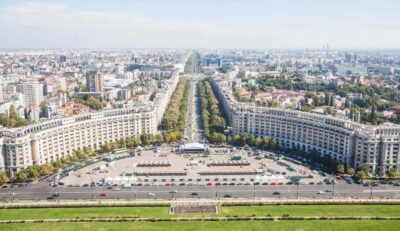
Palace of Parliament, Ceausescu House & Village Museum
Read our review →Browse the lists this tour appears in