
Reviewed · WALKING TOURS
Best of Bucharest: Private Walking Tour
Bucharest clicks into focus fast on foot. This private, 3-hour stroll is a smart way to understand how Bucharest thinks and moves through time, from everyday life to the big political moments. I especially like the mix of architecture and street-level storytelling, plus the stop at Stavropoleos Monastery, which is still active today. The other standout for me is the Old Town walk, where the city’s layers feel close enough to touch.
One possible drawback to plan for is the walking time, since it is a true half-day on your feet, and weather can change your comfort level fast.
In This Review
- Key things that make this tour worth your time
- Starting at Romanian Athenaeum, where the story gets its rhythm
- Revolution Square: seeing the headline, then understanding the why
- Calea Victoriei and Victory Avenue energy, the city’s grand spine
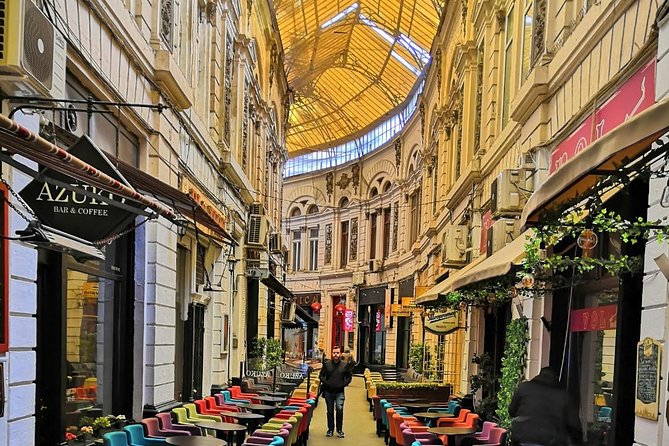
- Old Town stroll: Lipscani area atmosphere and the “why” behind the corners
- Stavropoleos Monastery: a historic convent still active today
- Where the tour ends: finishing near Lipscani
- How private grouping changes the experience (and the value)
- Guide quality is the real upgrade here
- Pacing: what 3 hours feels like when it is structured well
- What you will learn, and how it helps once you are exploring on your own
- Who this tour is best for
- Price and logistics, the practical part
- Should you book this private Bucharest walk?
Key things that make this tour worth your time
- Romanian Athenaeum as the orientation point, with a short guided intro that sets the tone for the rest of the center
- Revolution Square context, explained clearly so you understand why this place matters beyond photos
- Calea Victoriei on foot, including the “Victory Avenue” feel and why it is Bucharest’s oldest boulevard
- Old Town time on the ground, with enough pacing to actually look, ask questions, and connect the dots
- A real working monastery visit, Stavropoleos, not just a stop for sightseeing
- Private-group flexibility, so your guide can tailor answers and keep the pace comfortable
More Guided Walks in Bucharest
- Bucharest: City Highlights Guided Walking Tour★ 4.9 · 1,482 reviews
- Bucharest: Communism and History Guided City Walking Tour★ 4.9 · 918 reviews
- Bucharest Highlights Walking Tour★ 5.0 · 469 reviews
- Bucharest: Hidden Markets Walking Tour with Tastings★ 4.9 · 329 reviews
Starting at Romanian Athenaeum, where the story gets its rhythm
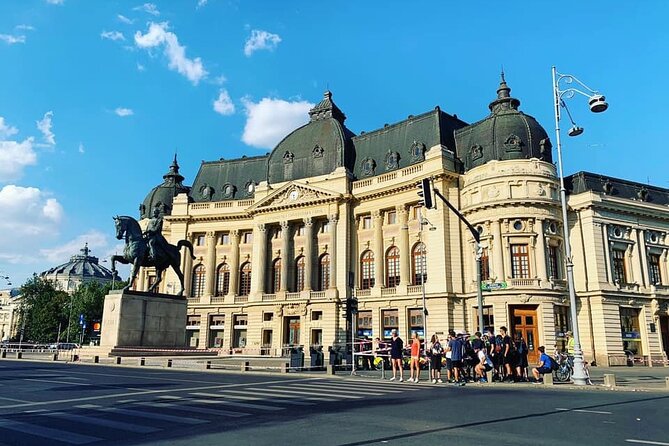
Most city walks start in a random plaza. This one starts in front of the Romanian Athenaeum, near the columns, on Benjamin Franklin Street (numbers 1 to 3). Even if you only catch a quick view, the atmosphere signals you are in the cultural heart of Bucharest, not a side street scene.
The guide gives you a short, focused intro before you move out into the city. I like this approach because it gives you a mental map fast, so the rest of the walk feels connected instead of like a checklist.
Revolution Square: seeing the headline, then understanding the why
Revolution Square is a place you can recognize instantly, but it is the explanation that makes it stick. You get a guided stop that helps you place what happened here in Romania’s larger story, and you will hear it in a way that connects the past to how people live now.
This is where the tour’s “behind the scenes” style really matters. The guide is not only naming events, they are helping you understand why the city’s memory still shows up in public spaces and everyday conversations.
If you are the type who likes to ask questions, this stop is built for that. It also helps you avoid the common problem of visiting major squares and leaving with only vague impressions.
Calea Victoriei and Victory Avenue energy, the city’s grand spine
From Revolution Square, you continue to Calea Victoriei, Bucharest’s oldest boulevard. Expect a guided walk that lasts long enough to slow down, notice details, and absorb why this street earned its big-city reputation.
This area is also where you start to feel Bucharest’s blend of influences. You get the sense of Byzantine and Turkish influence sitting alongside later layers like French, Romanian, and Art Deco architecture. That mix is part of why Bucharest feels different from many European capitals, and a guide helps you read the streets instead of just passing them.
A practical note: boulevard walking can mean more open space and more exposure. Bring water if the day is warm, and plan for wind if it is cool.
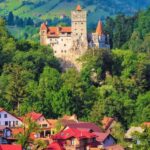
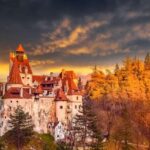
Different day out, same corner of Romania:

Old Town stroll: Lipscani area atmosphere and the “why” behind the corners
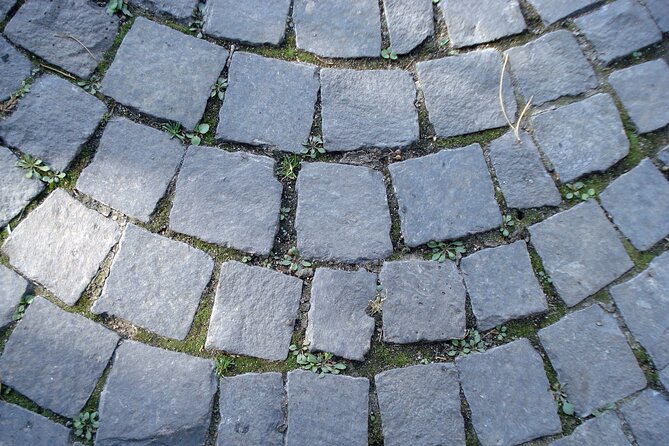
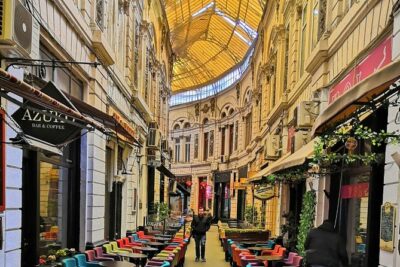
You then shift into the Old Town zone for about one and a half hours of guided time, with a short break built in. This is the part that feels most like you are walking through a living neighborhood rather than a museum corridor.
The guide helps you make sense of Bucharest’s “now and then” feeling, where communist-era traces sit next to older charm and newer street life. I like that the tour does not treat the Old Town as only pretty streets and photos. Instead, you get context for how the city’s past shaped what people see and prioritize today.
This is also the stage for the lively stuff you came for: stories that explain daily life in Romania, and the way people think about their past and future. If you have questions about culture, values, or what to expect once you are out exploring on your own, this section is the right time to ask.
Stavropoleos Monastery: a historic convent still active today
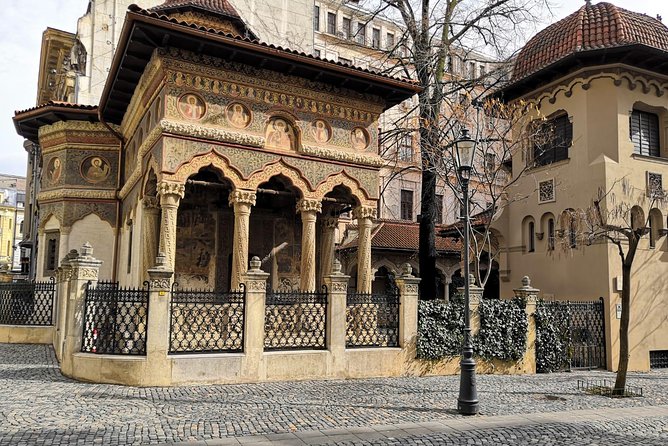
Stavropoleos Monastery is one of the most meaningful stops on this kind of walk, because it is still active. You spend about ten minutes visiting, which is long enough to experience the atmosphere and understand why it matters beyond architecture.
What makes this stop especially good on a half-day schedule is the contrast. After big public spaces and major streets, you get something quieter and more grounded. The guide’s explanation connects the monastery to the broader cultural influences you have heard about during the walk, including the Byzantine and Turkish threads that help define Bucharest’s look and feel.
If you like places where history is not just staged, this is the moment you remember most. Dress appropriately for a monastery setting, and keep your time calm and respectful.
Where the tour ends: finishing near Lipscani

The tour concludes at Strada Lipscani 33 in Bucharest. Finishing in the Old Town area is smart because it turns your guided time into an easy next step. You are already in the neighborhood where you can keep exploring right away, whether you want a casual drink, a proper meal, or just more wandering.
That ending spot also makes the tour feel like a full loop concept, not a one-way delivery. It is the kind of practical finish that saves you from immediately trying to figure out how to get somewhere else.
How private grouping changes the experience (and the value)
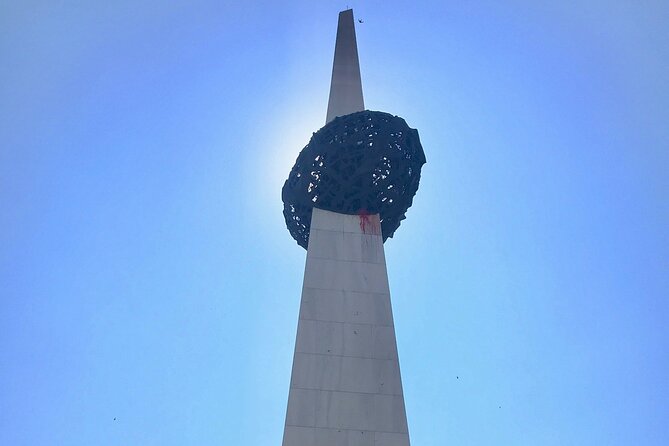
This is a private walking tour for a group of up to two, and that matters. A private guide can slow down when you want details, speed up when you are eager to keep moving, and adjust the tone when you want more history or more local-life context.
The price is listed as $275 per group up to 2 for the full 3-hour tour. That can sound steep if you are thinking per person, but the math changes quickly if you have two people. At two spots, it is $137.50 per person. If you are solo, it is $275 for your one spot, which is a bigger commitment.
I treat tours like this as a “buy clarity” experience. You are paying for a licensed guide, a tight walking route, and a human who can answer questions in real time, not just show you where to stand. If you want that kind of direct help, this format often feels worth it.
Guide quality is the real upgrade here
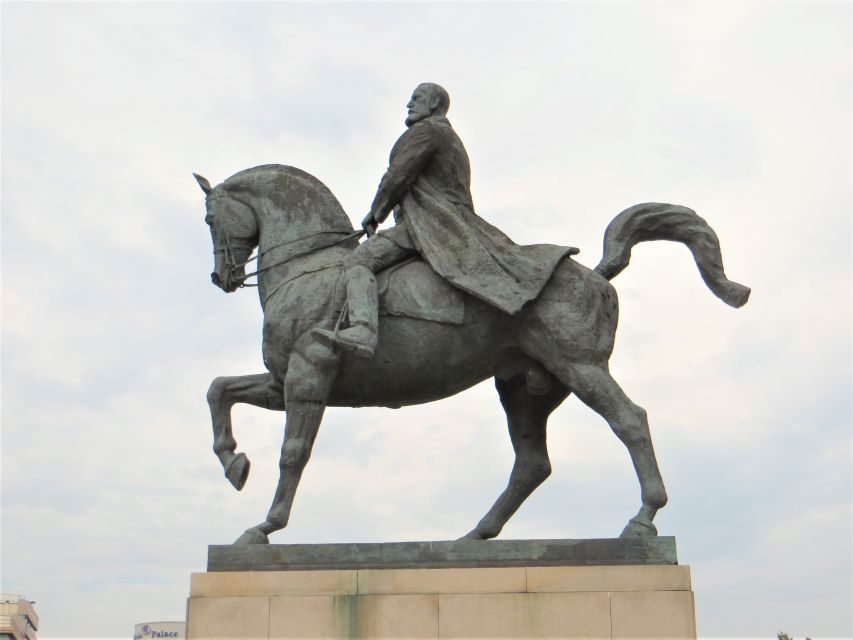
The tour leans heavily on storytelling, and the guide is the engine behind that. In the experiences I read, guides such as Ana, Razvan, Daniela, and Aurelia were highlighted for strong communication, clear English, and deep passion for explaining Bucharest.
That shows up in the way the tour answers your curiosity. Instead of only facts, you get context that helps you understand how Romanians live now and how they relate to their past. I also like that the guide approach seems practical, not just academic, with local recommendations and advice that helps you keep moving through the city after the walk.
One theme that comes through is support beyond the walking time. The operator, When in Bucharest, is described as responsive before and after, including restaurant ideas, local customs, tipping etiquette, weather updates, and even help coordinating a birthday cake for a group. If you value that kind of human-level care, it can make your whole trip smoother.
Pacing: what 3 hours feels like when it is structured well
The total duration is 3 hours, and that is enough time to hit major center highlights without burning your whole day. The walk includes several guided segments plus a short break during the Old Town portion, so it is not a nonstop march.
What I like about this pacing is that it keeps the tour from feeling rushed at every stop. You get structured time at places like the Romanian Athenaeum and Revolution Square, then more open, longer time in the Old Town where you can actually take in street life.
Comfort still matters. You should plan on walking steadily and bring comfortable shoes, since the tour is designed around being on foot.
What you will learn, and how it helps once you are exploring on your own
A good walking tour does two things: it shows you places and it teaches you how to notice. This one focuses on landmarks and local history, but it also aims at understanding culture and mindset.
You will hear about influences tied to Byzantine and Turkish history, then see how communist heritage sits beside French, Romanian, and Art Deco architecture. You will also get guided help connecting those influences to the way Bucharest feels today.
That kind of framework is useful. Once you understand why buildings and neighborhoods look the way they do, you can explore after the tour with better instincts. You will know what to look for, what to ask about, and which streets match the mood you want.
Who this tour is best for
This tour makes the most sense if you want a guided “center of gravity” introduction. I think it is especially good for first-time visitors who want to stop guessing and start understanding.
It is also a great fit for couples and small groups who like walking but do not want to plan a route themselves. If you enjoy conversation and you like context over trivia, a private guide format suits you well.
If you are traveling with kids, it depends on how long your group tolerates walking, since it is still a structured 3-hour walk with multiple stops. For seniors or anyone with mobility limits, you would want to consider your comfort with sustained walking, because the plan is clearly outdoors and on foot.
Price and logistics, the practical part
At $275 per group up to 2, this is priced as a private experience rather than a mass-market city tour. In return, you get a licensed guide, local recommendations for your stay, and a route that focuses on major center sites plus the Old Town and Stavropoleos Monastery.
You should also factor in one small thing: the tour includes sightseeing and guidance, but an optional coffee break is not included. That is easy to manage, just bring a little flexibility into your schedule.
If you want a tour that helps you decide where to go next, this one is built for that. You will finish in the Old Town area, and you are likely to leave with enough local pointers to keep your evening from turning into random searching.
Should you book this private Bucharest walk?
Book it if you want a clear, guided introduction to Bucharest’s center without wasting time. This tour is a strong choice when you care about real context, like how history connects to how people live now, and when you want a guide who can answer questions in a human way.
Skip or reconsider if your day is limited and you only want museum-style stops, or if you are not comfortable with 3 hours of walking. Also keep in mind that a half-day outdoors can feel longer if weather turns.
If you are deciding between doing Bucharest on your own and hiring a guide for a focused half-day, this private format often wins. It helps you get your bearings fast, then gives you the confidence to explore the rest of the city with better instincts.
Newest Bucharest write-ups
- Private transfer to BRASOV
★ 5.0 · 1 review - Half Day Tour in Bucharest
★ 5.0 · 1 review - Bucharest: Capture the most Photogenic Spots with a Local
★ 5.0 · 1 review - Bucharest Private Custom Walking Tour with Guide (Private Tour)
★ 5.0 · 1 review - Uncover Transylvania: Private 2-Day Tour Bears & Medieval Wonders
★ 5.0 · 1 review - Transfer Bucharest to Constanta / Mamaia
★ 5.0 · 1 review - Private Day Trip to Peles Palace, Dracula’s Castle and Brasov
★ 5.0 · 1 review
Walking Tours, compared.




Ghost Stories & Romanian Mythology Walking Tour
Read our review →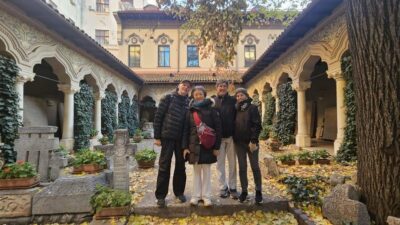
Browse the lists this tour appears in