
Reviewed · COMMUNIST-ERA TOURS
Bucharest Communism: From Lenin to Ceausescu
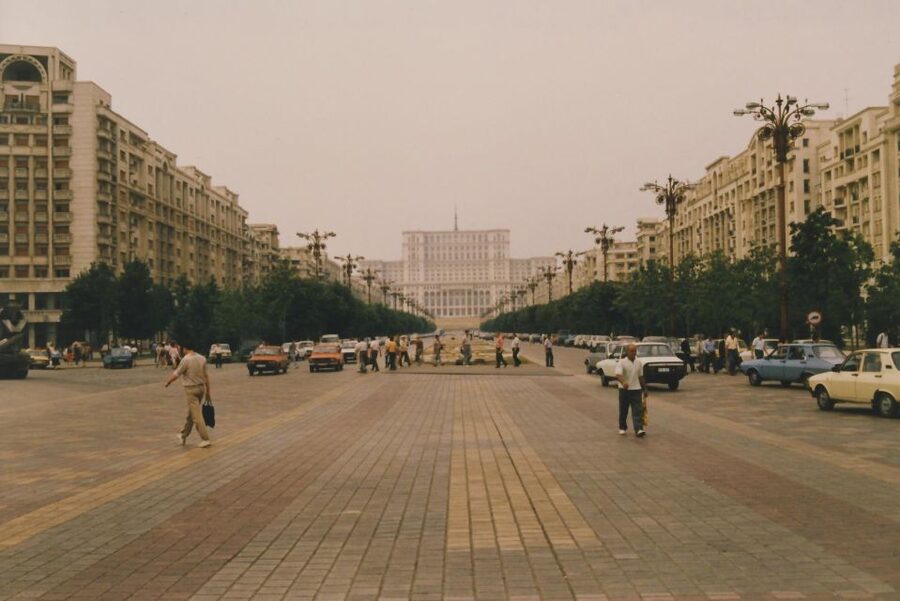
Communism in Bucharest is written on every street. On this 2.5-hour walk from Bulevardul Unirii to the Palace of the Parliament, I like how the big ideas stay grounded in real city details, and you get clear, sometimes funny guidance from start to finish. One consideration, the story turns grim, with prisons, oppression, and an execution at the end, so it is not a lighthearted stroll.
By the time you reach Revolution Square, the fall of Ceaușescu feels like a chain of causes you can actually follow, not a distant headline. The route also mixes communist-era power spots with older Bucharest landmarks, so you get a sharper sense of what changed and what stayed.
In This Review
- Key points to know before you go
- Starting at Bulevardul Unirii 5, the Socialist Victory corridor
- Palace of the Parliament, the megalomaniac centerpiece
- Antim Monastery, Patriarchal Cathedral, and the contrast with communist power
- Piața Unirii, Bucharest fountains, and squares you can navigate again later
- Old Town, University Square, the Royal Palace, and the Athenaeum as a timeline
- Revolution Square: the revolution, the trial, and Ceaușescu’s execution
- The darker details that make the story click
- Price and value for $23 in 2.5 hours
- Should you book the Bucharest Communism tour?
- FAQ
- How long is the Bucharest Communism: From Lenin to Ceausescu tour?
- What is the price?
- Where do I meet, and where does the tour end?
- What languages are offered?
- What is included in the price?
- Are food, drinks, or entrance tickets included?
- Is there free cancellation?
Key points to know before you go
- The Palace of the Parliament is the second largest administrative building in the world, and it is hard to see it as anything but a political statement.
- A city was physically erased: the demolition of three neighborhoods and about 40,000 households shows how control can be literal.
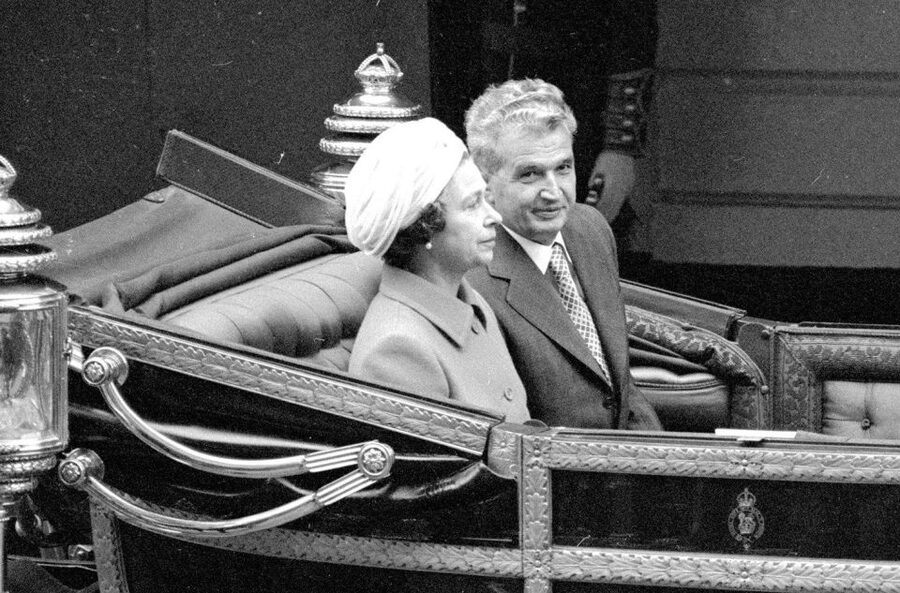
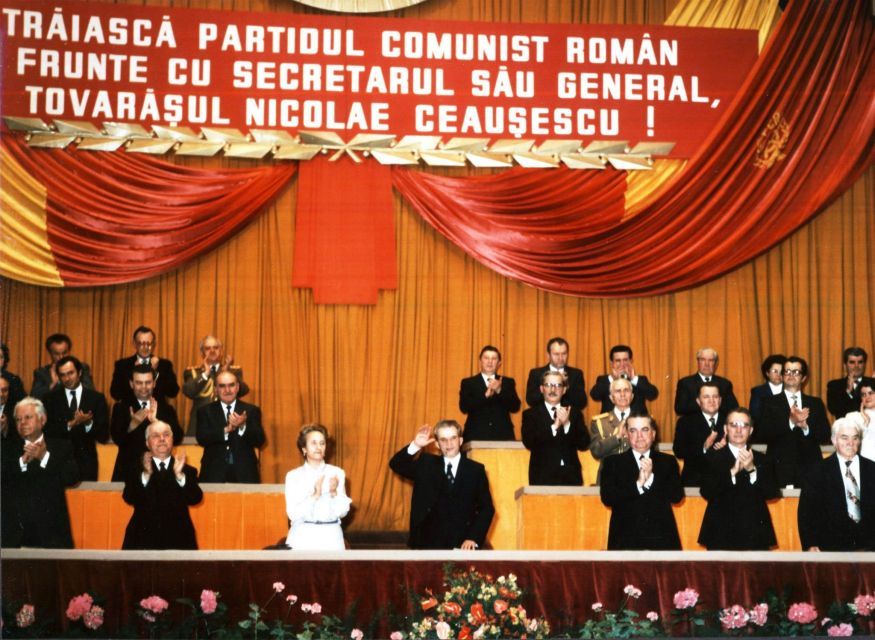
- Ceaușescu’s rise and grip get spelled out with a rough life timeline, including schooling, prison time, and decades of dictatorship.
- Life under the system is made specific, including rationing numbers like cheese, eggs, and meat, plus a daily calorie target.
- The finale is the Revolution Square story, covering the revolution, the trial, and the execution.
- The guiding style matters: guides such as Horia and Alex are described as friendly, humorous, and able to answer questions in plain language.
More of communist-era Bucharest:
- Bucharest: Communism and History Guided City Walking Tour★ 4.9 · 918 reviews
- The Real tour of Communism★ 5.0 · 666 reviews
- Life under Communism★ 5.0 · 358 reviews
- 3-Hour Guided Tour of Communist Bucharest★ 4.9 · 303 reviews
Starting at Bulevardul Unirii 5, the Socialist Victory corridor
This tour starts in an area that was built to broadcast power. When you meet at Bulevardul Unirii 5, near the Coffee shop Constitutiei, you are already in the visual language of state projects: broad boulevards, formal spacing, and monuments meant to impress at a distance. That matters because the whole tour works best if you let the streets do some of the teaching.
I like that it moves in a logical “before, during, after” arc rather than jumping from one random site to another. Your guide sets the stage with the ideology behind the regime, including the intellectual roots often linked to Hegel, Marx, and Engels, then connects that to how communist rule took hold in Romania. From there, you shift from theory to the mechanics of control.
One practical note: the route includes multiple short walks between stops, so wear comfortable shoes. Even though it is not a long trek, you will be on your feet more than you might expect from a “city tour” title. If you are sensitive to heavy themes, remind yourself that this is history with real suffering at the center.
Palace of the Parliament, the megalomaniac centerpiece
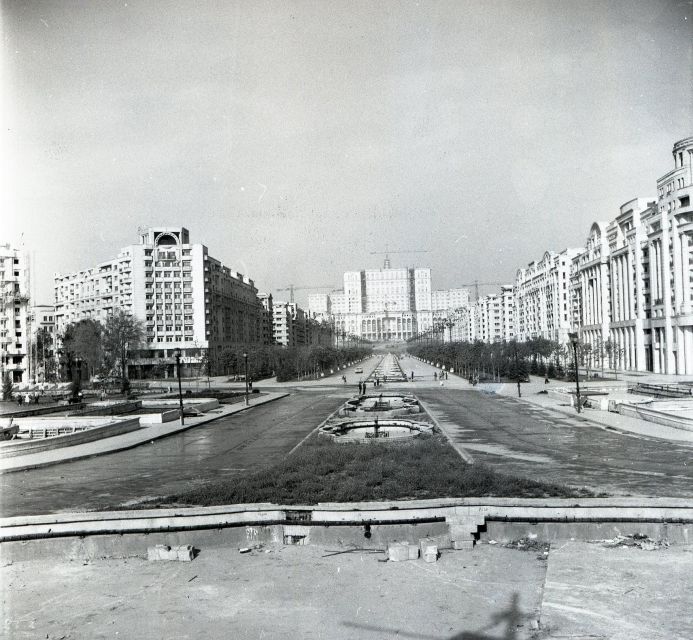
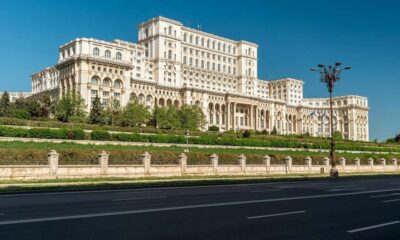
The tour’s first major stop is the Palace of the Parliament, tied to the Chamber of Deputies Palace. Even if you have seen photos, walking near it changes the scale. This building is described as the second largest administrative building in the world, and it reads like a monument meant to outsize both people and politics.
Here is what you should pay attention to while you are there. Your guide does not treat the building as pure architecture. The key idea is how power gets made visible. In communist Romania, the state did not just govern, it remodeled the physical city to match its vision. You learn that this building anchors the “last megalomaniac communist project,” so every detail you see becomes part of a message.
And you get a brutal reminder of what that message cost. The tour highlights the demolition of three neighborhoods and around 40,000 households. Standing near a grand political structure while hearing that number in a normal guided voice is unsettling in a useful way. It helps you grasp how public works can be a form of social control, not just construction.
What I find smart here is pacing. You get a guided tour inside and a chance to sightsee without trying to do everything in one overwhelm. If you like asking questions, this is a good time to do it, because the guide usually has clean answers about how the regime worked and why it invested in symbols like this.
Antim Monastery, Patriarchal Cathedral, and the contrast with communist power
After the megablock energy of the Parliament, you move to places that feel older and more human scale: the Antim Monastery and the Patriarchal Cathedral. The itinerary gives you guided visits and short walks, but the deeper value is contrast.
Communist rule in Romania tried to shape society from the top down, and your guide frames this as control over both ideas and daily life. When you pause at religious sites right after the palace, it makes the theme more concrete. You begin to feel how regimes compete for meaning: who gets to define history, morality, and identity.
Even with only a short stop, you can still do a quick personal check-in. As you look around, ask yourself what kind of power is on display here, faith-based continuity, community memory, or state-imposed ideology. The tour nudges you to think that way.
One possible drawback is time. Visits at these stops are brief, so do not expect a long, slow exploration of the details. If you want museum-style depth for monasteries or cathedrals, plan to come back on your own later. Still, as part of a single narrative walk about communism’s impact, these stops do their job well.
Other Bucharest days worth the drive
Piața Unirii, Bucharest fountains, and squares you can navigate again later
The route then swings through the heart of daily Bucharest: Bucharest fountains, Piața Unirii, and the surrounding urban rhythm. It sounds simple, but these are important because squares are where governments perform and where people live with the consequences.
At Piața Unirii, you get a guided stop and a short sightseeing walk. Your guide uses this space to connect how the society shaped before communist rule and how communist ruling changed the tone of public life. This is where you start to notice that Bucharest did not freeze in time, it shifted direction, and you can trace that shift in the layout and the monuments.
I also like that this part of the tour helps you get your bearings for the rest of your trip. After these central stops, the city becomes easier to read. You can later look at the boulevard lines and square placements and understand why they feel purposeful.
One consideration: this is also where the tour can feel like “more history in the open.” If you are the type who prefers indoor storytelling, the outdoor stops might feel a little short or condensed. The upside is you get air, and your guide can point out what you might miss if you were sightseeing alone.
Old Town, University Square, the Royal Palace, and the Athenaeum as a timeline
Next come several iconic landmarks: Old Town Bucharest, University Square, the Royal Palace of Bucharest, and the Romanian Athenaeum. The itinerary keeps most of these as short guided looks, with walking segments between.
The value is the timeline effect. You are not just bouncing between famous buildings. You are seeing how power, culture, and public life sit next to each other in the same city. Your guide uses these stops to show how the regime’s worldview collided with existing institutions and how the state tried to control what people valued.
If you are a curious traveler, this section is a good place to ask practical questions. For example: how did propaganda fit around cultural centers, and what did ordinary life look like when the political story became constant? The guides described for this tour, like Horia and Alex, are noted for being question-friendly and able to explain complicated ideas in plain terms.
A quick heads-up: because the stops are short, you may want to pick one or two landmarks that you care about most and remember their location. Then you can plan a longer self-guided return. The tour gives you the map and the meaning, not a full day of museum depth.
Revolution Square: the revolution, the trial, and Ceaușescu’s execution
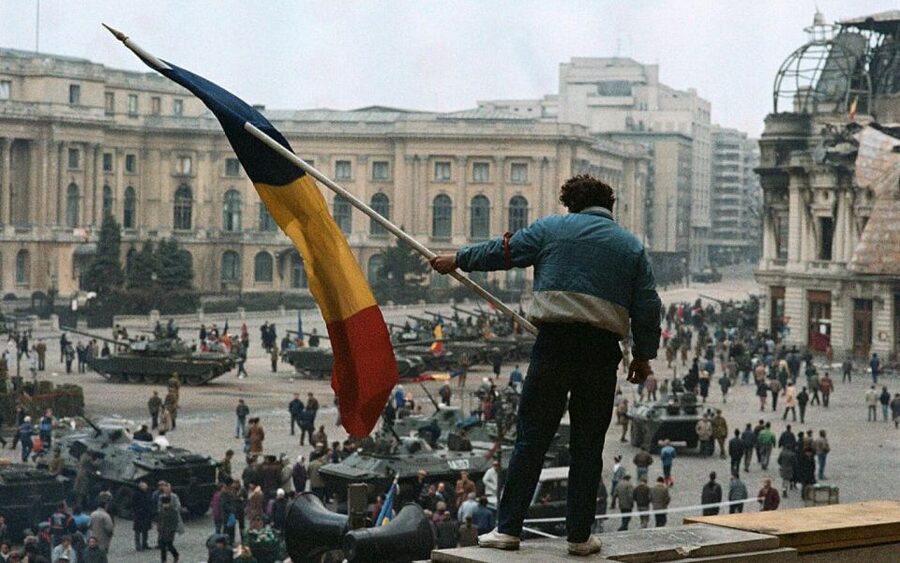
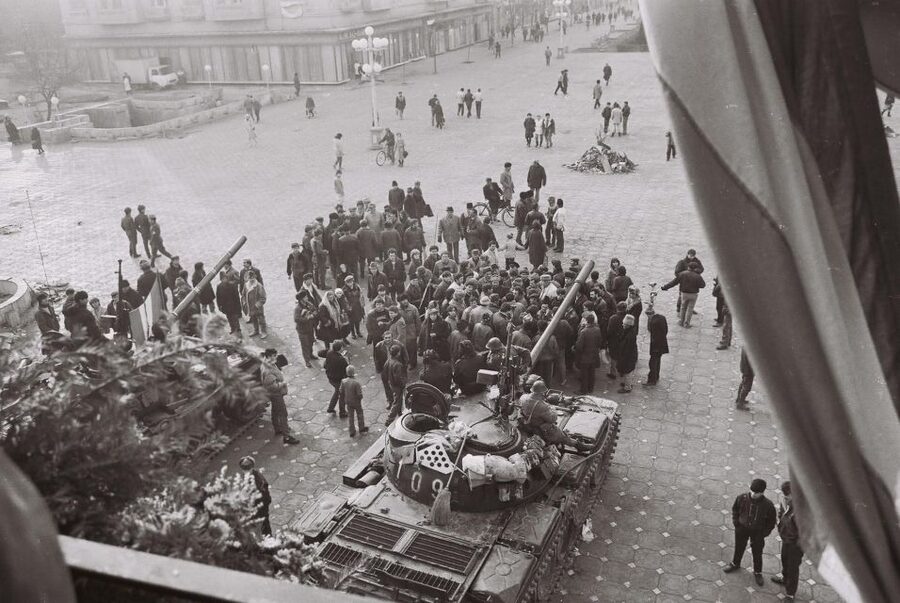
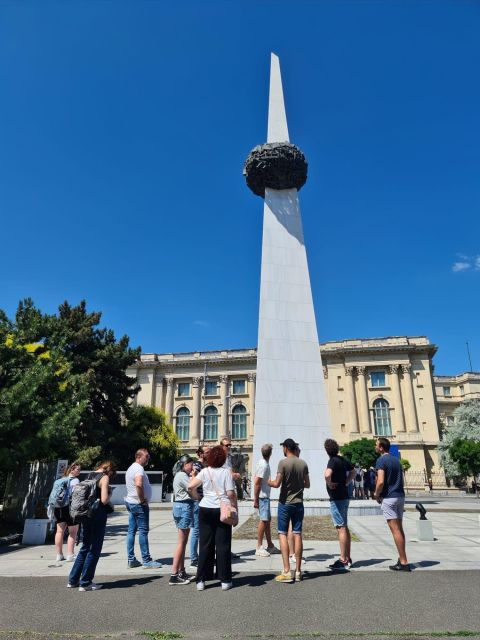
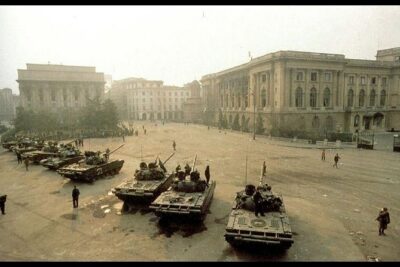
The last stop is Revolution Square, and it is the emotional punch of the whole tour. You get a guided visit and about 20 minutes here, which is a fair amount for a topic that can easily run long.
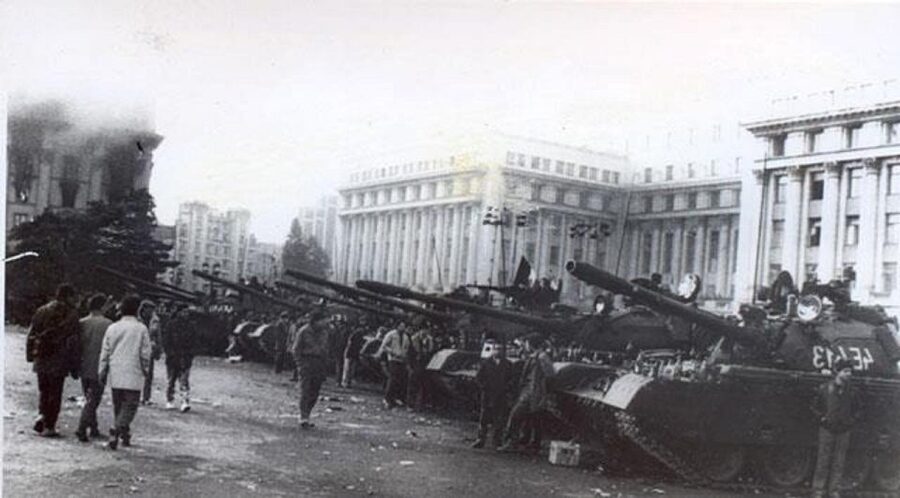
The tour connects the end of Ceaușescu’s regime to what happened in the square: the revolution, the trial, and his execution, including the idea of a group of agitators plotting the end of the regime. By this point, the earlier parts of the walk should help the ending make sense. You have learned what the regime demanded from people, how it used oppression, and how it tried to reshape the city itself.
I like that this is not treated like a ghost story. It is presented as cause and effect, with the events you hear about anchored to where you are standing. That physical connection is what makes this feel like more than reading a timeline.
If you prefer a fast-paced tour, you might still find the ending heavy but worth it, because the story is tied to the city in a concrete way. If you want something purely celebratory, you will likely prefer a different Bucharest walk.
The darker details that make the story click
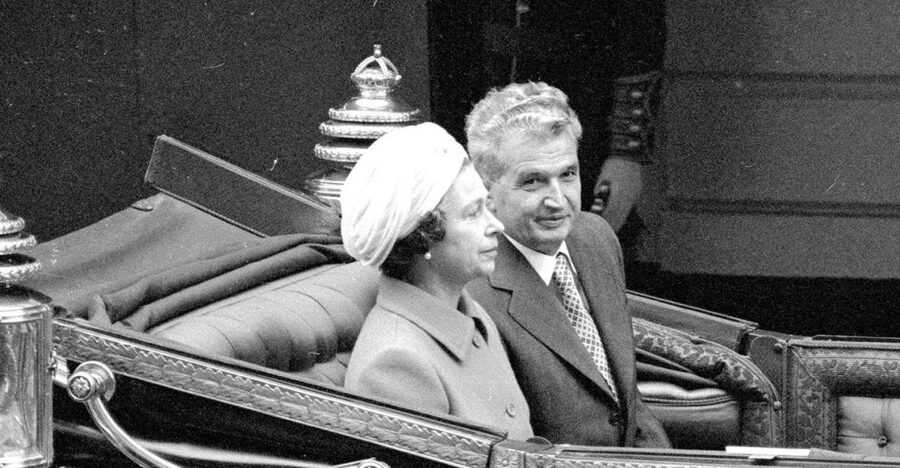
This tour gets very specific about oppression and daily life, and that is where the experience becomes more than sightseeing. You learn that Ceaușescu’s background included only 4 classes of schooling, then 6 years in prison, and eventually a 25-year dictatorship. It is a stark arc, and it helps you understand how a regime can start from small origins and end in total control.
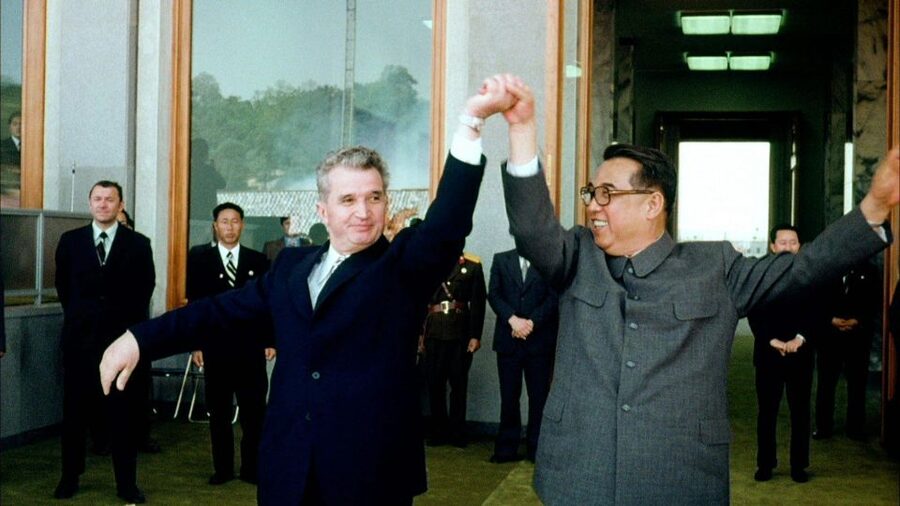
You also learn that his rule in Romania is described as especially oppressive in the Eastern Bloc, compared to the Kim dynasty in North Korea. The tour uses that comparison to underline the personal nature of power, and how people’s lives could feel trapped inside a single leader’s orbit.
Food rationing is another highlight, with numbers that bring the reality into focus: a target of 2000 calories per day, with rations including 500 g of cheese, 10 eggs, and 1.5 kg of meat per month. Those figures do not tell you everything, but they do make the system tangible. You start thinking about shortages, substitutions, and the constant low-level stress of planning meals under rules you cannot influence.
The tour also mentions the secret police, so the theme of fear is present throughout. Even if you do not love political history, those details help you understand why public spaces, monuments, and official narratives mattered so much.
And then there is the demolition story again, the neighborhoods erased for the grand project. That connects the oppression inside people to the visible changes around them. When you can link policy to an address, the lesson lands.
Price and value for $23 in 2.5 hours
At $23 per person for a 2.5-hour guided walk, you are paying for context and interpretation more than for museum entry. The big sites on the route include guided visits and sightseeing segments, but entrance tickets are not listed as included, and food and drinks are not included either.
So what is the value? You get a focused story arc, from ideological roots to Ceaușescu’s rise and fall, with the physical city acting like your textbook. If you try to assemble this alone, you would spend time figuring out where to start, what to connect, and how to keep the narrative coherent. This tour gives you that structure while you are walking.
I’d also factor in your guide quality. With strong guides, like those described as Horia or Alex, you get humor used as a tool for clarity, not as a way to soften the topic. The ability to answer questions and keep you engaged for the full time is part of what you are paying for, even when the stops are short.
Should you book the Bucharest Communism tour?
Book it if you want a Bucharest experience that goes beyond buildings and selfies. You will see the Palace of the Parliament, get connected to Romania’s communist timeline, and end at Revolution Square with the revolution story tied to place.
Skip it or choose a different style if you want light city sightseeing or if you dislike heavy topics like political oppression and executions. This tour is built to explain how power worked, and it does not pretend that history is tidy.
FAQ
How long is the Bucharest Communism: From Lenin to Ceausescu tour?
It lasts 2.5 hours.
What is the price?
The price is $23 per person.
Where do I meet, and where does the tour end?
Meet at Bulevardul Unirii 5, next to the Coffee shop Constitutiei. The tour finishes at Revolution Square.
What languages are offered?
The live guide speaks English and Romanian.
What is included in the price?
You get a local guide.
Are food, drinks, or entrance tickets included?
No. Food and drinks are not included, and entrance tickets are also not included.
Is there free cancellation?
Yes. You can cancel up to 24 hours in advance for a full refund.
Newest Bucharest write-ups
- Half Day Tour in Bucharest
★ 5.0 · 1 review - Private transfer to BRASOV
★ 5.0 · 1 review - Bucharest Private Custom Walking Tour with Guide (Private Tour)
★ 5.0 · 1 review - Bucharest: Capture the most Photogenic Spots with a Local
★ 5.0 · 1 review - Uncover Transylvania: Private 2-Day Tour Bears & Medieval Wonders
★ 5.0 · 1 review - Transfer Bucharest to Constanta / Mamaia
★ 5.0 · 1 review - Private Day Trip to Peles Palace, Dracula’s Castle and Brasov
★ 5.0 · 1 review
Communist-Era Tours, compared.

Parliament, Ceausescu House & Village Museum Tour
Read our review →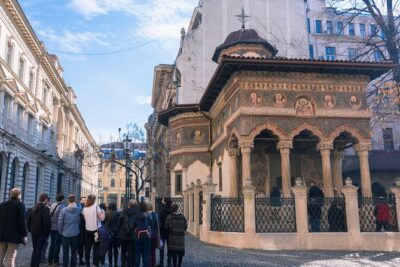
Bucharest Essential Tour: Old Town, Calea Victoriei & Communism
Read our review →
Communism in Bucharest – Landmarks, Museum & Communist Appetizers
Read our review →
Palace of Parliament, Ceausescu House & Village Museum
Read our review →Browse the lists this tour appears in