
Reviewed · COMMUNIST-ERA TOURS
Bucharest : Parliament, Village Museum & Ceaușescu Mansion
Bucharest power and everyday life collide in 6 hours. You start with the Palace of Parliament inside access and marble-and-gold rooms, then shift to the Dimitrie Gusti Village Museum for buildings moved from across rural Romania. My only caution: entry is ID-dependent, and Palace tickets are not guaranteed, so you might end up with an exterior panorama.
What makes this work is the pacing and logistics. You get air-conditioned minivan transfers, central pickup and drop-offs, and a professional guide who ties the communist-era story together with what came before and what people kept after. If you’re going on a Monday, the Ceaușescu Mansion is closed, which changes the final stop.
In This Review
- Key highlights worth your attention
- A 6-hour route that teaches Bucharest, fast
- Walking into the Palace of Parliament: marble, ceremony, and scale
- ID checks and the exterior panorama Plan B
- Dimitrie Gusti National Village Museum in Herastrau Park
- Ceaușescu Mansion at Primăverii: luxury with a chilling angle
- How transfers and photo stops keep the day manageable
- Guides make or break it: Gabriel and Radu as proof of the concept
- Who this tour suits, and who should rethink it
- Value check: what’s included, what you’ll pay extra, and why it still adds up
- Should you book it?
- FAQ
- Do I need a valid ID for this tour?
- How long is the tour?
- Are entrance tickets included in the tour price?
- Can the tour help with tickets in advance?
- What happens if Palace of Parliament entry tickets cannot be guaranteed?
- Is the Ceaușescu Mansion open every day?
- Where are the pickup and drop-off points?
- What languages is the guided tour offered in?
- What should I bring?
- Is flash photography allowed inside the sites?
Key highlights worth your attention
- Palace of Parliament inside visit (or exterior panorama if tickets cannot be guaranteed), with a guide explaining the building and its purpose
- Herastrau Park open-air Village Museum, where houses, churches, and windmills show how rural Romania lived and built
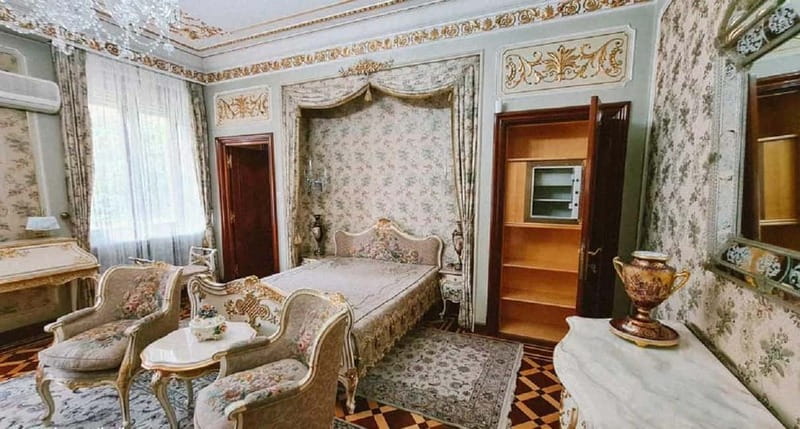
- Ceaușescu Mansion at Primăverii, including its famously lavish interiors like gold-plated bathrooms and large chandeliers
- Professional guide in English, Italian, or Spanish, with strong storytelling that makes rooms and objects feel connected
- Central pickup and drop-off plus transfers in an air-conditioned minivan, keeping the day efficient
Other ways into the Parliament building:
- Bucharest: Palace of Parliament Tickets and Guide★ 4.3 · 3,182 reviews
- Bucharest: Palace of Parliament Tickets and Guided Tour★ 4.4 · 1,877 reviews
- Bucharest: Parliament Palace Skip-the-line Ticket★ 4.2 · 1,518 reviews
- Palace of Parliament in Bucharest – fast-track tickets and guide★ 4.0 · 450 reviews
A 6-hour route that teaches Bucharest, fast
This tour is designed for people who want more than photos. In one half-day you’ll see three different “answers” to the same question: what happens when power becomes architecture, when culture becomes preservation, and when a regime becomes personal comfort.
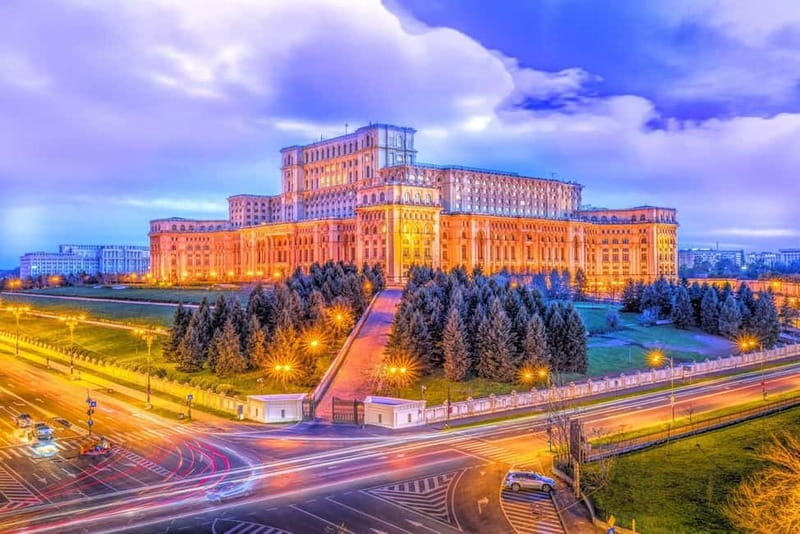
You’ll start at the Palace of Parliament, the huge administrative showpiece associated with Nicolae Ceaușescu. Then you’ll switch gears to the Dimitrie Gusti National Village Museum in Herastrau Park, where the focus is everyday life, regional building styles, and how communities shaped their homes and places of worship. Finally, you’ll visit the Ceaușescu Mansion in the Primăverii neighborhood, a preserved private residence that makes the communist-era story feel uncomfortably close to home.
The big “feel” of the day is contrast. You move from marble-and-gold ceremonial spaces to quiet grounds with transplanted village structures, then back to luxury and control behind the doors of a dictator’s home. If you like history but also want it to come with context you can actually use, this structure is a good fit.
Walking into the Palace of Parliament: marble, ceremony, and scale
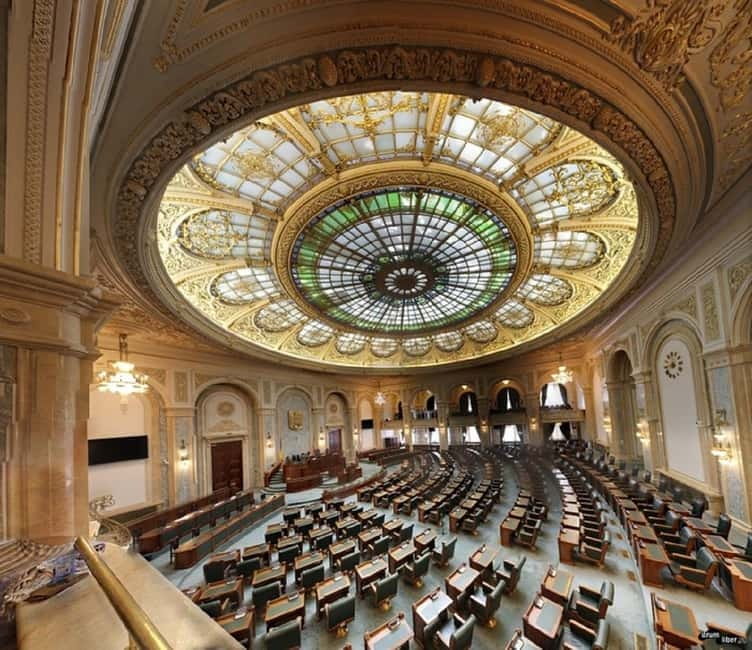
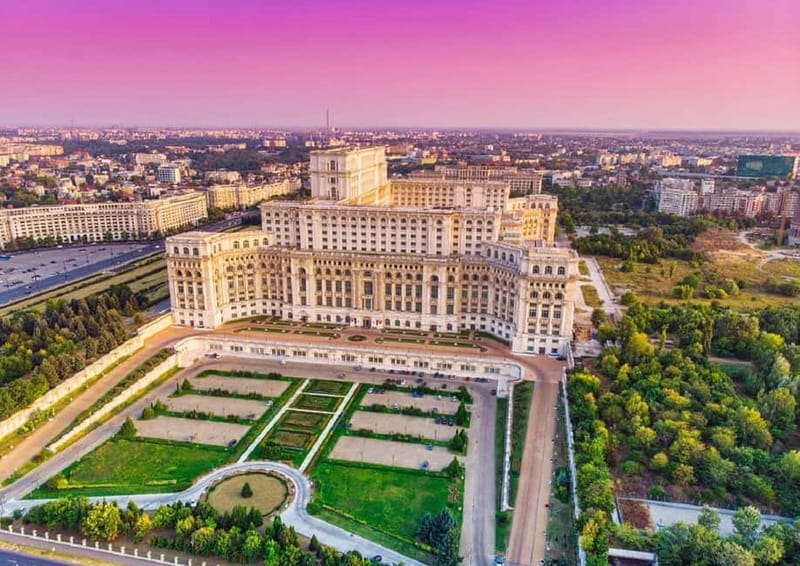
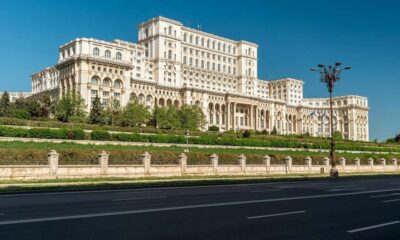
The Palace of Parliament is the star because it’s not just a landmark, it’s a statement. This is the largest administrative building in Europe, built under Nicolae Ceaușescu’s leadership, and the inside tour leans hard into that idea of ambition and power. Expect grand halls with marble, gold, and crystal details, plus a guided walk through key spaces.
Your guide will point out the kinds of rooms you’ll remember: vast conference spaces, ceremonial halls, and a grand balcony that overlooks the city. It helps when you listen for cause and effect, because the building reads like a political tool. The sheer scale and the materials are the message, and the guide’s job is to translate the symbolism into plain language.
One practical note: this stop is photo-friendly. You’ll have a photo stop at the site, so you can grab your first wide shots before you settle into the guided portion. You’ll also want comfortable shoes, because the interior can involve enough walking to make casual footwear feel like a mistake.
ID checks and the exterior panorama Plan B
The Palace of Parliament has one non-negotiable rule: you need a valid ID for entry. If your ID doesn’t work, or you forget it, your day can change fast.
Even if everything is in order, the tour also warns that entrance tickets cannot be guaranteed at the Palace of Parliament. If that happens, you’ll still see the site, just in a different way, with an exterior panorama visit instead of the full inside experience.
That’s the main “trade-off” with any high-demand attraction. The good news is you’re not left empty-handed. You still get the context from your guide, so even an exterior view doesn’t become a wasted stop. My advice is simple: bring your ID, keep it easy to reach, and plan to be flexible if the day’s entry logistics force the panorama option.
More of communist-era Bucharest:

Dimitrie Gusti National Village Museum in Herastrau Park
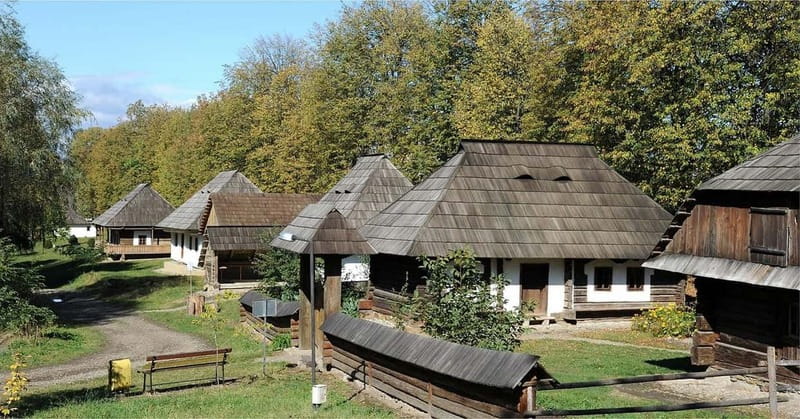
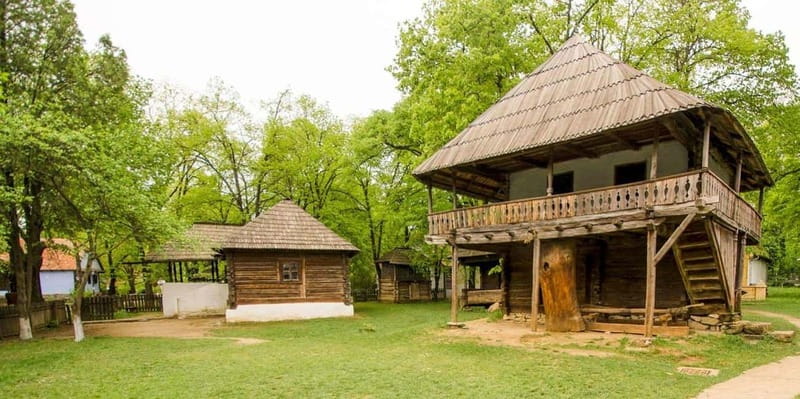
After the Palace, the Dimitrie Gusti National Village Museum feels like someone turned down the volume. It’s an open-air museum in Herastrau Park, and it’s built around the idea that Romanian rural life has regional “fingerprints” you can still see in architecture and religious spaces.
Here, you’ll walk among wooden houses, windmills, and churches brought from different parts of Romania. Each building helps you connect the dots between everyday work, local materials, and community values. If you’ve ever wondered why Romanian villages don’t look identical from region to region, this stop gives you a visual explanation you can remember.
Your guide plays a big role at this stop. They’ll explain the architectural styles you’re seeing and the cultural significance behind them, including how these traditions continue to influence Romanian identity. That guidance matters because it stops you from treating the museum like a theme park of cute old buildings. It becomes a lesson in why people built the way they did.
You’ll also get time to stroll the museum grounds. That pause is more than a breather. It’s where you can absorb the setting, take slower photos, and see how the museum sits inside the park rather than feeling boxed in.
Ceaușescu Mansion at Primăverii: luxury with a chilling angle
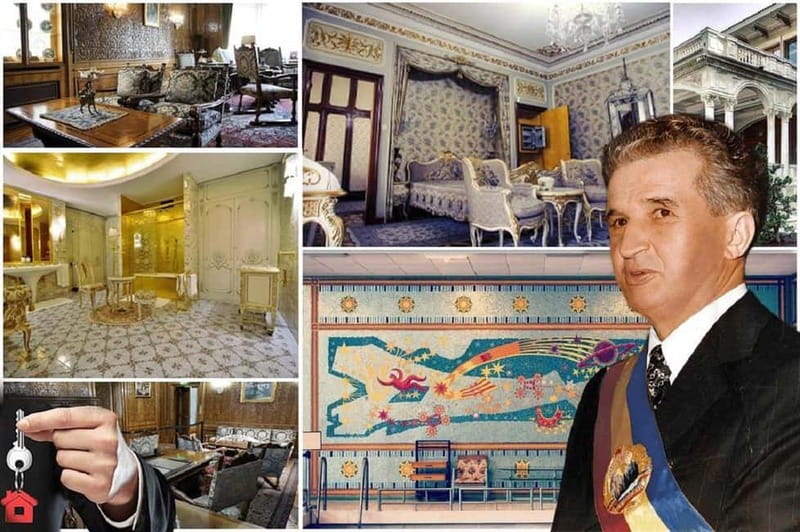
The final stop shifts the mood again, and this one is the most emotionally pointed. The Ceaușescu Mansion is the luxurious former residence of Nicolae and Elena Ceaușescu, located in the Primăverii neighborhood. It’s preserved well enough that you can see the details that the regime’s elite lived with every day.
Inside, you’ll get a guided look at opulent décor and standout features such as gold-plated bathrooms, grand chandeliers, and personalized touches in the home. Those details are exactly why this stop hits. It’s not just that the house looks expensive. It’s that it gives you a physical sense of priorities, especially when you’ve just spent time thinking about the Palace as a display of power.
Your guide shares stories about Nicolae and Elena Ceaușescu and how the residence functioned as a private retreat during their time in power. Even if you already know the headline-level story, the mansion’s interior makes the narrative concrete, which can feel both fascinating and uncomfortable.
Important timing note: the Ceaușescu Mansion is closed on Monday. If your dates include Monday, you should expect the last stop to differ or be replaced in practice. If you want this interior specifically, plan your day so you’re not relying on access that won’t be available.
How transfers and photo stops keep the day manageable
This is a half-day tour, so efficiency is part of the experience. You get pickup from central locations, then short ride segments between stops in an air-conditioned minivan. The schedule includes timed transfers and photo moments at each major site, so you aren’t left sprinting between landmarks with no time to reset.
The basic flow is straightforward: a van ride to the Palace of Parliament, then the guided visit with photo time; another transfer to the Village Museum in Herastrau Park for guided time and photos; then a shorter transfer to the Ceaușescu Mansion for photos and the guided interior visit; and finally, a van back with multiple city-center drop-offs.
Pickup options include places like Manuc’s Inn, Piața Romană, Novotel Bucharest City Centre, Bulevardul Regina Elisabeta, Piața Victoriei, and Radisson Blu Hotel Bucharest. Drop-offs line up with those same central areas.
This matters because Bucharest traffic can be unpredictable. Having transfers built in saves you from figuring out routes and parking or trying to time three separate destinations on your own. It also keeps you focused on the sites instead of the logistics.
Guides make or break it: Gabriel and Radu as proof of the concept
In a tour like this, a guide has to do two jobs at once. They must explain the building and they must connect it to people. When it goes well, you finish with better questions, not just better photos.
You may get guides such as Gabriel and Radu. Gabriel has been praised for strong narration at the Village Museum, with very clear English and good history framing. Radu has been singled out for wide Romania background, not only the communist years, and for making the Palace and the mansion feel like part of one story rather than three unrelated stops.
If you care about context, this kind of guiding attention is worth its weight in comfort. You’ll get more out of the marble-and-crystal rooms, and more out of the wooden churches, when you understand why each place was shaped how it was.
Who this tour suits, and who should rethink it
This is a good match for adults and teens who want a structured day with minimal planning. It also works well if you’re the type of traveler who likes history but appreciates when the guide helps you translate it into everyday meaning.
A few practical limitations are important:
- It’s not suitable for children under 10, so families with younger kids should plan something else.
- It’s not suitable for wheelchair users, so mobility needs should guide your decision.
If you’re sensitive to themes of political violence and oppression, the mansion stop may feel heavy. That’s not a negative, but it is a reality. The tour is built to show luxury beside suffering, and the story can land hard if you’re not expecting it.
For photography, remember that flash photography is not allowed. Bring a camera, but also plan on steady shots in whatever light the interiors allow.
Value check: what’s included, what you’ll pay extra, and why it still adds up
Entrance fees are not included for the Palace of Parliament, the Village Museum, or the Ceaușescu Mansion. The tour does say it can book tickets on your behalf so you can skip the ticket line, which is a real time saver at major sights.
So where is the value? It’s in three places:
- You’re paying for a professional guide who interprets what you’re seeing, not just taking you from door to door.
- You’re paying for transfers in an air-conditioned minivan, with central pickup and drop-offs that reduce hassle.
- You’re paying for the sequencing of the day: power, rural life, and then the dictator’s private space, all within a manageable 6 hours.
The one value risk is the Palace entry uncertainty. Because tickets for the Palace cannot be guaranteed, your inside experience may depend on entry rules and availability on the day. If you’re making Bucharest plans around seeing every interior room, double-check you’re comfortable with the possibility of the exterior panorama option.
Should you book it?
Yes, if you want a guided snapshot of Bucharest that connects communist-era power with rural Romanian identity and ends with a private residence that makes the regime feel personal. The combination of the Palace of Parliament, the open-air Village Museum in Herastrau Park, and the Ceaușescu Mansion is a rare three-part storyline for a half-day.
I would not book it if you’re relying on Monday access to the mansion interior, you cannot bring a valid ID, or you need wheelchair accessibility. Also, if you hate tight schedules and want to linger for hours, you may find the 6-hour pacing a bit structured.
FAQ
Do I need a valid ID for this tour?
Yes. A valid ID is required for entry to the Palace of Parliament.
How long is the tour?
The duration is listed as 6 hours.
Are entrance tickets included in the tour price?
No. Entrance fees for the Palace of Parliament, the Village Museum, and the Ceaușescu Mansion are not included.
Can the tour help with tickets in advance?
Yes. The tour notes that tickets can be booked on your behalf so you can skip the line.
What happens if Palace of Parliament entry tickets cannot be guaranteed?
In that situation, you’ll visit the exterior panorama instead of a full interior visit.
Is the Ceaușescu Mansion open every day?
No. The Ceaușescu Mansion is closed on Monday.
Where are the pickup and drop-off points?
Pickup and drop-off are offered from multiple central Bucharest locations, including Manuc’s Inn, Piața Romană, Novotel Bucharest City Centre, Bulevardul Regina Elisabeta, Piața Victoriei, and Radisson Blu Hotel Bucharest.
What languages is the guided tour offered in?
The guide is available in English, Italian, and Spanish.
What should I bring?
Bring comfortable shoes, a camera, and water.
Is flash photography allowed inside the sites?
No. Flash photography is not allowed.
Museums Worth an Hour in Bucharest
- Bucharest: Museum of Senses Entry Ticket
★ 4.2 · 364 reviews - Bucharest: Parliament, Ceausescu House & Village Museum Tour
★ 5.0 · 208 reviews - Communism in Bucharest – Landmarks, Museum & Communist Appetizers
★ 5.0 · 111 reviews - Bucharest: Entry ticket at the Museum of Communism
★ 4.6 · 57 reviews
Newest Bucharest write-ups
- Half Day Tour in Bucharest
★ 5.0 · 1 review - Private transfer to BRASOV
★ 5.0 · 1 review - Bucharest Private Custom Walking Tour with Guide (Private Tour)
★ 5.0 · 1 review - Bucharest: Capture the most Photogenic Spots with a Local
★ 5.0 · 1 review - Uncover Transylvania: Private 2-Day Tour Bears & Medieval Wonders
★ 5.0 · 1 review - Transfer Bucharest to Constanta / Mamaia
★ 5.0 · 1 review - Private Day Trip to Peles Palace, Dracula’s Castle and Brasov
★ 5.0 · 1 review
Communist-Era Tours, compared.

Parliament, Ceausescu House & Village Museum Tour
Read our review →
Bucharest Essential Tour: Old Town, Calea Victoriei & Communism
Read our review →
Communism in Bucharest – Landmarks, Museum & Communist Appetizers
Read our review →
Palace of Parliament, Ceausescu House & Village Museum
Read our review →Browse the lists this tour appears in