
Reviewed · COMMUNIST-ERA TOURS
Bucharest: The “Last Days of Communism” Tour
Bucharest stops you in your tracks, even today. This “Last Days of Communism” tour strings together the major power centers of Nicolae Ceausescu’s era, so you can see how ideology shaped the city. I especially like the way Revolution Square is explained with the human story behind the ending, and how the Parliament Palace makes the scale of the regime feel real, not just theoretical. The main thing to consider is that entrance fees are not included, and visits can be replaced or adjusted if palaces are closed.
I also like that the tour is built for your time. You start with hotel pickup, ride through downtown, and hit the key sites without spending half a day figuring out routes. Still, because it runs on scheduled access to major institutions, what you see inside can vary on certain days.
In This Review
- Key things to know before you go
- Why Bucharest’s communist landmarks still feel personal
- Revolution Square: where the final chapter takes shape
- Entering the Parliament Palace, House of People
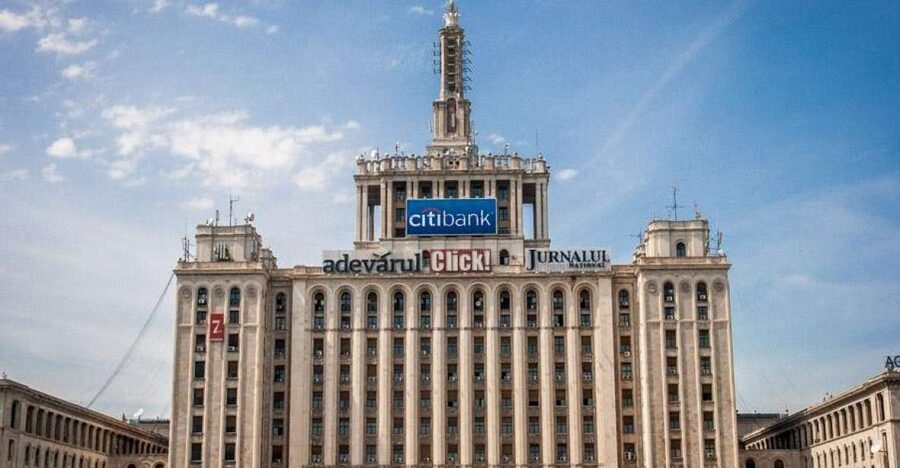
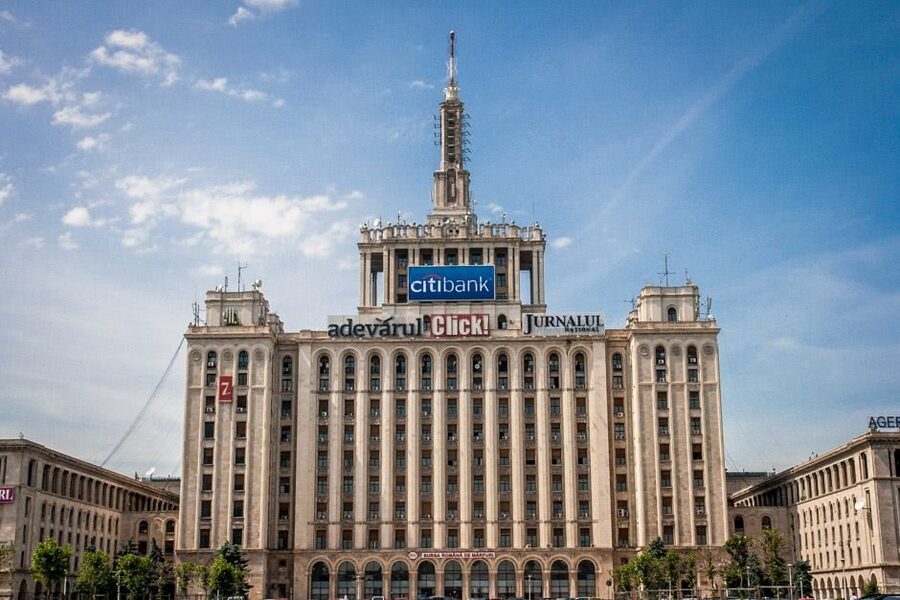
- Free Press Square and the controlled voice of power
- The triumphant route: Arch of Triumph, Victoriei, and the Atheneum area
- Union Square and University Square: how institutions shape a regime’s image
- Romana Square and Charles de Gaulle Square: seeing modern Bucharest with older meaning
- Primaverii Palace: the presidential couple’s former residence
- How the 5 hours actually work for your day
- Price and value: is $69 a fair deal
- Who should book this (and who might not)
- Should you book the Last Days of Communism tour?
- FAQ
- How long is the Bucharest communist landmarks tour?
- How much does the tour cost?
- Do I need to pay entrance fees for the Parliament Palace and Primaverii Palace?
- Where does the tour start?
- What language is the guide?
- What sites will I see during the tour?
- What do I need to bring?
- Are there any restrictions on what I can bring?
- What if the palaces are closed when the tour arrives?
- Are there minimum group sizes?
Key things to know before you go
- Hotel pickup and a car or minibus mean you can focus on the story, not transit logistics.
- Revolution Square and the balcony moment connect the final speech to the winter of 1989 revolution.
- Parliament Palace access is special but entrance fees are extra, and weekend visits require larger groups.
- Free Press Square helps you understand how tightly communication was controlled under communism.
- Primaverii Palace adds a more personal angle, since it was the former residence of the presidential couple.
- Visits are not guaranteed if institutions are closed for meetings and conferences.
More of communist-era Bucharest:
- Bucharest: Communism and History Guided City Walking Tour★ 4.9 · 918 reviews
- The Real tour of Communism★ 5.0 · 666 reviews
- Life under Communism★ 5.0 · 358 reviews
- 3-Hour Guided Tour of Communist Bucharest★ 4.9 · 303 reviews
Why Bucharest’s communist landmarks still feel personal
Romania lived under communism for more than 40 years, from 1948 to December 1989. In that era, leaders did not just run the country, they tried to reshape the city itself, stone by stone. That is what makes this tour work. You are not only looking at buildings, you are learning why those buildings were built.
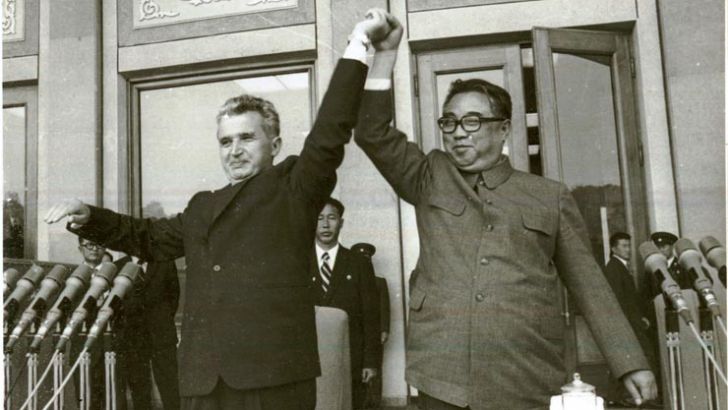
I like that the tour frames the story around both the “great accomplishments” the regime promoted and the controversial reality behind them. You will hear the sequence of how Nicolae Ceausescu rose to General Secretary in 1965, later became President in 1974, and then was removed and executed after the violent revolution in winter 1989. That timeline matters, because it turns the sightseeing into cause and effect.
You also get the modern connection without pretending the past disappeared. Bucharest is a democracy now, but the street grid, monuments, and massive party-era structures still steer your attention. This tour gives you a set of landmarks to read the city with, like learning the “key” to a puzzle that has been sitting on the table all along.
Revolution Square: where the final chapter takes shape
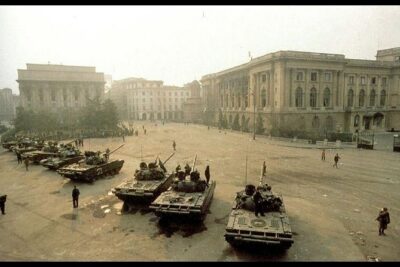
Revolution Square is the kind of place where your brain wants to speed up, because you can feel the weight in the space. Here, you connect to the revolution story through the central civic area tied to the last days of the regime.
The highlight is the balcony where Ceausescu gave his last speech. Standing in the area, you can understand how public space was staged for political theater, not casual gatherings. It is not just drama for drama’s sake. It shows you how power used visibility, crowds, and messaging as tools.
You will also pass by nearby landmarks along the route, including the Romanian Atheneum area. That matters because it reminds you that Bucharest was always more than one ideology. Even during communist rule, older cultural institutions and the city’s civic identity were still part of the landscape. The result is a tour stop that feels like both an ending and a transition.
One practical consideration: Revolution Square is outdoors and lively. You will want to wear comfortable shoes and be ready for sun or cold depending on your season, because most of the “feel” of this stop comes from walking and looking.
Entering the Parliament Palace, House of People
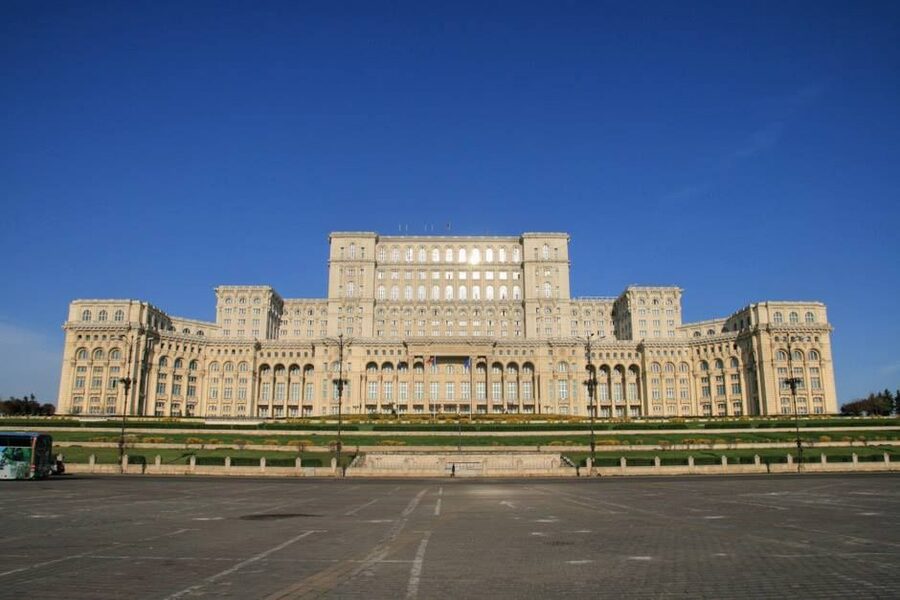
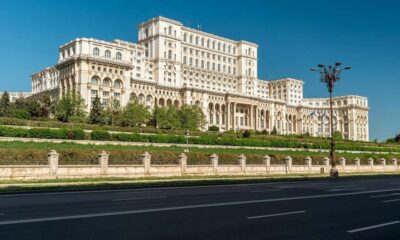
If there is one building that turns communist ambition into architecture, it is the Parliament Palace, also known as the House of People. You do not just view it from the outside. You have entrance included as part of the tour package, but you still need to pay the entrance fees separately.
Why it matters: this is a place where scale is the message. The regime did not hide its reach. It built in monumental form. On this stop, your guide should help you connect the building’s size and purpose to how the system wanted to project permanence.
You will also get the context around the building and the surrounding squares that shaped how the public moved and where government visibility concentrated. The experience can feel different depending on whether you can go inside, and the timing matters. The palace visits are sometimes not guaranteed because institutions close for meetings and conferences.
Weekend note that affects planning: weekend visits to the Parliament Palace are available only for groups of 10 or more. If your group is smaller, the palace visit will be replaced with an alternative attraction or a guided walking tour of the Old Town. In other words, your route can shift, but you should still walk away with a city story, not just a building checklist.
Other Bucharest days worth the drive
Free Press Square and the controlled voice of power
Free Press Square, Piata Presei Libere, sounds like a hopeful name. The contrast is part of the lesson. Under communism, media did not operate like independent journalism. It functioned in a controlled system where messaging mattered as much as policy.
This stop is valuable because it gives you a lens for understanding propaganda and social control. When you see where official communications were centered, you stop treating the past like it was only about parades or offices. You see it as daily influence, and you understand why public spaces were designed to funnel attention.
Even if you do not go inside a press-related building, the area itself helps anchor the story. Your guide should tie what you see to how people lived, worked, and received information during the period.
If you are the kind of traveler who likes connections between politics and everyday life, this is one of the stops that tends to make the tour stick. It is also an easy one to absorb during a moving route, because it is a quick, focused moment in a longer downtown loop.
The triumphant route: Arch of Triumph, Victoriei, and the Atheneum area
Bucharest’s downtown layout helps you travel through time. As the tour moves along, you pass major squares and monumental structures that reflect different layers of power and civic pride.
You will see the Arch of Triumph, Arcul de Triumf. You will also pass by Victoriei Square, Piata Victoriei, and the Calea Victoriei corridor where the Romanian Atheneum and Revolution Memorial area sit. Together, these stops help you understand how regimes used grand city views to shape public emotion. Some of the landmarks are not strictly communist-era creations, but they become part of the communist-era story once the regime adopted the city’s monumental language.
Here is what I like about this part of the tour: it keeps you from thinking communism was only about one building or one square. It was also about visual dominance across big roads and civic nodes. When you look at the spacing of these landmarks and the role of open areas, you get a sense of how public life could be steered.
Practical tip: bring your phone camera if you like photos, but also take a minute to look with your eyes first. These sites work best when you notice sightlines, not just individual monuments.
Union Square and University Square: how institutions shape a regime’s image
Union Square, Piata Unirii, and University Square, Piata Universitatii, are big civic anchors. In a city where ideology was often broadcast through public space, these kinds of junctions become meaningful.
On this stretch, you are moving through areas that represent civic identity, education, and public gathering. The tour uses them to connect the story beyond leaders and palaces. You get a sense of how the regime wanted the city to feel official and structured, even in places tied to learning and public debate.
Another reason these stops matter for value: you get a break from heavy building symbolism. After the Parliament Palace scale, these squares help you see how the system tried to create order at street level. They also give you the rhythm of the tour. You are not trapped in one intense point. You travel, look, and then process the next idea.
If you want to remember this tour later, focus on the pattern: monumental power, then civic space, then public messaging. That loop is the backbone of the communist-era street story.
Romana Square and Charles de Gaulle Square: seeing modern Bucharest with older meaning
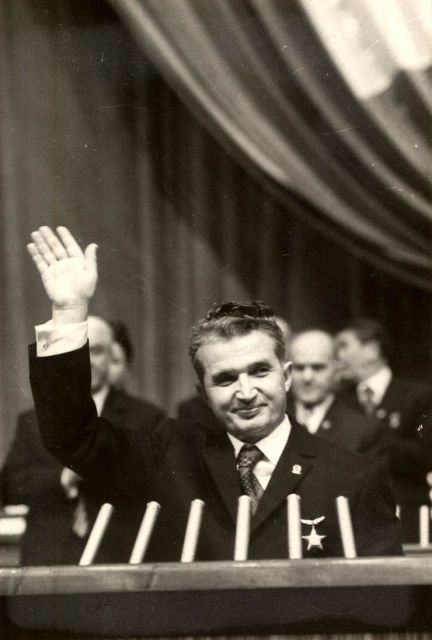
The tour does not stay only in the most famous zones. It also threads through Romana Square, Piata Romana, and Charles de Gaulle Square, Piata Charles de Gaulle. These are practical stops too, because they help you connect the city you see now with the city the regime operated within.
Why I like including these: they make it easier to keep your bearings after the tour. Once you have stood at these major nodes and understood how the downtown layout ties into the power story, you can walk around later with more confidence.
Even if you do not learn a new fact at every corner, you build a mental map. You begin to recognize where political visibility would have concentrated and how people would have flowed through the city during different periods.
This is also where your guide’s ability matters. The strongest guides keep the story grounded in what you can see from the street. The “best moment” is not always a single building, it is when the guide helps you notice how the city itself reinforces political messaging.
Primaverii Palace: the presidential couple’s former residence
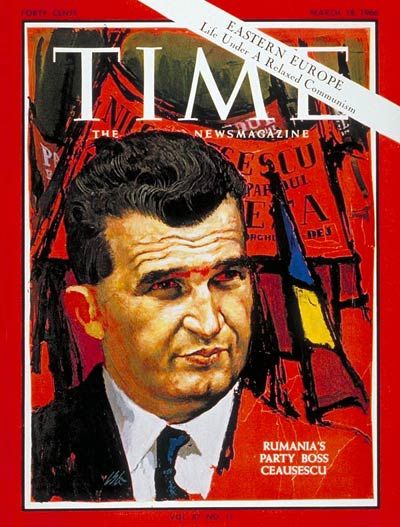
Primaverii Palace is where the tour becomes more intimate. You visit Primaverii Palace, the former residence of the presidential couple. That matters, because it shifts the focus from public power to private luxury and control.
This stop has a different emotional tone. It encourages you to ask: who lived like royalty, who served, and who paid the price. It is not enough to know that the regime was harsh. You also need to see how that harshness coexisted with wealth at the top.
Entrance fees apply here too, so plan extra budget if you want the full value of the indoor visit. Just like the Parliament Palace, access is not guaranteed if the institution is closed for meetings and conferences.
If you are someone who likes to connect architecture with human behavior, Primaverii Palace is a good anchor. It gives you a physical place to attach the idea that communism was not just policies, it was also a system of privilege and power.
How the 5 hours actually work for your day
This is a morning tour with hotel pickup in Bucharest. The overall duration is 5 hours, and the main sightseeing itinerary is about 4 hours. You will travel by car or minibus, which keeps the pace reasonable and helps you cover downtown efficiently.
The flow typically goes like this: pickup, then a sequence of major squares and corridors, then time at the big indoor sites. Your guide keeps explaining as you move, so you are not stuck in silence waiting for the next stop.
Because some visits depend on access, you might find a palace visit replaced or the tour shaped differently on certain days. That is why it helps to keep expectations flexible. Your end goal should not be only “seeing entrances.” Your end goal is building a working understanding of how Bucharest functioned under communism and how the transition to democracy reshaped meaning.
If you like tours that give you both facts and an emotional picture, this format is a good fit. If you prefer very slow and lingering museum-style time, this might feel a bit fast in the afternoons after, unless you plan extra follow-up time on your own.
Price and value: is $69 a fair deal
At $69 per person for a 5-hour guided tour with hotel pickup, transport, and an English-speaking guide, the base price is fairly solid. You are paying for more than a bus ride. You are paying for interpretation, route planning, and the ability to connect multiple sites under one narrative.
However, entrance fees are not included for the Parliament Palace and Primaverii Palace. So the true cost will be your base $69 plus whatever fees apply on your dates. If you are budget-tight, it helps to confirm how much you are likely to spend on site entry before you book.
Where the value really shows: you get context for landmarks that would be confusing on your own. Bucharest’s communist-era sites are often visually striking, but the meaning can feel slippery without a guide to tie it together. When someone is doing that job well, the money feels less like a fee and more like a shortcut to understanding.
Also, the guide/driver combo tends to keep things smooth. One piece of feedback points to an especially passionate guide named Boogie who focused on what people wanted to see and learn. That kind of energy is exactly what you want from this topic.
Who should book this (and who might not)
This tour is for you if you want a clear, guided storyline through communist Bucharest in a single half-day block. It suits history-minded travelers, architecture lovers, and anyone who likes learning the “why” behind what they see.
It is also a good choice if you do not have much time. Downtown Bucharest can be manageable on your own, but this specific route and the institutional access are harder to organize without help.
You might consider skipping or pairing it with other time if you want a slow, museum-like pace, or if you only care about outdoor photos. A lot of the impact here comes from interpretation at key stops and the ability to go inside major sites when access is available.
Finally, if you travel with pets, note that pets are not allowed.
Should you book the Last Days of Communism tour?
I think this is a smart book for most first-time visitors who want more than surface-level sightseeing. The tour hits the major anchors, including Revolution Square, the Parliament Palace, and Primaverii Palace, plus the connective tissue of squares like Free Press Square and the wider downtown monuments. For $69, the guided route and context offer good value, especially if you are okay paying entrance fees separately.
Book it if you want a structured way to understand how power shaped Bucharest and how the 1989 revolution changed the story. Skip it if you dislike fast moving tours or if you cannot handle possible access changes due to closures. And whichever you choose, bring your original passport or ID card, wear comfortable shoes, and keep an open mind. This part of Bucharest is intense, but it is also one of the clearest windows into how cities remember their political past.
FAQ
How long is the Bucharest communist landmarks tour?
The tour duration is 5 hours, with a 4-hour sightseeing itinerary.
How much does the tour cost?
The price is listed as $69 per person.
Do I need to pay entrance fees for the Parliament Palace and Primaverii Palace?
Entrance fees for the Parliament Palace and Primaverii Palace are not included, so you should budget extra for those visits.
Where does the tour start?
The tour starts in the morning at your hotel with hotel pickup included within Bucharest.
What language is the guide?
The tour includes an English-speaking guide/driver.
What sites will I see during the tour?
You will see Revolution Square, the Parliament Palace (House of People), Free Press Square, University Square area, and Primaverii Palace, plus you will pass by several downtown landmarks such as the Arch of Triumph and Victoriei Square.
What do I need to bring?
You should bring your original passport or ID card.
Are there any restrictions on what I can bring?
Pets are not allowed.
What if the palaces are closed when the tour arrives?
Visits are not guaranteed because institutions sometimes close for meetings and conferences. If a visit is not possible, the palace visit may be replaced with an alternative attraction or guided walking tour of the Old Town for smaller groups on weekends.
Are there minimum group sizes?
Yes. From March to October and December 16 to January 6, tours take place with a minimum of 4 people. From January 7 to February 29 and November 1 to December 15, tours take place with a minimum of 2 people. If the minimum is not met, you will be offered an alternative date or a full refund.
Newest Bucharest write-ups
- Private transfer to BRASOV
★ 5.0 · 1 review - Half Day Tour in Bucharest
★ 5.0 · 1 review - Bucharest: Capture the most Photogenic Spots with a Local
★ 5.0 · 1 review - Bucharest Private Custom Walking Tour with Guide (Private Tour)
★ 5.0 · 1 review - Transfer Bucharest to Constanta / Mamaia
★ 5.0 · 1 review - Uncover Transylvania: Private 2-Day Tour Bears & Medieval Wonders
★ 5.0 · 1 review - Private Day Trip to Peles Palace, Dracula’s Castle and Brasov
★ 5.0 · 1 review
Communist-Era Tours, compared.

Parliament, Ceausescu House & Village Museum Tour
Read our review →
Bucharest Essential Tour: Old Town, Calea Victoriei & Communism
Read our review →
Communism in Bucharest – Landmarks, Museum & Communist Appetizers
Read our review →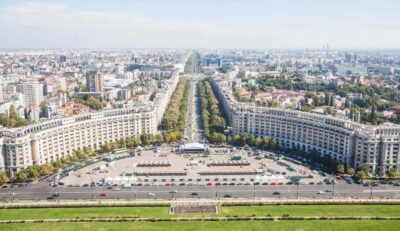
Palace of Parliament, Ceausescu House & Village Museum
Read our review →Browse the lists this tour appears in