
Reviewed · COMMUNIST-ERA TOURS
Cluj-Napoca: Communist Era Walking Tour
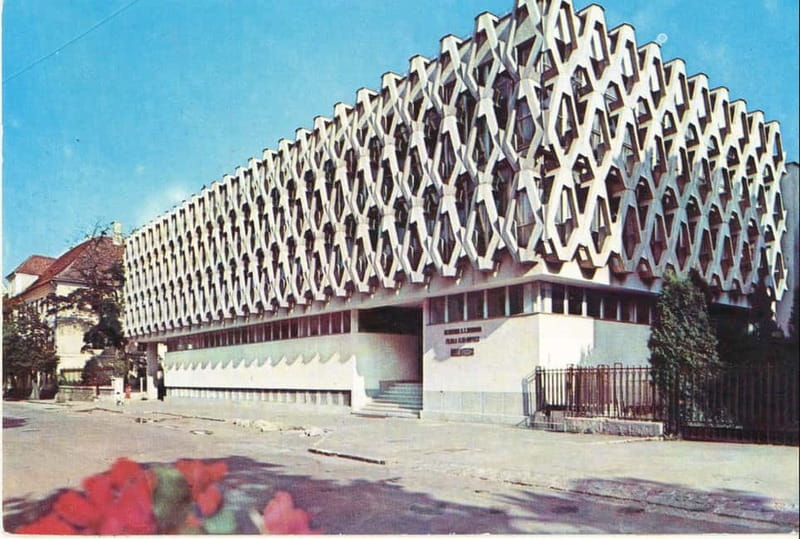
Communism hides in plain sight. In Cluj-Napoca, a simple walk turns Communist-era architecture into a clear story about censorship, daily routines, and adaptation. You get the contrast fast, between drab apartment blocks and older facades that still carry the city’s memory.
I especially loved two things: the way the guide ties buildings to real behavior, not just dates, and the human detail that makes the period feel close. The presentation is structured, and you’ll also see how the guide uses specific visual material to explain long lines, control of information, and the consequences in Cluj.
One possible drawback is straightforward: this is a walking-focused experience. It is not suitable for people with mobility impairments or wheelchair users, and you’ll want solid shoes because weather can change quickly.
In This Review
- Key things you will notice on this Communist Cluj walk
- Communist Cluj feels different, because the city is still speaking
- From Matei Corvin Statue to Union Square, you get oriented quickly
- Union Square to the apartment blocks, where ideology becomes a street view
- Marasti neighborhood: where standardized housing meets community resilience
- Old industrial spaces and the machinery of confiscation and collectivization
- Former propaganda centers: the power rooms behind the narrative
- Photography, pace, and what to expect in the field
- Price and value for a 3-hour, licensed-guide experience
- Who should book this Communist-era Cluj walk, and who should skip it
- Should you book the Communist Era Walking Tour in Cluj-Napoca?
- FAQ
- How long is the Communist Era Walking Tour in Cluj-Napoca?
- Where do I meet for the tour?
- How much does the tour cost?
- What languages are available for the live tour guide?
- Is this a private group tour?
- What should I bring, and is smoking allowed?
- Is food or drinks included?
- Is the tour suitable for wheelchair users, and what about cancellation?
Key things you will notice on this Communist Cluj walk
- Matei Corvin Statue meeting point, then a quick orientation before you start reading the city
- Union Square area as a stage for ideology, architecture, and political ambition
- Marasti neighborhood as a window into how communities formed inside standardized housing
- Old industrial spaces and factories, tied directly to collectivization and state goals
- Former propaganda center stops, where the power dynamic is the point
- English, French, Polish guided storytelling with a licensed professional
More Guided Walks in Cluj-Napoca
- Cluj-Napoca: 2.5-Hour Guided Walking Tour★ 4.8 · 104 reviews
- Cluj-Napoca: 2.5-Hour Guided Walking Tour★ 4.5 · 29 reviews
- Cluj-Napoca Walking City Tour★ 4.5 · 16 reviews
- Cluj : Must-See Attractions Walking Tour★ 4.8 · 8 reviews
Communist Cluj feels different, because the city is still speaking
Cluj-Napoca is one of those places where history does not sit behind glass. You see it in facades, street patterns, and the way certain neighborhoods were built to shape daily life. That is why this Communist-era walking tour works so well, it helps you read the city like a text.
You also get a rare angle: the focus is not only politics. The guide connects Communist power to what people actually dealt with, from controlled media to how housing and work were organized. The result is a tour that feels specific to Cluj, not just Romania in general.
The biggest payoff for me is the cause-and-effect feeling. When you learn how censorship operated, it changes how you view “neutral” streets and buildings. When you hear how people adapted, you start noticing small signs of resilience in ordinary places.
From Matei Corvin Statue to Union Square, you get oriented quickly
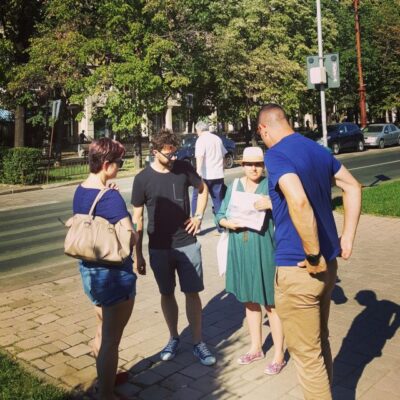
You meet in front of the Matei Corvin Statue, a clear landmark and an easy starting point if you are using the city’s center as your base. After you link up, the guide’s job is to help you get your bearings fast, then start pointing out what matters in the built environment.
From there, the walk heads into the Union Square area, where Communist-era ideology tends to be easiest to spot from a distance. You are not just strolling past buildings, you are learning how the city was planned to project authority and order.
Practical note: this tour is about 3 hours of walking. That means your comfort choices matter. Wear comfortable shoes, expect changing weather, and bring water since the itinerary is outdoors.
Union Square to the apartment blocks, where ideology becomes a street view
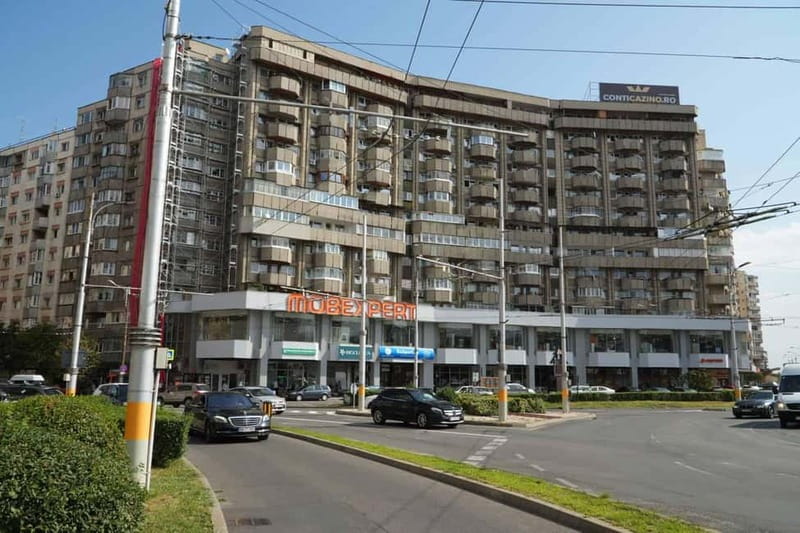
One of the tour’s strongest strengths is the contrast it builds. You start with recognizable city energy, then you begin seeing how Communist planning created a different visual language. Standardized apartment blocks and more historic facades can sit close together, and the guide uses that closeness to show the shift in power.
As you move through the stops near Union Square, you’ll learn how Communist authorities pushed for uniformity in housing and public life. The point is not to judge aesthetics, it is to understand why the look changed and what that did to people’s routines.
A key theme is daily life under pressure. The guide explains how censorship and state control shaped what people could say, publish, or even imagine. Once you grasp that, you understand why the built environment mattered, it was part of controlling both space and behavior.
If you like photo work, this is a great stage. You can frame the relationship between older facades and newer blocks in one shot, and the guide gives you context so your captions write themselves.
More of communist-era Cluj Napoca:

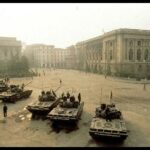

Marasti neighborhood: where standardized housing meets community resilience
The Marasti neighborhood stop is a highlight for good reason. Standardization can sound cold on paper, but on the street it becomes personal. You get to see how Communist-era apartment blocks were meant to organize life, then you hear how residents built communities within those constraints.
This is also where the tour starts feeling more like people stories and less like policy. The guide focuses on residents who made neighborhoods work, even when the system was not designed for individual freedom.
You’ll likely notice how the architecture repeats itself and how that repetition changes what you feel while walking. That is exactly the lesson. When housing is standardized, it shapes how you move, where you gather, and how you relate to others.
For me, the Marasti segment makes the whole tour click. It gives you a middle layer between big ideology and small daily actions. It turns the Communist era from an abstract chapter into something you can stand beside.
Old industrial spaces and the machinery of confiscation and collectivization
Communism was not only about slogans. It was also about production, labor, and control of resources. The tour includes time around old industrial spaces and the kinds of places where the state’s vision translated into jobs and output.
Here, you’ll hear about factories and the broader system that fed Communist goals. The guide ties this to real mechanisms such as confiscation and collectivization, which helps you understand why work could become political and why personal stability could depend on state decisions.
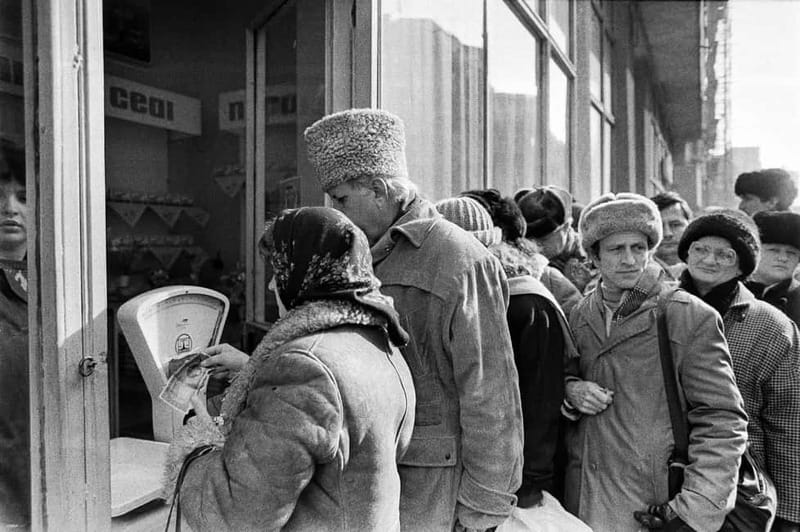
This is a good segment to pay extra attention if you like cause-and-effect history. Once the guide explains how the system organized labor, the stories about shortages and queues make more sense. You stop thinking of scarcity as luck, and start seeing it as a policy outcome.
You might also get a brief stop connected to a Communist-era market. That matters because markets are where state policy meets everyday needs. Even if the stop is short, it gives you a concrete setting for what people searched for and what they could realistically obtain.
Former propaganda centers: the power rooms behind the narrative
Former propaganda centers are the kind of stops that give you a sharp sense of the hierarchy. These were the places designed for elites, where the messaging machine could run without challenge. Standing nearby, it is easier to understand why censorship had teeth, it wasn’t only about words, it was about who controlled the room.
The guide’s stories focus on censorship and adaptation, and you’ll hear how information control shaped public life. This is where the tour can feel heavier, because the consequences are more personal than you expect.
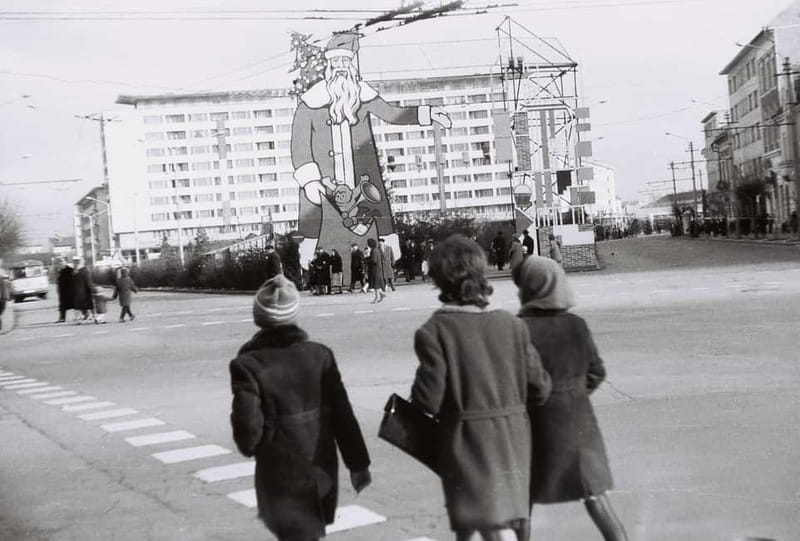
One reason this part earns strong marks is the way the guide uses specific visuals to explain what life looked like. In past walks, the guide has illustrated points with pictures of long lines and with material connected to anti-Communist protesters in Cluj and the resulting tragedy. That kind of detail can be uncomfortable, but it is also what makes the tour honest.
You can treat this section like your reality check. You learn that ideology was enforced, and you learn how people kept moving anyway, with strategy, silence, or adaptation.
Photography, pace, and what to expect in the field
A 3-hour walking tour is not the time for a slow, casual stroll. Plan your day so you can keep a steady pace. The guide will stop, explain, and point, then move you along to the next angle where the architecture and story connect.
For photos, bring a camera you can handle comfortably with your gloves or hands. The tour’s strongest visual comparisons come from getting the viewpoint right: older facades versus standardized blocks, and the way streets read differently when you know the political context.
As for what you can do, smoking is not allowed. That is easy to follow, but it also means you might want to plan for breaks around the stops rather than outside the route.
If the weather turns, you will still be walking. The guidance is simple: dress for changing conditions, keep water with you, and treat the whole walk as an outdoor activity.
Price and value for a 3-hour, licensed-guide experience
At $74 per person, you are paying for a guided narrative, not just a self-guided history walk. For a 3-hour format, this can be good value if you like structure, context, and someone translating buildings into meaning.
You also get a live guide with a license and storytelling focused on Communist-era Romania and specifically Cluj. That specificity matters. Generic tours can mention Communism, but they often skip the local texture, the specific neighborhoods, and the Cluj consequences that made the era feel different here.
Another value factor is language options. The tour is offered with live guidance in English, French, and Polish, which helps if you want the explanations in the language you think in. And since it is a private group setup, you typically get more responsive pacing than a large, mixed group.
The only “cost” to consider is time on your feet. If your day is already packed, this might be the kind of activity you will appreciate most when you keep your schedule lighter before or after.
Who should book this Communist-era Cluj walk, and who should skip it
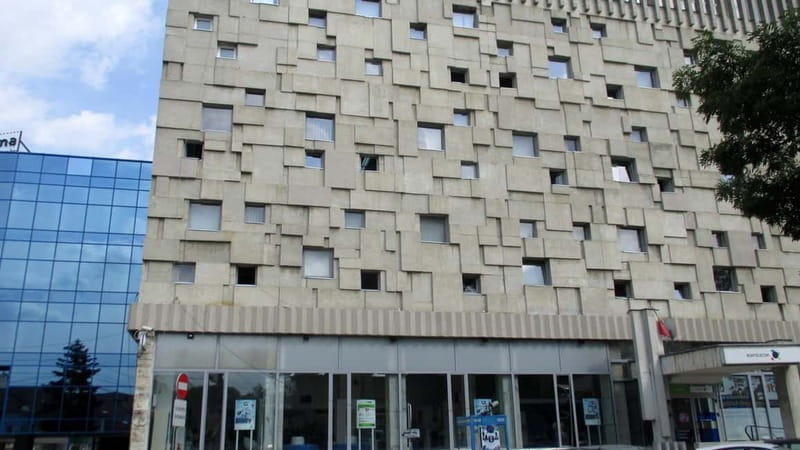
This tour is a strong fit if you want context for what you see in Cluj-Napoca, especially if you are drawn to architecture with a purpose. It is also a good choice if you like real-life stories about censorship, public life, queues, and how people adapted to state pressure.
You will also like it if you enjoy photo-based learning, because the guide uses visuals to support the narrative. That helps the emotional weight land with clarity, not just vague statements about repression.
Skip it if walking is hard for you. It is not suitable for people with mobility impairments or wheelchair users, and the route is built around a walking pace.
If you are the type who likes history explained with names of key local figures, this tour can work well too. The guide’s storytelling includes Cluj-specific church-related figures who challenged Communist power and the consequences that followed, which makes the story feel rooted rather than generic.
Should you book the Communist Era Walking Tour in Cluj-Napoca?
If you want a memorable Cluj experience that goes beyond monuments, I think this tour is worth booking. It connects Communist-era architecture to how people lived, and it gives you neighborhood-level detail like Marasti and the feel of former propaganda spaces.
I’d especially recommend it if you like guided interpretation. Left on your own, you might see apartment blocks and industrial remnants and assume they are just part of the cityscape. With a guide, those same streets become a readable timeline of policy, control, and everyday coping.
Don’t book it if you need an easy, fully accessible outing or if you hate outdoor walking. Otherwise, come with comfortable shoes and a camera, and you’ll leave with Cluj-Napoca feeling more understandable, and a lot more human.
FAQ
How long is the Communist Era Walking Tour in Cluj-Napoca?
The walking tour lasts about 3 hours.
Where do I meet for the tour?
You meet in front of the Matei Corvin Statue.
How much does the tour cost?
The price is $74 per person.
What languages are available for the live tour guide?
The live tour guide speaks English, French, and Polish.
Is this a private group tour?
Yes, it is listed as a private group.
What should I bring, and is smoking allowed?
Wear comfortable shoes. Bringing a camera is recommended, and water is recommended to stay hydrated. Smoking is not allowed.
Is food or drinks included?
No, food and drinks are not included.
Is the tour suitable for wheelchair users, and what about cancellation?
The tour is not suitable for people with mobility impairments or wheelchair users. It also offers free cancellation up to 24 hours in advance for a full refund.
More Guided Walks in Cluj Napoca
- Cluj : Private Walking Tour with A Guide ( Private Tour )
★ 5.0 · 7 reviews - From Cluj: Winter Walking Trip on the Great Mountain
★ 5.0 · 5 reviews - Cluj-Napoca Walking City Tour
★ 5.0 · 5 reviews - Cluj: Private City Walking Tour
★ 4.4 · 4 reviews
Newest Cluj Napoca write-ups
- Transylvania’s Trail: Sibiu, Bran Castle, Brasov and Sighisoara
★ 5.0 · 1 review - Via Ferrata Transylvania
★ 5.0 · 1 review - Sibiu and wine tasting, day tour from Cluj
★ 5.0 · 2 reviews - Cluj Insight: Walking tour with a travel writer & historian
★ 5.0 · 2 reviews - 3-Day Halloween Tour in Transylvania from Cluj-Napoca
★ 5.0 · 2 reviews - Private city tour in Cluj-Napoca
★ 5.0 · 2 reviews - Discover Corvin Castle in Hunedoara and Deva Fortress
★ 5.0 · 2 reviews
Communist-Era Tours, compared.

Parliament, Ceausescu House & Village Museum Tour
Read our review →
Bucharest Essential Tour: Old Town, Calea Victoriei & Communism
Read our review →
Communism in Bucharest – Landmarks, Museum & Communist Appetizers
Read our review →
Palace of Parliament, Ceausescu House & Village Museum
Read our review →Browse the lists this tour appears in