
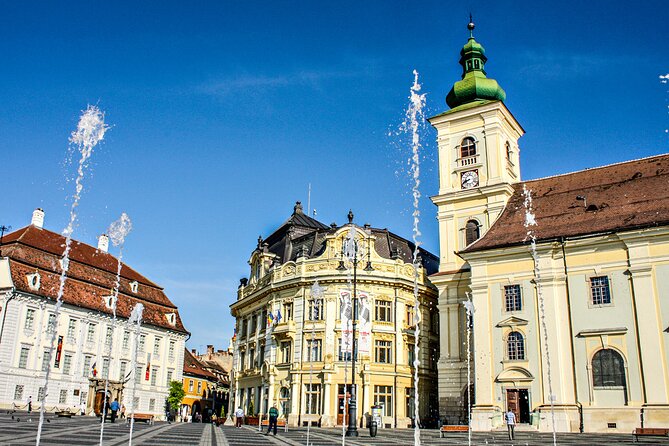
Reviewed · 7-DAY EXPERIENCES
Discover Medieval Transylvania Small Group Tour – 7 days
Medieval Transylvania hits fast, not with lines. This small group tour is built around skip-the-line entry at Bran Castle and a smart hit list of Saxon towns. You’ll also get Palеș, fortified churches, and a countryside day that feels more local than touristy.
I especially like the pacing here: you’re based in Sibiu for two nights and then Brasov for three, so you’re not just rushing through places. Second, you’re traveling in a max 6-person group with an English speaking guide/driver and private transportation, which makes the long drives feel less stressful.
The one thing to consider is how much time you’ll spend in the van. Bucharest to Sibiu is about 4 hours, and the days with multiple stops can mean early starts and steady walking.
In This Review
- Key things I’d plan for (and why)
- From Otopeni to Sibiu: starting in the Saxon heart
- Sibiu nights and Corvin Castle: medieval scale without the chaos
- Muzeul Astra and Biertan Fortified Church: when culture becomes architecture
- Viscri and Rupea: calmer fortified stops for medieval-minded walkers
- Brasov by night: your medieval city base
- Peleș Castle and Bran Castle: the Dracula connection you’ll actually enjoy
- Rasnov Citadel and views: a fortress day with room to breathe
- Magura and the Bat Cave: rural Transylvania, not just stone
- The last transfer back to Otopeni
- Price and value: what your $1,618.39 actually covers
- Who this tour fits best
- Should you book Medieval Transylvania Small Group Tour?
- FAQ
- What’s included in the tour price?
- Are Bran Castle and Peleș Castle tickets included?
- How big is the group?
- Where does the tour start and end?
- What dates and times does the tour operate?
- What’s the cancellation window?
Key things I’d plan for (and why)
- Bran Castle skip-the-line: You avoid the worst queue for Transylvania’s most famous castle.
- Two real bases (Sibiu and Brasov): More time to wander, less time checking in and out.
- Fortified churches and Saxon towns: You get culture tied to UNESCO places, not just Dracula icons.
- Corvin Castle and Rasnov Citadel: Big stone drama that still feels medieval.
- Peleș Castle guide time: Entry includes the basic tour with an in-depth walkthrough.
- Magura Bat Cave day: Easy to medium walking up to about 12 km with a cave visit where bats live undisturbed.
Other Bucharest days worth the drive
- Bucharest: Dracula’s Castle, Peles Castle, & Brasov Old Town★ 4.5 · 17,858 reviews
- Bucharest: Dracula Castle, Peles Castle & Brasov Old Town★ 4.6 · 10,891 reviews
- Bucharest: Dracula’s Castle, Peleș Castle & Brașov Day Trip★ 4.4 · 6,100 reviews
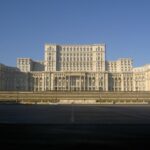
- Bucharest: Palace of Parliament Tickets and Guide★ 4.3 · 3,182 reviews
From Otopeni to Sibiu: starting in the Saxon heart
Your trip begins at Bucharest Henri Coandă International Airport in Otopeni, and you transfer to Sibiu. The drive is about 280 km, around 4 hours, so think of this first day as your reset, get oriented, and settle in.
Sibiu is one of those Transylvanian cities that rewards walking. It has real “firsts” that show up in its institutions, like Romania’s first hospital (1292), first pharmacy (1494), and the Brukenthal Museum opened in 1817. That matters because it sets the tone for the whole week: Transylvania isn’t only castles and legends, it’s also communities that built healthcare, education, and collections over centuries.
You’ll stay in a 3 guesthouse or hotel. Two nights in Sibiu is a good choice because you can explore the city at a slower pace, including a visit by night on day two. If you like evenings when the streets feel less hectic, you’ll appreciate that extra time.
Sibiu nights and Corvin Castle: medieval scale without the chaos
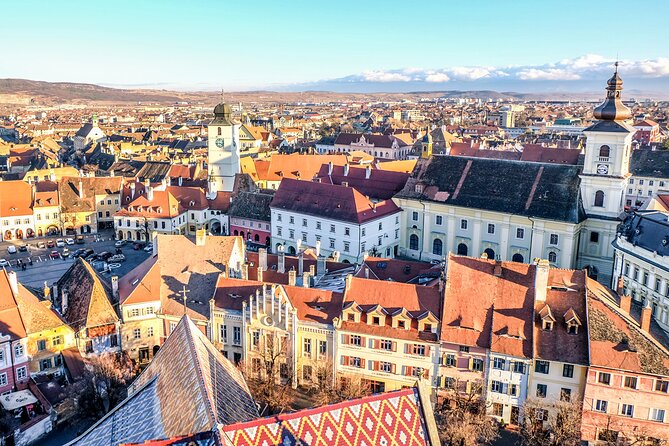
Day two takes you to Hunedoara for the Corvin Castle visit, also known as Hunyadi Castle or Castelul Huniazilor. This is a Gothic-Renaissance castle and one of the largest castles in Europe. What I like about this stop is the “wow” factor that doesn’t depend on special effects. The castle’s size and medieval vibe do the heavy lifting.
After the castle, you return to Sibiu for lunch and then an evening walk through the city. This is where the tour’s structure helps: you see an impressive fortress in the afternoon, then you switch gears to the human scale of streets and buildings at night.
One caution: the castle visit isn’t marked as having tickets included, so you’ll want to know what you’re paying for versus what’s covered. The good news is the tour keeps you moving with private transportation, and you’ll have an English speaking guide/driver to smooth out the practical parts.
Muzeul Astra and Biertan Fortified Church: when culture becomes architecture
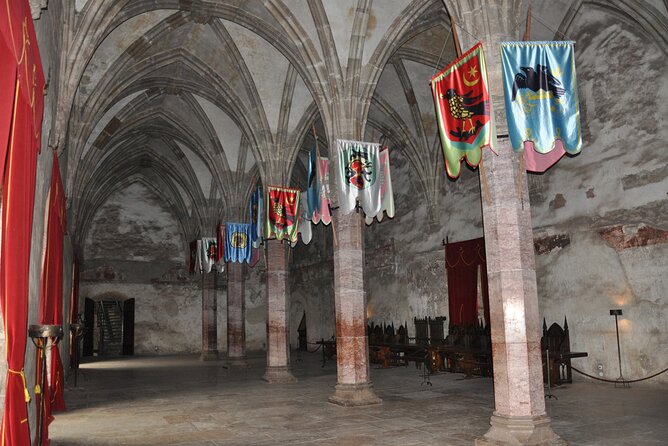
On day three, you start with Muzeul Astra, an open-air museum covering about 250 acres in a dense forest setting. The museum includes more than 300 buildings, plus watermills and windmills, representing village architectural styles from across Romania. This is the kind of place where you stop thinking about “sightseeing” and start noticing how people actually lived: roofs, materials, layout, and how work shaped homes.
Then you move to Biertan Fortified Church, one of the most important Saxon villages with fortified churches in Transylvania and a UNESCO World Heritage Site since 1993. The church is known for late-gothic architecture with heavy doors and double exterior walls. One detail worth paying attention to is the wooden altar and the large multi-paneled wooden altar inside, plus a remarkable wooden door that once protected treasures in the sacristy.
This stop makes the legends feel grounded. Instead of Dracula as pure myth, you see why communities built defenses. For travelers who care about craft and design, Biertan is a strong day.
Finally, you reach Sighișoara, a well-preserved old town and another UNESCO site. You’ll learn about Vlad the Impaler, the Wallachian prince and warlord who inspired Bram Stoker’s fictional Dracula. It’s also the only city in Romania said to look exactly like the 16th century. That’s an easy thing to enjoy because you’re walking through streets and seeing the result, not just hearing about it.
Different day out, same corner of Romania:
Viscri and Rupea: calmer fortified stops for medieval-minded walkers
Day four is more countryside-focused. You start with Viscri Fortified Church, in the village of Viscri. As you approach, you’ll see whitewashed walls and red-roofed towers. The defensive design matters here, because the walls were meant to protect earlier inhabitants from invading Turks.
Viscri also has that personal connection factor. Prince Charles owns a house in Viscri, and he’s said Transylvania is in his blood. You don’t have to be into royal trivia to appreciate the message, it signals how long-term people value the place.
After that, you visit Cetatea Rupea (Rupea Fortress), built on basalt rock and dating to the 14th century. What I like is the “layering” effect: a fortress with three rings, plus a well about 60 meters deep inside, and still functional for drinkable water. It makes medieval defense feel practical, not just dramatic.
Then you continue to Brasov (about 90 minutes from Rupea). You’ll have lunch and dinner time on schedule and settle into a 3 hotel. Brasov is your main base for the next stretch, and that’s important because it reduces packing stress and gives you time for one of the best parts of the trip: evening walks.
Brasov by night: your medieval city base
Brasov sits at the edge of the Southern Carpathian Mountains and mixes gothic, baroque, and renaissance architecture. You’ll hear that the city was founded by the Teutonic Knights in 1211 on an ancient Dacian site and later settled by Saxons as one of the seven walled citadels.
The tour includes a Brasov walking tour by night. I’d treat this as your “orientation evening.” Daytime helps you read details, but night helps you feel the city. You also get a chance to see how Brasov’s medieval feel changes when the light changes, and you’ll likely return later on your own time.
This is one of the reasons I like using Brasov as a base. The rest of the week’s big castle visits connect well to a city stay because you can decompress between excursions, instead of living out of your suitcase.
Peleș Castle and Bran Castle: the Dracula connection you’ll actually enjoy
Day five is your major castle day, and it’s a strong one because it combines royalty glamor with Gothic legend.
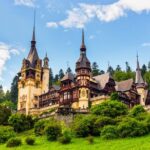
First up is Peleș Castle in Sinaia. This is a Bavarian-style castle built in the 19th century for Romania’s royalty, set among a lush forest. Entry includes the basic tour, and you’ll go through ornate rooms with furnishings and décor that are kept in excellent shape. A lot of castle tours stop at “pretty rooms.” Here, the guide-led format helps you notice the design and why the place looks the way it does.
Next, you head to Bran Castle, commonly linked to Dracula. Your entry is included, and this is also where the real value is. Bran can have long entry lines, and getting skip-the-line access means you spend time learning instead of waiting. That’s not a small perk. When you’re paying for a week of transportation and guides, losing an hour or more in a queue is the kind of time tax you can avoid.
At Bran, you’ll tour Gothic chambers and learn about its ties to Bram Stoker’s Dracula. You’ll also hear about Vlad the Impaler and the idea that he inspired the fictional Count Dracula. Even if you’ve seen the movie version of the story, the castle visit helps you understand why the legend took hold. The chambers and preserved rooms make it feel like a place where stories could grow.
One practical note: the tour includes the basic entry, so if you want anything upgraded or extra, you may need to pay separately. But for many first-timers, “basic tour plus skip-the-line” is the sweet spot.
Rasnov Citadel and views: a fortress day with room to breathe
After Bran, you move to Râșnov Citadel for gardens and panoramic views. Râșnov’s fortress is a walled stone compound designed to ward off attacks, including a history tied to Tartars, and it served as a refuge for local villagers during medieval warfare.
This stop feels good after castle intensity, because it mixes exploration with open-air time. You’ll walk courtyards and ramparts and visit a well built by the Teutons around the 13th century. You also drive back to Brasov after.
In terms of energy, this day is a balance of “big stops” and “actually see the setting.” If you’re the type who likes to understand where defense structures sit in the geography, you’ll enjoy Râșnov.
Magura and the Bat Cave: rural Transylvania, not just stone
Day six shifts from castles to nature and village life. You’ll travel from Brasov to rural villages around Pestera and Magura. The activity includes a walking tour with cave time, about 3 to 4 hours, easy to medium, and up to about 12 km.
The highlight is the Bat Cave visit. It’s a national natural monument within the National Park “Piatra Craiului.” The cave entrance goes through a narrow corridor, followed by a grotto and a gallery. You’ll see Jurassic limestone formations, including so-called tears of the earth. One detail that matters for visitors is that the cave is not electrified, to protect the natural habitat of the bats.
This is the kind of stop that changes the whole tone of your trip. For a full week, you’ll see walls, towers, and defensive design. Then you get a system shaped by time and living creatures, not by human warfare. It’s also a more active day, so I’d wear shoes you can trust.
The last transfer back to Otopeni
On day seven, it’s a 3-hour transfer to Bucharest airport. It’s an easy ending, and it gives you a chance to catch your breath after several long days.
You’ll be back at the meeting point location. Since the tour is designed around getting you to the airport, it’s usually best to plan your departure based on the trip’s end, rather than hoping to squeeze in last-minute sightseeing.
Price and value: what your $1,618.39 actually covers
At $1,618.39 per person for roughly 7 days, you’re paying for more than just admission tickets. Here’s what you can count on from the included items:
- 6 nights of accommodation: 2 nights in Sibiu, 1 night in Sighișoara, 3 nights in Brasov, with 3* level stays mentioned and upgrade options available.
- Breakfast (6) and lunch included.
- Private transportation throughout, plus an English speaking tour guide/driver.
- Entrance fees included at Peleș Castle and Bran Castle (basic tour).
- Mobile ticket (useful when lines and timing matter).
Where you might spend extra: meals not listed as included, drinks, tips, travel insurance, airfare, and entrance fees for stops that are marked as not included. In practice, that means your biggest “certainty” costs are the meals and the two headline castles, while smaller attractions may vary.
For value, the big win is that skip-the-line access at Bran helps protect your time, and the tour structure gives you bases in Sibiu and Brasov. That reduces fatigue and makes the week feel like a journey rather than a checklist.
Who this tour fits best
This is a great match if you:
- want Dracula-related sights without wasting time in queues
- care about fortified churches and Saxon towns, not only castles
- like a mix of guided indoor visits (Peleș, Bran) and outdoor walking (Râșnov, Magura)
- want a small group experience, max 6 travelers, with private transport
It’s less ideal if you:
- hate long drives, because transfers can be several hours
- prefer totally relaxed pacing with minimal walking, because some days are up to around 12 km (easy to medium)
Should you book Medieval Transylvania Small Group Tour?
I’d book it if your priority is a balanced Transylvania week: real towns, real fortifications, and the two Dracula-linked headline stops handled with skip-the-line Bran entry and guided access at Peleș.
If you want to spend your days completely at your own pace, you may feel boxed in by the schedule. But if you like having a plan that links castles to the places that created them, this route makes a lot of sense.
FAQ
What’s included in the tour price?
The tour includes lunch and breakfast (6), entrance fees at Bran Castle and Peleș Castle (basic tour), private transportation, an English speaking tour guide/driver, and 6 nights of accommodation (2 nights in Sibiu, 1 in Sighișoara, 3 in Brasov). It also uses a mobile ticket.
Are Bran Castle and Peleș Castle tickets included?
Yes. Entrance fees at Bran Castle and Peleș Castle are included, and the Bran visit also benefits from skip-the-line admission.
How big is the group?
The tour has a maximum of 6 travelers.
Where does the tour start and end?
It starts at Bucharest Henri Coandă International Airport in Otopeni, and it ends back at the same meeting point.
What dates and times does the tour operate?
The listed opening hours show 04/22/2025 to 11/04/2025, with Tuesday operating from 8:00 AM to 1:30 PM.
What’s the cancellation window?
You can cancel up to 6 days in advance for a full refund. Canceling 2 to 6 full days before the experience start time gives a 50% refund, and canceling less than 2 full days before is not refunded.
Newest Bucharest write-ups
- Half Day Tour in Bucharest
★ 5.0 · 1 review - Private transfer to BRASOV
★ 5.0 · 1 review - Bucharest: Capture the most Photogenic Spots with a Local
★ 5.0 · 1 review - Bucharest Private Custom Walking Tour with Guide (Private Tour)
★ 5.0 · 1 review - Transfer Bucharest to Constanta / Mamaia
★ 5.0 · 1 review - Uncover Transylvania: Private 2-Day Tour Bears & Medieval Wonders
★ 5.0 · 1 review - 7-Days Grand Romania tour from Bucharest
★ 5.0 · 1 review
7-Day Experiences, compared.
4×4 Driving Experience at Flying Altitudes – 7 Days
Read our review →
7-Day Private Tour of Transylvania from Bucharest
Read our review →
Amazing Romania – Seven day private tour from Bucharest
Read our review →7-Day Romania Tour -Transylvania and Painted Churches
Read our review →
7 days Private Romania Grand Tour from Bucharest
Read our review →
7 Days Private Guided Tour in Romania from Bucharest
Read our review →
7 Day Best of Transylvania Motorcycle Tour from Cluj
Read our review →Browse the lists this tour appears in