
Reviewed · NORTHERN MARAMURES TRIPS
Two days tour to Maramures: local experiences and culture
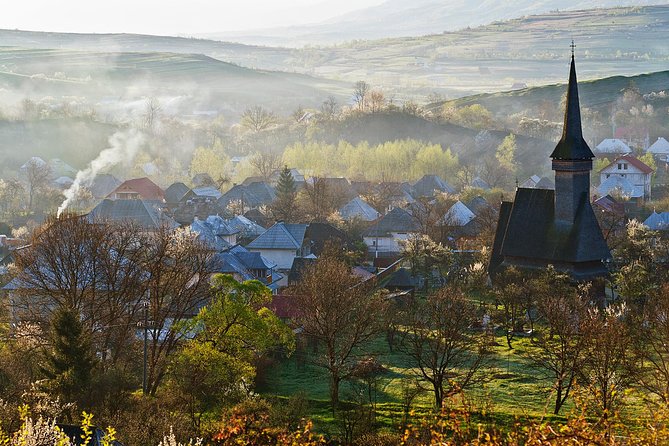
Maramures feels like Romania before speed and screens. This 2-day tour from Cluj-Napoca mixes hand-carved wooden churches with real village life, and you also get an overnight inn so you are not rushing through everything in one day. I especially like how the day includes both art and daily routine, and how guides such as Florin bring the buildings and traditions to life with clear stories you can actually use when you look at the carvings.
The biggest win for me is the human scale. You spend time in Breb learning how the community keeps old ways going, and then you get the striking contrast of Merry Cemetery with its colorful wooden crosses. The only drawback to consider is the pace, it includes walking village paths and church interiors, plus a fair amount of road time between stops, so comfortable shoes and patience help.
In This Review
- Key highlights to plan around
- The value of a two-day Maramures trip from Cluj
- Day 1: Cluj-Napoca to Breb, where traditions still feel normal
- Breb village walk, plus lunch and overnight
- Day 2: Merry Cemetery, and how a single craftsman changed a tradition
- Wooden churches in Barsana and Poienile Izei, UNESCO carving you can read
- Craft homes and traditional gates, where woodwork becomes daily identity
- Valtori whirlpools for rug washing, a living technique with serious texture
- The last virgin forest and hill villages, finishing with nature scale
- Food, what you actually get to eat, and how to plan for the rest
- Guides and timing: why Florin and Ilona matter to your experience
- What to pack and how to handle the walking
- Who this Maramures tour suits best
- Should you book it?
Key highlights to plan around
- Breb village time, with a traditional lunch and an overnight stay that feels local
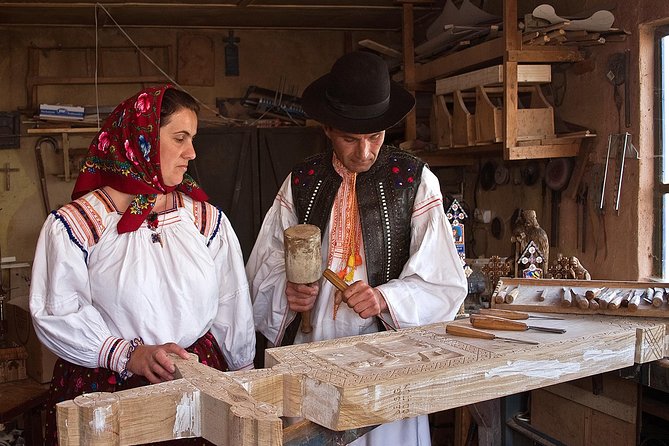
- Wooden churches with UNESCO status, including Barsana and Poienile Izei, built and carved by local craftsmen
- Merry Cemetery at 1935 roots, started by woodcarver Stan Ioan Pătras
- Craft workshops and wood gate details, plus pottery you can actually picture at home
- Valtori whirlpools for rug-washing, where local women still use traditional methods
- Virgin forest views and hill villages, a last glimpse of the region’s natural scale on the way back
More of Maramures, up north:
- Maramures best, full day tour from Cluj★ 5.0 · 33 reviews
- From Cluj-Napoca: Maramures Day Tour★ 5.0 · 19 reviews
- Maramures Activ Tour★ 5.0 · 6 reviews
- Maramures: 2 Days in Rural Romania★ 5.0 · 5 reviews
The value of a two-day Maramures trip from Cluj

For most people, Maramures is one of those places you plan months in advance, then you realize you have only a few days. This tour fits the reality. You get transportation, an English-speaking guide, three meals total (breakfast plus lunch and dinner), and one overnight in a traditional-style place.
At $685.67 per person for a private tour, the price is not cheap. But you are not just paying for driving. You are paying for someone to connect the dots between what you see and why it matters, plus the convenience of not having to coordinate transport and timing across several rural stops. If you like culture that is hands-on, this is strong value.
Also, the format matters. Pickup is offered, you start at 9:00 am, and you get a mobile ticket, which keeps things simple on day one.
Day 1: Cluj-Napoca to Breb, where traditions still feel normal
Your day begins in Cluj-Napoca with pickup, then you head north toward Maramures. On the ride, a good guide does more than read off facts. You get context for what you will notice later, like how wooden churches were built and why certain families and trades stayed tied to the community for generations.
This matters because Maramures is not just a museum. When you understand that these houses, churches, and crafts were built by local makers using local traditions, the details stop being decoration and start being evidence of identity.
Breb village walk, plus lunch and overnight
Your first major destination is Breb, a village noted in documents as far back as 1715. Here, you take a walking tour that is designed for orientation, not just photos. You see how the village layout and architecture support everyday life, not just special events.
Then comes the part that makes the day feel real: a traditional lunch and time in a traditional hotel for the night. I like overnight stops like this because you stop thinking like a visitor and start thinking like a guest. Even the meal rhythm helps, since you are not constantly scanning for what is next.
A practical consideration: walking is part of the experience. It is not described as a hike, but you should still plan on uneven village surfaces and do basics like good footwear and a small day bag for water and layers.
Other Cluj Napoca days worth the drive
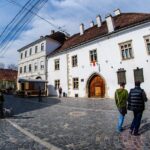
Day 2: Merry Cemetery, and how a single craftsman changed a tradition
After the overnight, you head to one of Maramures’ most unusual sights: Merry Cemetery. This cemetery was shaped by woodcarver Stan Ioan Pătras, whose first tombstone dates to 1935. From there, the tradition grew into a collection of more than 800 colorful wooden crosses, each with epitaphs.
This is not a gloomy stop. It is emotional, but in a human way, because you see the community’s creativity applied to remembrance. The craftsmanship is the point, and the guide’s job is to help you look without rushing, since the cemetery is made of many small pieces of meaning.
Best way to enjoy it: go slow. If you sprint through, you miss the details that make it special, like the way color and form communicate personality and respect. Also, because this is an outdoor site with lots of wood, photography can be tricky if it gets windy or wet, so you might want to keep your gear protected.
Wooden churches in Barsana and Poienile Izei, UNESCO carving you can read
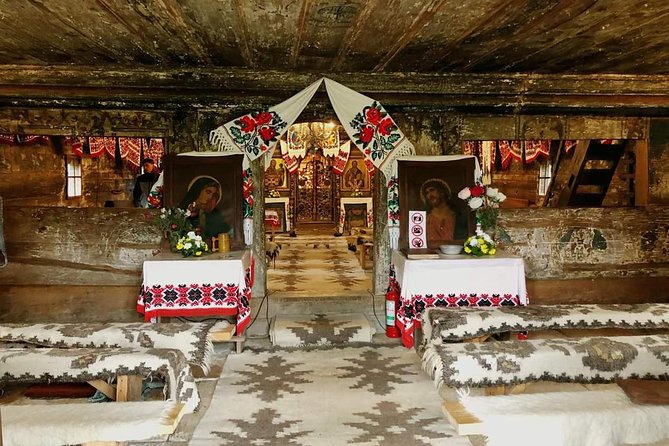
Next is the religious side of Maramures, centered on the Wooden Churches of Maramures, including Poienile Izei and Barsana, both listed as UNESCO World Heritage Sites. These are the stars of the show if you care about architecture, because the detail is not just ornamental. It is structural, spiritual, and practical, all at once.
You visit two churches, and the experience is timed to let you actually see the handwork. Look closely at the carved elements and the way the wood is treated and joined. Local craftsmen built and carved these churches as a form of gratitude to God, and that intention shows in the care.
One helpful note: church interiors can be visually busy. Your guide can help you understand what to notice first, so you do not end up staring at the ceiling for 10 minutes with no idea what you are seeing.
Craft homes and traditional gates, where woodwork becomes daily identity
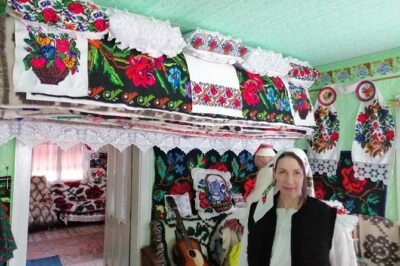
After the churches, the tour shifts from sacred spaces to daily trade. You visit homes of local craftsmen where you can admire work such as hand-carved traditional wooden gates and pottery.
I like this stop because it connects the art you just saw with the skills that keep getting used. A wooden church is impressive, but it can feel distant. A gate carving or pottery piece feels like something a person made for their neighbors.
If you plan to buy something, set expectations carefully. The tour does not mention shopping as an included item, so treat it as optional and budget separately, especially since personal expenses and souvenirs are not included.
Valtori whirlpools for rug washing, a living technique with serious texture
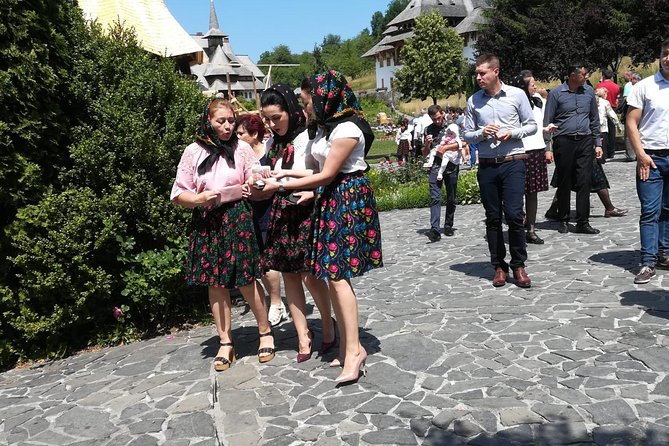
Then you reach Valtori, described as the whirlpools of Maramures, a place where local women still go to wash wool rugs in a very natural and ecological way. This is not a staged demonstration. It is tied to a real need, and that is why it feels different from typical “craft villages.”
The tour frames Valtori as an ecological washing approach, and the core idea is simple: you use water movement to handle woolen rugs that are hard to manage by hand. You also get a sense of how the landscape shapes routine. Water is not just scenery here, it is work.
This stop can be a highlight if you enjoy cultural process, not just finished products. If you prefer things to be mostly indoor and calm, you might find it a bit more active, because you are observing a working place rather than visiting a quiet gallery.
The last virgin forest and hill villages, finishing with nature scale
On the way back to Cluj, the tour includes two final nature-focused moments.
First is the last virgin forest in Maramures, described as untouched by humans and home to more than 10,000 species of animals and plants. The point is not that you will count species, it is that you feel the scale of a place that has not been engineered for tourism. This is where the region’s “keepers of old ways” idea expands from culture into ecology.
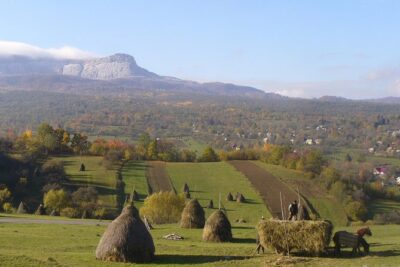
Then you climb to heights for hill villages and sweeping scenery. The vibe is described as a Lord of the Rings setting, and even if you do not obsess over fantasy maps, the effect is about perspective and distance. You see why locals built and lived where they did.
If you have limited time in Romania and you want both culture and nature, these two moments help balance the heavier church and cemetery stops.
Food, what you actually get to eat, and how to plan for the rest
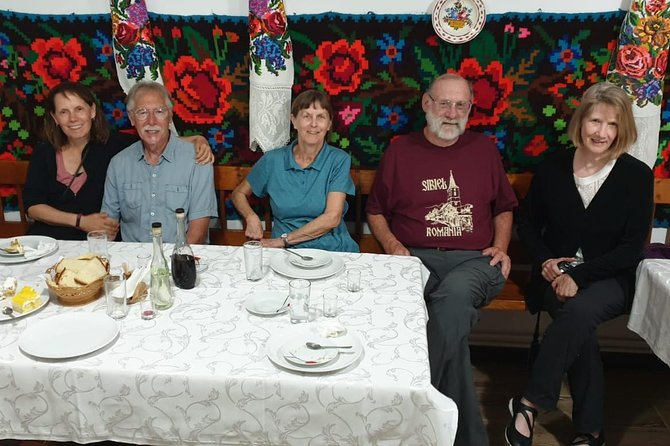
This tour includes:
- Breakfast
- Traditional lunch in Breb
- One traditional dinner
Food is not an afterthought here. The included lunch and dinner are part of the cultural experience, not just a meal ticket. I like that the tour locks in at least two traditional meals instead of leaving everything open-ended.
What to plan for: beverages are not included, and meals unless specified are not included. So you should budget for water and drinks during sightseeing breaks. If you have specific dietary needs, the data does not say how flexible the inn kitchens are, so you should check directly with the provider before you book.
Guides and timing: why Florin and Ilona matter to your experience
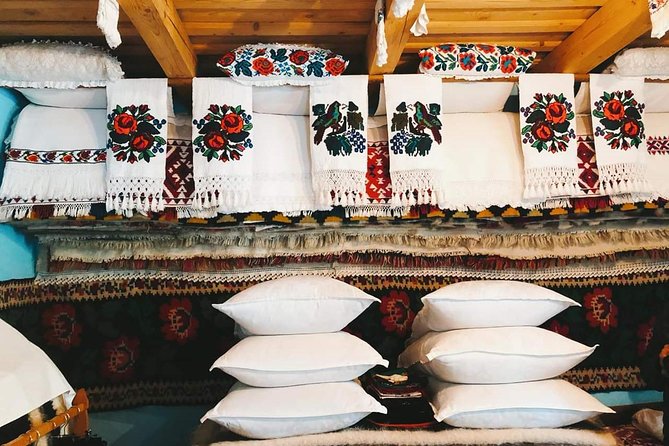
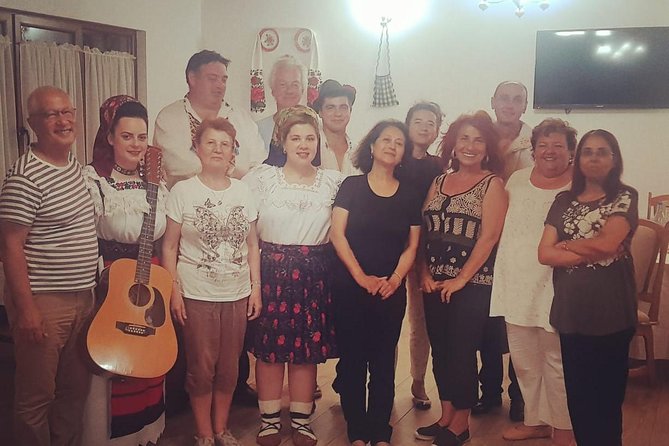
This is a private tour, and that changes everything about pacing. You get an actual conversation, not a running commentary over a crowd. The review notes highlight that guides like Florin are on time and very strong at connecting the history of Romania and the churches you will see. That combination matters, because wooden carvings and cemetery symbolism need context.
Another mentioned guide is Ilona Farkas, praised for knowing the area and its cultural and artistic significance well. When your guide understands the local details, you end up looking with intention, not just taking in sights.
What to pack and how to handle the walking
Because the tour includes village walking and indoor visits, I recommend packing like this:
- Comfortable shoes for uneven surfaces
- A light jacket or layer for church interiors and outdoor breaks
- A small bag for water and camera items
- An awareness that some sights are outdoors, so wind and weather can affect comfort
Photography is a practical point. Photography fees are not included, so if you plan to shoot a lot inside churches or at specific locations, you might want to ask on the day what is allowed and what costs extra.
Who this Maramures tour suits best
You will love this tour if you want:
- Culture that is still lived, not only staged
- A tight schedule with real rural time, including an overnight
- Guided stops that help you understand wooden church design and cemetery symbolism
- Traditional food without planning every meal
This is also a good fit for couples and small groups who prefer private pacing. The tour is described as private, and it offers group discounts, so it can work well if you are traveling with friends.
If you are the type who dislikes any amount of driving time, or you want a fully self-guided route, you may feel the schedule is too structured. But if you want the best “starter set” of Maramures culture in two days, the mix is well thought out.
Should you book it?
I think this is an easy yes if your goal is clear: wooden churches plus living village culture, done in two days without logistical headaches. The value improves when you remember what is included, transport, an overnight, and multiple traditional meals, plus the guide time that makes the sights meaningful.
Book it if you like crafts, symbolic places, and nature that still feels wild in scale. Consider skipping only if you have very low tolerance for walking and road time, or if you need highly specific dietary arrangements that are not mentioned here. If that last part applies, message the provider before you pay, so you can match your needs to the inn and stops.
If you want my quick decision rule: if you are coming to Romania for more than photos and you actually want to understand how people kept traditions going, this two-day Maramures run is a strong bet.
Newest Cluj Napoca write-ups
- Transylvania’s Trail: Sibiu, Bran Castle, Brasov and Sighisoara
★ 5.0 · 1 review - Via Ferrata Transylvania
★ 5.0 · 1 review - Sibiu and wine tasting, day tour from Cluj
★ 5.0 · 2 reviews - Cluj Insight: Walking tour with a travel writer & historian
★ 5.0 · 2 reviews - 3-Day Halloween Tour in Transylvania from Cluj-Napoca
★ 5.0 · 2 reviews - Private city tour in Cluj-Napoca
★ 5.0 · 2 reviews - Discover Corvin Castle in Hunedoara and Deva Fortress
★ 5.0 · 2 reviews
Northern Maramures Trips, compared.
Classic Romania Tour – small group in 8 days: Transylvania and Maramures
Read our review →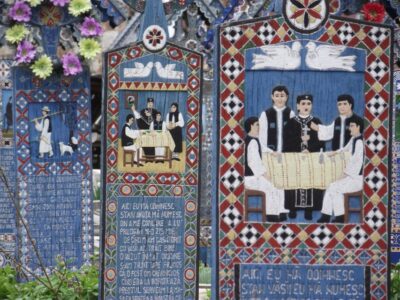
A Journey Back in Time: Countryside from Transylvania and Maramures – 15 Days
Read our review →
Your rendez-vous with Europe’s past: time-travel to Maramures, Transylvania
Read our review →
Browse the lists this tour appears in