
Reviewed · NORTHERN MARAMURES TRIPS
Classic Romania Tour – small group in 8 days: Transylvania and Maramures
Romania works best when you slow down, then speed up. This Classic Romania Tour strings together Transylvania legends, UNESCO villages, and Maramures traditions, starting in Bucharest and ending back where you began. I especially like the small group size (max 6), because it keeps the day moving without feeling rushed. The other big win is how many top-name sites you hit in 8 days, from Bran Castle to Peleș Castle.
The route does come with a tradeoff: it is a fast schedule. You will walk a fair bit, including stair climbs like the roughly 300 wooden steps at Sighișoara, so go into it with comfortable shoes and reasonable stamina.
In This Review
- Key Highlights You Will Feel Right Away
- First Night in Bucharest: Old Town, the Communist Giant, and a City That Won’t Behave
- Leaving Bucharest: Carpathian Monasteries and the Road Through the Olt Valley to Sibiu
- Sibiel, Alba Iulia, and the Turda Salt Mine: Three Stops That Make Romania Feel Unusual
- Cluj-Napoca to Maramures: Wood Houses, Breb Village, and the Merry Cemetery at Săpînța
- UNESCO Wooden Churches: Poienile Izei and Barsana, Plus Woodcarving You Can Spot for Years
- Biertan, Sighișoara, and Viscri: Fortified Churches, a Medieval Fortress Town, and a Royal Rest Stop
- Brasov, Bran, and Sinaia: Black Church Views, Dracula Lore, and the Peleș Castle Royal Finish
- Day 8 in Bucharest: A Walking Finish and Then Airport Transfer
- Price and Value: What $2,339.64 Buys You, and What You Still Pay for Yourself
- Who This Small Group Romania Tour Fits Best
- Should You Book It?
- FAQ
- How many people are in the group?
- Where does the tour start and end?
- Are airport transfers included?
- What meals are included?
- Are admission fees included?
- What happens if the Palace of the Parliament can’t be visited?
- Is the tour physically demanding?
Key Highlights You Will Feel Right Away
- Max 6 travelers, so the guide can pace days around questions and photos
- UNESCO stops like Biertan, Sighișoara, and Maramures wooden churches
- Bran Castle and Peleș Castle paired in the same week, so castles do not blur together
- Maramures culture in villages like Breb, plus the famous merry cemetery in Săpînța
- Practical sightseeing structure, built around monasteries, fortresses, and medieval towns, not just drive-bys
More of Maramures, up north:
- A Journey Back in Time: Countryside from Transylvania and Maramures – 15 Days★ 5.0 · 7 reviews
- Your rendez-vous with Europe’s past: time-travel to Maramures, Transylvania★ 5.0 · 6 reviews
- 6-Days Transylvania & Wooden Churches of Maramures from Bucharest★ 5.0 · 5 reviews
- Private 7-Day Tour in Transylvania, Maramures and Bucovina from Bucharest★ 5.0 · 2 reviews
First Night in Bucharest: Old Town, the Communist Giant, and a City That Won’t Behave
Bucharest is where Romania’s story shows its two faces, old-world charm and 20th-century political muscle. Day 1 starts with a guided look at the Palace of the Parliament area, but there is an important heads-up: the Palace of the Parliament cannot be visited until June. When it is closed, the tour swaps in the Spring Palace instead.
That matters, because this is one of those places where the guide’s context turns marble rooms into a lesson. The building is described as the second largest in the world after the Pentagon, and your guide explains how it shaped the city and the lives around it. Even if you cannot tour the original palace, you still get the point, massive scale built during the communist era, and why it still shapes Bucharest’s mood.
After the big-ticket architecture, you head into Old Town, with its nightlife energy and mixed architectural feel. This is a good first day because it is not just history on a screen. You get oriented in the neighborhood feel, then you sleep in Bucharest to reset before the longer road days.
One more practical note: the day is listed as about 6 hours, with an admission included. That usually means you will have a set schedule, not endless wandering. If you like to wander, keep your first evening easy, you will earn it.
Leaving Bucharest: Carpathian Monasteries and the Road Through the Olt Valley to Sibiu
Day 2 shifts from city walls to church towers and mountain air. The day begins with Curtea de Argeș Monastery, set at the foot of the Carpathians. Monasteries are not just pretty stops on this tour, they are anchors for understanding Romanian culture, faith, and medieval art.
Then you roll into the Olt Valley for scenic driving. The tour description calls out untouched landscapes, and that is usually what you want on a transition day. It breaks up the long travel with views, not just hours in a vehicle.
Next is Cozia Monastery, which reflects national medieval art and architecture. There is seasonal flexibility here: during the summer stretch (mid June to early November), the Cozia visit is replaced with a road trip on Transfăgărășan. If your travel dates fall in that window, you should expect a more dramatic drive experience. Either way, you still end with a meaningful monastery stop.
Then comes Sibiu, a city that blends communities and styles. The guided walk focuses on the Main Square, with the Brukenthal Museum building and the Roman Catholic Cathedral. You also visit Huet Square with the Evangelical Church, plus the Bridge of Lies area and the passage of stairs that leads you through the medieval rhythm of the old town.
If you want a simple strategy for Sibiu, it is this: slow down in the squares, then let the guide point out what to look for. The old town layout can be a little confusing, but the walking tour sequence helps you “get it” without overthinking.
Sibiel, Alba Iulia, and the Turda Salt Mine: Three Stops That Make Romania Feel Unusual
Day 3 is one of the best examples of why this route works: it mixes countryside authenticity, fortress scale, and a truly strange natural site.
The day starts with Sibiel, described as a rural replica of Sibiu, known for being authentic and well preserved. This is not a quick photo spot. You get a short walk and time to see the village feel, which helps the later medieval sights feel more grounded.
Next is Alba Iulia and the largest fortress in Romania, shaped like a star and surrounded by 12 km of walls. The tour frames it as a layered history site, from Roman fort through medieval fortress, then later a Vauban-type citadel with bastions. That layered explanation is exactly what you want in a fortress stop. Otherwise, it can become walls and more walls.
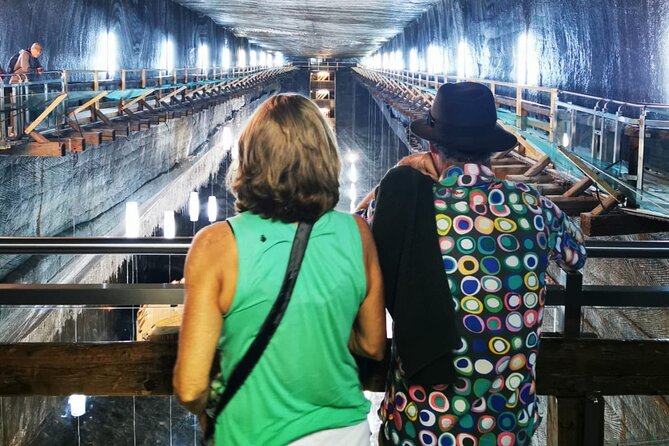
Then you head underground to the Turda Salt Mine, one of the strangest things you can do in Romania without leaving the ground. The description is the right kind of wow: huge galleries, tall halls, and a lake at the bottom, with a hall listed as 118 meters tall. The mine is also where you get that friend-group photo everyone loves, because it looks like you stepped into a movie set.
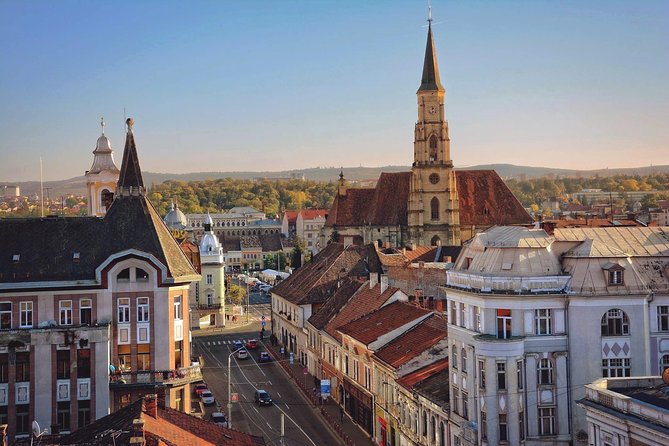
After all that variety, the day finishes in Cluj-Napoca, with a walk that typically includes St Michael’s Gothic Cathedral, Banffy Palace, and Mirror Street. Your guide also highlights areas like the Avenue of Heroes, and the guide’s city walk style is key here. Cluj can feel spread out, so having someone map the city for you saves time and mental energy.
Other Bucharest days worth the drive
Cluj-Napoca to Maramures: Wood Houses, Breb Village, and the Merry Cemetery at Săpînța
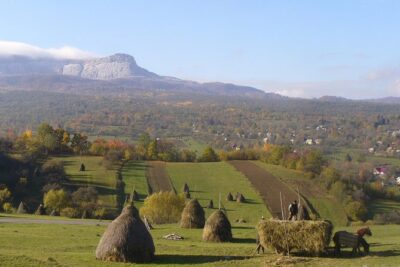
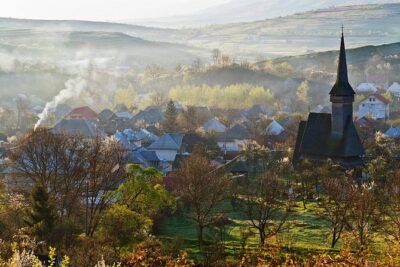
Day 4 is your culture turn. Cluj continues first with a city tour, then the trip heads to Maramureș, described as an open-air museum. This is the point in the trip where Romania feels less like a checklist and more like lived tradition.
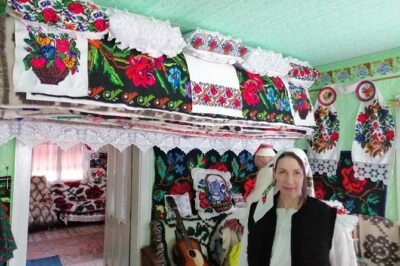
Maramureș is known for traditional wooden houses, and the day is built around meeting that story in person. You visit Breb, one of the best preserved traditional villages. You explore how locals live and visit an authentic house. You also get lunch with fresh products and fruity liqueurs, which is the kind of meal that helps you remember a region, not just memorize a name.
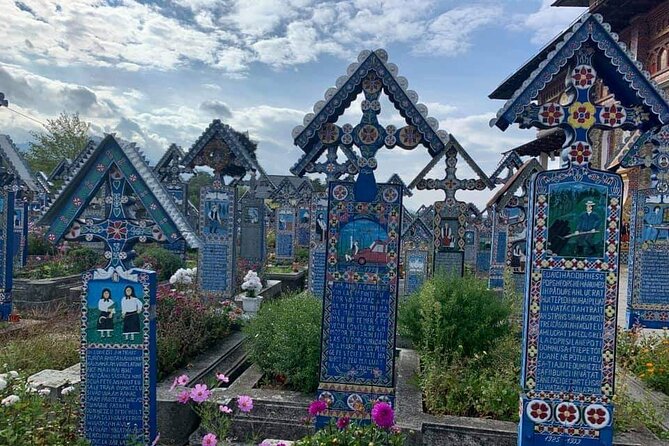
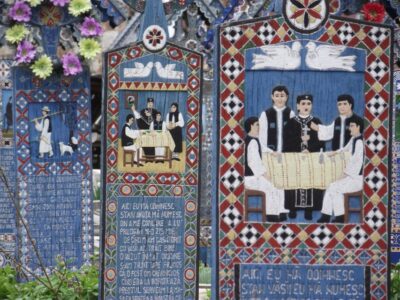
Then you travel toward Săpînța, home to the world’s only community with a merry cemetery. The wooden crosses are painted bright colors, and each includes humorous quatrains inspired by the person’s life. This stop can be emotional, but it is also uniquely Romanian in tone. It is more about personality and how people face loss than about gloom.
The day ends with a Romanian traditional dinner and folkloric show, followed by an overnight in Sighetu Marmației. That matters because it reduces backtracking. Instead of rushing you in and out, the overnight places you close to the Maramureș highlights.
UNESCO Wooden Churches: Poienile Izei and Barsana, Plus Woodcarving You Can Spot for Years
Day 5 keeps the Maramureș momentum, with two UNESCO churches that show how wood can create monumental architecture. You visit Poienile Izei (Iza Meadows) and Barsana, described as one of the largest Orthodox architectural ensembles in Romania.
This is where you should pay attention to details the guide points out, like construction techniques, ornament shapes, and the way the buildings fit the landscape. Even if you are not an architecture person, this is one of the easiest UNESCO sites to appreciate because the material is so visual.
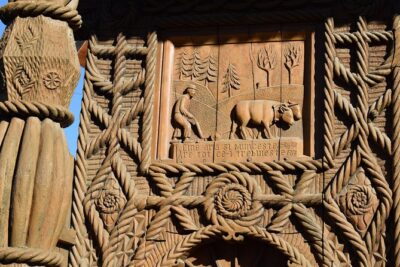
You also see woodcarving culture in action. The tour includes a stop to a workshop of a local artisan, plus time to buy handmade souvenirs. If you like crafts, this is a better purchase than a generic “Romania” magnet because it connects to a real skill. If you are a light packer, consider buying small items only, because wooden goods can be heavy.
Lunch also gets a nod to local life, with fresh products from the region. By the time the day reaches Târgu Mureș, you will probably feel like you have changed gears again, from forest villages to a more urban base.
Biertan, Sighișoara, and Viscri: Fortified Churches, a Medieval Fortress Town, and a Royal Rest Stop
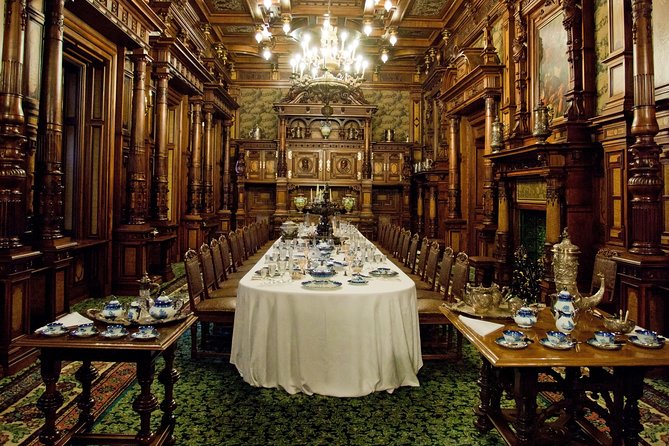
Day 6 is packed, but it is packed with variety that feels natural, not random.
You start with Biertan, described as the largest fortified church in Transylvania and a UNESCO monument built by the Saxons in the 16th century. Fortified churches are a perfect example of why this region history matters. They served both worship and defense, so the architecture tells two stories at once.
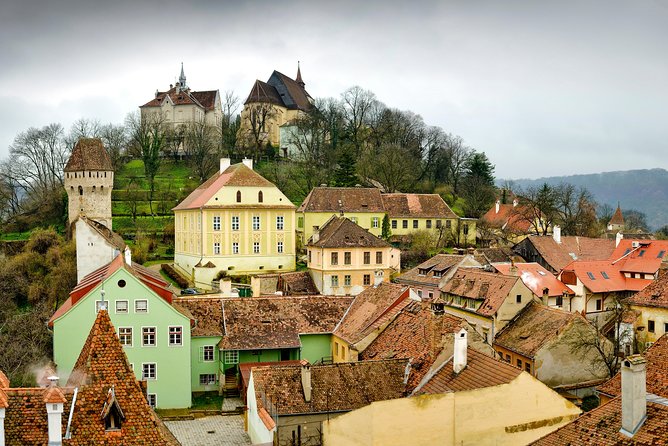
Then you head to Sighișoara, the only inhabited medieval fortress included in UNESCO. The guide-led walk takes you through winding cobblestones lined with historic buildings. You visit the Clock Tower, with a museum of medieval weapons and a torture chamber. Yes, that sounds intense, but it is historically framed, and it is exactly the kind of detail that makes a medieval town feel real rather than postcard-clean.
After the tower, you climb the 300 wooden steps up to the Church-on-the-Hill from the 14th century. This is the one part where you should plan your pace. The steps can feel long if you rush. Slow steps win.
Then the day slows down a little in Viscri, described as a village where Prince Charles restored a traditional house, a place he returns to each year in May. You also enjoy a horse-drawn carriage ride through the village, plus stops to visit locals and enjoy home-made cake. That cake is not a joke, it is usually the moment when a trip stops feeling like sightseeing and starts feeling like a place people actually live.
You end the day in Brașov, founded by the Teutonic Knights and set at the foothills of the Carpathians.
Brasov, Bran, and Sinaia: Black Church Views, Dracula Lore, and the Peleș Castle Royal Finish
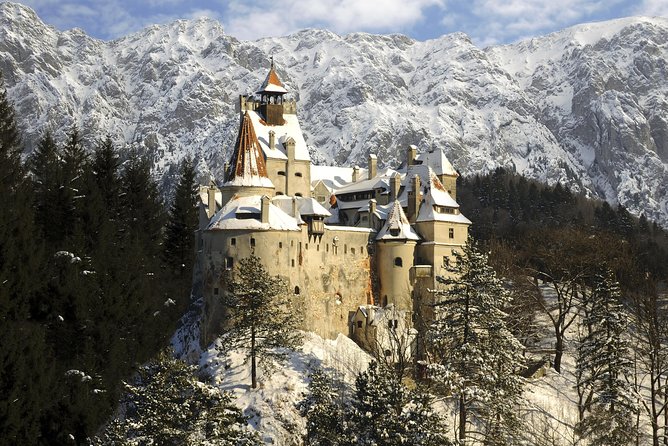
Day 7 is the “big names” day, and it is done in a way that keeps the castles from feeling like repeats.
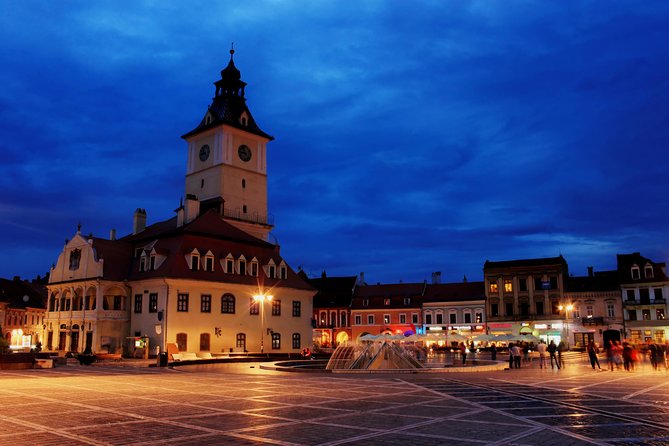
In Brașov, you take a walking tour that hits some recognizable targets: narrowest street in the world (yes, the guide will point it out), Council Square, and the Black Church. The Black Church is a useful anchor point here because it keeps Brașov from becoming only a gateway town. You get a sense of civic life and local identity before you sprint toward Dracula territory.
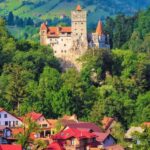
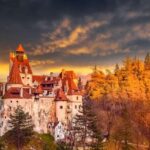
Then you head to Bran Castle, with a guided tour from Brașov. You learn the legend of Dracula, and you also get the basics that explain why Bran became so famous, built in the 13th century on top of a 60-meter cliff, guarding an important access route into medieval Transylvania. The guide helps you separate what the castle is from what people later attached to it. That balance is key if you worry about Dracula hype taking over.
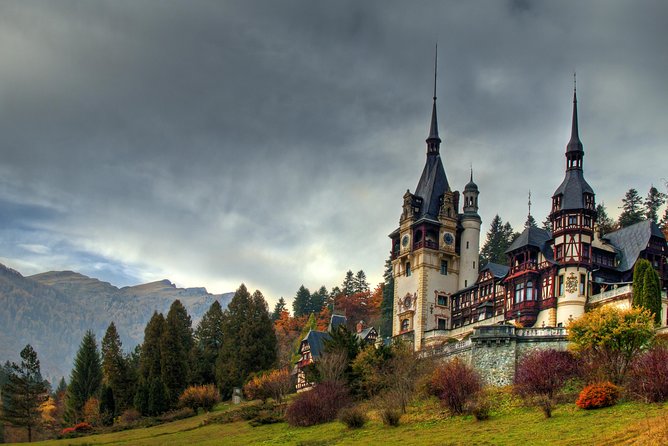
After Bran, you continue to Sinaia, a mountain resort tied to the royal family. Your first stop is the Orthodox Monastery in Sinaia. Then it is Peleș Castle, described as Gothic style and built by the first king of Romania, Carol I of Hohenzollern. You take a castle tour focused on life of the Romanian royal family.
This pairing, Bran then Peleș, works well because the moods are different. Bran feels strategic and story-driven. Peleș feels refined and royal. If you like architecture, pay attention to how each castle communicates power in its own style.
In the evening, you return to Bucharest for an overnight. That sets you up for a simple final day.
Day 8 in Bucharest: A Walking Finish and Then Airport Transfer
Day 8 keeps it light. After breakfast, you check out and the tour ends with airport transfer based on schedule. You will get a final look at Bucharest’s Old Town as a walk-through.
This last day is useful even if your flight is later. It is enough time to grab one last snack, find your bearings, and feel like you finished the trip with closure instead of a rushed departure.
Price and Value: What $2,339.64 Buys You, and What You Still Pay for Yourself
This tour is priced at $2,339.64 per person for an 8-day small-group experience, based on two people sharing a double room. Single travelers pay a supplement.
Here is what that price typically covers on this style of route:
- A professional English-speaking guide who handles the narrative and timing across multiple regions
- 7 nights in centrally located hotels
- Transportation in a modern car or minivan, plus airport pickup and drop-off
- Daily breakfasts
- A folk show dinner once
- One lunch described as traditional local products
- An authentic horse-drawn carriage ride
- Admission tickets included for the listed experiences on the itinerary
What you should budget extra for:
- Entrance fees for monuments not marked as included
- Most meals beyond the included lunch and dinner
- Your flights and health insurance
Is it good value? For me, yes when you want a guided route that links Bucharest, Transylvania, and Maramureș in one week without juggling trains, lodging, and language gaps. You are paying for someone to drive, schedule, and explain. If you prefer total self-direction, you might be able to build a cheaper trip. If you want the effort handled for you while still seeing real places, the price can make sense.
Who This Small Group Romania Tour Fits Best
This tour suits you best if:
- You like guided history and want the story behind each stop
- You enjoy medieval towns, monasteries, and castles more than beaches
- You are comfortable with a moderate fitness level and steady walking
- You prefer small groups where the guide can respond to your pace
It may not be ideal if you hate stairs, because Sighișoara includes a long climb, and old towns can mean uneven footing.
Should You Book It?
Book this tour if your dream Romania trip includes Bran Castle, Peleș Castle, UNESCO villages, and Maramureș traditions with a guide who can connect the dots. The small group size keeps it personal, and the route is structured so you do not just tick off stops. You understand why they mattered.
Skip or consider a different style if you want a slow, relaxed pace with lots of free time for wandering on your own. This itinerary packs a lot into 8 days, and it will ask you to be ready for walking and early starts.
If you do book, pack comfortable shoes and a light day bag. Also, ask your guide about any local closures in advance, especially anything related to the Palace of the Parliament swap, so expectations stay aligned.
FAQ
How many people are in the group?
This tour has a maximum of 6 travelers.
Where does the tour start and end?
It starts in Bucharest, Romania, and ends back in Bucharest with an airport transfer according to schedule.
Are airport transfers included?
Yes. Airport pickup and drop-off are included.
What meals are included?
Breakfasts are included. The itinerary also includes 1 lunch with traditional local products and 1 folk show dinner with local traditions.
Are admission fees included?
Admission tickets are included for the experiences listed in the itinerary. Other monument entrance fees are not included.
What happens if the Palace of the Parliament can’t be visited?
The Palace of the Parliament cannot be visited until June. The attraction is replaced with the Spring Palace.
Is the tour physically demanding?
It lists a moderate physical fitness level. You should expect walking and some stairs, including climbs during sightseeing days.
Newest Bucharest write-ups
- Half Day Tour in Bucharest
★ 5.0 · 1 review - Private transfer to BRASOV
★ 5.0 · 1 review - Bucharest Private Custom Walking Tour with Guide (Private Tour)
★ 5.0 · 1 review - Bucharest: Capture the most Photogenic Spots with a Local
★ 5.0 · 1 review - Transfer Bucharest to Constanta / Mamaia
★ 5.0 · 1 review - Uncover Transylvania: Private 2-Day Tour Bears & Medieval Wonders
★ 5.0 · 1 review - 7-Days Grand Romania tour from Bucharest
★ 5.0 · 1 review
Northern Maramures Trips, compared.
Two days tour to Maramures: local experiences and culture
Read our review →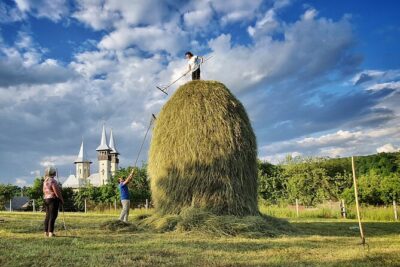
A Journey Back in Time: Countryside from Transylvania and Maramures – 15 Days
Read our review →
Your rendez-vous with Europe’s past: time-travel to Maramures, Transylvania
Read our review →
Browse the lists this tour appears in