
Reviewed · WALKING TOURS
Walking tour of Bucharest
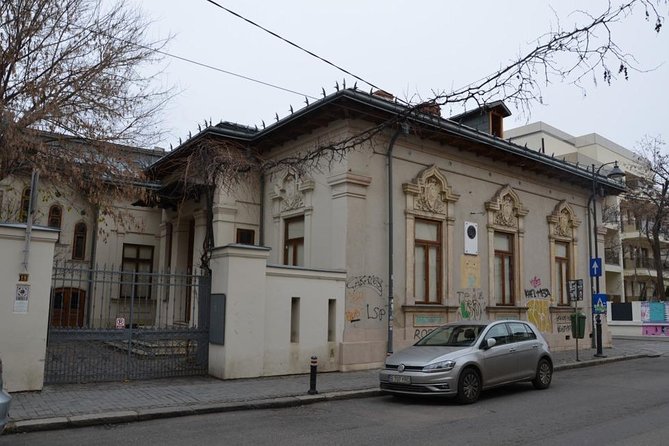
A short walk, a lot of Bucharest. I like how this tour gives you easy context fast, then tests it against real streets, parks, and architecture. You’ll also get strong, story-driven commentary (and even humor) from the host, which makes the stops feel connected instead of random. One thing to keep in mind: the French Institute visit depends on whether it’s a working day, so you may or may not go inside the Reception Hall.
I also appreciate the pacing. At about 3 to 4 hours, you can see meaningful landmarks like Ioanid Park and Biserica Icoanei without spending the whole day in “museum mode.” The possible drawback is that you’re covering several points by foot, so wear comfortable shoes and plan for a bit of walking, even if the route is not described as a long hike.
In This Review
- Key things to know before you go
- A Bucharest walking tour that helps you spot the city quickly
- French Institute in Romania: where culture starts, and entry can be a bonus
- Parcul Ion Voicu: urban growth you can actually picture
- Gradina Icoanei and the Ioanid Park area: two green spaces, different angles
- Biserica Icoanei: a smaller church with real significance
- What the guide really adds to the walk
- Price and value: $24.19 for orientation you can use all day
- Timing, route rhythm, and what to wear
- Who this tour suits best
- Should you book this Bucharest walking tour?
- FAQ
- How long is the walking tour?
- Where does the tour start and end?
- What language is the tour offered in?
- Is food or drinks included?
- Are entrance tickets included?
- Is there free cancellation?
Key things to know before you go
- Small-group feel: up to 50 people, which helps questions stay doable.
- Guided storytelling: a professional guide does the heavy lifting with history and culture commentary.
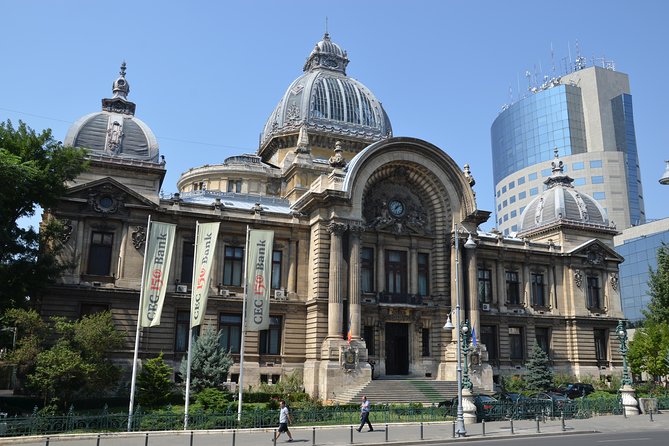
- Parks plus churches: you’ll connect urban planning around Ioanid Park with church architecture in the Icoanei area.
- French Institute stop is conditional: inside viewing is possible on working days at the French Institute in Romania.
- Mostly free admissions on the plan: the listed stops show admission as free, where applicable.
- Convenient start and finish: meets at the French Institute in Romania and returns to the same spot.
More Guided Walks in Bucharest
- Bucharest: City Highlights Guided Walking Tour★ 4.9 · 1,482 reviews
- Bucharest: Communism and History Guided City Walking Tour★ 4.9 · 918 reviews
- Bucharest Highlights Walking Tour★ 5.0 · 469 reviews
- Bucharest: Hidden Markets Walking Tour with Tastings★ 4.9 · 329 reviews
A Bucharest walking tour that helps you spot the city quickly
If you’re new to Bucharest, your biggest challenge is usually not finding sights. It’s making sense of them. This walking tour is built for that exact problem, with a route that threads together city growth, public spaces, and local religious architecture.
You get a 3 to 4 hour run time, which is long enough for real orientation but short enough that you won’t feel cooked by the end. It’s also in English, and the tour notes that a multi-lingual guide may operate, so you should be prepared for language support beyond English if needed.
The vibe is practical. You start at French Institute in Romania, Bulevardul Dacia 77, then move through the Ion Voicu and Icoanei area, finishing back at the same meeting point. That loop matters because it keeps your day simple, especially if you’re also planning other neighborhoods later.
French Institute in Romania: where culture starts, and entry can be a bonus
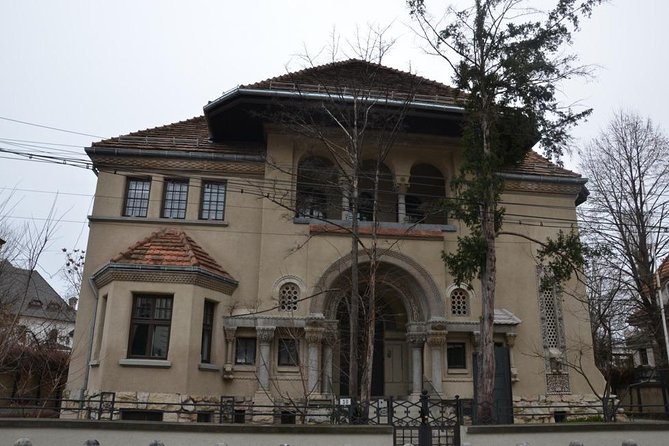
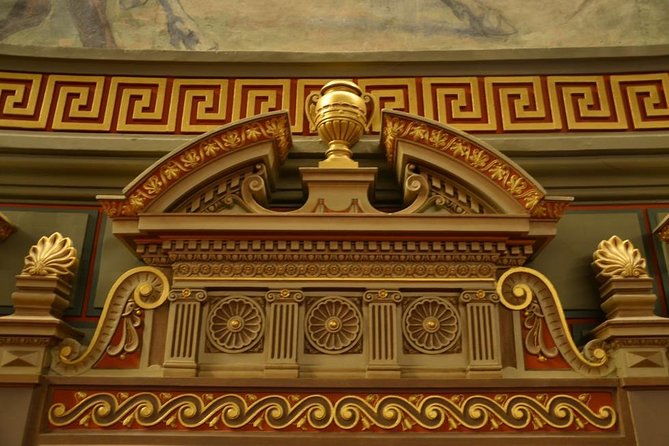
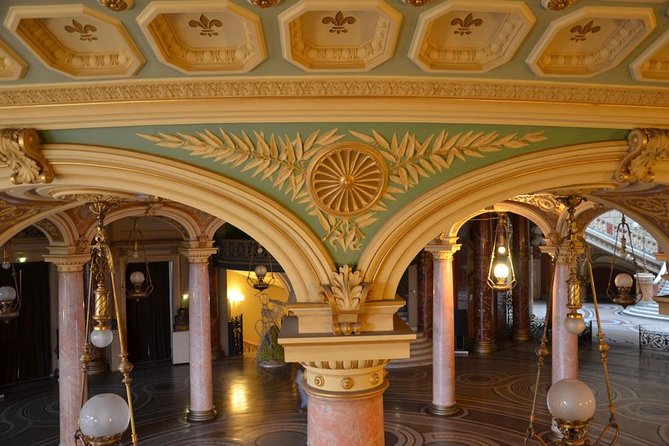
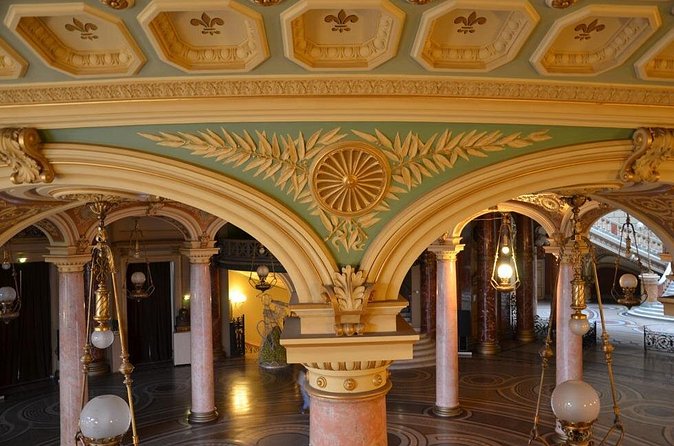
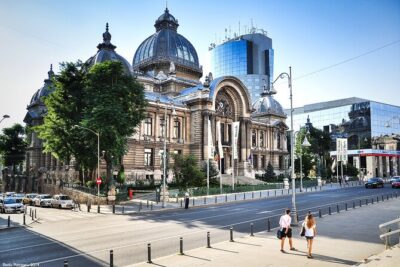
The walk begins at the French Institute in Romania. If the day is a working day for the institute, you get a look inside the Reception Hall, and the tour description notes there are usually exhibitions.
What I like about this first stop is that it sets a tone. Bucharest has a lot of layers, and starting with a cultural institution gives you a frame for what you’ll see later, especially when you move into parks and then churches. Even if you do not get the inside access, you still get a strong anchor point for meeting and beginning your orientation.
What you should consider: this is not guaranteed entry. The itinerary says interior access depends on the institute being open and operating normally for visitors. So if that inside moment is a must for you, be flexible and don’t build your entire expectation around it.
Parcul Ion Voicu: urban growth you can actually picture
Next comes Parcul Ion Voicu. This stop is all about understanding how Bucharest started expanding into the modern era. The tour plan highlights that urbanization began here at the end of the 19th century and into the early 20th century.
That time period is more than a date on a map. It’s when Bucharest’s city fabric starts to show patterns you can still recognize today, from the way streets feel and the kinds of houses that were built. The tour guide is expected to share stories about the area and the houses, so you are not just taking in greenery, you’re learning why this place became important.
The practical upside: parks are a natural break in a walking tour. Ion Voicu gives you a few minutes to reset, then you move on with a clearer story in your head.
A consideration: if you hate pauses, treat this as a narrative stop. You’ll want to listen, then look around a second time. The most rewarding part is often catching details the first quick glance misses.
Different day out, same corner of Romania:
Gradina Icoanei and the Ioanid Park area: two green spaces, different angles
From Ion Voicu, the route moves into the Gradina Icoanei area, right next to Ioanid Park. The tour description calls this park “somewhat different,” which is a useful hint.
Here’s why I think this matters: Bucharest isn’t a city of one single architectural or planning style. Even within a small geographic stretch, you get different moods and different approaches to public space. So the parks are not just scenic. They function like a lesson on how the city evolved and how people used outdoor areas.
You also get a bit of continuity. Starting with urbanization in Ion Voicu, you then pivot to another nearby park, which keeps your sense of place intact. You’re learning a pocket of the city rather than hopping across town.
Timing-wise, this stop is brief, around 10 minutes. That’s enough to absorb the idea and see what feels different, but it’s not a long sit-down break. If you like slow photography sessions, bring that energy for later in the day after the tour ends.
Biserica Icoanei: a smaller church with real significance
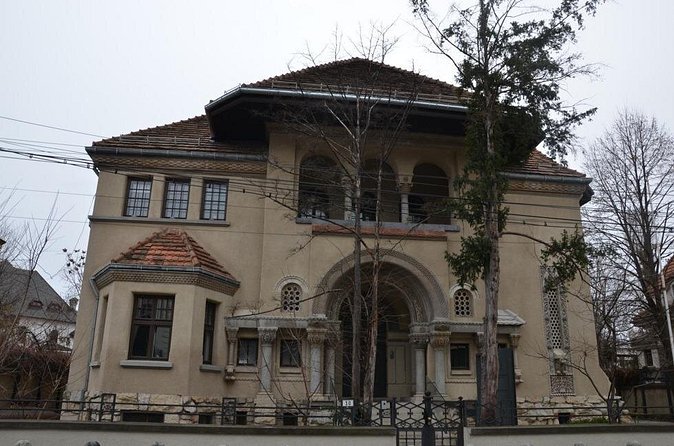
The walking route brings you to Biserica Icoanei, a lesser known church described as having an interesting history. You’ll hear why it used to be once the most important church of the area, and you’ll also get a chance to appreciate nice architecture in its setting.
This is one of those stops that can feel easy to skip if you only want the “big famous monuments.” Don’t. The value here is learning how Bucharest’s identity shows up at street level, in neighborhood religious buildings that anchor community life.
Why I think it works on this specific tour: the church is placed after the park stops. That sequence helps you shift from how the city expanded and shaped public space, to how local institutions and daily life formed around that same growth.
The only practical caution is that churches can have visiting rules and conditions depending on the day. The tour plan lists admission as free, but it does not promise a long inside visit. Treat it as an architectural and historical stop where you get commentary and context, then move on.
What the guide really adds to the walk
This tour is built around the guide, and that shows in the feedback. The host experience gets strong praise for both knowledge and delivery. One review highlights Mihai as passionate and engaging, with excellent French language skills and a sense of humor. Another review calls out the guide’s deep knowledge and the way they walked around the city core while pointing out changing architecture and history.
That combination is exactly what you want in a walking tour. Facts alone can slide past. But when you get stories and a guide who can explain why something matters, the city starts to click.
Look for the “spotlight moments” during the walk:
- When the guide talks about the late 19th and early 20th century urbanization patterns tied to Parcul Ion Voicu
- When architecture in the Icoanei area is described as more than decoration, tied to how the neighborhood grew
- When the route connects parks and churches so you start seeing structure instead of just places
If you’re traveling on your own, that human explanation is one of the best values in the whole experience. You’re not just collecting photos. You’re collecting understanding.
Price and value: $24.19 for orientation you can use all day
At $24.19 per person, this is priced like a practical orientation tour rather than a premium museum experience. And that’s how it should be judged.
You’re paying for:
- A professional guide
- A focused route through meaningful landmarks like the French Institute area, Ion Voicu, Ioanid Park surroundings, and Biserica Icoanei
- Commentary that helps you connect what you see
What you don’t pay for is also important. The tour lists that food and drinks are not included, and entrance tickets are not included where applicable. The good news is that the described stops show admission as free, so you typically are not dealing with multiple paid entries. Still, I’d keep a little buffer in your plan in case a specific moment depends on access conditions.
The other value angle is time. With a 3 to 4 hour duration, you can fit this early in your stay or on a day you want a “core understanding” before branching out. It’s the kind of tour that can make your next hours in Bucharest feel smarter, because you’ll recognize patterns as you walk.
Timing, route rhythm, and what to wear
The tour starts at 10:00 am and ends back at the meeting point, French Institute in Romania. The guide leads the group, and the plan includes several short stops that add up to a half-day feel without dragging on forever.
Group size matters too. With a maximum of 50 travelers, you should expect enough people to have a lively group dynamic, but not so many that the guide is speaking into the void.
My quick advice:
- Wear comfortable walking shoes, because parks and church exteriors are best enjoyed by spending a few extra minutes looking.
- Bring a light layer, since you’ll be outside for most of the tour.
- If your French is rusty or nonexistent, don’t worry. The tour is offered in English, and the reviews praise the guide’s humor and skills, not just one language track.
Who this tour suits best
This is a great match for you if:
- You’re visiting Bucharest for the first time and want a clear sense of how different parts of the city connect.
- You care about architecture, but you also want stories behind it, not just labels.
- You like a calm walk through parks and neighborhood landmarks, with history commentary that stays readable.
It may be less ideal if:
- You want major tourist-ticket attractions or a long museum-style route.
- You are hoping for long indoor time at every stop. The French Institute inside look depends on whether it’s a working day.
Should you book this Bucharest walking tour?
I’d book it if your goal is orientation plus meaningful neighborhood sights in one efficient window. The price is reasonable, the duration fits real travel schedules, and the stops are well-chosen for learning Bucharest’s shape, from urban planning around Ion Voicu to the Icoanei church presence and architecture.
Also, pay attention to the guide factor. The strongest praise here is about the host being engaging, humorous, and well-informed. If you want a tour where you leave understanding what you saw, not just seeing it, this one is built for that.
If the French Institute inside visit is a deciding factor for you, go in with Plan B mindset. Even without the Reception Hall access, the rest of the route still has enough substance to make the walk worth it.
FAQ
How long is the walking tour?
The tour lasts about 3 to 4 hours.
Where does the tour start and end?
It starts at the French Institute in Romania in Bucharest, Bulevardul Dacia 77, and ends back at the same meeting point.
What language is the tour offered in?
The tour is offered in English.
Is food or drinks included?
No. Food and drinks are not included.
Are entrance tickets included?
Entrance tickets are not included where applicable, though the listed stops show admission as free.
Is there free cancellation?
Yes. You can cancel up to 24 hours in advance for a full refund.
Newest Bucharest write-ups
- Half Day Tour in Bucharest
★ 5.0 · 1 review - Private transfer to BRASOV
★ 5.0 · 1 review - Bucharest: Capture the most Photogenic Spots with a Local
★ 5.0 · 1 review - Bucharest Private Custom Walking Tour with Guide (Private Tour)
★ 5.0 · 1 review - Transfer Bucharest to Constanta / Mamaia
★ 5.0 · 1 review - Uncover Transylvania: Private 2-Day Tour Bears & Medieval Wonders
★ 5.0 · 1 review - Private Day Trip to Peles Palace, Dracula’s Castle and Brasov
★ 5.0 · 1 review
Walking Tours, compared.

Ghost Stories & Romanian Mythology Walking Tour
Read our review →
Browse the lists this tour appears in