
Reviewed · NORTHERN MARAMURES TRIPS
From Cluj-Napoca: Two Day Tour to Maramures
Maramures has a way of making time feel slower. On this 2-day tour from Cluj-Napoca, you get the region’s soul through handmade traditions, village hospitality, and spirituality in some of Romania’s most famous wooden churches. You also get real nature time, including virgin forests and hill views.
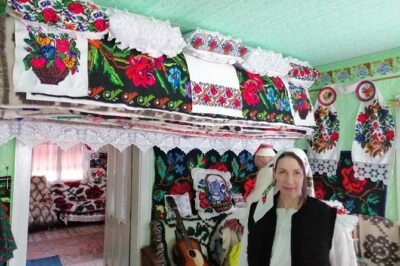
I especially love the “you are in the family home” feeling, where you’re invited into locals’ houses and see how traditions run on everyday life, not staged performance. I also like how the tour pairs craft and humor with faith, from wood carving and palinka to the funny, colorful epitaphs at the Merry Cemetery.
One possible drawback: this is not a sit-and-watch trip. You should expect some walking and uneven village paths, and the itinerary is built around cold seasons too, since an overnight can get below freezing even when the house is comfortable.
In This Review
- Key highlights at a glance
- Why Maramures feels like a time capsule from Cluj-Napoca
- Day 1: The Breb village carved-door welcome and your traditional overnight
- Homes, wood carving, palinka, and why small traditions matter
- Wooden churches, monasteries, and the spiritual side you can actually understand
- Sapanta’s Merry Cemetery: humor at a burial ground that hits different
- Women’s wool-washing whirlpools, haycocks, and the Lord of the Rings feeling
- Price and logistics: what you’re paying for at $688 per person
- Comfort level, walking, and who this tour suits best
- Meet your guide: Florin, Ilona, Josif, and Joseph change the whole trip
- Should you book the Maramures two-day tour from Cluj-Napoca?
- FAQ
- Where does the tour start?
- How long is the Maramures tour?
- What’s included in the price?
- Are any meals besides the included lunch and dinner covered?
- What language is the guide?
- What should I bring?
- Is the tour suitable for wheelchair users or reduced mobility?
- Are pets allowed?
Key highlights at a glance
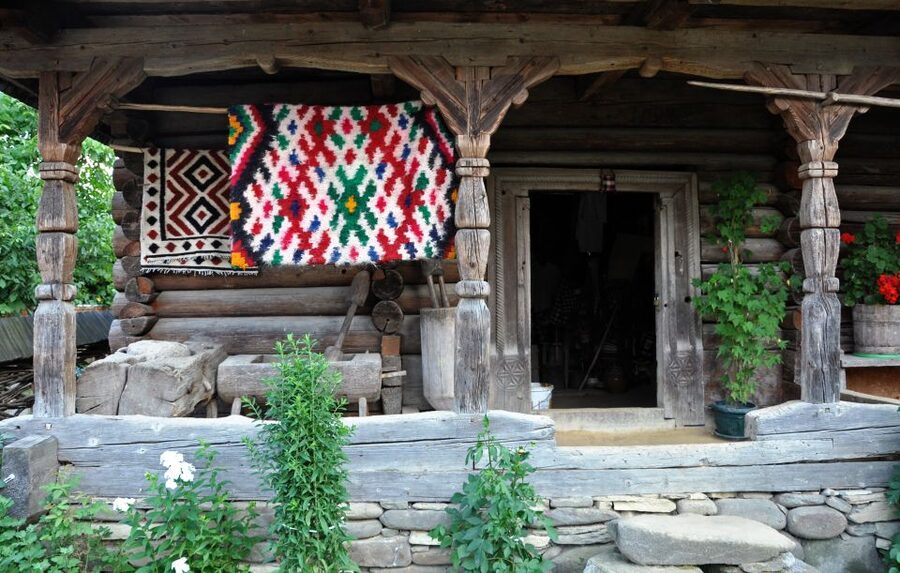
- Enter local homes to see how family, customs, and daily routines connect in Maramures
- Breb village lunch and overnight in a traditional setting with a carved doorway entrance
- Wooden churches and monasteries, including a UNESCO World Heritage wooden church site
- Sapanta’s Merry Cemetery with humorous epitaphs that take death seriously and laughter seriously too
- Hands-on culture time with wood carving, village craft stops, and conversation with locals
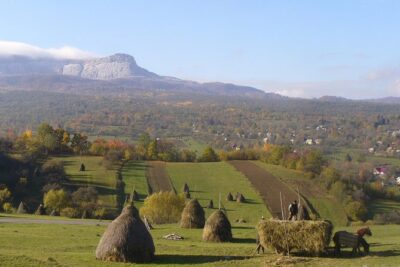
- Nature scenes that feel cinematic, from hill village haycocks to forest with lots of wildlife
More of Maramures, up north:
- Maramures best, full day tour from Cluj★ 5.0 · 33 reviews
- From Cluj-Napoca: Maramures Day Tour★ 5.0 · 19 reviews
- Two days tour to Maramures: local experiences and culture★ 5.0 · 9 reviews
- Maramures Activ Tour★ 5.0 · 6 reviews
Why Maramures feels like a time capsule from Cluj-Napoca
Maramures sits north of Cluj-Napoca, in that part of Romania where traditions still matter because people keep using them. The tour drives you into a region first mentioned in documents in 1199, which sets a tone right away: this isn’t just “old-looking” culture, it’s continuity.
What I like about the overall approach is that you don’t only get sights. You get context. You’ll spend time with the people behind the costumes and the buildings, and the guide ties details together so you understand why wooden churches look the way they do, why certain crafts persist, and why food and faith play such strong roles.
If your travel style is city museums, quick photos, and then leaving, this may feel slower than you want. If you like getting close to daily life and religious traditions, it’s a strong match.
Day 1: The Breb village carved-door welcome and your traditional overnight
The tour starts with hotel pickup in Cluj-Napoca and a drive north toward Maramures, a route that gives you time to settle in before the culture stops begin. Once you reach Breb village, your day gets more intimate.
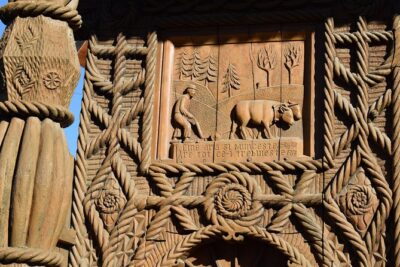
Your first big “wow” moment here is the carved handmade door you’ll enter through. Those carvings are not just decoration, they carry cultural meaning, and the guide uses that doorway to explain how craftsmanship signals identity. You’ll also have a traditional lunch in Breb, with food made from fresh local products.
Then comes the part that often makes or breaks this tour for people: you sleep in a traditional house. That matters because Maramures hospitality is not just about one meal. It’s also about the atmosphere, the warmth of the space, and the rhythm of the evening. One review highlighted how the place was modern and warm even during a below-zero night, which is exactly what you hope for when you’re traveling in shoulder season or winter.
Practical tip: even if your house is warm, bring layers. Evenings can feel cold quickly in that region, and comfortable clothes mean you’ll actually enjoy the calm nighttime time instead of thinking about how chilly you are.
Homes, wood carving, palinka, and why small traditions matter
The heart of this tour is not a single church stop. It’s the repeated experience of seeing traditions up close.
You’ll enter locals’ homes, which helps you understand Maramures culture as something lived, not performed. Your guide will frame the home as the center where family, customs, and tradition revolve. That simple idea changes how you look at everything afterward. When you see a doorway detail or hear about craft roles, you’re not guessing. You have a model in your head for why it exists.
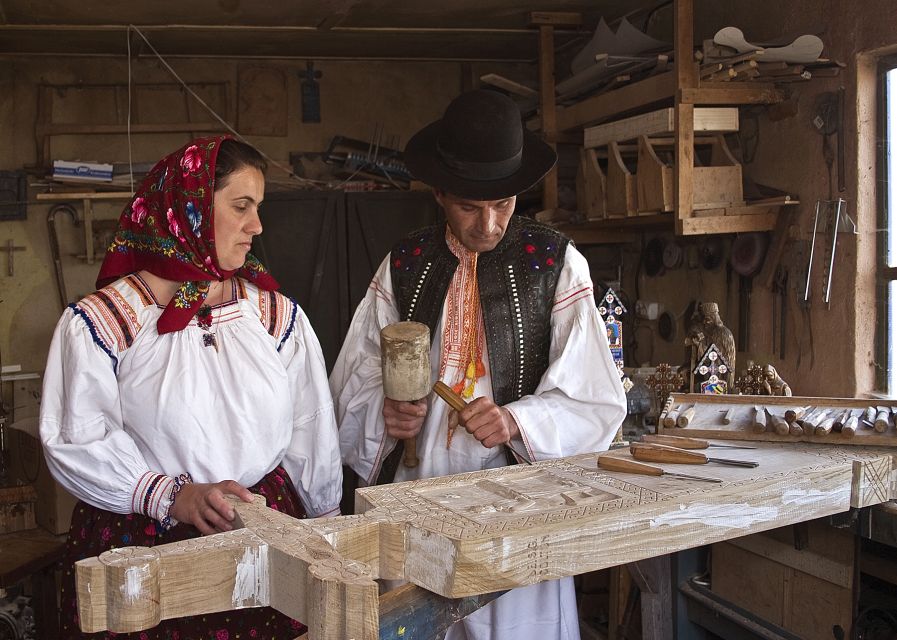
You’ll also see crafting activities like wood carvings. It’s the kind of demonstration where you can ask questions and watch hands work, not just watch finished souvenirs being sold. In Maramures, craft is tied to materials and time, and those constraints explain why certain designs repeat.
Food and drink are part of this too. You’ll taste palinka and talk with locals. Even if you don’t drink much, the point is the conversation around it, because alcohol here is social glue. It’s not just a sip, it’s a moment where people explain themselves.
Finally, there’s humor in the mix. Maramures is known for a sense of humor, and you’ll see it again at one of the tour’s main attractions: the Merry Cemetery in Sapanta, where the epitaphs are funny in tone while still addressing serious themes.
If you’re the type who likes respectful questions, patient listening, and slow conversations, you’ll get a lot from this day.
Other Cluj Napoca days worth the drive
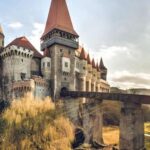
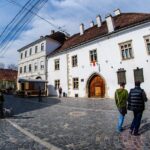
Wooden churches, monasteries, and the spiritual side you can actually understand
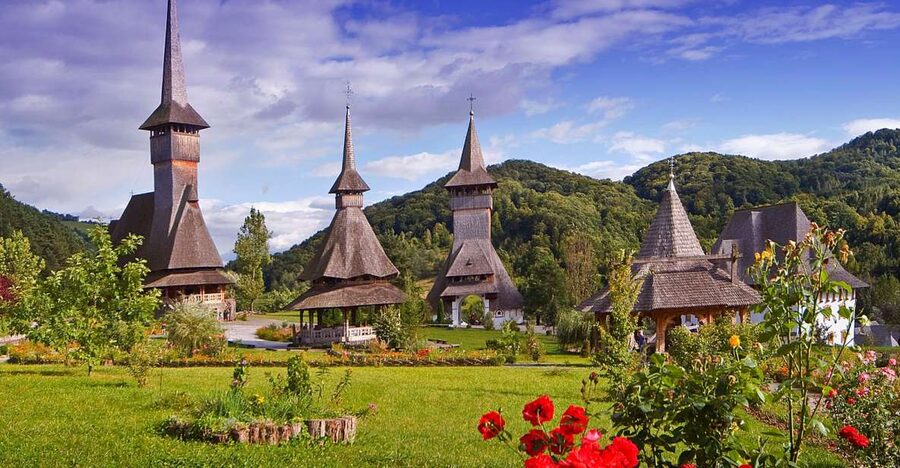
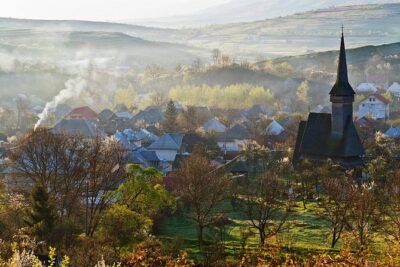
Maramures spirituality is one of the reasons this region attracts visitors. This tour builds that theme in a practical way: you visit monasteries and churches, and you learn how the wooden churches were manually carved by local craftsmen.
This matters more than it sounds. Wooden church architecture is not just pretty. It’s a technical and artistic tradition. When you understand the craftsmanship involved, the buildings stop being “old wood” and start being proof of how people solved problems with local knowledge.
You’ll also visit a UNESCO World Heritage Site connected to these wooden churches. UNESCO can be a buzzword on some itineraries, but here it works because the UNESCO label lines up with what you’re actually seeing: the continuity of design and the skill behind the structure.
What to expect on this portion of the tour is a blend of walking and quiet observation. Churches can be an intense topic, so the best way to enjoy them is to slow down. Bring a moment of patience, and you’ll leave with a clearer sense of how faith, art, and community connect in daily life.
Sapanta’s Merry Cemetery: humor at a burial ground that hits different
The Merry Cemetery in Sapanta is the attraction that people often remember after the nature and architecture fade. The reason is simple: the epitaphs are funny. Not childish funny, not disrespectful funny. They use humor to cope with death and to keep identity visible.
This stop is valuable because it widens the cultural picture. If your early impressions of Maramures are mainly about churches, crafts, and costume pride, the cemetery shows that the culture handles grief in its own language too.
You’ll see the cemetery as one of the tour’s main stops, and your guide can point out what makes the style work. The humor here can also help you relax during a day that’s otherwise full of reflection and religion.
Practical note: plan for time at a cemetery. The point is to read details and look carefully. If you treat it like a quick photo stop, you’ll miss why it works.
Women’s wool-washing whirlpools, haycocks, and the Lord of the Rings feeling
Beyond churches and graves, the tour adds nature and rural routine.
One of the most unique elements is the “natural washing machines” used to wash woolen rugs with whirlpools in Maramures. It’s not something you see in most European destinations, and it’s a great example of practical ingenuity. The idea is: locals used the landscape and water flow to do the heavy work. You’ll get the cultural explanation, not just a visual.
Then there’s the hill village scenery, where haycocks lie in the sun and the terrain gives you that almost fictional look. The tour even frames these views as a Lord of the Rings kind of setting, and the vibe is real once you’re up in the heights. It’s that blend of fields, small settlements, and sky.
You also get time with virgin forests. The region’s forests are described as among the last ones in Europe still untouched by humans, where trees die naturally and feed the next generation of growth. The forest is also presented as a habitat supporting over 10,000 species of animals, including brown bears, wolves, and deer.
A gentle reality check: you are not guaranteed to see wildlife on a forest stop. But knowing the scale of the ecosystem helps you walk differently. You’ll look for sign, not just animals, and you’ll respect the silence more.
If you love nature but prefer it tied to people, this part is a good compromise. It’s not “random hike time,” it’s rural life plus ecology in one package.
Price and logistics: what you’re paying for at $688 per person
Let’s talk value, because $688 per person is not a low price. For that money, you’re buying a bundled experience that is expensive to organize in this region.
Included in the price:
- Modern, well-equipped transport by car
- Accommodation in a traditional house
- A professional English-speaking guide (German or French on request)
- Entrance fees
- Bottle of water
- One traditional dinner and lunch served in Breb
Not included:
- Travel insurance
- Meals other than the lunch and dinner mentioned
- Extra spending like beverages and souvenirs
- A photography fee
Here’s the real value logic: you’re traveling from Cluj-Napoca to a remote region, spending two days with guided access to homes and heritage sites, and covering lodging plus entrance fees. That cost is partly logistics, partly expertise, and partly the fact that you’re not just visiting a museum, you’re visiting people and places that require time and relationship.
My advice: if you’re the kind of traveler who already pays for separate tours, separate transport, and separate entrance tickets, this bundling can make sense. If you’re traveling on a strict budget and dislike paying for guided access, you may find the cost harder to justify.
Comfort level, walking, and who this tour suits best
This tour has a clear “type”: nature lovers, people who love tradition, architecture, history, and religion.
You should be ready for:
- Comfortable shoes, because village paths and church grounds can be uneven
- Cold conditions depending on the season
- A pace that prioritizes stops over long free time
It is not suitable for people with mobility impairments or wheelchair users, so plan accordingly.
Also, photography can cost extra due to a photography fee, which matters if you’re a “camera first” person. If you’re going to take a lot of photos, consider asking how the fee works during the tour briefing, so there are no surprises.
If you enjoy chatting, noticing details in carvings and costumes, and walking slowly through heritage spaces, you’ll probably love it. If you want a lounge-style itinerary with minimal walking, it may feel like too much.
Meet your guide: Florin, Ilona, Josif, and Joseph change the whole trip
One of the strongest signals from past experiences is the guide. This tour is guided by a professional English speaker, and you may also get German or French on request.
Names that have shown up include Florin and Ilona, plus guides listed as Josif or Joseph. The common thread is local connection and the ability to turn facts into real conversation.
One review experience called out Florin as a local boy from Maramures, and that kind of background usually brings two advantages. First, it helps the guide answer questions with details that sound like lived knowledge, not a script. Second, it can make village access smoother, because you’re not just a visitor, you’re a person being welcomed.
That human layer is why the tour often feels more special than a standard highlights route. You’re not only seeing places. You’re learning how locals interpret those places.
Should you book the Maramures two-day tour from Cluj-Napoca?
Book this tour if you want a balanced dose of Maramures culture, wooden churches, and nature, and you’re excited by home visits, craft demonstrations, and religious sites you can actually understand. I’d also book it if you like tours where the guide’s local ties matter, since the experience seems to rise or fall on that.
Skip it if you need wheelchair-accessibility, if you prefer fully free time and lots of independent exploration, or if you’re uncomfortable with cold-weather pacing and outdoor village walking.
If you’re deciding, here’s the quick test: do you want to learn how people live, not just where they lived? If yes, this is a strong pick for a memorable two days in Maramures.
FAQ
Where does the tour start?
The tour starts in Cluj-Napoca. Pickup is included, so your guide picks you up from your hotel.
How long is the Maramures tour?
It runs for 2 days.
What’s included in the price?
The tour includes transport with a modern, well-equipped car, accommodation in a traditional house, a professional English-speaking guide (German or French on request), entrance fees, one bottle of water, and one traditional dinner plus lunch served in Breb.
Are any meals besides the included lunch and dinner covered?
No. Meals other than the lunch and dinner provided are not included.
What language is the guide?
The tour is offered with an English guide. German and French are available on request.
What should I bring?
Bring a passport or ID card and wear comfortable shoes.
Is the tour suitable for wheelchair users or reduced mobility?
No. It is not suitable for people with mobility impairments or wheelchair users.
Are pets allowed?
No, pets are not allowed.
Newest Cluj Napoca write-ups
- Transylvania’s Trail: Sibiu, Bran Castle, Brasov and Sighisoara
★ 5.0 · 1 review - Via Ferrata Transylvania
★ 5.0 · 1 review - Sibiu and wine tasting, day tour from Cluj
★ 5.0 · 2 reviews - Cluj Insight: Walking tour with a travel writer & historian
★ 5.0 · 2 reviews - 3-Day Halloween Tour in Transylvania from Cluj-Napoca
★ 5.0 · 2 reviews - Private city tour in Cluj-Napoca
★ 5.0 · 2 reviews - Discover Corvin Castle in Hunedoara and Deva Fortress
★ 5.0 · 2 reviews
Northern Maramures Trips, compared.
Classic Romania Tour – small group in 8 days: Transylvania and Maramures
Read our review →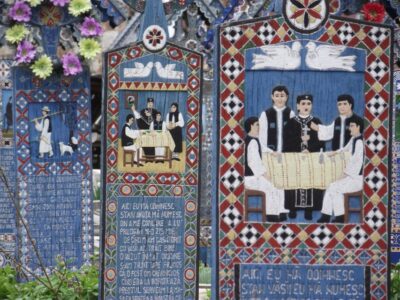
Two days tour to Maramures: local experiences and culture
Read our review →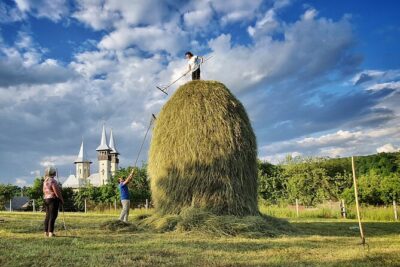
A Journey Back in Time: Countryside from Transylvania and Maramures – 15 Days
Read our review →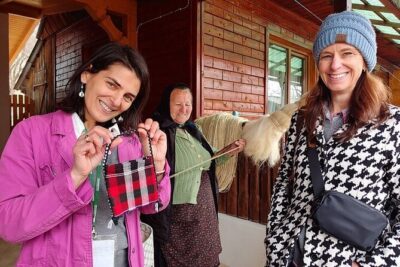
Your rendez-vous with Europe’s past: time-travel to Maramures, Transylvania
Read our review →Browse the lists this tour appears in