
Reviewed · TIMISOARA EXPERIENCES
Timisoara Dream Tour in Elisabetin Neighborhood
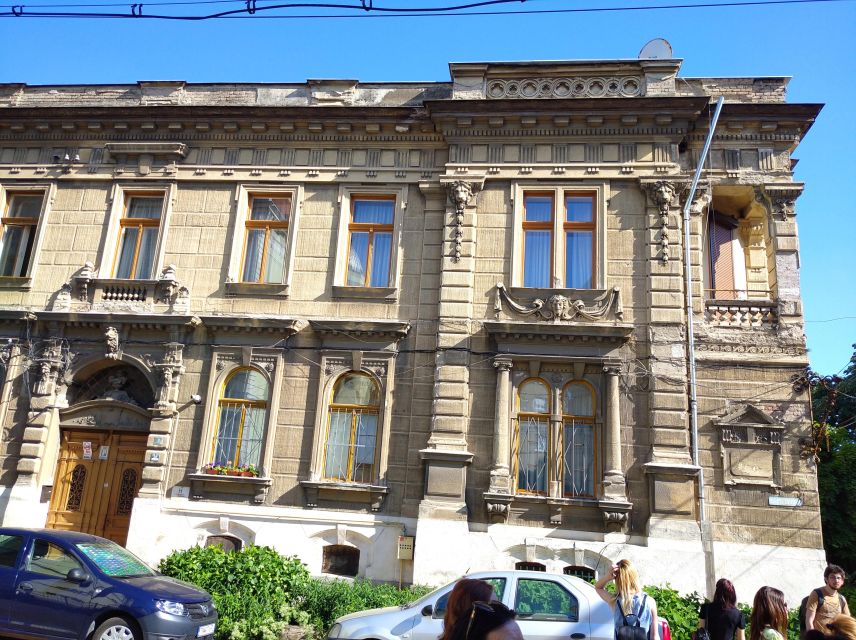
Art Nouveau hides in plain sight in Elisabetin. On this 2.5 hour walk with Timisoara Dream Tours, you get a focused look at Secession-style Art Nouveau and the people and events tied to this quiet part of town.
I especially love how the guide turns street corners into context, not just pretty buildings. You’ll pause at Piața Plevnei for the Art Nouveau square design and the statue of Gherghe Doja, then keep moving along Strada Gheorghe Doja to see how the neighborhood’s architecture works as a whole.
One thing to plan around: it runs rain or shine, and the tour includes only flyers, not food or drinks.
In This Review
- Key highlights you will actually feel on the walk
- Elisabetin: the calm place where Timisoara’s Art Nouveau shows up
- Before you go: pace, rain, and why shoes matter
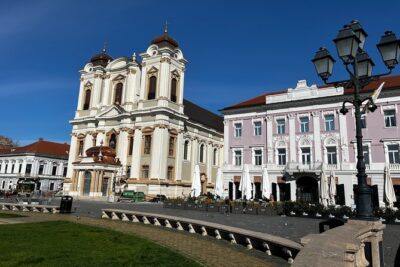
- Piața Alexandru Mocioni and Piața Sfânta Maria: setting the story with two key squares
- Piața Plevnei and Strada Gheorghe Doja: where Secession details become the point
- Carmen Sylva Park: the Greek Catholic church and László Szekely’s legacy
- Bulevardul Mihai Viteazu and Faculty of Mechanics: the “big city” feel inside a residential area
- Piața Bălcescu: finishing with the Catholic church and monastery buildings
- What you really get for the price: value at $30 for 2.5 hours
- Who should book this Elisabetin Dream Tour
- Booking decision: should you take Timisoara Dream Tours in Elisabetin?
- FAQ
- How long is the Elisabetin neighborhood tour?
- What does the tour cost?
- Where do I meet the guide?
- Which languages are available for the live guide?
- Is the tour affected by weather?
- Are food and drinks included?
- Can I bring luggage or large bags?
- What is included in the tour?
- FAQ
- Can I cancel for a full refund?
- Is there a reserve now, pay later option?
Key highlights you will actually feel on the walk
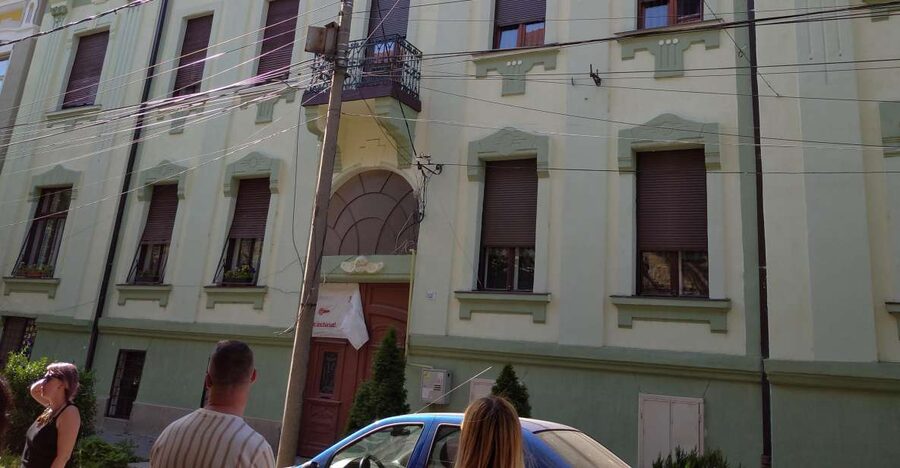
- Secession-style Art Nouveau façades in a calm residential setting, not a crowded tourist strip
- Romanian Revolution of 1989 context tied to the area around Piața Sfânta Maria, near a Protestant church
- Piața Plevnei’s Art Nouveau design, including the statue of Gherghe Doja
- Carmen Sylva Park and the Greek Catholic church, plus the statue of László Szekely
- A strong finish around Mihai Viteazu Boulevard and Piața Bălcescu, with churches and monastery buildings
Other Timisoara days worth the drive
- The Classic Tour of Timisoara★ 5.0 · 154 reviews
- Weekly Guided Tour in English – Tuesday, Thursday, Saturday★ 5.0 · 84 reviews
- Timisoara All in One – Walking and Tram Tour★ 5.0 · 72 reviews
- Weekly Guided Walking Tour – Tuesday, Thursday & Saturday★ 5.0 · 49 reviews
Elisabetin: the calm place where Timisoara’s Art Nouveau shows up
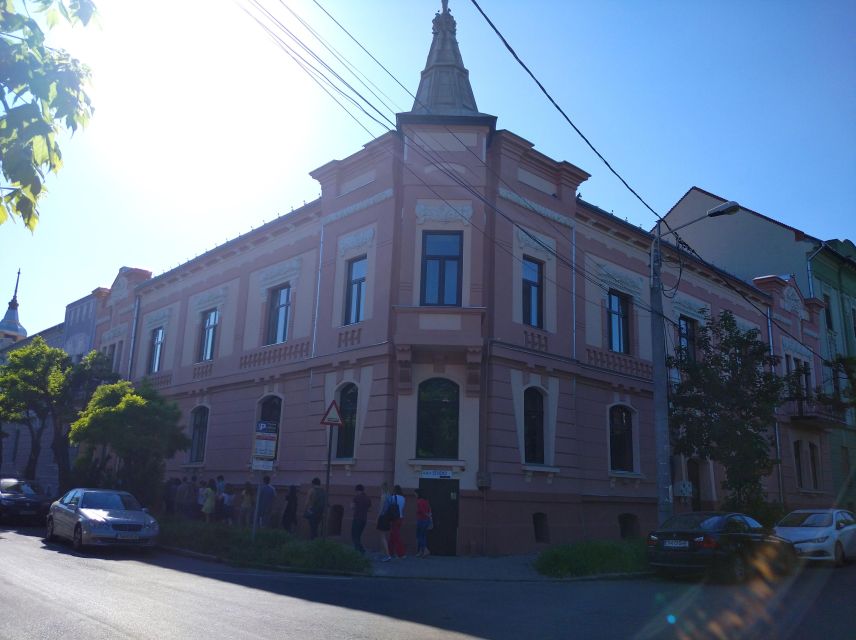
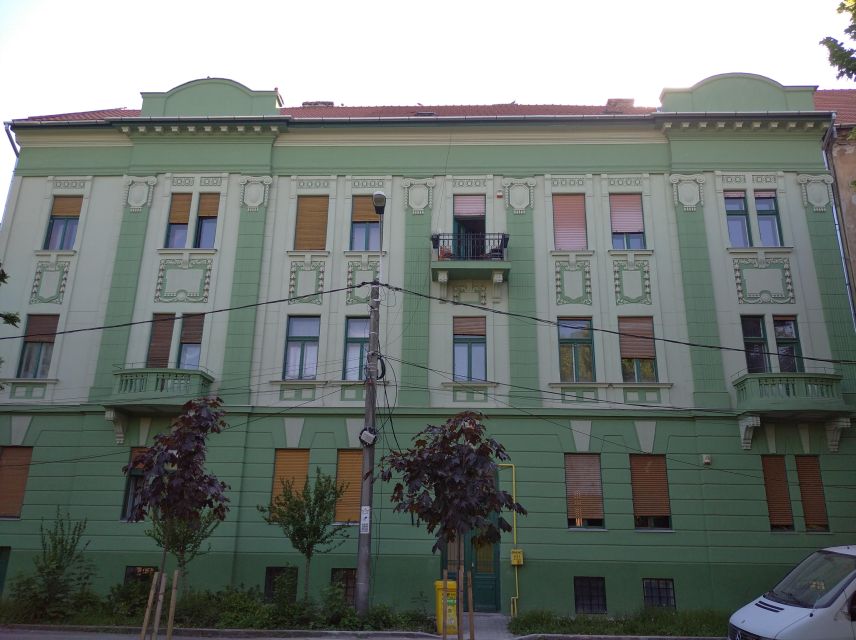
Elisabetin is the kind of neighborhood that rewards slow walking. It is residential and composed, so you get time to notice details instead of racing through big sights. The big theme here is Art Nouveau, specifically the Secession look, which shows up in facades, squares, and the way streets connect.
What I like most is that you are not just staring at pretty exteriors. The tour is built like a trail of visual clues. Each stop gives you a specific reason to look closer. That matters because Art Nouveau can feel samey if you only catch it from the sidewalk. With a guide, you learn what to focus on: shapes, ornament styles, and how certain public spaces were designed to feel cohesive.
And then there’s the other thread: history tied to place. This area links to events tied to the Romanian Revolution of 1989. You’re near key surroundings around Piața Sfânta Maria, which sets a serious tone before the walk settles back into neighborhood beauty.
If you want a Timisoara experience that feels local and slightly off the main drag, this is a smart choice.
Before you go: pace, rain, and why shoes matter
This is a 2.5 hour walking tour. That is a sweet spot. Long enough to move through several squares and streets, short enough that you still feel like you are out exploring after.
It also runs rain or shine. So bring a rain layer, not just a hope-and-pray attitude. If you get cold easily, consider a light jacket, because the walk is outside most of the time.
A practical note you should take seriously: no luggage or large bags are allowed. So travel light. A small daypack is usually fine for most people, but plan as if you will be navigating tight sidewalks and turning around for short stops.
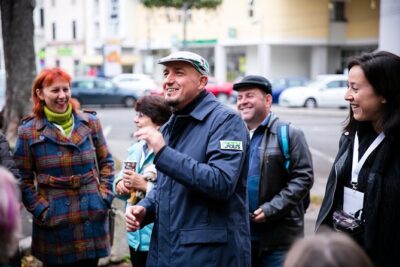
Language options are Romanian, English, and French, and it is a live guide. You’ll meet your guide wearing a red coat. That is helpful in any city where meeting points can feel vague.
The tour does not include food or drinks. You may want to grab a snack before you start, or plan a post-walk café stop so you are not hunting for something later while tired.
Piața Alexandru Mocioni and Piața Sfânta Maria: setting the story with two key squares
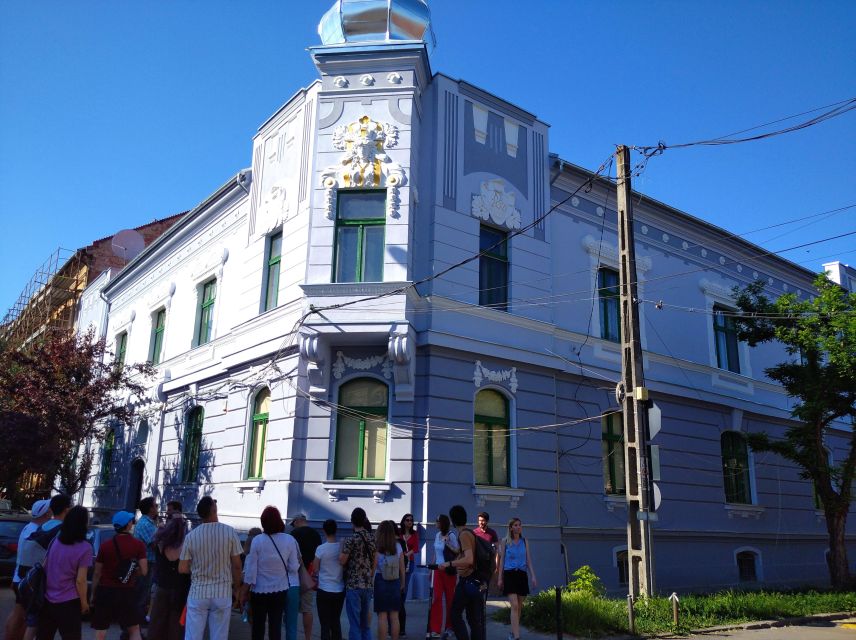
The tour starts at Mocioni Square and then moves to Piața Alexandru Mocioni. This is one of those opening stops that helps you get oriented fast. Even when you’re only here for about 20 minutes, it gives the walk a foundation. You start to understand what kind of neighborhood you are in, and how the architecture and street layout create the mood.
Then comes Piața Sfânta Maria. This is an especially meaningful stop because it is tied to the Romanian Revolution of 1989. The story starts here, near the Protestant church. That context changes how you see the area. You stop looking only at stone and ornament and start thinking about how public spaces become stages during major moments.
You will also hear how neighborhood life looked around the end of the 19th century. That’s a key detail. The tour isn’t just “what happened in 1989,” it helps you connect that event to the longer time span of how Elisabetin formed and functioned.
If you enjoy walking tours where the guide does more than point, this is the type of early stop that wins you over.
Different day out, same corner of Romania:


Piața Plevnei and Strada Gheorghe Doja: where Secession details become the point
Next you head to Piața Plevnei, another square where the design matters. The focus here is Art Nouveau decoration, plus a central statue of Gherghe Doja. Looking at a square with a statue at the center is like getting a stage layout. Everything feels arranged, and that makes it easier to understand why the buildings around it look the way they do.
One practical advantage of this stop: squares give you a natural pause. You can step back and take in relationships between buildings, not just one façade. If you like photography, this is the kind of spot where angles work because the space is structured.
After the square, the tour follows the main artery, Gheorghe Doja street. This is where you start seeing how the neighborhood’s style continues along a route. You are walking the corridor that connects the look of the public spaces to the look of everyday streets.
This is also where the guide’s voice matters. The value here is in knowing what to watch for while you are moving. The tour helps you see the “language” of the architecture instead of treating each building as a random photo opportunity.
Carmen Sylva Park: the Greek Catholic church and László Szekely’s legacy
At Carmen Sylva Park, the tour shifts from streets and squares into a more open, park setting. That change in environment makes the architecture feel more intentional and framed. You are not constantly stopping in the same type of space, so the walking rhythm stays pleasant.
Here you’ll see a new Greek Catholic church that was built in the park. Even if you are not a church architecture specialist, the setting helps you register how these buildings were planned into the neighborhood flow.
The other highlight is the statue of László Szekely, described as the chief architect, creator of modern Timișoara. That kind of named anchor is useful. Without it, architecture walks can blur into general styles. With a person attached to the story, you remember what impact local planners had on shaping the city.
Carmen Sylva Park is also a good time to catch your breath. If your legs start to complain, this is where you can slow down and reset without feeling like the tour is rushing you onward.
Bulevardul Mihai Viteazu and Faculty of Mechanics: the “big city” feel inside a residential area
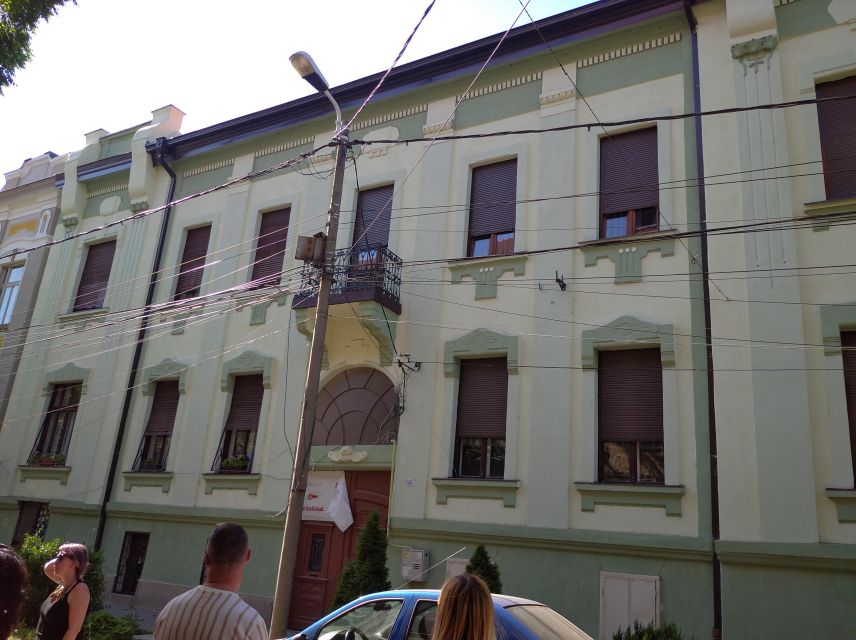
The walk then reaches Bulevardul Mihai Viteazu and includes stops tied to the Faculty of Mechanics. This segment matters because it widens the scene. The neighborhood energy shifts from intimate residential views to something more institutional and city-facing.
You’ll spend time admiring representative buildings along Mihai Viteazu Street, and the route even touches part of Tudor Vladimirescu Street. That variation keeps the tour from feeling like one long repeat of the same visual theme.
Also, the finish route is intentional. It is designed so the last stops feel like a payoff. You see more buildings, but in a structured way that feels like you are closing a loop, not just moving forward with no climax.
Piața Bălcescu: finishing with the Catholic church and monastery buildings
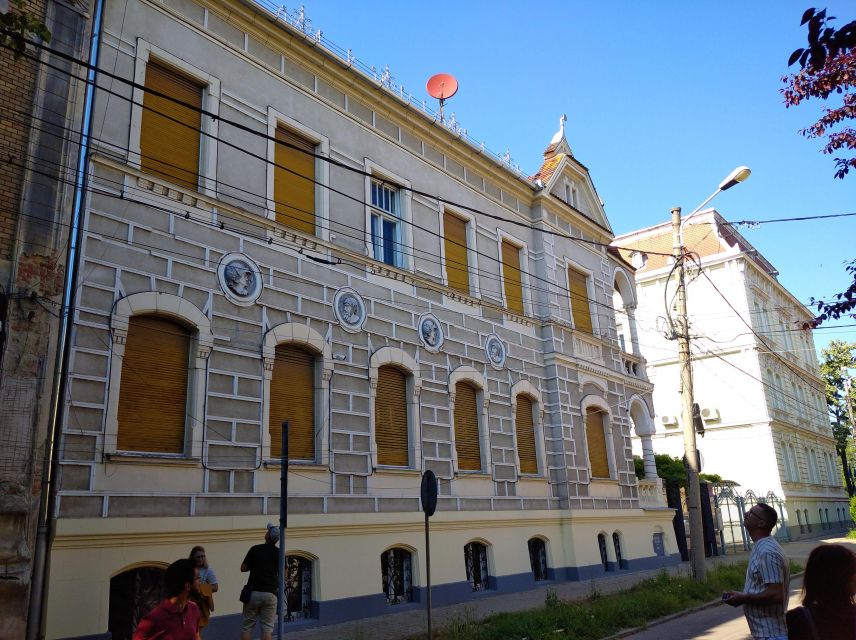
The tour ends at Piața Nicolae Bălcescu, with a key stop at Piața Bălcescu along the way. This is where you get a heavier religious and institutional vibe, which adds contrast to the Art Nouveau emphasis.
In Piața Bălcescu, you’ll admire the Catholic church and the monastery building. Even if churches are not your main interest, these stops work for two reasons. First, they add variety to the architecture you’ve been seeing. Second, they help you understand how Elisabetin connects different community life threads, religious and civic.
By the time you reach the closing area, you should feel like you have “read” the neighborhood a bit, not just toured it. The walk connects Revolution-era context, Secession style details, park architecture, and institutional landmarks into one coherent route.
What you really get for the price: value at $30 for 2.5 hours
At $30 per person, the tour sits in a reasonable zone for a guided, timed, walking-focused experience. The real value is not only the guide and the itinerary. It is the combination of:
- targeted architecture stops where the “what to look for” matters
- place-based history linked to real locations you pass through
- a route that covers several squares and street sections in about 2.5 hours
You also receive flyers with information. That is a small inclusion, but it helps you remember names and themes after the walk ends.
The one cost you should mentally budget for is food. Since drinks and meals are not included, plan a snack stop before or after. That keeps the day easy instead of stretching it into a long search.
Overall, $30 feels like a fair price for a small, structured introduction to Elisabetin, especially if you enjoy walking and want a guide to point out what you might otherwise miss.
Who should book this Elisabetin Dream Tour
This tour is a great fit if you:
- like architecture walks where you get help noticing specific details
- want a quieter Timisoara experience in Elisabetin, not just the headline sites
- enjoy historical context tied to places, including the 1989 Revolution reference near Piața Sfânta Maria
- want a guide-led route that stays manageable at 2.5 hours
It may be less ideal if you:
- need lots of breaks or longer rest stops
- want a food-inclusive tour (this one is not built around meals)
- travel with large luggage, since luggage or large bags are not allowed
Booking decision: should you take Timisoara Dream Tours in Elisabetin?
If you are spending only a day or two in Timisoara, I think you should strongly consider this. It gives you a clear, organized way to see a style that defines the city, Secession Art Nouveau, and it also anchors the walk to real historical surroundings near Piața Sfânta Maria. That mix of beauty and context is what makes the tour feel worth your time.
I would book it if you enjoy guided walking where the guide helps you look smarter at ordinary streets. For $30, you get a structured route, a live guide in English, French, or Romanian, and handouts you can keep.
Skip it only if you do not like walking in the rain, or if you want food included.
FAQ
How long is the Elisabetin neighborhood tour?
It lasts 2.5 hours.
What does the tour cost?
The price is $30 per person.
Where do I meet the guide?
The meeting point is Mocioni Square, and the guide will be wearing a red coat.
Which languages are available for the live guide?
The tour is offered in Romanian, English, and French.
Is the tour affected by weather?
It takes place rain or shine.
Are food and drinks included?
No, food and drinks are not included.
Can I bring luggage or large bags?
No, luggage or large bags are not allowed.
What is included in the tour?
You get flyers with information.
FAQ
Can I cancel for a full refund?
Yes, you can cancel up to 24 hours in advance for a full refund.
Is there a reserve now, pay later option?
Yes, you can reserve now and pay later.
Newest Timisoara write-ups
- Capture the most Photogenic Spots of Timișoara with a Local
★ 5.0 · 1 review - Day trip to Timisoara, departure from Szeged
★ 5.0 · 2 reviews - Hiking back in time: The Remote Villages of Banat
★ 5.0 · 2 reviews - Nera Gorge National Park – Private Day Tour from Timisoara
★ 4.5 · 4 reviews - Timisoara: Jewish Heritage Walking Tour
★ 5.0 · 4 reviews - Timisoara: Private Walking Tour with a Local Guide
★ 4.5 · 5 reviews - Timisoara Downtown Dream Tour
★ 5.0 · 5 reviews
Timisoara Experiences, compared.
Weekly Guided Tour in English – Tuesday, Thursday, Saturday
Read our review →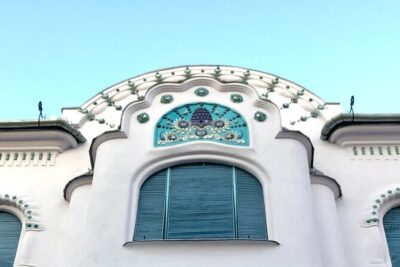
Weekly Guided Walking Tour – Tuesday, Thursday & Saturday
Read our review →
Day trip to Corvin Castle and Sibiu (and back) from Timisoara
Read our review →
Browse the lists this tour appears in