
Reviewed · WALKING TOURS
Timisoara: Classic Walking Tour
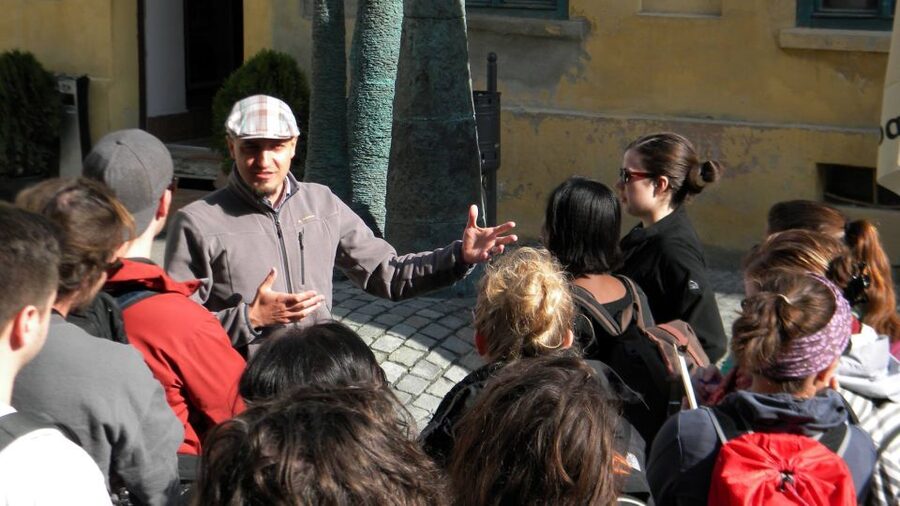
Timisoara history comes alive on a walk. This classic walking tour turns the city into a clear timeline, with a live guide and a tight 2-hour format that helps it all make sense.
I especially like the storytelling style. Guides such as Armand and Alex Muntean bring the past down to earth with friendly pacing and real-life anecdotes, even when families are along. I also love that you get big turning points plus practical urban details, including Timisoara’s early tram links and the city’s claim about electric street lights.
The only drawback to plan for is information density. You cover Mongol invasion, Turkish occupation, Austrian rebuilding, and the communist era in one walking stretch, so you may want extra time afterward if you prefer lingering.
In This Review
- Key highlights you will not want to miss
- First Steps: How This Tour Sets Romania in Context
- Mongols to Modern Revolution: Following Timisoara’s Timeline on Foot
- Turkish Occupation Clues: Bath, Bazaar, and the Central Mosque
- Austrian Rebuilding: Streets, Houses, and Fortifications You Can Imagine
- Trams and Electric Street Lights: Timisoara’s Unexpected Modernity
- What the 2-Hour Private Format Feels Like in Real Life
- Price and Value: Is $42 for 2 Hours Worth It?
- Should You Book This Timisoara Walking Tour?
- FAQ
- Where is the meeting point?
- How long is the tour?
- How much does it cost?
- What languages are offered?
- Is this tour a private group?
- What are the cancellation and payment options?
Key highlights you will not want to miss
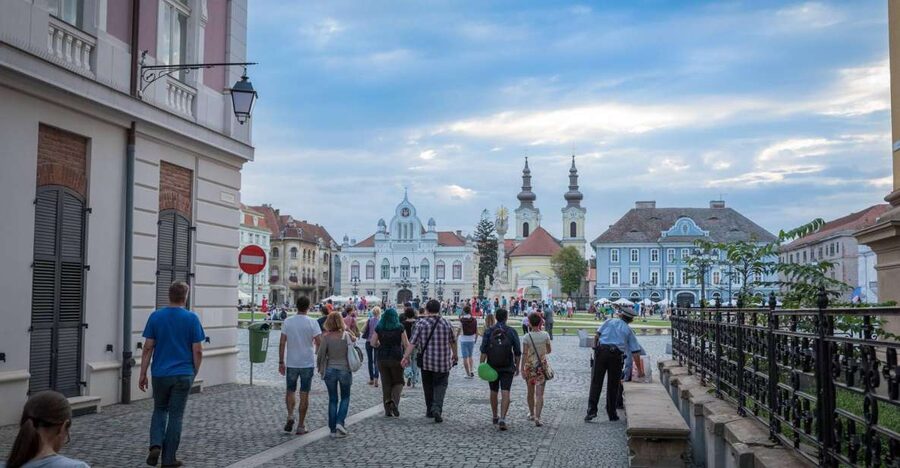
- A guide who connects past to present, including Romania’s situation today and how society changed over decades
- On-foot history, with stops tied to Mongol, Ottoman, and Austrian eras
- Urban clues to Turkish-era places, including where the bath, bazaar, and Central Mosque were located
- Early tech claims you can picture while you walk, from trams to electric street lighting
- Personal, friendly small-group feel, with guides praised for warmth and clarity
More Guided Walks in Timisoara
- Timisoara All in One – Walking and Tram Tour★ 5.0 · 72 reviews
- Weekly Guided Walking Tour – Tuesday, Thursday & Saturday★ 5.0 · 49 reviews
- Timișoara Highlights – Walking Tour★ 5.0 · 28 reviews
- Timisoara: Private Walking Tour with a Local Guide★ 4.5 · 5 reviews
First Steps: How This Tour Sets Romania in Context
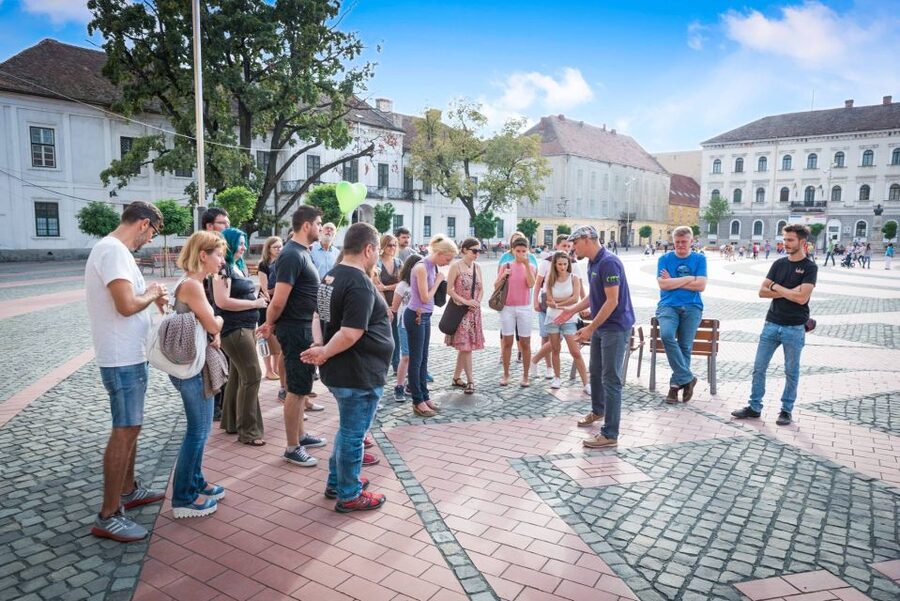
This tour starts with the big picture, so you are not just memorizing dates while you walk. You begin with a brief introduction to Romania’s situation today, which gives you a mental frame for what you will hear next about Timisoara’s past and how it shaped local life.
That opener matters because Timisoara is not only a set of pretty streets. It is a city that sits at a crossroads, and its layers show up in the way neighborhoods formed, how buildings changed, and how different political eras left their marks. Even in a 2-hour format, this start helps you connect the dots instead of treating each story as a separate fact.
If you like understanding the human side, you will probably enjoy the way your guide also touches what it feels like to live in Romania, not just what happened long ago. It keeps the walking tour grounded. And because the guide speaks English or Romanian, you can choose the language that helps you follow every twist and name.
Mongols to Modern Revolution: Following Timisoara’s Timeline on Foot
Once the tour sets the stage, the route moves through the city’s long arc, starting with the Mongol invasion centuries ago and continuing to the contemporary revolution against the communist regime. The effect is simple but powerful: you see Timisoara as something that keeps getting rebuilt and redefined.
Here is why I think that approach works so well for a first visit. When a city has so many shifts in power, the street plan can feel confusing. A guide who lays out the sequence helps you read what you are seeing. You stop thinking, Wait, why does this look this way? and start asking, What changed here and when?
The best part is that you are not stuck in pure political history. You also get insight into how society moved through those decades, so the story does not feel like a lecture. Guides in this format tend to do a good job of matching the pace to the group, and the comments about the guides being friendly and personable hint that they keep it engaging rather than dry.
If you are the type who likes to ask follow-up questions, bring curiosity. A good guide will help you connect the Revolution-era story back to what the city became after it.
Turkish Occupation Clues: Bath, Bazaar, and the Central Mosque
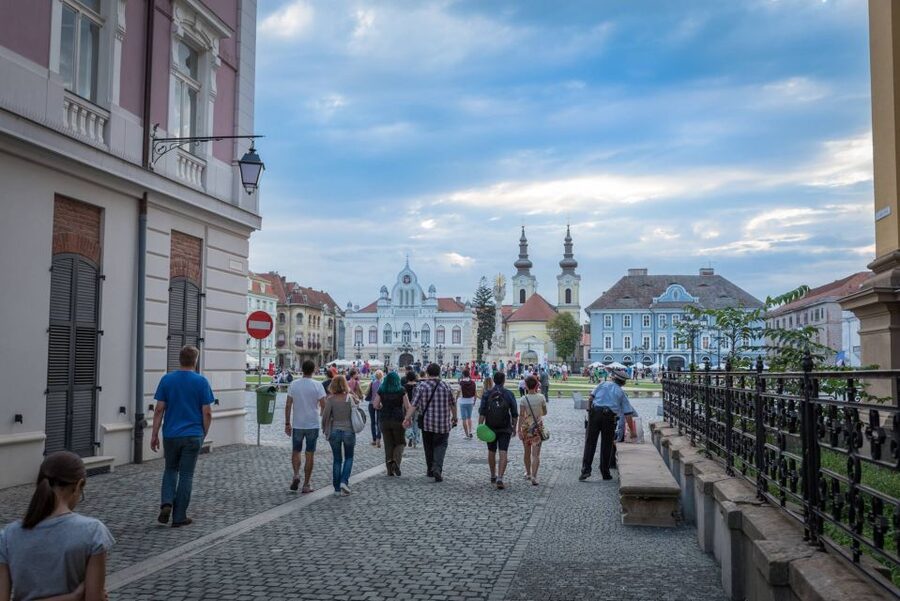
One of the most memorable parts is how the tour treats the Turkish occupation. You do not just hear that it happened. You get pointed guidance on where key places were located in the past, including the Turkish public bath, the bazaar, and the Central Mosque.
This is a great way to understand the Ottoman-era impact without needing a time machine. Even when original buildings are gone or transformed, the urban footprint and the surrounding street pattern often tell a story. Your guide’s job is to help you spot those clues, so you can picture daily life: where people would gather, where commerce happened, and how religious and community life was organized.
I also like that these stops broaden the city beyond one dominant storyline. Timisoara becomes more than an Austrian-era showpiece. It becomes a place where different cultures lived side by side, leaving traces you can still talk about today.
One practical tip: listen for location cues your guide gives while you are standing in place. Even if you are not seeing an intact historic structure, you can still understand the geography of the former bath and bazaar by tying the story to where you are standing.
Different day out, same corner of Romania:



Austrian Rebuilding: Streets, Houses, and Fortifications You Can Imagine
Then the tour hits a major turning point: Timisoara was conquered by Austrian imperial troops at the beginning of the 18th century. This is when the city was completely rebuilt, with major changes that shaped what you experience on the ground.
You learn how older wooden buildings from the Middle Ages disappeared, and how new streets, new houses, and a fortification system were set up. That kind of detail matters because it explains why cities can look like they belong to different eras at once. If you only see the result, it is hard to understand the why. With this story, you start noticing how the built environment reflects the priorities of a new power.
Fortifications especially are worth listening for, because they are not just military trivia. They influence where people could live, how routes formed, and how the city grew. When you hear how the defensive plan changed, it becomes easier to interpret why certain areas feel more structured than others.
As you walk, think of this section as a mental restoration project. Your guide is basically asking you to reconstruct the city as it was after the rebuild. That active imagination is part of what makes a walking tour worth your time.
Trams and Electric Street Lights: Timisoara’s Unexpected Modernity
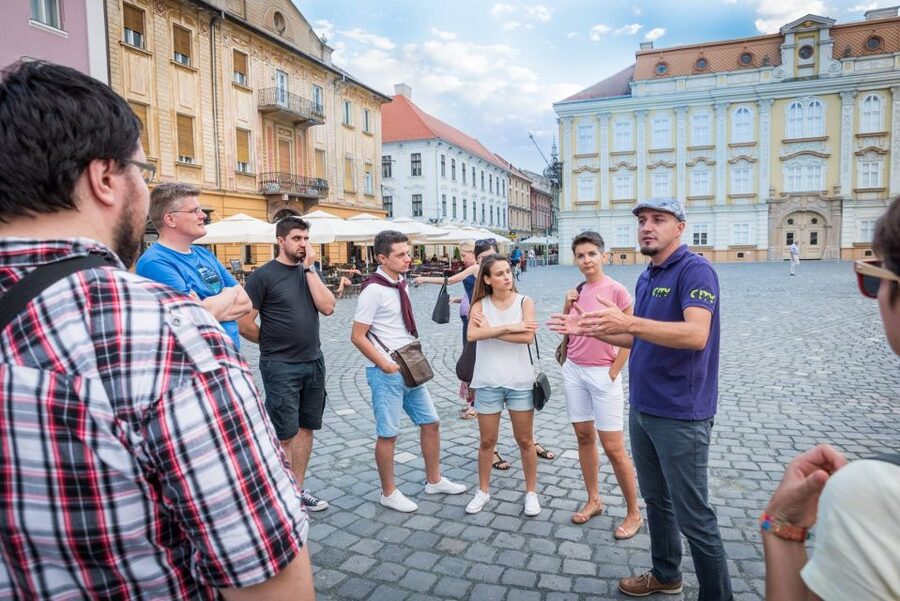
Timisoara has a reputation for being historically layered, but this tour also highlights moments of technological modernity. You learn about one of the first trams in the world that connected suburbs to the city center. Then you hear about Timisoara being the first place in continental Europe where electric street lights were used.
These facts are not just trivia. They show you that Timisoara was not stuck in the past even as power shifted. The city developed systems for movement and everyday public life, and that influences how it functioned day to day.
If you like the modern angle, you will likely enjoy how the tour keeps tying these milestones back to real urban life. A tram line is about access, and street lighting is about safety, routine, and how far people could go at night. In other words, these innovations are social changes as much as engineering.
One smart way to make this section stick: when your guide mentions the tram and lighting, look around at the street width and the way routes connect. Even without seeing a specific original feature, you can start imagining how a suburb-to-center link would reshape daily commuting and where people chose to gather.
And yes, the guide should be able to explain why these claims matter in the broader European timeline, not just repeat them. In a tour where guides are praised for knowing their material and telling it well, this is usually where that skill shines.
What the 2-Hour Private Format Feels Like in Real Life
The duration is 2 hours, and it is a walking tour with a private group format. That matters because it gives the guide freedom to adjust pace and answer questions without being boxed into a huge group schedule.
A private group also tends to make history feel more human. Instead of one-way talking, you get more chances to clarify what you heard, especially if something sounded abstract. The feedback praising guides for friendliness and for being able to handle children suggests that the tone here is approachable, not stiff.
That said, 2 hours is still 2 hours. You are going to cover a lot of eras: Mongol invasion, Turkish occupation, Austrian rebuilding, later communist-era context, and the revolution thread. If you prefer a slow museum-style approach, you might feel like you want one extra hour just to stand and look instead of listening.
My practical advice: do the tour early in your trip. Walk it, take notes mentally, then come back later to places that match your new interests, whether that is tech, Ottoman-era stories, or the Austrian urban rebuild.
Also, if you have strong curiosity, consider saving one question for near the end. Ask how the guide thinks Timisoara changed most for everyday life, not just who ruled when. That question usually leads to the most memorable answers.
Price and Value: Is $42 for 2 Hours Worth It?
At $42 per person for a 2-hour walking tour, you are paying for two things: a guide who tells the story clearly, and time saved by having someone point out what to look for.
In a city like Timisoara, where the layers overlap, a good guide can be more valuable than a long list of landmarks. This tour focuses on the themes you need to understand the city: who shaped it, what changed, and what that change meant for daily life. That is the kind of value you feel while you are walking, not only when you get back to your hotel.
The reviews point strongly toward a guide-led experience that is warm and engaging. Names like Armand and Alex Muntean come up with specific praise for friendliness, storytelling, and keeping the tour interesting. There was also a helpful suggestion from one visitor that the Cathedral of the Three Hierarchs could be added. That kind of feedback hints that guests are not just collecting facts, they are thinking about how to make the tour even better.
So, is it worth it? If you want a guided orientation and you enjoy connecting history to the streets under your feet, yes. If you plan to spend most of your time in museums and do not like walking, you may want a different format.
Should You Book This Timisoara Walking Tour?
I think this is a smart booking for first-time visitors who want real context fast. You get a structured timeline that covers major eras and also explains how society changed, plus you hear specific place-based details tied to the Turkish occupation and Austrian rebuilding. Add in the tram and electric street lights, and you end up with a tour that feels both historic and surprisingly forward-looking.
Book it if you:
- want an English or Romanian live guide to turn the city into a story
- enjoy history that explains everyday life, not only rulers and dates
- like the idea of a private group where you can ask questions
Skip it if:
- you hate walking or want a very slow pace
- you only care about one specific monument and nothing else
FAQ
Where is the meeting point?
Meet in front of the tourist information center.
How long is the tour?
The tour lasts 2 hours.
How much does it cost?
It costs $42 per person.
What languages are offered?
The live tour guide is available in English and Romanian.
Is this tour a private group?
Yes, it is listed as a private group.
What are the cancellation and payment options?
You can cancel up to 24 hours in advance for a full refund, and you can reserve now and pay later.
Newest Timisoara write-ups
- Capture the most Photogenic Spots of Timișoara with a Local
★ 5.0 · 1 review - Day trip to Timisoara, departure from Szeged
★ 5.0 · 2 reviews - Hiking back in time: The Remote Villages of Banat
★ 5.0 · 2 reviews - Timisoara Dream Tour in Elisabetin Neighborhood
★ 5.0 · 3 reviews - Nera Gorge National Park – Private Day Tour from Timisoara
★ 4.5 · 4 reviews - Timisoara: Jewish Heritage Walking Tour
★ 5.0 · 4 reviews - Timisoara: Private Walking Tour with a Local Guide
★ 4.5 · 5 reviews
Walking Tours, compared.





Ghost Stories & Romanian Mythology Walking Tour
Read our review →
Browse the lists this tour appears in