
Reviewed · WALKING TOURS
Weekly Guided Walking Tour – Tuesday, Thursday & Saturday
Two hours, and Timisoara clicks into focus. This guided walk is a smart way to see the historical city center and connect the dots between Ottoman-era influences and the 1989 revolution. I especially like how the stories feel tied to real places, not just dates on a page, and I also like that you can ask questions as you go. One possible consideration: it is not suitable for people with mobility impairments, and it runs rain or shine, so plan for a steady outdoor walk.
I’d pitch this tour as a practical first-step for Timisoara. You start at Victory Square near the Opera House, then move through key stops that help you understand what happened over more than 700 years, including what people experienced during the revolution in 1989. At $25 for a 2-hour, English-speaking guided walk, you are paying for context, pacing, and a guide who knows how to make history make sense.
If you enjoy city walking tours, this one is likely to fit your style. If you hate the cold or rain, or you need a very slow, stop-and-go experience, you might want to rethink it.
In This Review
- Key highlights worth planning around
- Starting at Victory Square, meeting the city where it already matters
- 700 years of Timisoara in a two-hour timeline you can actually follow
- Ottoman-era storytelling and the city walls you can still see
- Unirii Square: why its builder matters more than the photo
- European Capital of Culture 2023, seen through the city you’re walking
- Revolution in 1989: 150,000 people and the sense of scale
- Learning Banat alongside Timisoara, not as a footnote
- The English guide experience, and why people keep praising it
- Price and value: $25 for context, not just walking
- Weather, walking pace, and who it fits best
- Should you book this Weekly Guided Walking Tour?
- FAQ
- Where does the tour meet?
- How long is the weekly guided walking tour?
- What days does the tour run?
- Is the tour in English?
- Does the tour run in bad weather?
- What should I bring?
- Is the tour refundable if my plans change?
Key highlights worth planning around
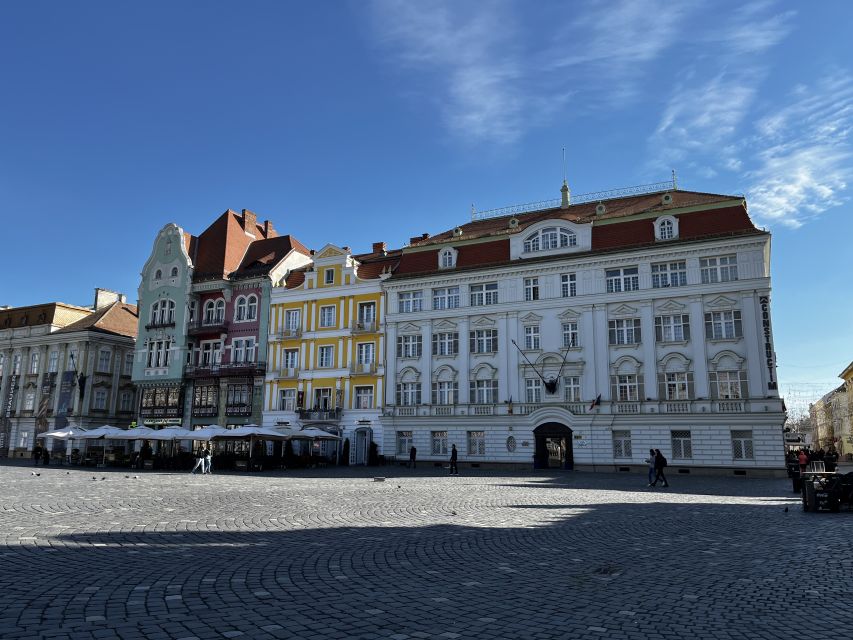
- Victory Square meeting point by the Opera House so you can orient fast
- 700-plus years of Timisoara history told along the way, not in one long lecture
- Ottoman times and the former city walls area, including the only still-standing piece
- Unirii Square context, including the story behind who built it
- European Capital of Culture 2023 relevance, so modern meaning lands with history
- 1989 revolution scale, including the spot tied to more than 150,000 people gathering
More Guided Walks in Timisoara
- Timisoara All in One – Walking and Tram Tour★ 5.0 · 72 reviews
- Timișoara Highlights – Walking Tour★ 5.0 · 28 reviews
- Timisoara: Classic Walking Tour★ 5.0 · 26 reviews
- Timisoara: Private Walking Tour with a Local Guide★ 4.5 · 5 reviews
Starting at Victory Square, meeting the city where it already matters
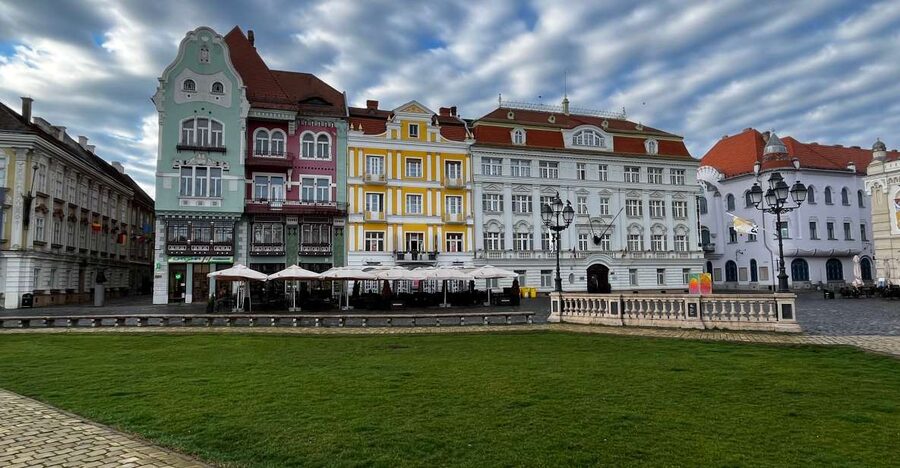
Your tour starts right in front of the Opera House on Victory Square. That choice is practical. Victory Square is a natural orientation point, and you can usually spot it quickly once you’re in central Timisoara. In a short, 2-hour tour, beginning with an easy-to-find landmark matters, because it protects your time.
From there, the walk is built to teach you the geography of the city center. You are not just strolling. You’re moving through layers of urban life, where squares and older streets help explain how Timisoara changed over centuries. I like this approach because it makes the town feel legible. You end up with mental map pieces you can reuse the next day.
And because it runs Tuesday, Thursday, and Saturday, it is also a convenient schedule option if you like to lock in one guided activity early in your visit and then explore on your own afterward.
700 years of Timisoara in a two-hour timeline you can actually follow
The core promise is clear: you will discover what happened across more than 700 years of history, centered on the historical city center. The trick is how quickly a tour like this can turn a lot of time into a manageable story. Instead of trying to cover everything, this format tends to focus on the most telling landmarks and the moments that explain why they exist.
In practice, that means you will bounce between older influences and later turning points, so you can see continuity. Ottoman times are part of the story, but so are the city walls and how the city’s layout shaped daily life. Then the tour reaches the much more recent event of the revolution in 1989, connecting the past to the political moment that reshaped modern Romania.
The other thing I like about a tour timed at 2 hours is pacing. It is long enough to feel like you learned something specific, but short enough that you can still choose your own dinner plans afterward without needing a half-day commitment.
Ottoman-era storytelling and the city walls you can still see
One of the most compelling parts is the stop that focuses on Ottoman times and what you can learn from the former walls of the city. You’ll see where the old walls were, and you’ll also see the one piece that is still standing.
Even without obsessing over dates, this is the kind of stop that gives you a physical understanding of history. Walls are not abstract. They explain how people defended the city, where movement was restricted, and where power lines were drawn. When you see the remnants, it is easier to imagine what the city looked like before modern streets and buildings took over.
The “only piece still standing” detail also matters. It acts like a visual anchor. Your brain remembers the lone survivor more than it remembers a description of a wall that is fully gone. So later, when you notice how streets curve or how certain areas feel more open, you will be able to connect that back to the older structure beneath it.
Different day out, same corner of Romania:



Unirii Square: why its builder matters more than the photo
The tour includes Unirii Square and a specific question you will hear answered: who built the beautiful Unirii square? That framing is a good sign. A square is never just a pretty open space. It is usually planned, funded, and designed by someone with political or civic goals.
So when your guide explains how Unirii Square came to be, you are not only getting architecture trivia. You are learning what kind of city leaders wanted Timisoara to become, and how that goal fit into the larger story of the region.
I also like that the tour does not treat the square as a dead-end photo spot. It connects the square to the bigger timeline, which makes your walk feel like a guided education instead of a series of unrelated stops.
European Capital of Culture 2023, seen through the city you’re walking
The tour also brings in the European Capital of Culture 2023 angle. That can sound like a modern label until you anchor it to the streets and places around you. Once you’re on the ground, you can see why culture branding matters: it highlights what a city chooses to protect, promote, and interpret for visitors and locals alike.
In other words, you are not just hearing that Timisoara is connected to a European cultural milestone. You are seeing how the city uses its public spaces and historic settings to tell a story that spans centuries.
For me, this is one of the best ways to understand culture years. They are not just events. They are a chance for a city to reframe how it thinks about itself, and a good guided walk can help you spot that framing in real time.
Revolution in 1989: 150,000 people and the sense of scale
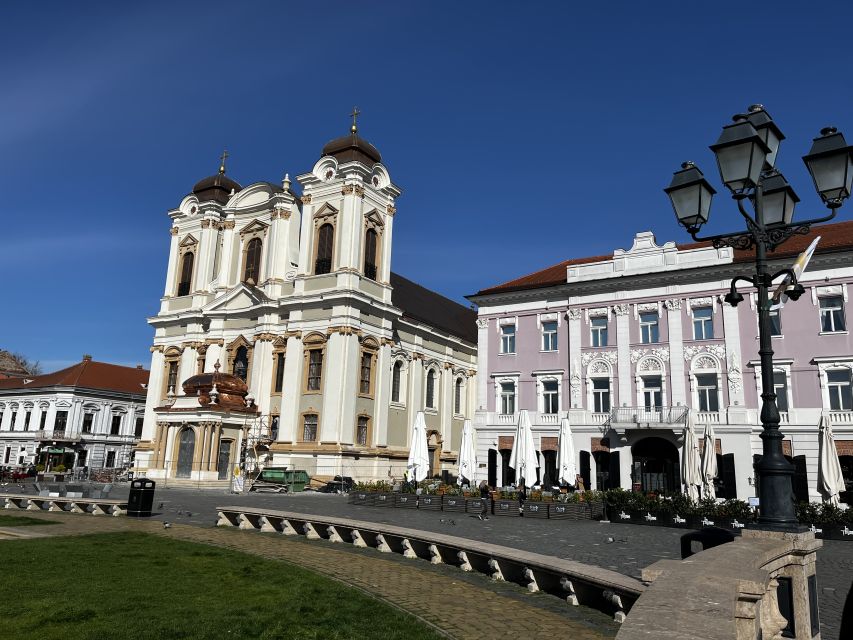
The emotional centerpiece is the revolution in 1989. You’ll learn where more than one hundred fifty thousand people gathered during that moment, and you’ll hear stories about how important people influenced the course of history.
This part is valuable because the revolution is often discussed in big, national terms. But when you connect the event to a specific city space, it changes how it lands. You start to understand why crowds gathered where they did, how central areas became stages for political change, and how public memory lives in the same places people walk today.
The tour also supports a two-way experience. You get to ask questions, and that matters because 1989 is one of those topics where visitors often have personal curiosity. You might want context on the timeline, or you might be wondering how Banat’s local story fits into the bigger national picture. A live guide can usually steer you toward clarity instead of leaving you with vague facts.
Learning Banat alongside Timisoara, not as a footnote
A great walking tour does one more thing: it helps you understand the region around the city. Here, you learn more about the Banat region as part of the story.
That matters because you’ll see Timisoara as something more than an isolated stop. Banat is the wider frame that helps explain why the city absorbed multiple influences over time, and why the revolution moment carried the meaning it did locally.
If you’re the kind of traveler who likes to leave a place with a sense of place, this is a strong fit. You’ll walk away with a better understanding of why Timisoara’s history feels layered rather than one-note.
The English guide experience, and why people keep praising it
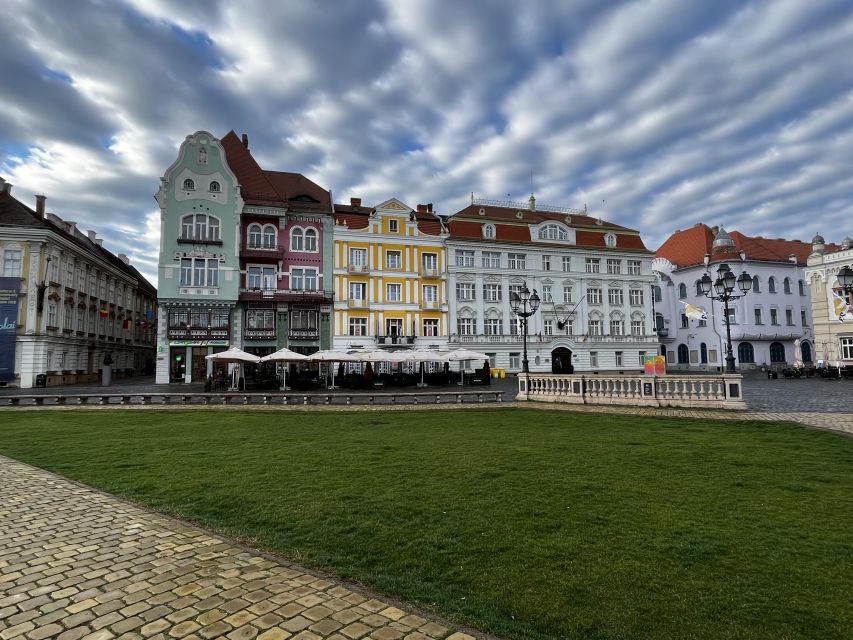
The activity includes a professional English speaking guide, and the quality shows in the way past participants talk about the tour. People consistently highlight that the guide knows how to make history interesting and keeps the tone approachable.
Andrei is one name that comes up in the feedback, and the praise is practical, not vague. People describe him as excellent and attentive, and they also mention that he shares a lot of history in a way that feels clear. That aligns with what you want from a timed city walk: not just facts, but translation of facts into something you can picture.
If you are traveling alone, this kind of guide-driven momentum is also a plus. It reduces the effort of building a full storyline on your own, and it helps you ask questions while your curiosity is still sharp.
Price and value: $25 for context, not just walking
At $25 per person for a 2-hour guided walk, this tour is priced like a value-focused experience. You are paying for three things that matter in a short time window: a professional English guide, a structured route through key historic areas, and the ability to ask questions in real time.
Could you walk the center yourself? Sure. But you would miss the thread that connects Ottoman-era influences, old city walls, Unirii Square, and the 1989 revolution in a way that builds understanding instead of random sightseeing. This tour is most worth it if you like having someone translate the city into stories, especially on a first visit.
So I’d treat it as a high-impact use of two hours. Then you can apply what you learned to your later self-guided walks.
Weather, walking pace, and who it fits best
The tour runs rain or shine on Tuesday, Thursday, and Saturday. That’s good news for planning, but it also means you should pack for the outdoors. Wear comfortable clothes, and think about how you handle wet sidewalks and cooler temperatures.
Because it is not suitable for people with mobility impairments, it is best for visitors who can do an outdoor walking experience at a steady pace for the full duration.
This tour is especially suited to:
- First-time visitors to Timisoara who want orientation fast
- English speakers who prefer a guided narrative over guidebook reading
- People who like history stories tied to specific squares and streets
- Travelers who enjoy asking questions and getting explanations on the spot
If you prefer museums over walking, or if you want a very flexible route with lots of sitting time, you may find the 2-hour walking format a bit limiting.
Should you book this Weekly Guided Walking Tour?
Book it if you want a clear, well-paced way to understand Timisoara’s center in a short visit, and if you care about connecting Ottoman-era traces, the old walls area, Unirii Square, and the 1989 revolution to the places where it all happened.
Skip it if you cannot do a rain-or-shine outdoor walk, or if mobility constraints make walking tours difficult for you. Also, if you already feel confident reading the city’s history on your own, you might decide to self-guide.
If you’re on the fence, here’s the simple decision rule I use: if you want the city to explain itself through a guide, this tour is a strong choice. If you just want to wander, save the money and spend those two hours on your own route.
FAQ
Where does the tour meet?
The meeting point is right in front of the Opera House, on Victory Square.
How long is the weekly guided walking tour?
The duration is 2 hours.
What days does the tour run?
It runs every Tuesday, Thursday, and Saturday.
Is the tour in English?
Yes, the live tour guide speaks English.
Does the tour run in bad weather?
Yes, it takes place rain or shine.
What should I bring?
Wear comfortable clothes.
Is the tour refundable if my plans change?
Yes. There is free cancellation up to 24 hours in advance for a full refund. You can also reserve now and pay later.
Newest Timisoara write-ups
- Capture the most Photogenic Spots of Timișoara with a Local
★ 5.0 · 1 review - Day trip to Timisoara, departure from Szeged
★ 5.0 · 2 reviews - Hiking back in time: The Remote Villages of Banat
★ 5.0 · 2 reviews - Timisoara Dream Tour in Elisabetin Neighborhood
★ 5.0 · 3 reviews - Nera Gorge National Park – Private Day Tour from Timisoara
★ 4.5 · 4 reviews - Timisoara: Jewish Heritage Walking Tour
★ 5.0 · 4 reviews - Timisoara: Private Walking Tour with a Local Guide
★ 4.5 · 5 reviews
Walking Tours, compared.




Ghost Stories & Romanian Mythology Walking Tour
Read our review →

Browse the lists this tour appears in