
Reviewed · TIMISOARA EXPERIENCES
Weekly Guided Tour in English – Tuesday, Thursday, Saturday
Timisoara reads like a timeline you can walk. This 2-hour English guided tour strings together Ottoman-era landmarks, later fortifications, and the story of 1989, with a small group that keeps the pacing calm and conversational. Small-group format and a central meeting point make it easy to get your bearings fast.
I especially like two things. First, you get a clear route through the highlights, not random wandering, and each stop is tied to the city’s changing rulers and styles. Second, the tour is good value because the listed stops show admission ticket free time after time, so you spend more time looking and less time budgeting.
One drawback to consider: it is a walking tour with multiple stops, around 2 hours, so if you prefer a slow, sit-down format, you may want to plan an easier day alongside it.
In This Review
- Key points to know before you go
- Timisoara in 2 hours: English tour value and pacing
- Meeting at Palatul Culturii, then getting oriented quickly
- Huniade Castle: the 1856 survivor and the “three castles” story
- Libertatii Square: Ottoman-era change you can visualize
- Piața Sfântul Gheorghe: Saint George plus more Ottoman traces
- Maria Theresia Bastion: the last fortress piece
- Unirii Square: the city’s standout square and its special buildings
- Back to Libertatii Square: buildings and the central statue
- Piata Victoriei and 1989: remembering Romania’s Revolution
- What makes the guides matter: Sergiu and Dan’s style
- Who should book this tour, and who might want something else
- Final verdict: should you book this Timisoara guided walk?
- FAQ
- What days does the tour run?
- How long is the tour?
- What time does the tour start?
- Where do you meet for the tour?
- Where does the tour end?
- What is the price per person?
- Is the tour offered in English?
- Are tickets included or free for the stops?
- How large is the group?
- What is the cancellation policy?
Key points to know before you go
- English guide, max 15 people, so you get answers, not just a lecture
- Start at Palatul Culturii (Strada Mărășești 2), right in the heart of Timisoara
- Ottoman to 20th century, with clear stories tied to each square and structure
- Most listed entries are free, so the cost stays simple
- The guides really engage, with praised attention and a friendly pace (Sergiu and Dan are name-checked)
Other Timisoara days worth the drive
- The Classic Tour of Timisoara★ 5.0 · 154 reviews
- Timisoara All in One – Walking and Tram Tour★ 5.0 · 72 reviews
- Weekly Guided Walking Tour – Tuesday, Thursday & Saturday★ 5.0 · 49 reviews
- Day trip to Corvin Castle and Sibiu (and back) from Timisoara★ 5.0 · 30 reviews
Timisoara in 2 hours: English tour value and pacing
This tour is built for first-timers who want direction. It runs weekly on Tuesday, Thursday, and Saturday, and it starts at 10:30 am. You are looking at about 2 hours (approx.), which is just enough time to connect the dots from old walls to modern memory.
The price is $24.14 per person, and the value comes from how the time is spent. You are paying for a professional English guide, plus a focused walk that hits major landmarks and the smaller story points you usually miss on your own. The group cap of 15 travelers matters too, because the best tours are not only about the places, they are about whether you can ask questions.
A final practical note: you get a mobile ticket, and everything meets near public transportation. You will also return back to the meeting point at the end, so you are not trying to figure out how to get home from the far side of town.
Meeting at Palatul Culturii, then getting oriented quickly
Your tour starts at Palatul Culturii, Strada Mărășești 2, Timișoara 050104. That location is handy. It places you near the center of the action, so you can do this early and still have the rest of the day to explore on your own.
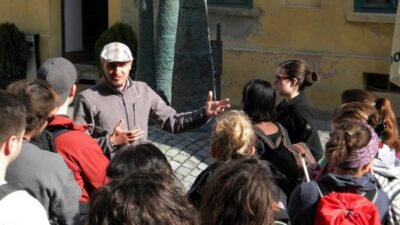
The pacing is one of the reasons people rate this so highly. In past tours, guides like Sergiu are praised for being attentive and setting a smooth rhythm, and Dan is also called out for keeping everyone engaged. That kind of pacing helps because Timisoara’s story spans different eras, and you want the timeline to feel understandable, not rushed.
You are basically set up with a mental map by the time you reach the first historic landmark. After that, each square and wall fragment clicks into place as part of the city’s larger change.
Huniade Castle: the 1856 survivor and the “three castles” story
The first stop is the Castle of Huniade. This is one of those places where the name is familiar, but the real payoff is the layered history. The site is described as the location where three different castles were built, and the last one built in 1856 is still standing today.
That detail matters because it gives you something to look for. Instead of treating the building as a single snapshot, you can read it as a record of what was needed at the time: defense, power, and rebuilding after change. If you like architecture, this is the moment where Timisoara stops being a flat list of sights and starts becoming a living story.
The stop is short, about 15 minutes, and it is marked with admission ticket free. That means you spend your energy on the guide’s explanation and the visible features, rather than waiting around for entry.
Different day out, same corner of Romania:


Libertatii Square: Ottoman-era change you can visualize
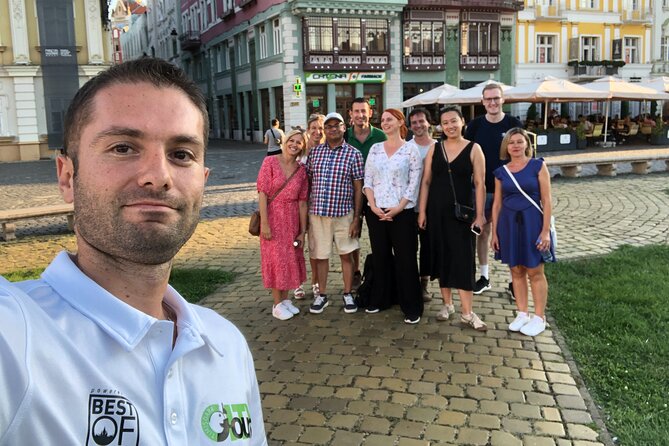
Next comes Libertatii Square. This is where the tour shifts into the Ottoman period, with a focus on what happened during that time and how it shaped the city’s buildings. The stop is about 15 minutes, and again the entry is listed as free.
Why is this stop useful? Because squares are not just pretty. They are where power, trade, and everyday life concentrate, and that makes them ideal for understanding historical change. When the guide explains what the city looked like under Ottoman reign and what happened to the earlier structures, the square becomes a kind of outdoor timeline.
One smart way to experience this stop is to pay attention to how the story is told: where the buildings came from, what changed, and what remains. Even if you cannot read every architectural detail on the spot, you will understand what to look for on a return visit.
Piața Sfântul Gheorghe: Saint George plus more Ottoman traces
Then you move to Piața Sfântul Gheorghe. The tour keeps the Ottoman thread going while adding a new anchor: Saint George. This stop also runs about 15 minutes and is listed as admission ticket free.
This is the kind of stop that helps you avoid the most common mistake on history walks, which is only memorizing dates without connecting them to symbols and local meaning. By linking the Ottoman-era story with Saint George, you get a sense of how identities and narratives overlap in public spaces.
If you like understanding why locals name places the way they do, you will appreciate this. It is not just about what empire controlled what. It is also about how people shaped meaning in everyday geography.
Maria Theresia Bastion: the last fortress piece
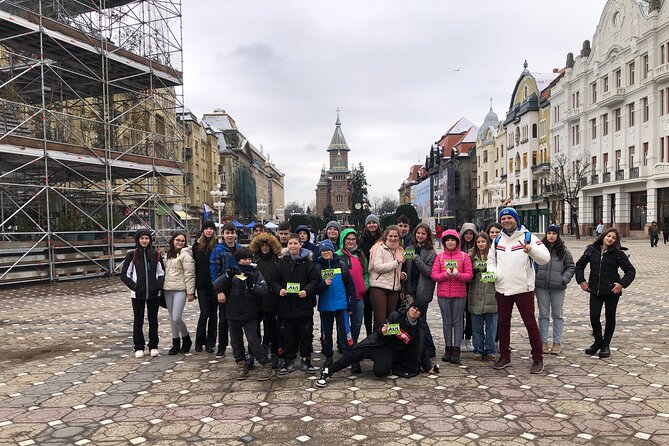
From there you head to Maria Theresia Bastion. This stop shifts forward in time, and the emphasis is on survival after earlier eras. You will see the only piece left of the former fortress of Timisoara, and you will hear what happened after the Ottoman period.
This is one of the more emotionally satisfying stops, even though it is not the biggest. A single surviving bastion can do the job of an entire fortress in your imagination, especially when the guide explains what was there before and why it matters that only a piece remains.
You get about 20 minutes here, with admission ticket free. It is a slightly longer stop than the Ottoman squares, which is a good sign. It suggests the guide has more room to explain the transition in the city’s defensive and political priorities.
Unirii Square: the city’s standout square and its special buildings
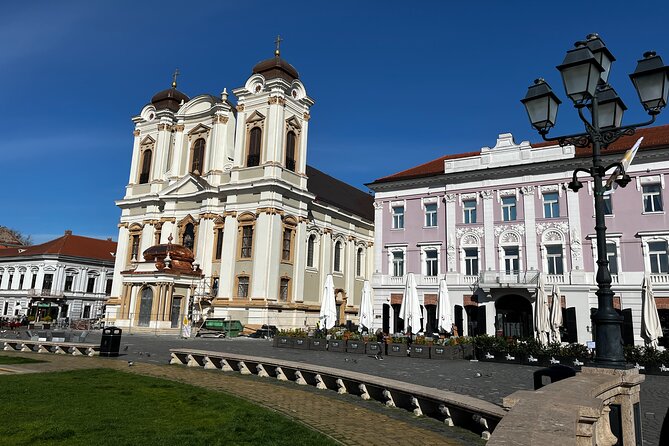
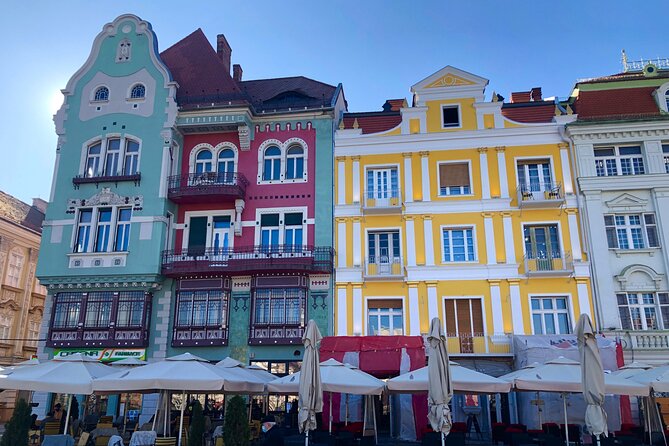
Next is Unirii Square, widely described as the most beautiful square in town. The tour frames it as a place with many special buildings and tells the story tied to what you see there. This stop runs about 20 minutes, and the entry is listed as free.
This is where your eye starts working differently. After Ottoman and bastion context, the architecture in Unirii Square does not feel random. It starts to read as a response to earlier changes, with new styles and new civic ambitions.
If you plan to keep exploring after the tour, this is the square you should remember. Even if you do not stop for long photos at every corner, Unirii Square is the kind of place that makes you want to slow down on your own.
Back to Libertatii Square: buildings and the central statue
Then the route circles back to Libertatii Square again. Yes, it repeats, but in a smart way. This time the tour focuses on other buildings around the square and the statue in the middle of it.
This second stop is valuable because it gives you a second pass with fresh eyes. The first time, you learned the Ottoman context. The second time, you translate that context into visible details: additional structures and the meaning of the central monument.
It is about 20 minutes here, admission ticket free, so you are not losing time to tickets. You are using time to refine what you notice, and that’s the whole point of a guided walk.
Piata Victoriei and 1989: remembering Romania’s Revolution
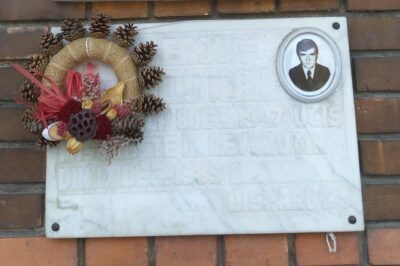
The tour finishes at Piata Victoriei. This part is about a 20th century square, and it sets up one of the biggest turning points in modern Romanian history: the Romanian Revolution of 1989 against the communism regime.
This is your payoff moment. Up until now, you have been learning how empires and fortifications shaped Timisoara’s physical form. Here, the story explains how modern events shaped public memory and civic space. A square like this becomes more than a backdrop. It becomes a stage where history stays visible in symbols and design.
The stop is about 15 minutes, and the tour ends back at the original meeting point. That makes planning easier, because you are not stuck wandering home after you feel the story land.
What makes the guides matter: Sergiu and Dan’s style
The praise in the reviews has a clear theme: good guides. Sergiu is repeatedly described as very knowledgeable, attentive, and professional, and he is also praised for helping guests find their way and waiting for two guests who needed a moment. That kind of calm responsiveness matters in a walking tour, where one wrong turn can snowball.
Dan is also highlighted for being extremely knowledgeable and for keeping everyone engaged. He even gave a lunch recommendation during one tour, which is a subtle but real value-add. After this kind of history walk, you often want one good meal suggestion that fits the neighborhood you just learned.
You do not need to be an expert to enjoy this tour. You just need a guide who can connect what you see with what it means. This one clearly aims to do that.
Who should book this tour, and who might want something else
This is a great choice if you want a fast way to understand Timisoara’s layout and its major chapters. The small-group size of 15 helps you ask questions. The English guide helps if you are not reading Romanian signage comfortably. And the stop pattern is designed so you get variety without long transfers.
You might consider something else if you dislike walking, or if you are the type who prefers museums and indoor stops over outdoor squares and building exteriors. The whole experience is geared around seeing the city’s story in public spaces.
That said, most travelers can participate, and the tour is described as near public transportation. So even if you are not sure you can handle a full day on foot, this is likely manageable as part of a balanced itinerary.
Final verdict: should you book this Timisoara guided walk?
If you are spending a limited amount of time in Timisoara, this tour is one of the easiest ways to get oriented and to learn what makes the city feel different. The route hits the key sights, the explanations are structured around major periods like the Ottoman era and the 1989 Revolution, and the pace is designed for a calm two-hour introduction.
I also like the value angle. With a price of $24.14, a professional English-speaking guide, and multiple listed admission ticket free stops, you are mostly paying for interpretation and direction, not extra costs.
My simple recommendation: book it early in your trip if you can. Then you will have a mental map for everything you do next, from photo stops to where you choose to wander on your own.
FAQ
What days does the tour run?
The weekly guided tour in English runs on Tuesday, Thursday, and Saturday.
How long is the tour?
The tour lasts about 2 hours (approx.).
What time does the tour start?
The start time is 10:30 am.
Where do you meet for the tour?
You meet at Palatul Culturii, Strada Mărășești 2, Timișoara 050104, Romania.
Where does the tour end?
The tour ends back at the meeting point.
What is the price per person?
The price is $24.14 per person.
Is the tour offered in English?
Yes, the tour is offered in English, with a professional English speaking guide.
Are tickets included or free for the stops?
The itinerary lists admission ticket free for each stop shown.
How large is the group?
The tour has a maximum of 15 travelers.
What is the cancellation policy?
You can cancel for a full refund up to 24 hours in advance of the experience start time. If you cancel less than 24 hours before, the amount you paid is not refunded.
Newest Timisoara write-ups
- Capture the most Photogenic Spots of Timișoara with a Local
★ 5.0 · 1 review - Day trip to Timisoara, departure from Szeged
★ 5.0 · 2 reviews - Hiking back in time: The Remote Villages of Banat
★ 5.0 · 2 reviews - Timisoara Dream Tour in Elisabetin Neighborhood
★ 5.0 · 3 reviews - Nera Gorge National Park – Private Day Tour from Timisoara
★ 4.5 · 4 reviews - Timisoara: Jewish Heritage Walking Tour
★ 5.0 · 4 reviews - Timisoara: Private Walking Tour with a Local Guide
★ 4.5 · 5 reviews
Timisoara Experiences, compared.

Weekly Guided Walking Tour – Tuesday, Thursday & Saturday
Read our review →
Day trip to Corvin Castle and Sibiu (and back) from Timisoara
Read our review →

Browse the lists this tour appears in