
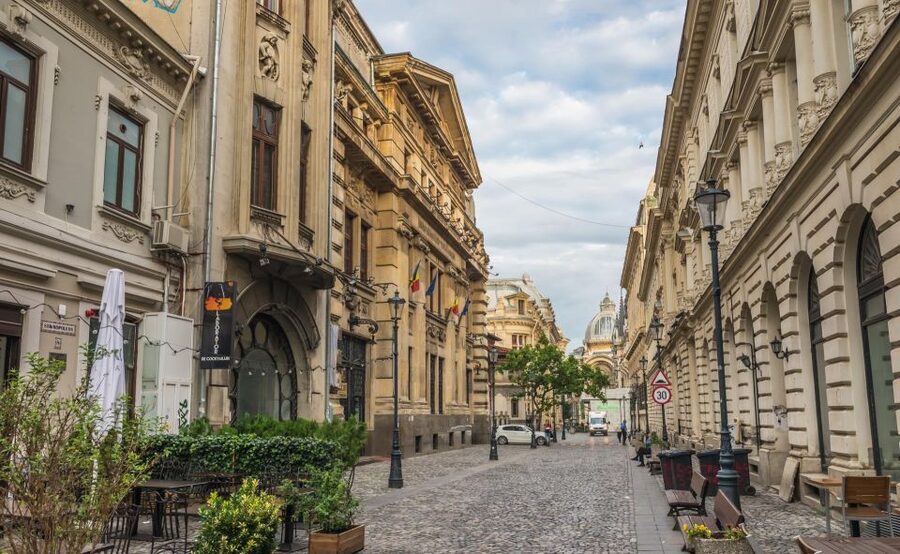
Reviewed · HISTORICAL TOURS
Bucharest: Private Exclusive History Tour with Local
Bucharest history gets personal. This private 2-3 hour walk links the New Saint George Church to icons like the Romanian Athenaeum, and I love how a local ties the story of a 15th-century fortress to later Ottoman, Austro-Hungarian, and Soviet influence. One catch: expect steady walking, and museum or monument entries are extra.
You start right at the meeting point, so you get a grounded feel fast instead of waiting around in tourist limbo. I also like that the route flexes to your interests and pace, meaning you spend time on the parts you actually care about.
With an English or Romanian live guide, you can ask smart questions on the spot and get practical next-step ideas afterward. Just wear comfortable shoes and bring water, because this is built around being on your feet.
In This Review
- Key highlights that make this tour worth your time
- Why a private Bucharest history loop feels different
- Starting at the New Saint George Church, a smart way to orient
- Patriarchal Cathedral: where faith and power share the same walls
- Romanian Athenaeum: national culture told through a single landmark
- Palace of Parliament: the monument that shaped modern Bucharest
- The 15th-century fortress to Ottoman, Austro-Hungarian, and Soviet layers
- How dialect history fits into street-level Bucharest
- Personalization that actually matters, not just marketing
- Price and value: is $165 per person fair for 2 to 3 hours
- What to expect on the ground: time, walking, and practical prep
- Who this tour suits best, and who should consider alternatives
- Should you book this Bucharest private history tour?
- FAQ
- Where does the tour meet?
- How long does the tour last?
- Is this tour private and exclusive?
- What languages does the guide speak?
- Which major landmarks are included?
- Are entry tickets included for museums or monuments?
- What should I bring with me?
- Is the tour suitable for people with mobility impairments?
- Can I pay later or cancel if plans change?
Key highlights that make this tour worth your time
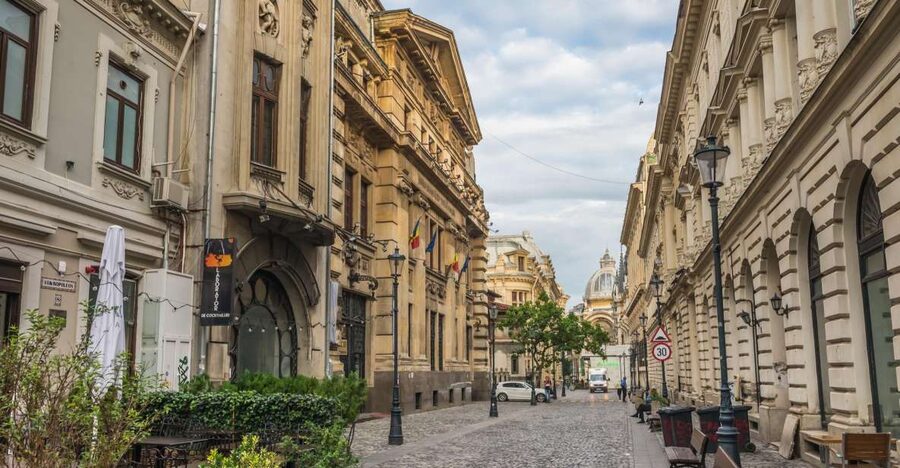
- Small-group attention: it is private and exclusive to your group, so questions do not get lost.
- Icon-to-story connections: landmarks like the Romanian Athenaeum and the Palace of Parliament are explained in context.
- Big-history, real-places: the tour traces Bucharest’s shift from a 15th-century fortress through major foreign influences.
- Language as a clue: you hear how local dialect shaped by Slavic and Turkish language influences developed.
- Route adapts to you: walking pace and weather can change stops, without breaking the overall story.
- Handy wrap-up tips: you receive recommendations to keep building your Bucharest day after the tour ends.
More History Tours in Bucharest
- Bucharest: Communism and History Guided City Walking Tour★ 4.9 · 918 reviews
- Bucharest: 3-Hour Dark History Tour with a Local★ 4.9 · 301 reviews
- Bucharest: Small Group History, Art & Secrets Tour★ 4.7 · 152 reviews
- Guided Walking Tour of Historical Bucharest★ 5.0 · 84 reviews
Why a private Bucharest history loop feels different
If you like history, Bucharest can feel like it has too many time periods at once. The value of this tour is that it does not treat sights like separate postcards. Your local host connects each stop to a bigger cause-and-effect story, so the city starts making sense.
I also like the format: private and exclusive. That matters because Bucharest is not one of those places where a quick group lecture works. A local can slow down for the church details you care about, or speed past what you do not. The itinerary is described as tailored to your interests, and the walking pace also adapts.
One consideration: this is still a walking tour, and the tour is listed as not suitable for people with mobility impairments. If that is you, plan on an alternate approach that reduces time on foot.
Starting at the New Saint George Church, a smart way to orient
Meeting at the New Saint George Church is a practical choice. You begin with a real landmark in an active area, which helps you orient yourself for the rest of the walk. Instead of jumping straight into the biggest monument you can find, you ease into Bucharest’s story.
From the start, the tour is set up for conversation with a local. That means you can ask what you are seeing around you, not just what is on the official stop list. It also makes it easier to follow the historical timeline the guide is building for you, since you are not sitting in one place for the whole experience.
Bring what you actually need for a walk: comfortable shoes and water. You will also want your smartphone charged, since you are likely to use it for photos, notes, and navigating after the tour.
Patriarchal Cathedral: where faith and power share the same walls
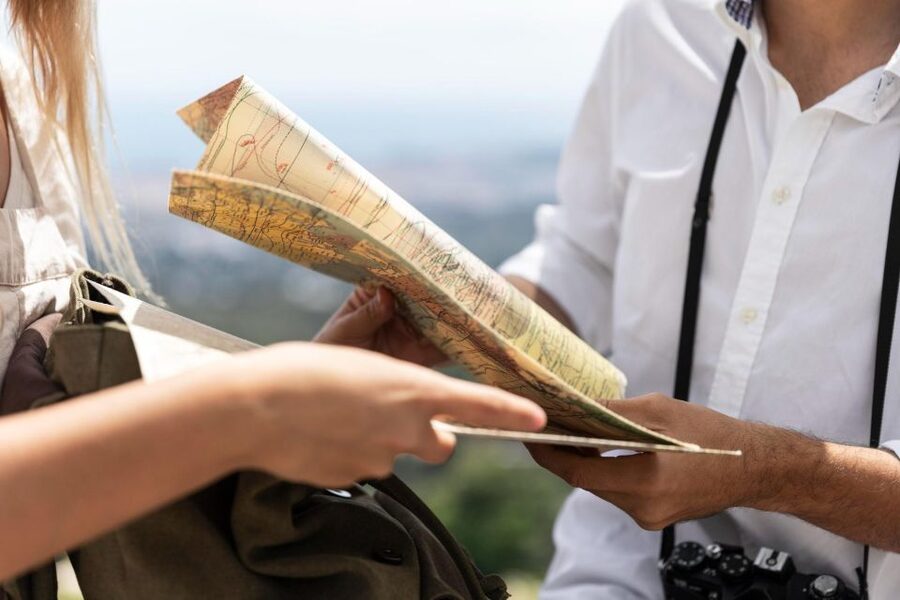
A major anchor on this tour is the Patriarchal Cathedral. In cities like Bucharest, religious sites are not only about worship. They often connect to national identity, patronage, and the way authority shows itself in stone.
This stop is useful because it gives you a foundation before the tour moves toward more modern national landmarks. You start to see how architecture, tradition, and public life overlap. A good local guide makes the cathedral feel less like a background detail and more like part of how people organized life and meaning over time.
Possible drawback: cathedrals often come with variable visiting conditions, and the tour notes stops may change depending on weather. If you strongly care about this specific stop, I would still plan to be flexible and arrive ready to adjust, because the guide will adapt.
Different day out, same corner of Romania:
Romanian Athenaeum: national culture told through a single landmark
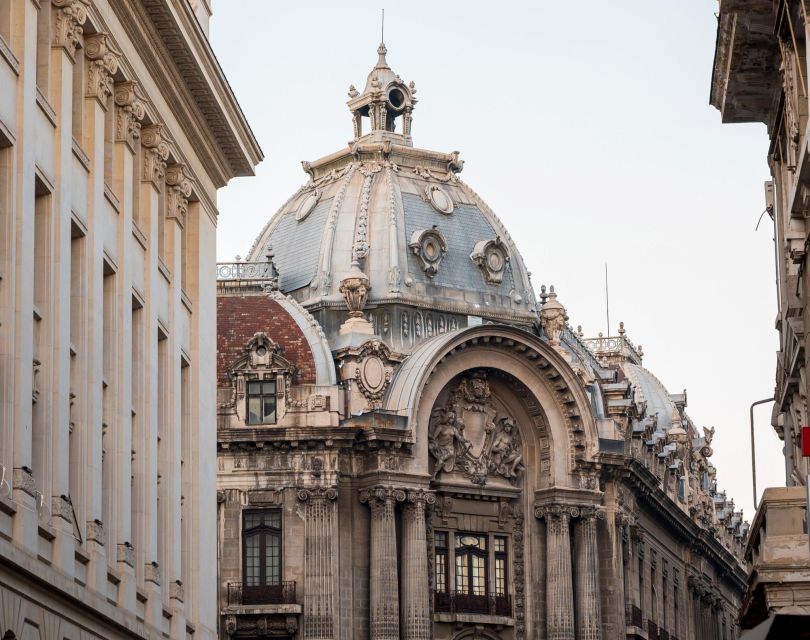
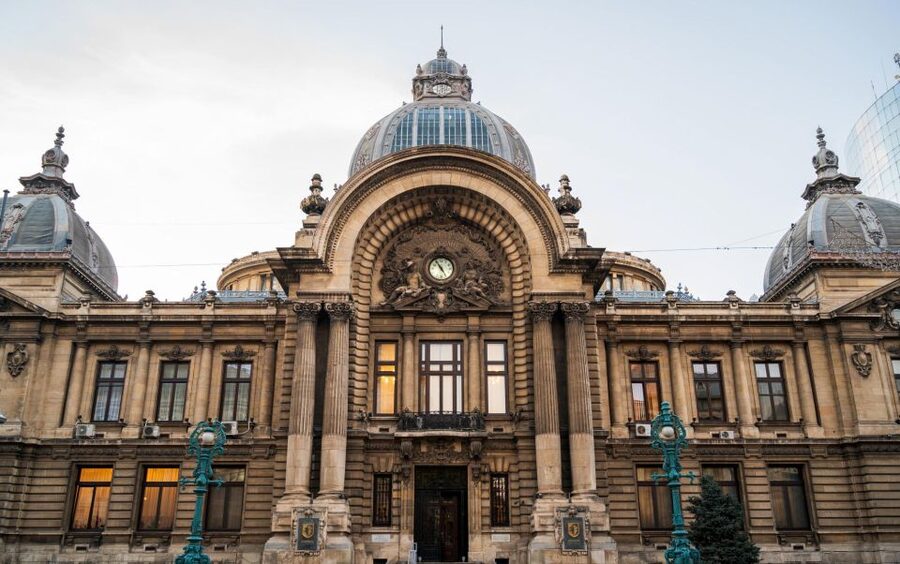
The Romanian Athenaeum is one of Bucharest’s best-known cultural symbols. On this tour, you do not just see the building. You get the story behind why it matters in Bucharest’s development and how the city’s changing political influences shaped what it built and why.
This is where the tour’s “history meets the present” approach really clicks. The Athenaeum lets you connect cultural ambition to historical eras, instead of treating architecture as decoration. It is also a good point for photos, since you are moving through iconic sights with a local providing context, not just pointing and going.
If you are the type who enjoys asking, this is a great moment. The guide can connect the dots between earlier historical layers and why institutions like this appeared when they did. And if you are more casual, the explanations still help you read the building without a textbook.
Palace of Parliament: the monument that shaped modern Bucharest
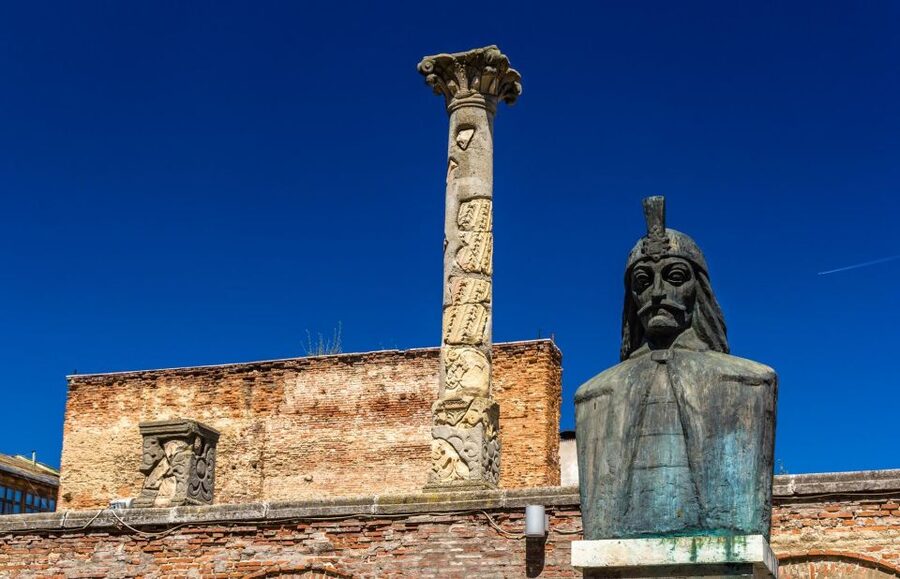
The Palace of Parliament is the stop that can change your whole perception of a city. It is repeatedly highlighted because it has defined Bucharest’s recent history in a very physical way, and the tour builds that idea into your walk.
Even if you have seen pictures, going there with a local helps you understand how power becomes architecture. You start to grasp how a major political project influences streets, expectations, and how residents view their own city. The tour’s framing is that the Palace of Parliament is not an isolated landmark. It is a hinge point between historical forces and everyday Bucharest.
One practical consideration: the Palace and nearby major monuments can involve extra walking and can have restrictions depending on day-to-day conditions. Also, entry tickets for museums and monuments are not included, so you may need to budget separately if you want to go inside.
The 15th-century fortress to Ottoman, Austro-Hungarian, and Soviet layers
The tour’s big story is simple, but not simplistic. Bucharest starts as a smaller fortress in the 15th century, then moves through major periods of Ottoman, Austro-Hungarian, and Soviet influence. What makes this tour valuable is the way those influences get translated into what you can actually see.
Your guide uses the landmarks on the route to show how foreign influence can shape a city’s architecture, culture, and even the language people use. Instead of learning dates in isolation, you get a sense of how control, contact, and policy affect daily life.
For you, the payoff is mental clarity. Bucharest becomes easier to navigate later. When you return to sights on your own, you are not guessing which era you are looking at. You have a guide’s framework, and you can spot details you would otherwise miss.
The other nice part is that the route is described as adaptable. If weather changes, or your group wants more time at one stop, the guide can shift stops while maintaining the historical through-line.
How dialect history fits into street-level Bucharest
Not every walking tour spends time on language. This one does, and that makes it more memorable. You learn about how a form of Romanian developed with influence from Slavic, Turkish, and other languages. The point is not to turn you into a linguist. It is to show that history is carried in everyday speech.
I love this angle because it helps you notice that Bucharest did not only absorb political influence. It absorbed human influence through trade, neighbors, and long contact. When you hear words and phrases you encounter later, you can connect them back to the historical forces your local host explained.
If you are someone who likes to understand people, this is a great bonus. Language is one of the quickest ways to feel how cultures interact, even after the big political eras are over.
Personalization that actually matters, not just marketing
“Tailored itinerary” can mean everything from real customization to a vague promise. Here, the specifics are that the itinerary adapts to your interests and walking pace. Stops may vary depending on weather conditions. That is the right kind of flexibility for a city tour.
It also makes this a good choice for mixed groups. Maybe you have one person who wants more church time, and another who cares more about major government-era landmarks. A private guide can balance that, because you are not tied to a large group’s fixed schedule.
In the one provided review, the guide experience is described as story-rich and question-friendly, with the guide connecting anecdotes that led to more curiosity. That is exactly what you want in a private format: information that sparks follow-up questions, not just a recital of facts.
Also, the same review mentions practical help beyond the tour, like assisting with ordering an Uber for the next destination. That kind of small real-world support is not guaranteed for every host, but it is a nice reminder that a local can help you keep your day flowing.
Price and value: is $165 per person fair for 2 to 3 hours

At $165 per person for a 2 to 3 hour private history tour, the price is not “cheap,” but it is not crazy either, given the structure. You are paying for exclusivity, a live local host, and a tailored itinerary. The real value is that you get focused time with a guide who can build a narrative across multiple iconic landmarks.
Here is how I think about value for a tour like this:
- Private format means your time is not wasted on waiting or managing a crowd.
- Local storytelling helps you interpret big landmarks like the Palace of Parliament, where context matters.
- Flexibility for walking pace and interests can prevent the common frustration of doing a tour that ignores your priorities.
What to watch for is what is not included. Entry tickets for transportation, museums, and monuments are excluded, so if you want to go inside multiple places, your final spend can rise. Personal expenses are also extra. Still, for many people, the ability to pay for what you want to enter is better than bundling everything blindly.
What to expect on the ground: time, walking, and practical prep
This tour is listed as 2 to 3 hours. That is a sweet spot for a history walk in Bucharest, especially if you also want energy left for dinner and a self-guided stroll afterward.
Your biggest prep item is comfort. Comfortable shoes are not optional. The tour is not suitable for people with mobility impairments, so plan accordingly if your group has anyone who needs step-free routes.
Bring water and keep your phone charged. You might use it to take notes on the language point you hear about, or to remember what the guide says about the historical influences shaping what you see today. Having your phone ready also helps if you use it for maps or for quick next-step planning at the end.
Finally, remember that the itinerary can shift with weather. That is normal. The smart move is to check in with the guide on the fly if anything changes, rather than treating the plan as a rigid script.
Who this tour suits best, and who should consider alternatives
This private history tour is ideal if you:
- Want a local-led story instead of a standard audio tour.
- Enjoy connecting architecture and landmarks to political and cultural change.
- Like question-friendly guides and flexible pacing.
- Want practical suggestions afterward to keep exploring.
It is less suitable if you:
- Need mobility-friendly access, since it is not suited for people with mobility impairments.
- Want a quick check-the-box sightseeing loop with minimal walking.
If you fall in the middle, the private format can still help, because you can steer the pacing and how long you linger at specific stops, assuming the walking level works for your group.
Should you book this Bucharest private history tour?
Book it if you want Bucharest to make sense. The combination of iconic stops like the Romanian Athenaeum and the Palace of Parliament, plus an explanation of Ottoman, Austro-Hungarian, and Soviet influence, turns the city into a readable story. The language piece about Romanian shaped by Slavic and Turkish influence is also a standout, because it adds depth beyond buildings.
Skip or reconsider if walking is a problem for you, or if you prefer tours where everything is bundled, including monument entry. Since entry tickets for museums and monuments are not included, it helps to know you may pay a bit more once you decide what you want to enter.
If your ideal day includes guided context and then freedom to roam right after, this tour is a strong fit. It is private, story-driven, and built to adapt, which is exactly how you get more out of a short window in Bucharest.
FAQ
Where does the tour meet?
The tour meets at the New Saint George Church.
How long does the tour last?
The duration is listed as 2 to 3 hours.
Is this tour private and exclusive?
Yes, it is a private group experience, exclusively for your group.
What languages does the guide speak?
The live guide is available in English and Romanian.
Which major landmarks are included?
The tour includes stops at the Patriarchal Cathedral and the Romanian Athenaeum, and it covers how the Palace of Parliament has shaped Bucharest’s history. Stops can vary depending on weather.
Are entry tickets included for museums or monuments?
No. Entry tickets for transportation, museums, and monuments are not included.
What should I bring with me?
Bring comfortable shoes, water, and a charged smartphone.
Is the tour suitable for people with mobility impairments?
No, the tour is listed as not suitable for people with mobility impairments.
Can I pay later or cancel if plans change?
Yes. You can reserve now and pay later, and you can cancel up to 24 hours in advance for a full refund.
Newest Bucharest write-ups
- Discover Bucharest’s most Photogenic Spots with a Local
★ 5.0 · 1 review - Real Roma Community Crafting Workshop
★ 5.0 · 1 review - Chauffeur Service in Bucharest
★ 5.0 · 1 review - Peles, Bran, Brasov
★ 5.0 · 1 review - From Bucharest: Carpathian Villages and Sinaia Day Trip
★ 5.0 · 1 review - Panoramic Bucharest City Tour
★ 5.0 · 1 review - 3 Days Private Tour in Transylvania from Bucharest
★ 5.0 · 1 review
Historical Tours, compared.


Roma Culture, Realities and Slavery History, Walking tour
Read our review →
Bucharest Jewish Heritage | Holocaust Memorial | Private Car Tour
Read our review →
Private Bucharest: History & Food with Traditional Meal
Read our review →Historic Gems Sighișoara, Rupea and Viscri Day Tour
Read our review →Browse the lists this tour appears in