
Reviewed · NORTHERN MARAMURES TRIPS
From Cluj-Napoca: Maramureș 3-Day Tour with Accommodation
Wooden churches and dyed rugs, in three days. This private Maramureș tour from Cluj-Napoca is built around real village life, not just photo stops, from Săpânța to the Iza Valley and back. You get a mix of big cultural landmarks and small moments with the people who still make things the old way.
I love the hands-on craft encounters, whether it is a painted cross maker or a skilled plant-dyed rug weaver, and I love that the route keeps pulling you into places like Breb where daily life still looks like it belongs here. I also love the sheer scale of the tallest wooden church in the world at Peri Monastery. One drawback to plan for: lunch and dinner are not included, so you will want to budget for meals outside the tour.
In This Review
- Key Highlights You’ll Actually Remember
- Maramureș, Conserved by Daily Life
- Day 1 in Sighetu Marmației: Memorials and the Market
- The Merry Cemetery of Săpânța: Painted Crosses With Stories
- Peri Monastery: The Tall Wooden Church Moment
- Breb Overnight: Why This Village Base Works
- Day 2: Bârsana Monastery and Wood Carving Workshop
- Iza Valley: Plant-Dyed Rug Weaving Explained on the Ground
- Salt Water Spring, Pottery Workshop, and the Dowry Room
- Day 3 Cosău Valley: A Self-Sufficient Farmer Family
- A Medieval Wooden Church You Might Miss on Your Own
- Water Mills, Whirlpool, and Alcohol Distillery Still Running
- Optical Illusion Near Budești, Then Back to Breb
- Price and Value: What $832 Really Covers
- Who This Tour Fits Best, and Who Should Skip
- Small Practical Tips That Make the Days Easier
- Should You Book Maramureș Tours From Cluj-Napoca?
- FAQ
- What is the duration of the Maramureș tour?
- Where do I meet the guide?
- What time does the tour start?
- What language is the live tour guide?
- Is accommodation included?
- Are meals like lunch and dinner included?
- How much does the tour cost?
- Is it possible to cancel for a refund?
- Is photography allowed?
- Is the tour suitable for wheelchair users or people with mobility impairments?
Key Highlights You’ll Actually Remember
- Painted crosses in Săpânța at the Merry Cemetery, with stories behind the designs
- Peri Monastery, tallest wooden church in the world, plus time to slow down and look closely
- UNESCO-listed plant-dyed rug weaving, explained by a local weaver using traditional methods
- Real households you can see still being lived in, including a wooden house with a dowry room
- Water and alcohol traditions in Cosău Valley, still used for community needs and run by the same family for centuries
- A smaller, less-famous medieval wooden church that you might feel like you found yourself
More of Maramures, up north:
- Maramures best, full day tour from Cluj★ 5.0 · 33 reviews
- Classic Romania Tour – small group in 8 days: Transylvania and Maramures★ 5.0 · 22 reviews
- From Cluj-Napoca: Maramures Day Tour★ 5.0 · 19 reviews
- The Best of Maramures in One Day★ 5.0 · 16 reviews
Maramureș, Conserved by Daily Life
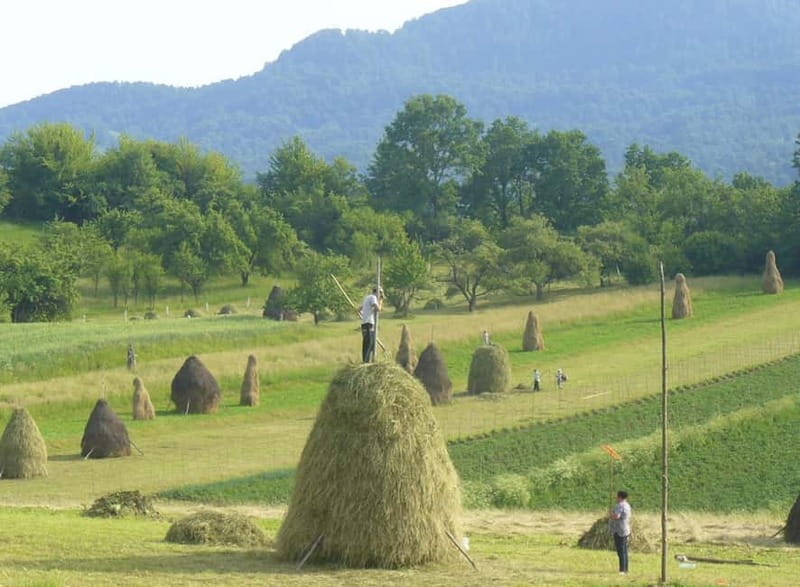
Maramureș is often described as one of the more conservative regions of Europe, and this tour is designed to show you what that means in practice. You are not just moving between monuments. You are moving between communities, food stops, workshops, and homes.
The private-group format matters here. If you care about crafts, you can focus on makers. If you want more village time, the day can tilt that way. One review I read highlighted how flexible the guide was, and how helpful it was that he stays connected locally, not just as a tour professional.
You’ll start in Cluj-Napoca at 9:30 AM near Piata Timotei Cipariu Parking, by the church under construction. Then the trip ramps up quickly, with Sighetu Marmației on day 1 and multiple hands-on stops right away.
Day 1 in Sighetu Marmației: Memorials and the Market
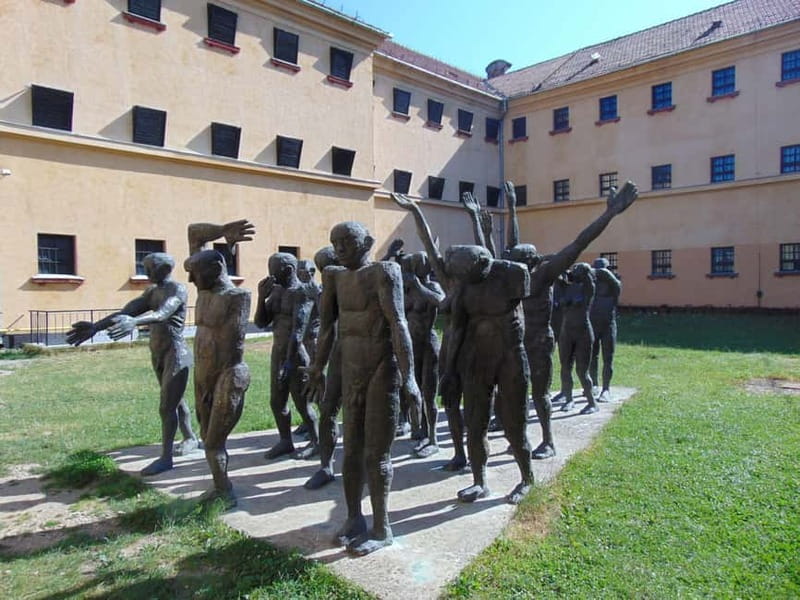
Your first day begins with a transfer from Cluj-Napoca toward Sighetu Marmației. Before you head into the lighter, craft-heavy part of the region, you get a stop at the Memorial of the Victims of Communism. It sets a serious tone and helps you understand that this area’s story includes more than crafts and scenery.
Next comes the food market. This is one of those practical stops that turns into real insight. You get a chance to see what people buy, what is in season, and how village life connects to everyday shopping. If you like to photograph people, this is also a moment where you can get strong images while still being respectful, because you will be close to daily routines.
Optional add-ons are available on day 1, including the Elie Wiesel Memorial House and/or the Village Museum. If you enjoy context, choose them. If you want more time for nature and workshops later, you can skip these and keep the day from feeling too museum-heavy.
Then you head toward the first big highlight: Săpânța and the Merry Cemetery.
The Merry Cemetery of Săpânța: Painted Crosses With Stories
The Merry Cemetery of Săpânța is the kind of place that makes you slow down. The painted crosses are striking at first glance, but the deeper value is in what they communicate. Each cross isn’t random decoration. It is tied to a person, a life, and a way of remembering.
This is also where you get your first real sense of how Maramureș treats art as part of community identity. Even if you only spend a short time here, it will color the rest of your trip. When you later meet other makers, you will recognize the same idea: tradition is not “museum style.” It is living style.
You are also likely to meet a painted cross maker (or a weaver, depending on how the day flows). Either way, you will get the kind of explanation that turns a craft into a skill. You come away with more than photos. You come away with understanding.
Other Romania days worth the drive
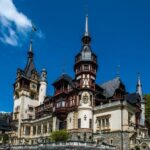
Peri Monastery: The Tall Wooden Church Moment
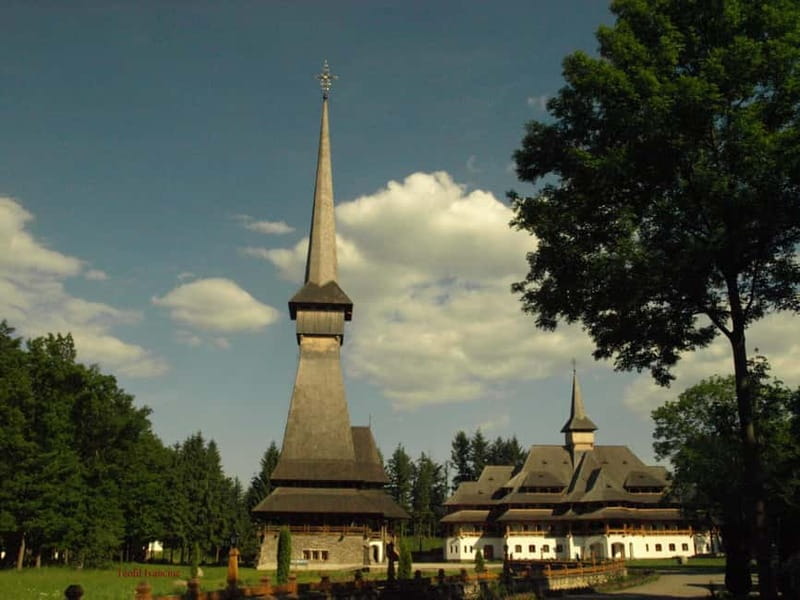
After Săpânța, you visit the Peri Monastery, known for having the tallest wooden church in the world. This stop works on two levels.
First, the obvious one: you get to see something that is hard to describe until you are standing near it. Wood architecture can look delicate, but this kind of height forces your brain to treat it as a major engineering feat.
Second, the practical one: you will get time to step back, look up, and notice how woodwork shapes the whole feel of the site. It is a strong anchor point for the trip because it brings together conservation, belief, and craft in one place.
Overnight is in Breb, so day 1 ends with a shift from big landmarks to a village base.
Breb Overnight: Why This Village Base Works
Breb is described as the best-known Maramureș village, and that reputation makes sense for a practical reason. It is a good place to stay because you can meet locals without turning every day into a logistics puzzle.
Your accommodation includes breakfast, and that matters more than it sounds. You will have early starts and active walking days. Having breakfast built in helps you keep the schedule smooth, especially on days that move between valleys and workshops.
This village base also makes it easier to spot what is easy to miss when you are rushing. Traditional details are not only at the attractions. They show up in everyday spaces too. When you return to Breb at the end of day 1, it feels like you are not just “changing locations.” You are settling into the region.
Day 2: Bârsana Monastery and Wood Carving Workshop
Day 2 begins with Bârsana Monastery. If Peri Monastery gave you a wow factor through height, this stop adds another layer through craft and spiritual setting. You will see how wooden architecture is a shared language across the region.
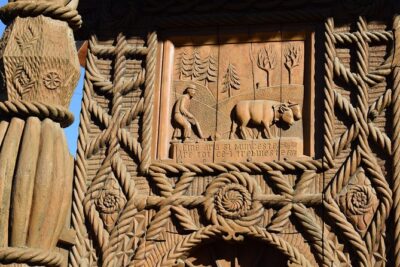
Then comes a wood carving workshop. This is a key part of why I like this tour. It is not only about what you can see. It is about how people make the shapes you are seeing.
Wood carving is also a great “learning moment” because it is visual. You can watch, ask questions, and connect the finished product to the process. And if you have been photographing all day, this is the part where your photos start to tell a better story.
Iza Valley: Plant-Dyed Rug Weaving Explained on the Ground
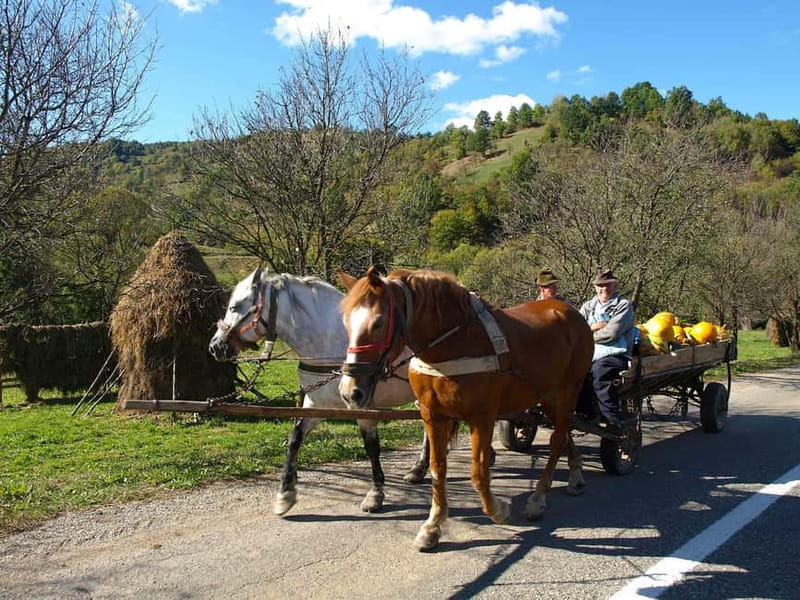
In the Iza Valley, you meet a plant-dyed rug weaver. This matters for two reasons.
One, the tour specifies that the craft is recognized as UNESCO intangible heritage. That is not just a label. It signals that you are seeing something people work hard to keep alive, not a staged demonstration.
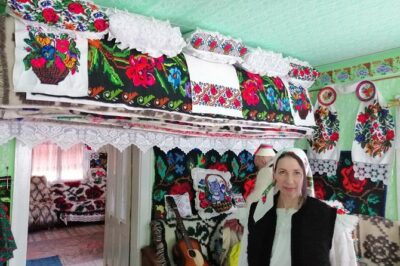
Two, meeting the weaver in their real working context changes what you notice. You stop thinking of the rug as an object and start thinking of it as a system: materials, dye plants, color control, and the time it takes to get the pattern right.
If you care about how tradition actually survives, this is one of the strongest stops on the trip. You can ask direct questions. You can also see the effort behind what looks simple in a photo.
Salt Water Spring, Pottery Workshop, and the Dowry Room
The Iza Valley day also includes several stops that build a full picture of home production.
You see a salt water spring. Even without deep technical explanation, it signals a long relationship between the community and local natural resources. It also helps you connect the food and domestic life of the region to something physical, not abstract.
Next is a pottery workshop. Pottery is another craft where you can spot how technique shapes everyday objects. When you see it side by side with weaving and woodwork, you realize the theme: craftsmanship is not separate from life. It is part of life.
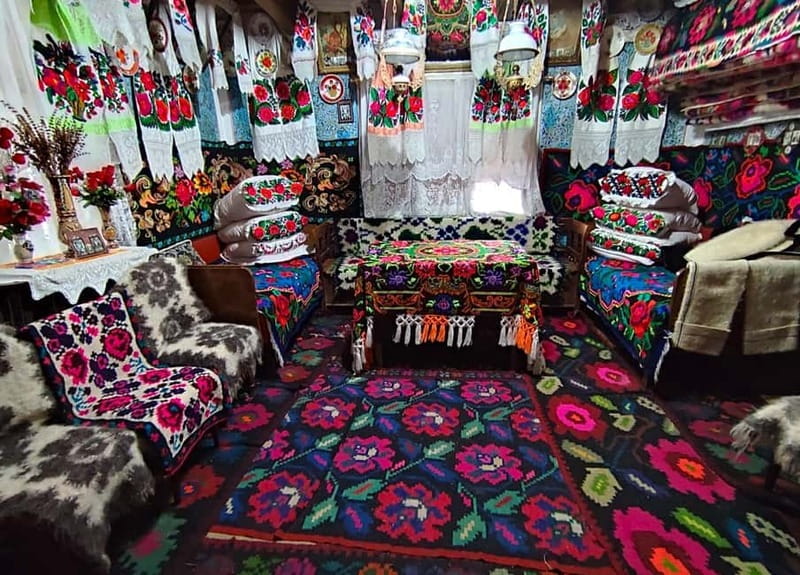
Then you visit a traditional old wooden house with a dowry room, and it is still inhabited today. That detail is huge. A dowry room hints at customs around family, and the fact that it is still lived in keeps you from turning the visit into a staged “heritage set.”
If you like authentic atmosphere, this is the kind of stop you will remember. If you are sensitive about privacy, keep your camera respectful and follow the guide’s cues. Photography is allowed, but you will want to be mindful of local community privacy.
Overnight is again in Breb.
Day 3 Cosău Valley: A Self-Sufficient Farmer Family
Day 3 takes you to the Cosău Valley, where you meet a self-sufficient farmer family. This stop works best if you come with curiosity and short, practical questions. The value here is not a performance. It is the chance to see how food, work, and living connect in a way that feels integrated.
This part of the tour can be less about big structures and more about routine. If you enjoy quiet authenticity and you like hearing real details, you’ll likely find it deeply satisfying. If you want nonstop landmark energy, balance your expectations and remember the slower rhythm is part of the point.
A Medieval Wooden Church You Might Miss on Your Own
After the farmer-family visit, you see a medieval wooden church, described as virtually unknown. That phrasing is helpful. It means you may feel like you found something before it becomes a common checklist item.
From a visitor standpoint, “unknown” often comes with a better vibe. There is usually less rush, fewer people trying to shoot the same angle, and more time to notice small features. You can spend a little longer looking at wood details, proportions, and how the building fits into its environment.
Just be prepared for the usual countryside realities: this is rural travel, and walking conditions may require steady shoes and patience.
Water Mills, Whirlpool, and Alcohol Distillery Still Running
The final major thematic block is about water and alcohol, in a way that is tied directly to community needs.
You watch unique water mills, a whirlpool, and an alcohol distillery. The key detail is that these systems are still operating, and they are run by the same family for hundreds of years. That is the difference between a cultural demonstration and something that is truly part of local life.
If you love old technology, you will appreciate how the water power connects to milling. If you are more food-and-tradition focused, the distillery stop will make sense in the context of what families need locally, not what tourists want as souvenirs.
This is also one of the most “real work” sections of the tour. You get the sense of a long timeline where operations keep going because people depend on them.
Optical Illusion Near Budești, Then Back to Breb
You finish with an optical illusion near Budești. It sounds like a fun break, and it is a good moment to lighten the mood after the heavier craft and tradition stops. It also gives you time for quick photos without needing to treat everything like a lecture.
Then you return to Breb, the village base, where you can meet several local inhabitants. This final social element is not just friendly. It gives you a chance to ask follow-up questions once you have already seen the region’s major themes. By then, you know what to ask.
You end the trip back in Cluj-Napoca.
Price and Value: What $832 Really Covers
At $832 per person for a 3-day tour, the best way to judge value is to look at what is included.
You get:
- Accommodation with breakfast
- Transport
- Guiding fee
- All entrance tickets
You do not get:
- Lunch and dinner
- Travel insurance
- Personal expenses
So the money is paying for the hard parts: moving between rural sites, admissions, and staying overnight without having to plan each leg yourself. You also get a guide who can connect you to people and crafts in a way that a self-drive trip might struggle to match, especially for workshop access.
Is it cheap? No. But you are paying for a concentrated, three-day route that strings together crafts, village life, and distinctive landmarks like the Merry Cemetery, Peri Monastery, and working mills and distillery stops.
If you travel as a couple or small group, private touring can be a strong deal compared to piecing it together with separate guides for each area. The biggest extra cost you will likely face is simply meals, since lunch and dinner are not covered.
Who This Tour Fits Best, and Who Should Skip
This experience is a strong match if you want:
- Hands-on culture, not just sightseeing
- Crafts with active makers, like plant-dyed rug weaving and wood carving
- Wooden church architecture and rural village life
- A route that includes serious history through the Memorial of the Victims of Communism, plus lighter, human-scale village moments
It may not fit if:
- You need mobility support. It is not suitable for people with mobility impairments or wheelchair users.
- You are traveling with very young kids. It is not suitable for children under 6.
You should also bring patience for rural pacing. Comfortable shoes and warm layers matter, and you will want a hat, sunscreen, and water.
Small Practical Tips That Make the Days Easier
Based on what the tour expects from you, plan like this:
- Wear comfortable shoes. Several stops involve walking in countryside conditions.
- Pack warm clothing. Maramureș days can feel cool, especially if the schedule includes outdoor viewing.
- Bring a hat and sunscreen even on cloudy days.
- Use your camera, but keep privacy in mind. Photography is allowed with care.
- Skip smoking, since it is not allowed during the experience.
Also, since lunch and dinner are not included, consider bringing a light snack for long stretches, and plan your budgeting early so the days feel calm rather than stressful.
Should You Book Maramureș Tours From Cluj-Napoca?
If you want a three-day trip that mixes major landmarks with real village craft and family-run traditions, this one is worth your time. What makes it especially appealing is the way it keeps bringing you back to people, the weavers, makers, and households where traditions are still used, not just displayed.
Book it if you are the type who enjoys asking questions and paying attention to process, whether that is dye plants for rugs, wood carving technique, or water power at the mills.
Skip it if you need wheelchair accessibility or you want meals fully handled and timed like a cruise itinerary. Also, if you get bored with a slower, community-centered rhythm, you might prefer a more city-focused trip.
If your goal is to see Maramureș as a living place, not a theme park, this route has the right balance.
FAQ
What is the duration of the Maramureș tour?
It is a 3-day tour.
Where do I meet the guide?
The meeting point is near the parking paying machine at Piata Timotei Cipariu Parking, and the reference point is the church under construction.
What time does the tour start?
The start time is 9:30 AM from Cluj-Napoca.
What language is the live tour guide?
The live tour guide is available in English and French.
Is accommodation included?
Yes. Accommodation with breakfast is included.
Are meals like lunch and dinner included?
No. Lunch and dinner are not included.
How much does the tour cost?
The price is $832 per person.
Is it possible to cancel for a refund?
Yes. There is free cancellation up to 24 hours in advance for a full refund.
Is photography allowed?
Yes, photography is allowed, but you should be mindful of the local community’s privacy.
Is the tour suitable for wheelchair users or people with mobility impairments?
No. It is not suitable for people with mobility impairments or wheelchair users.
Newest Romania write-ups
- Discover Bucharest’s most Photogenic Spots with a Local
★ 5.0 · 1 review - Real Roma Community Crafting Workshop
★ 5.0 · 1 review - Private tour to Peles Castle, Bran Castle, Brasov
★ 5.0 · 1 review - Chauffeur Service in Bucharest
★ 5.0 · 1 review - Peles, Bran, Brasov
★ 5.0 · 1 review - From Bucharest: Carpathian Villages and Sinaia Day Trip
★ 5.0 · 1 review - Panoramic Bucharest City Tour
★ 5.0 · 1 review
Northern Maramures Trips, compared.
Classic Romania Tour – small group in 8 days: Transylvania and Maramures
Read our review →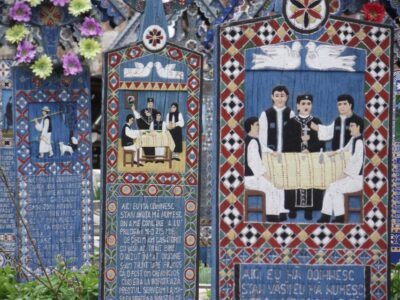
Two days tour to Maramures: local experiences and culture
Read our review →
A Journey Back in Time: Countryside from Transylvania and Maramures – 15 Days
Read our review →
Your rendez-vous with Europe’s past: time-travel to Maramures, Transylvania
Read our review →Browse the lists this tour appears in