
Reviewed · HISTORICAL TOURS
Bucharest: Sweet Delights History and Desserts Walking Tour
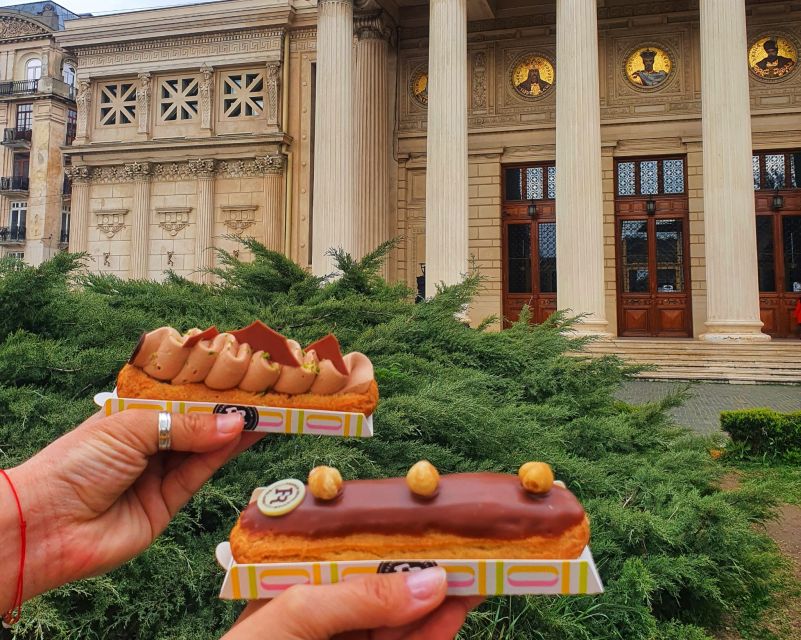
Dessert meets Bucharest history in one walk. This is a small-group tour built around how Romanian sweets track the city’s big political turns and cultural mix. You start at the Romanian Athenaeum, then follow the story through monarchy, communism, and the post-1989 shift, with bites that match each era.
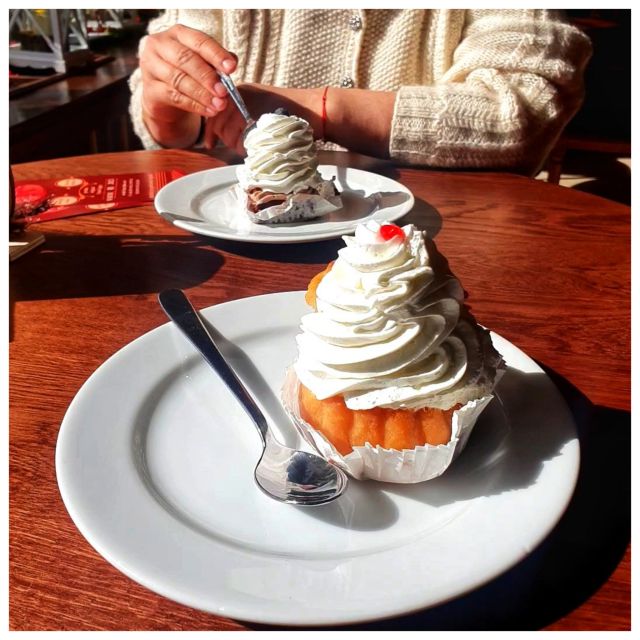
I like the mix of local guidance and real food stops. It is not just snacks on a route, it is a guided lesson you can taste, with classic items like eclair, chocolate truffle, and the final papanasi. The only real drawback is that it is a sweets-focused outing, so if you dislike dessert, you may want to bring your own strategy (coffee after helps, and you will likely still leave satisfied).
In This Review
- Key things to know before you go
- Why this Bucharest sweet-and-history walk actually works
- Starting at the Romanian Athenaeum, then tasting your way into a city story
- From Carol I’s statue to royal Bucharest, with eclair in hand
- Revolution Square chocolate: communism in the background, dessert in the foreground
- Calea Victoriei and Victory street-style architecture: why Bucharest got called Little Paris
- Capsa Pastry and the city’s oldest-cake-shop vibe before the Old Town finale
- What you get for $77, and why the value depends on your taste
- Who this tour suits best, and who might feel mismatched
- Practical tips so you enjoy every stop
- Should you book this Bucharest desserts history tour?
- FAQ
- How long is the Bucharest sweet delights history and desserts walking tour?
- How much does the tour cost per person?
- Where does the tour meet?
- What group size should I expect?
- Is the tour offered in English?
- What desserts are included?
- Is entrance to the Romanian Athenaeum included?
- What should I wear?
- What are the cancellation and pay-later options?
Key things to know before you go
- 3 hours of walking with guided stops at major Bucharest landmarks
- Max 10 people, so your English-speaking guide can keep the pace conversational
- One eclair, one chocolate truffle, one Romanian doughnut, plus another famous sweet and a papanasi finish
- History is tied to pastry and politics, from France-trained craft to the 1989 Revolution era
- The tour ends at City Grill Covaci, handy if you want to keep exploring after
More Guided Walks in Bucharest
- Bucharest: City Highlights Guided Walking Tour★ 4.9 · 1,482 reviews
- Bucharest: Communism and History Guided City Walking Tour★ 4.9 · 918 reviews
- Bucharest Highlights Walking Tour★ 5.0 · 469 reviews
- Bucharest: Hidden Markets Walking Tour with Tastings★ 4.9 · 329 reviews
Why this Bucharest sweet-and-history walk actually works
Bucharest can feel like a lot at first. Big boulevards, serious-looking monuments, and then suddenly, pastries. This tour turns the city into a story you can follow, because each stop has a specific historical theme, and each theme comes with a taste.
I like the clarity of the concept: you are not bouncing randomly between bakeries. The route follows an easy center-city loop, and the sweets act like time markers. You are learning why Bucharest was once nicknamed Little Paris, how French pastry training influenced what people ate, and how older Ottoman and Balkan influences lingered even as styles changed.
One reason it gets great marks is that the guide is more than a narrator. In past groups, guides from Mara’s Tours&Travel included Elena and Mara, and they tended to bring in personal perspective on Romanian life and history. That human layer matters, because otherwise history walks can feel like memorizing dates. Here, you get a sense of how the city got its taste for contrasts.
Starting at the Romanian Athenaeum, then tasting your way into a city story
You meet at the Romanian Athenaeum area, on the stairs of the concert hall, with the guide wearing a tag and holding a sign for Mara’s Tours&Travel. The address listed is Strada Benjamin Franklin 10, which puts you in the right pocket of the center.
Right away, you get a sweet and a theme. The first stop is tied to the French Revolution era context, and you also get your first bite during the initial orientation. It is a smart move because it settles the group quickly. You have energy for walking, and you already have a flavor in your mouth before the first big chunk of history.
Timing is also reasonable. The first leg is about 15 minutes at the Ateneul Român area, so you are not stuck for long in one place right at the beginning. Wear comfy shoes, because you will be on foot for the full loop.
One practical note: entrance to the Romanian Athenaeum is not included. If you want to go inside, plan for an entrance fee of 15 lei, and it is listed as cash only. Even if you do not enter, you still get a great exterior start point for understanding the city’s self-image during different eras.
From Carol I’s statue to royal Bucharest, with eclair in hand
Next you move toward the Equestrian Statue of Carol I, with about 10 minutes of guided context. This stop matters because it anchors you in the monarchy period, when Bucharest’s identity was shifting toward European models.
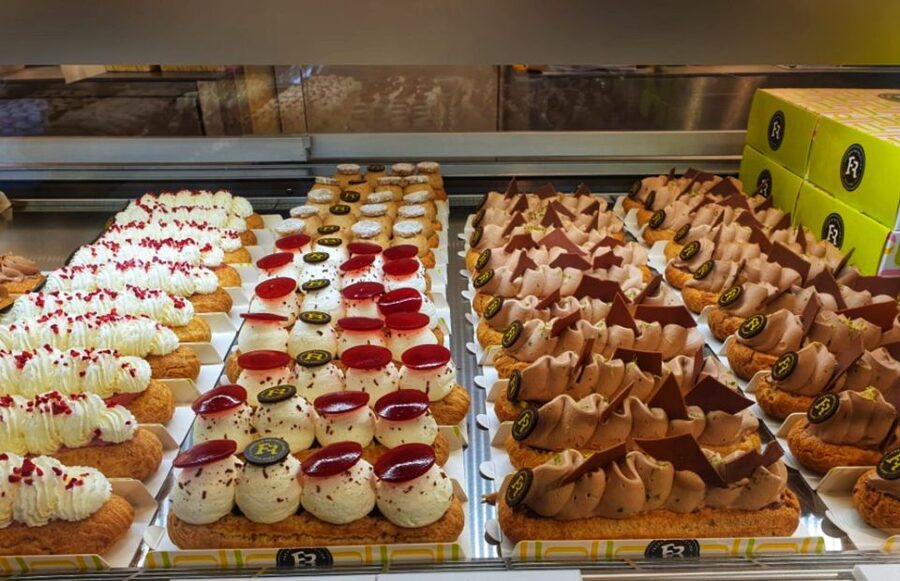
And yes, you get another key dessert moment around this early section. The tour theme ties French-influenced pastry craft into the story of how the upper classes wanted tastes and styles that felt more Western. You will hear about how pastry chefs trained in France brought craft and talent back to Bucharest, and how that helped turn Turkish-delight-style sweets into French-style pastries like eclairs.
Why does this pairing matter? Because food history can be vague when it is only described. When you hold an eclair at the same time you learn about social change, you remember the connection. You start to see sweets as more than dessert, they become a clue to who had access to which influences, and when.
If you are the kind of traveler who likes your photos to make sense later, this is a good setup. You will walk away with landmarks you can interpret, not just landmarks you walked past.
More History Tours in Bucharest


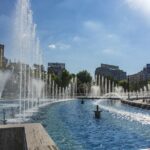
Revolution Square chocolate: communism in the background, dessert in the foreground
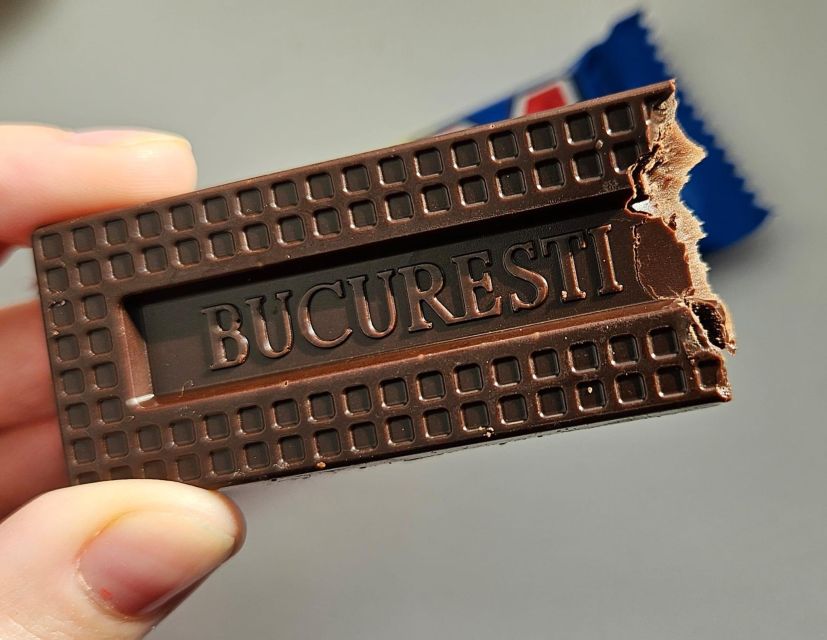
The biggest emotional pivot comes at Revolution Square, with about 25 minutes here. This is where the tour shifts into 20th-century Bucharest, including life under communism and the 1989 Revolution.
The food link is the standout: you taste through a famous Romanian chocolate bar during this segment. That choice is clever, because chocolate feels like a universal comfort, but the guide frames it inside local history. It becomes a way to talk about scarcity, accessibility, and how everyday items can reflect political realities.
This is also where your guide’s pacing earns its keep. Revolution Square is visually powerful on its own, but if you do not have someone explaining what to notice, you can miss the human meaning. With guided timing, you do not just stand and stare, you get prompted to look at key details and then connect them to the broader narrative.
A small caution: if you have a hard time with heavy history, this section can feel intense. The tour does not avoid it, but it keeps moving, and that helps. You will not get stuck in one somber mood for the whole day, because the later sections bring you back toward café culture and Old Town legends.
Calea Victoriei and Victory street-style architecture: why Bucharest got called Little Paris
After Revolution Square, you shift into a more elegant walking phase along Calea Victoriei, with about 20 minutes of walking and guided commentary. This stretch is tied to the French-style building feel and the idea that Bucharest once earned the nickname Little Paris.
This is not just style talk. The guide connects architecture and fashion impressions to what happened in culture, including the way French-trained pastry skills changed what people ate. You get a sense of how Bucharest could look modern and glamorous, while still carrying layers of older influence from the east and the region.
There is something satisfying about learning this while walking, because you can actually see the city’s layout. Streets like this are where Bucharest communicates its ambitions. Even if your favorite memories are food-based, the architecture context turns your desserts into a bigger story.
If you like street-level travel, this section is a good match. You get to slow down, absorb the look of the city, and then move toward a pastry institution-style stop.
Capsa Pastry and the city’s oldest-cake-shop vibe before the Old Town finale
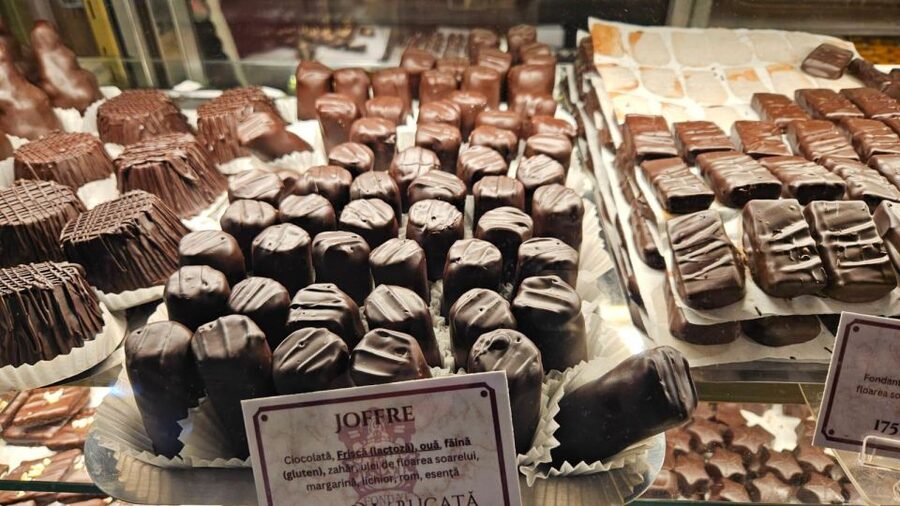
One of the tour’s most practical strengths is that it includes stops that feel anchored, not random. About 20 minutes at Capsa Pastry gives you a sense of Bucharest’s long-running café culture and traditional sweet craft.
Capsa is where the tour starts to feel like it is lining up the city’s identity in one place: the old meets the new, and you still get a guided interpretation of why certain pastries became famous. In other words, you are not just tasting sugar, you are tasting a local idea of sophistication.
Before you get all the way into the medieval-and-legend atmosphere, you also get a reflective moment tied to the oldest standing cakeshop in town. That sounds poetic, but it also has real value. It helps you connect the day’s earlier political story to daily life, because pastries are part of normal routines, not only special occasions.
Then you finish in the Old Town, with about 45 minutes of guided exploring. This is the medieval legends and customs segment, where influences from empires and older traditions blend into the Romanian culture you recognize today.
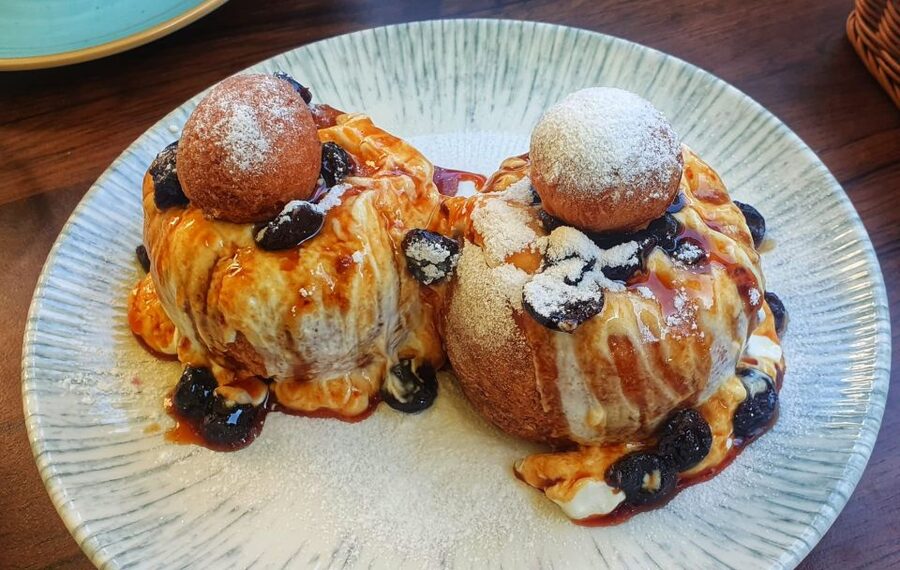
The payoff is the final dessert: papanasi. If you are going to choose one Romanian sweet to remember, papanasi is the right ending. It is a warm, iconic finish that lets you end the tour on a local flavor note, not a borrowed one.
The tour ends at City Grill Covaci, which is a handy way to transition from walking tour mode into full-on exploring or a casual post-tour meal.
What you get for $77, and why the value depends on your taste
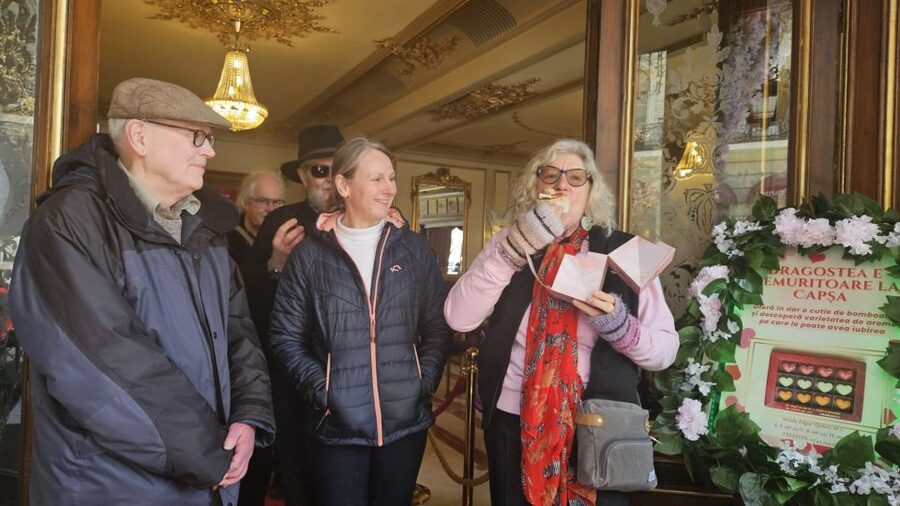
The price is $77 per person for a 3-hour experience with a local English-speaking guide and a small group limited to 10 participants. You also get 1 eclair, 1 chocolate truffle, 1 Romanian doughnut, plus 1 famous Romanian sweet snack and 1 water.
Here is how I think about value. This is not a cheap snack stop, and it is not meant to be. It is a guided city center history walk where the food is part of the lesson. If you like dessert AND you also like context, the value stacks up fast because you are getting multiple tastings plus guided interpretation across major landmarks.
If you are mainly interested in history and worry about sugar, it is still a worthwhile format. The desserts are integrated into specific time periods, so they serve a purpose beyond indulgence. And if you really are not a dessert person, you might still enjoy the historical stops more than you expect. The key is that this tour is built around sweets, so you should not treat it like a traditional museum-style history walk.
One more note on costs: additional food and drinks are not included. So if you want coffee, tea, or more sweets after the tour, budget for it. The tour does give you a water, but you will be walking.
Who this tour suits best, and who might feel mismatched
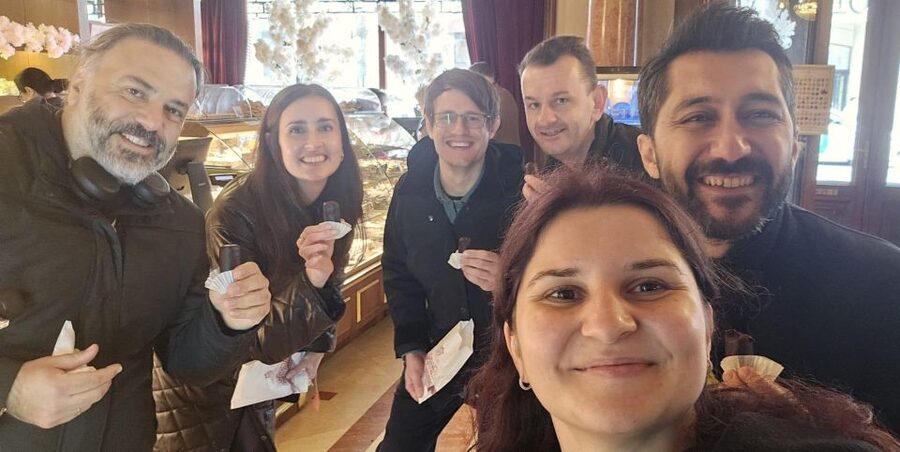
I think this tour is ideal for first-timers in Bucharest who want a guided orientation without being trapped in a classroom. You get an insider view of the city center, plus a quick path through major chapters of Romanian history in a way that feels natural.
It is also a strong fit if you like food travel that is connected to culture. You will learn why certain flavors and pastry styles became popular, including the French training influence and the layered blend of French, Oriental, and Balkan influences.
On the other hand, if you are traveling with someone who dislikes desserts entirely, you might need a plan. This is a sweets-forward experience, and even with a balanced guide, the tasting rhythm is constant.
Also consider the walking. It is not described as extreme, but with multiple stops and short guided segments across the center, comfy shoes are a must.
Practical tips so you enjoy every stop
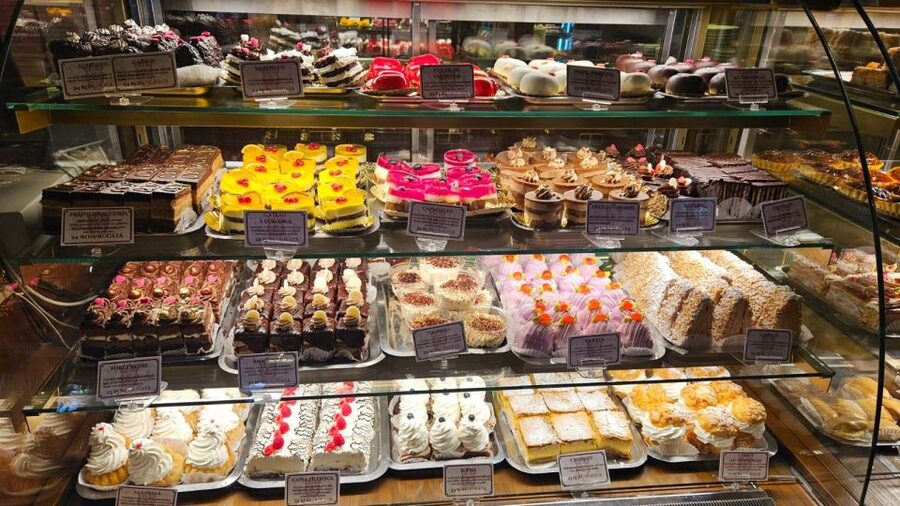
Keep your pacing mindset flexible. The tour is 3 hours, and stops range from about 10 to 45 minutes, so some moments are quick and some are more grounded.
Bring a small hunger buffer. The tour includes several sweets, but dessert portions vary by what you are offered and your personal appetite. If you tend to get hungry between meals, you may want breakfast earlier and then treat this as your main sweet experience.
Have cash ready only if you want to enter the Romanian Athenaeum. The tour itself is positioned at the exterior meeting point, but the entrance fee is listed as 15 lei cash only.
Finally, pay attention when the guide connects each dessert to the era. The eclair moment at the French Revolution themed start, the chocolate at Revolution Square, and the papanasi finale all follow a logic. If you lean into that, the tour sticks with you longer than a normal food crawl.
Should you book this Bucharest desserts history tour?
Yes, I would book it if you want a clever blend of Romanian desserts and city storytelling that moves through monarchy, communism, and post-1989 Bucharest. The small group size and the focused tasting plan make it feel personal, not like a rushed conveyor-belt stop.
I would skip or reconsider if you dislike desserts or you want a purely political history walk with no food focus. Also, if you dislike walking at all, the structure of multiple short landmark stops will probably feel like too much.
If you do book, go in with the right expectation: you are signing up for history you can taste, with the finale being papanasi and the route ending conveniently near City Grill Covaci.
FAQ
How long is the Bucharest sweet delights history and desserts walking tour?
The tour lasts 3 hours.
How much does the tour cost per person?
The price is $77 per person.
Where does the tour meet?
Meet your guide on the stairs of the Romanian Athenaeum. The address listed is Strada Benjamin Franklin 10, Bucharest.
What group size should I expect?
The tour is a small group limited to 10 participants.
Is the tour offered in English?
Yes, the tour runs in English with an English speaking guide.
What desserts are included?
Included items are 1 eclair, 1 chocolate truffle, 1 Romanian doughnut, and 1 famous Romanian sweet snack, plus 1 water. The tour ends with papanasi.
Is entrance to the Romanian Athenaeum included?
No. Entrance is not included. The fee is listed as 15 lei, cash only.
What should I wear?
Wear casual clothing and comfortable shoes for the walking.
What are the cancellation and pay-later options?
You can reserve now & pay later. You can cancel up to 24 hours in advance for a full refund.
Newest Bucharest write-ups
- Half Day Tour in Bucharest
★ 5.0 · 1 review - Private transfer to BRASOV
★ 5.0 · 1 review - Bucharest: Capture the most Photogenic Spots with a Local
★ 5.0 · 1 review - Bucharest Private Custom Walking Tour with Guide (Private Tour)
★ 5.0 · 1 review - Transfer Bucharest to Constanta / Mamaia
★ 5.0 · 1 review - Uncover Transylvania: Private 2-Day Tour Bears & Medieval Wonders
★ 5.0 · 1 review - Private Day Trip to Peles Palace, Dracula’s Castle and Brasov
★ 5.0 · 1 review
Historical Tours, compared.


Roma Culture, Realities and Slavery History, Walking tour
Read our review →
Bucharest Jewish Heritage | Holocaust Memorial | Private Car Tour
Read our review →
Private Bucharest: History & Food with Traditional Meal
Read our review →Historic Gems Sighișoara, Rupea and Viscri Day Tour
Read our review →Browse the lists this tour appears in