
Reviewed · COMMUNIST-ERA TOURS
Timisoara: Grand Communism Tour
Communism sounds like a lesson, until you walk the places where it shaped daily life. This Timisoara Grand Communism Tour turns Romania’s darkest years into a clear, human story, and it does it in a way you can actually follow in 3.5 hours. I especially liked the guide-led storytelling and the mix of key sites, not just one dramatic monument. One thing to consider is the tour ends with an extra cost at the Revolution Memorial, so budget for that entrance fee.
You’ll also appreciate the small group size, limited to 10 people, which makes it easier to ask questions as you go. A potential drawback: the topic is heavy, and some scenes and political events are emotionally intense, so it may feel like a big mental workout.
In This Review
- Key points to know before you go
- Why Timisoara’s Communist story feels different
- Starting at SCARTZ and the Communist Customer Museum in the basement
- Anti-Communist resistance monument, and why the 1950s and 1960s matter
- The Reformed Hungarian Church, December 1989, and the spark you can still feel
- Cemetery of Revolution Heroes, and the final days before Ceaușescu fell
- Revolution Memorial of Timisoara, and what the 20 RON entrance buys you
- The guides are the secret sauce, from Andrei to Sergiu
- How long is it, and what the small-group format changes
- Price and value: $70 for 3.5 hours that actually adds meaning
- Who should book this tour
- Should you book the Timisoara Grand Communism Tour?
- FAQ
- Where is the meeting point for the tour?
- How long is the Timisoara Grand Communism Tour?
- How much does it cost?
- Is transportation between stops included?
- What is included in the tour price?
- Is the Revolution Memorial entrance fee included?
- What languages are available for the tour?
- What is the group size?
Key points to know before you go
- SCARTZ basement start: you begin at the Misfit SCARTZ club area and visit the Communist Customer Museum in the basement.
- Tight, story-driven route: multiple stops connect 50 years of geopolitical change to the Romanian Revolution of 1989.
- The uprising location: you visit the Reformed Hungarian Church, tied to the December 1989 uprising start and local Communist Party headquarters.
- Memory sites with context: the Cemetery of Revolution Heroes and the Revolution Memorial help explain the final days leading to Ceaușescu’s fall.
- Guides with strong English: named guides like Andrei and Sergiu have been praised for engaging narration and fluent English.
- Value with one extra ticket: most costs are covered, but the Revolution Memorial entrance is 20 RON.
More of communist-era Timisoara:
- The Grand Tour of Communist Ages at Timisoara★ 5.0 · 17 reviews
- Bucharest: Communism and History Guided City Walking Tour★ 4.9 · 918 reviews
- The Real tour of Communism★ 5.0 · 666 reviews
- Life under Communism★ 5.0 · 358 reviews
Why Timisoara’s Communist story feels different
Timisoara, in western Romania, has a reputation that comes from more than its architecture and cafés. It is tied to the moment when anti-Communist resistance gained momentum and helped ignite the 1989 Revolution that eventually toppled Nicolae Ceaușescu. This tour works because it doesn’t treat Communism as a single chapter. You start with the wider political evolution, then zoom into the local pressure points that made the city a spark.
I like how the experience is built for comprehension. Instead of just naming dates, your guide connects how Romania’s political path shifted over decades and how that long buildup fed into the revolution years. If you enjoy history you can picture, this format is practical: you see real places, then you get the explanation that makes them make sense.
Starting at SCARTZ and the Communist Customer Museum in the basement
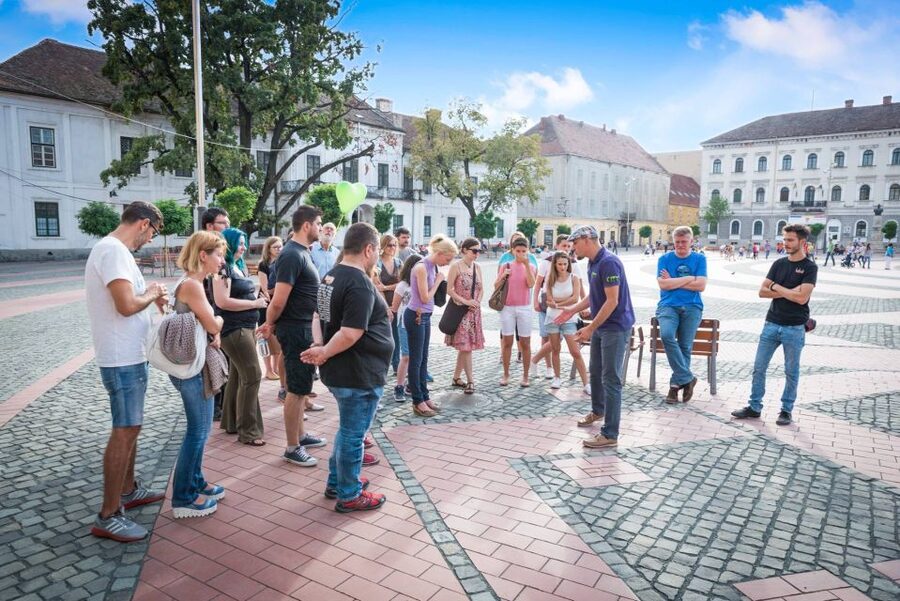
The tour begins at the Orthodox Cathedral, meeting in front of the church. From there, you move into Timisoara’s deeper history and start at the Misfit SCARTZ club location, where the route gains momentum fast. Your next step is to see the Communist Customer Museum, located in the basement of SCARTZ.
That basement setting matters. Communism in daily life was not just speeches and propaganda. It was also the feel of spaces, the routines of ordinary people, and the practical stuff that shaped what you could get, where you could go, and how you planned. A basement museum format tends to create a more focused atmosphere, and you’re not just looking at facts on a plaque. You’re getting the sense of how the era was packaged and experienced.
Here, I’d expect you to get a strong baseline. Your guide frames what is coming next by explaining the broader Communist period in Romania and how the long timeline leads toward 1989. If you’re new to Romanian history, this is the part that helps everything click later when you reach the revolution sites.
Anti-Communist resistance monument, and why the 1950s and 1960s matter
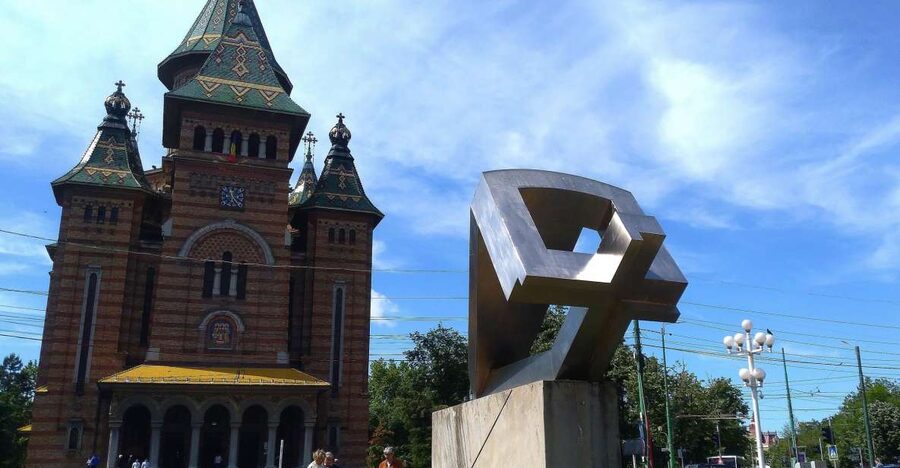
Next up is the Anti-Communist Resistance Movement Monument. This stop shifts the story backward, into the harsh decades of the 1950s and 1960s, when opposition could come with real consequences. It’s easy to think revolutions happen out of nowhere. This part corrects that idea.
You’ll hear how Romanians harshly opposed the Communists during those earlier years. That might sound like it’s only about political courage, but the point is bigger: resistance built layers of memory, networks, and local awareness. That matters because when the uprising arrived in 1989, it did not emerge from a blank slate.
This is also where a great guide changes your experience. A knowledgeable, experienced storyteller can keep the tone respectful while still making the danger and stakes feel real. Guests have praised guides such as Andrei for engaging storytelling, and Sergiu has been highlighted as very professional. If you care about clarity, it’s worth choosing this kind of guided format instead of trying to self-drive through monuments.
Other Timisoara days worth the drive



The Reformed Hungarian Church, December 1989, and the spark you can still feel
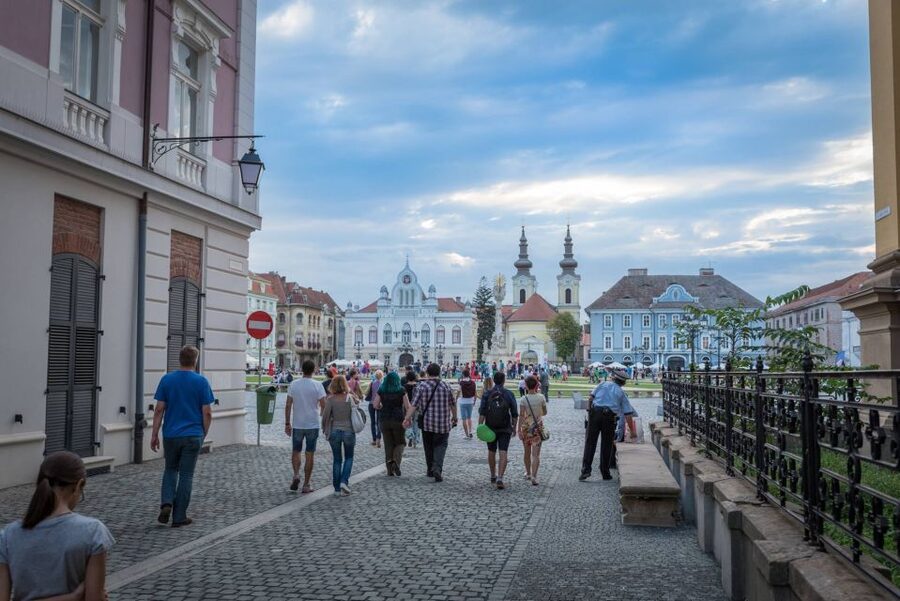
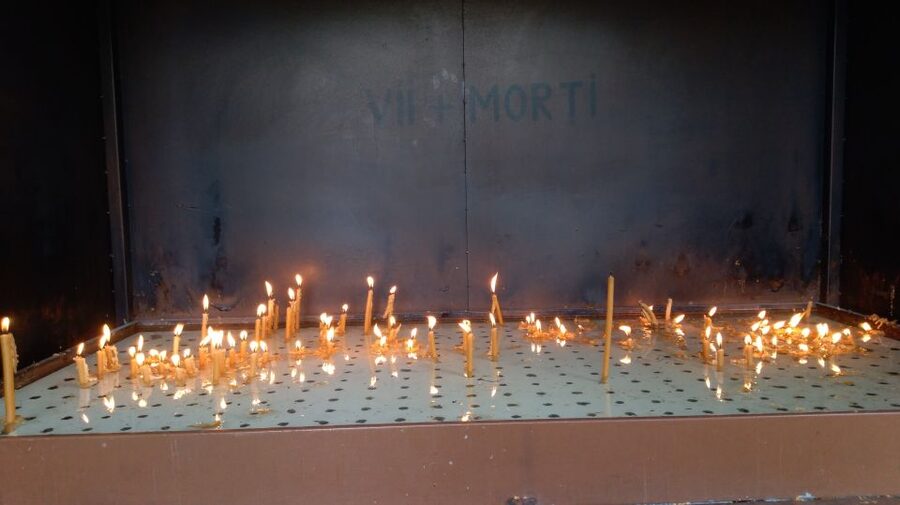
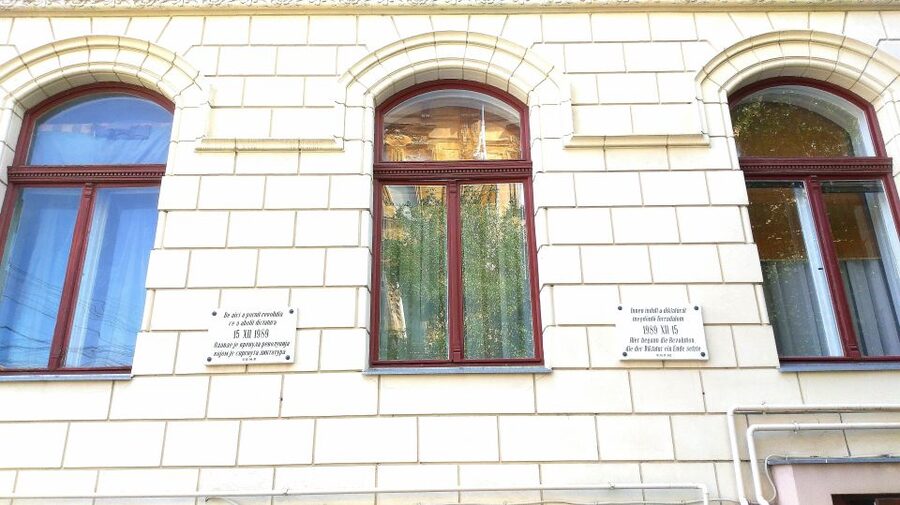
The tour then reaches the Reformed Hungarian Church, one of the most significant sites on the route. This is where the uprising started in December 1989. It is also described as the local headquarters of the former Communist Party, which gives the stop an extra layer of meaning.
Think about what that combination implies. A place of worship becomes tied to the moment people confronted the political system. And if it was also a local party headquarters, then it wasn’t only symbolic. It was part of the machinery of control and administration. Standing here, you’re not just learning the revolution happened. You’re learning how the revolution happened, at street level, in a specific location where events unfolded.
Your guide explains more about the Anti-Communist and Anti-Ceausist Revolution of Timisoara, so the story becomes more than a highlight reel. You start to understand how pressure built and how local action fed into a wider national turning point. For many history-minded visitors, this church stop is the moment the tour transforms from information into understanding.
Cemetery of Revolution Heroes, and the final days before Ceaușescu fell
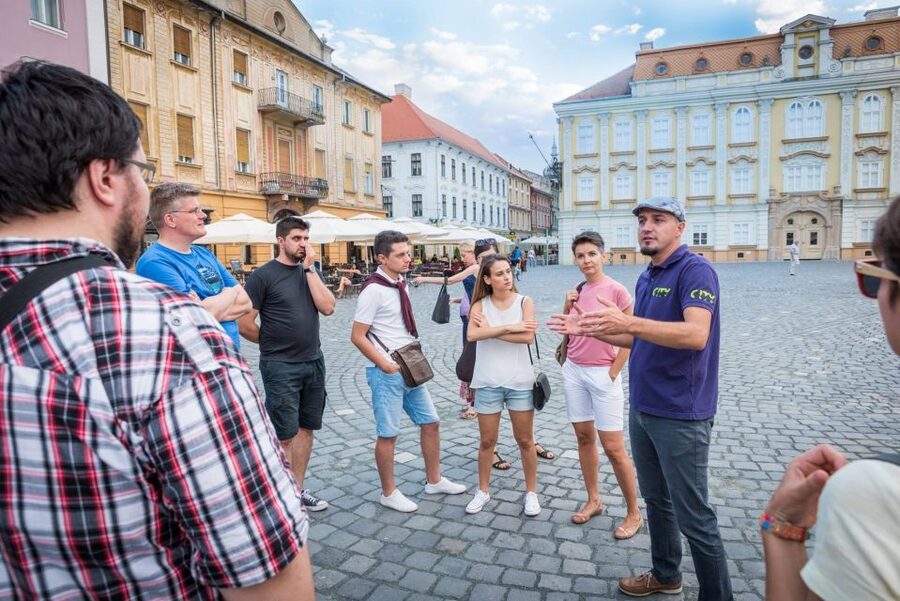
After the church, you visit the Cemetery of Revolution Heroes. This stop is meant to close the loop on the ending phase of the revolution. You hear about the final events that led to the end of Ceaușescu’s regime, which helps connect earlier resistance and the December uprising to the outcome.
Cemeteries can feel like a formality on some tours. Here, the value comes from how the guide links names and sites to what they meant in the last stretch of 1989. You’re not only paying respects. You’re also getting timeline clarity, so you understand what changed and when.
If you’re the type of traveler who likes to leave with something more than photos, you’ll probably find this stop grounding. It shifts the story away from political theory and back toward real people whose lives intersected with major events. It also makes the final memorial feel less abstract when you reach it.
Revolution Memorial of Timisoara, and what the 20 RON entrance buys you
The tour ends with the Revolution Memorial of Timisoara, a site that honors the brave people of the Anti-Ceausist Revolution of Timisoara and how that movement helped lead to the end of Ceaușescu’s regime in Romania.
A practical heads up: the entrance fee to the Revolution Memorial is not included. You should plan on paying 20 RON on site. Whether that fee is worth it depends on your interests, but if you like memorial spaces that explain events in a physical, visual way, it can add real value. The tour guides you to the right meaning, and the memorial gives you a place to slow down and absorb it.
This is also where you can ask final questions. Because the group is small, your guide can often tailor answers to what you found most confusing, or what you want to research next. If you’re planning a second day in Timisoara, this ending point is a strong way to make sense of the city as more than a backdrop.
The guides are the secret sauce, from Andrei to Sergiu
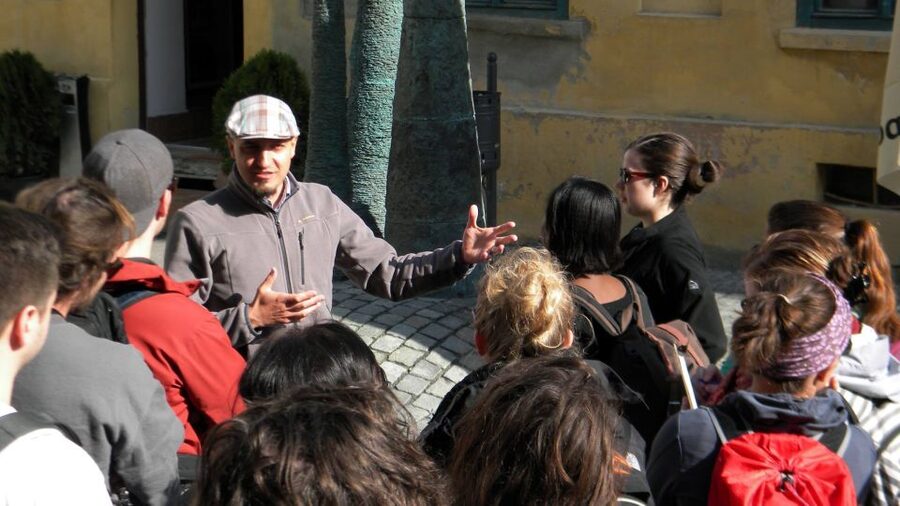
A tour like this lives or dies by narration. You’re dealing with heavy political material, and it can easily become either a lecture or a blur. This experience works because the guide uses story-driven explanations and ties events to physical locations.
You’ll hear examples of what that looks like from named guides associated with the experience. Andrei has been praised for extremely engaging, knowledgeable storytelling, with English described as flawless. Sergiu has been described as professional and helpful, with routes that do not feel generic. In another case, Roberta is praised as very knowledgeable, which suggests the quality of interpretation is consistent.
What to look for as you tour: explanations that connect “what happened” to “what it felt like” at street level. When a guide can do that, you start thinking about daily life under Communism without getting lost in academic terms.
How long is it, and what the small-group format changes
The tour runs for 3.5 hours and is limited to 10 participants, which is a big deal on a topic like this. With a small group, you get better pacing and fewer interruptions. It also helps you keep up when the guide starts threading together decades of geopolitical evolution.
Transportation between stops is included. That matters because you’re not just walking in a straight line for 3.5 hours. You can expect your time to be balanced between moving and stopping for interpretation. The result is a tour that feels efficient, not exhausting.
If you like structure, this one is designed for it. You start with the museum basement context, then you progress through resistance, uprising, aftermath, and finally memory. You’re not left guessing what order the history should follow.
Price and value: $70 for 3.5 hours that actually adds meaning
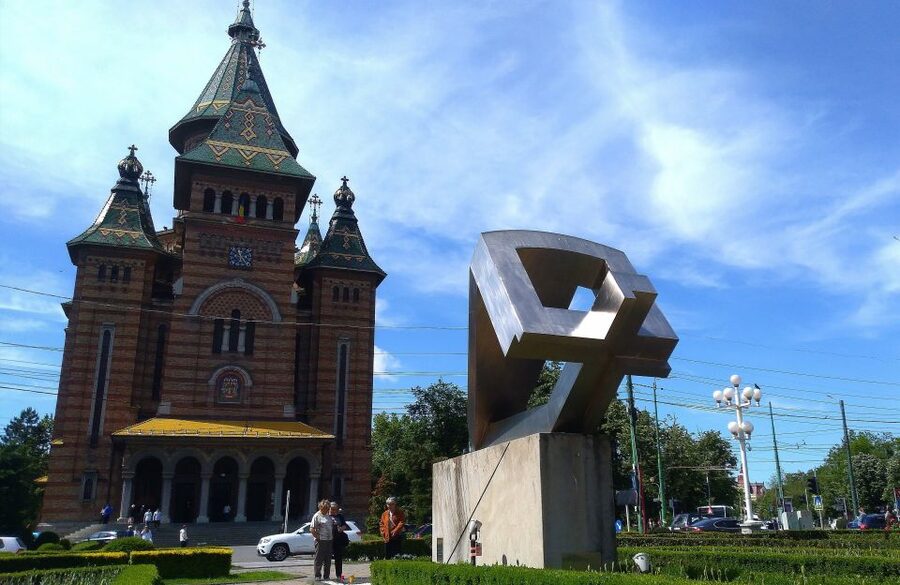
At $70 per person for a 3.5-hour, small-group guided experience, you’re paying for two main things: human storytelling and guided access to key narrative locations. You’re not just buying a walk around town. You’re buying someone’s ability to explain why these specific places matter, and to connect them into one coherent story.
Most costs are included: the tour guide and transportation between stops. The one extra cost you should plan for is the Revolution Memorial entrance fee of 20 RON. So your real budgeting should be “tour price plus the memorial ticket,” not just the headline number.
Is it worth it? If you care about understanding the Romanian Revolution of 1989 and want Timisoara’s role in it explained clearly, this is a strong way to spend half a day. If you only want quick photos or you already know Romanian political history in depth, you might get less value. But for the majority of visitors, guided context is what makes the stops meaningful.
Who should book this tour
Book this if:
- You want an organized way to understand Romanian Communism and the 1989 revolution timeline.
- You prefer guided walks that connect history to specific buildings and public spaces.
- You like clear English interpretation, with multiple guides praised for fluent narration (including Andrei and Sergiu).
Skip it or pair it differently if:
- You get overwhelmed by politically heavy topics in a short time.
- You want a purely architectural or casual city stroll, because the focus is history and events, not sightseeing variety.
Should you book the Timisoara Grand Communism Tour?
I think this is a smart booking for history-minded travelers who want more than a list of dates. The route uses meaningful sites, and the guide-led storytelling helps you understand why Timisoara mattered in Romania’s revolution story. The group size keeps it personal, and the mix of museum context, resistance, uprising sites, and memorial space creates a complete arc.
The only real “watch this” is the entrance fee at the Revolution Memorial of Timisoara (20 RON). If you’re okay with that one add-on, you’ll get a focused 3.5-hour experience that turns the Communist era and the fall of Ceaușescu into something you can picture and remember.
FAQ
Where is the meeting point for the tour?
Meet in front of the Orthodox Cathedral.
How long is the Timisoara Grand Communism Tour?
The tour lasts 3.5 hours.
How much does it cost?
The price is $70 per person.
Is transportation between stops included?
Yes. Transportation between stops is included.
What is included in the tour price?
You get a tour guide and transportation between stops.
Is the Revolution Memorial entrance fee included?
No. The entrance fee to the Revolution Memorial is 20 RON.
What languages are available for the tour?
The live tour guide is available in English and Romanian.
What is the group size?
The tour is a small group limited to 10 participants.
Newest Timisoara write-ups
- Capture the most Photogenic Spots of Timișoara with a Local
★ 5.0 · 1 review - Day trip to Timisoara, departure from Szeged
★ 5.0 · 2 reviews - Hiking back in time: The Remote Villages of Banat
★ 5.0 · 2 reviews - Timisoara Dream Tour in Elisabetin Neighborhood
★ 5.0 · 3 reviews - Nera Gorge National Park – Private Day Tour from Timisoara
★ 4.5 · 4 reviews - Timisoara: Jewish Heritage Walking Tour
★ 5.0 · 4 reviews - Timisoara: Private Walking Tour with a Local Guide
★ 4.5 · 5 reviews
Communist-Era Tours, compared.




Parliament, Ceausescu House & Village Museum Tour
Read our review →
Bucharest Essential Tour: Old Town, Calea Victoriei & Communism
Read our review →
Communism in Bucharest – Landmarks, Museum & Communist Appetizers
Read our review →
Palace of Parliament, Ceausescu House & Village Museum
Read our review →Browse the lists this tour appears in